Attractions and Places To See around Hondschoote - Top 20
Attractions and places to see around Hondschoote offer a range of historical, cultural, and natural points of interest in the Nord department of France. The region, historically known for its textile industry and flax cultivation, features a blend of Flemish architecture and natural landscapes. Visitors can explore significant landmarks, cultural sites, and natural reserves.
Best attractions and places to see around Hondschoote
- The most popular attractions is Veurne Market Square, a historical site characterized by pointed towers and decorated,…
Last updated: July 6, 2026
Veurne Market Square
Highlight • Historical Site
Translated by Google •
Tip by

Maerebrug (Maere Bridge) over the Nieuwpoort–Dunkirk Canal
Highlight • Bridge
Translated by Google •
Tip by

Sign up now to discover places like this
Get recommendations on the best single tracks, peaks, & plenty of other exciting outdoor places.
Sign up for free
Belgium–France Border at Grenspad and 1819 Border Marker
Highlight • Monument
Translated by Google •
Tip by

Krakeelduinen Nature Reserve
Highlight • Natural
Translated by Google •
Tip by

Nieuwpoort–Dunkirk Canal
Highlight (Segment) • River
Translated by Google •
Tip by

Sign up for free to discover even more attractions around Hondschoote.
Sign up for free
Already have an account?
Start today with a free account
Your next adventure awaits.
Login or Signup
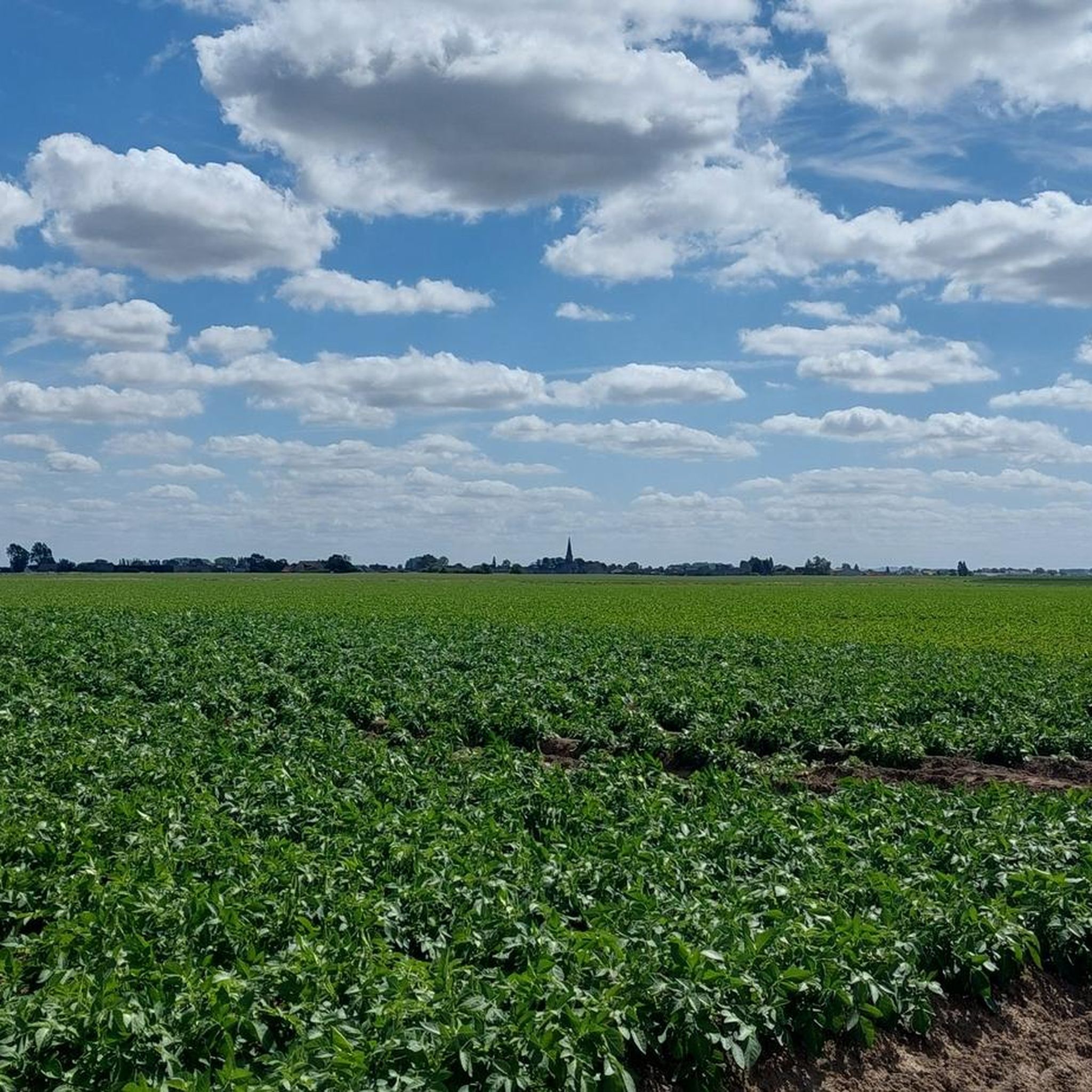
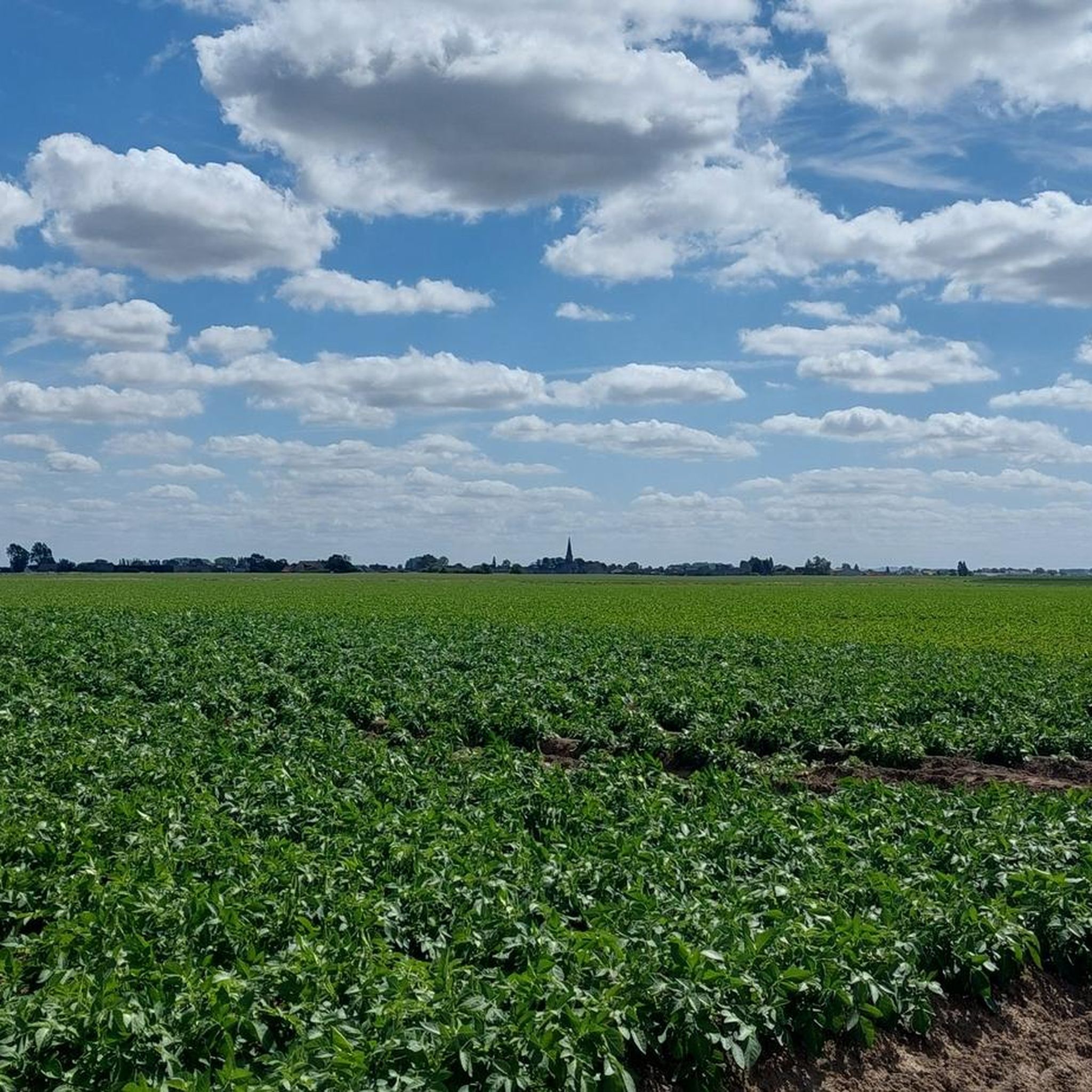
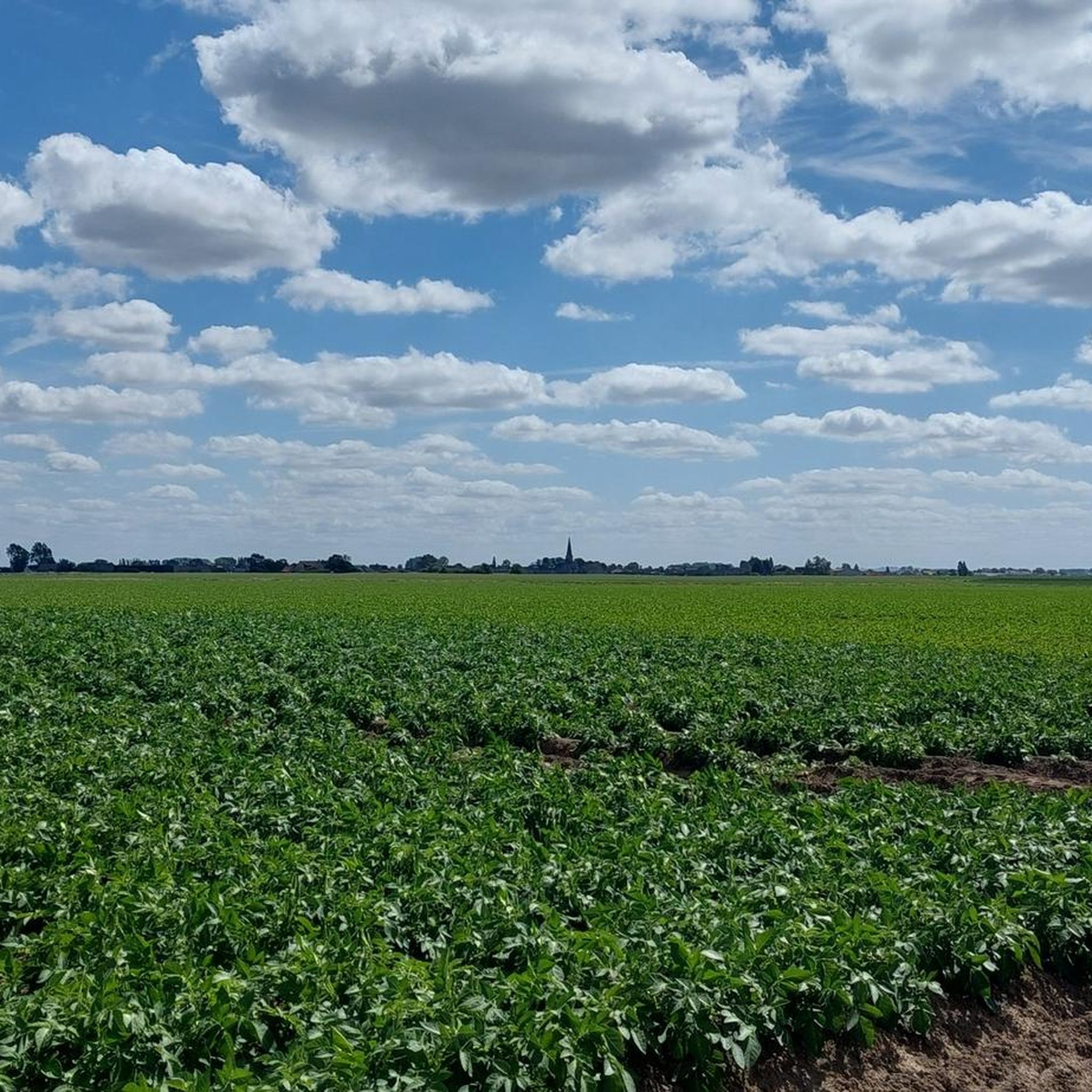
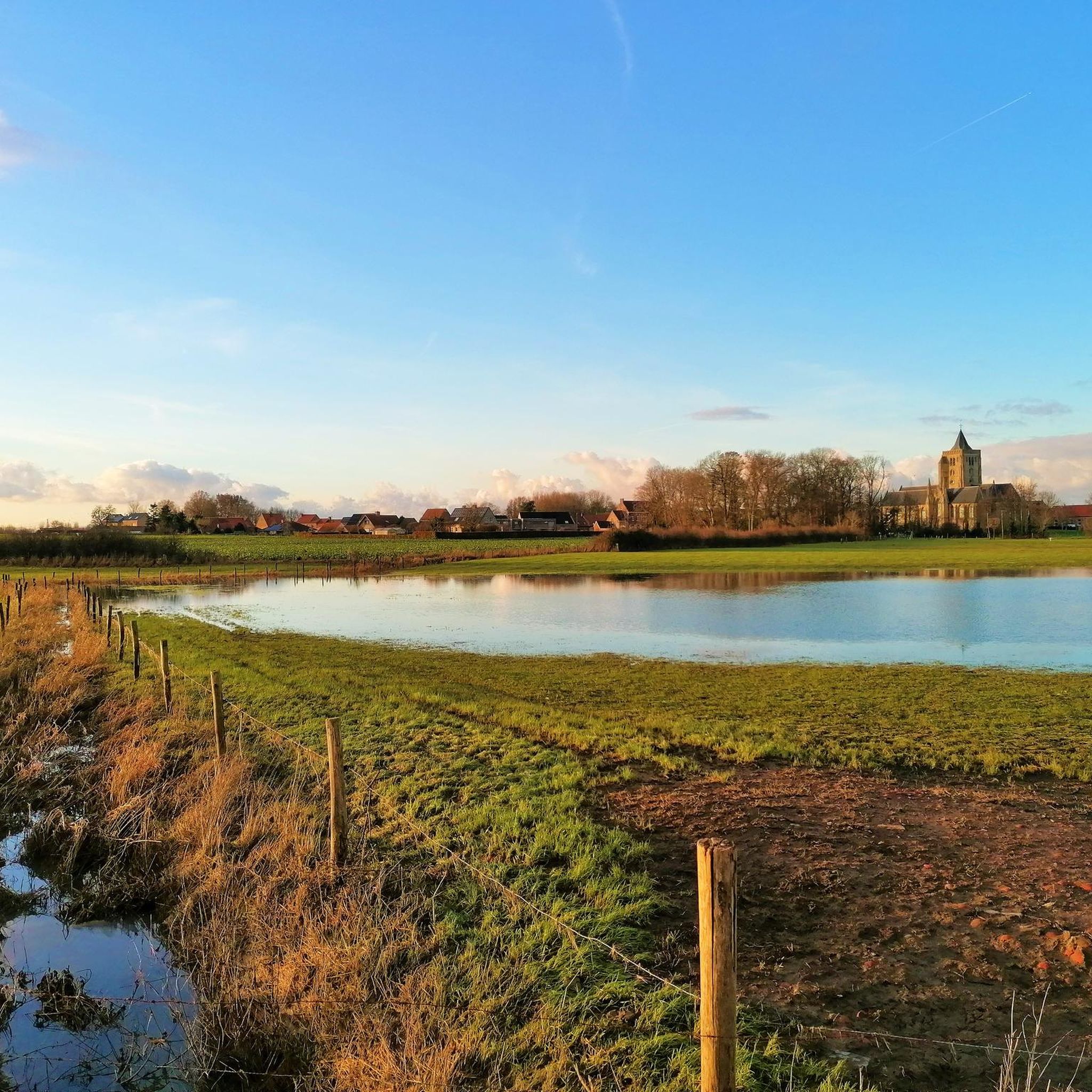


Tips from the Community

The route contains many sections with cobblestones and a couple of sections of unpaved road. There were also two roadworks, where you had to walk past.
0
0

First of all, this boundary marker on the beach is completely new, as an earlier one was irreparably damaged in 2021. The date and initials refer to the brief period from 1814 to 1830 when France bordered the Netherlands. The former boundary marker was first erected in 1819. Now, this boundary marker 2.0 marks the border between Belgium and France. The point also indicates the westernmost point of Belgium combined with the northernmost point of mainland France.
5
0

The Maerebrug in De Panne is an elegant steel bridge spanning the Nieuwpoort–Dunkirk Canal and playing a vital role in the Westhoek recreational network. Designed with gentle slopes on both sides, it is easily accessible for cyclists, walkers, and horse riders. With a width of four meters and a span of 33 meters, the bridge offers safe and comfortable passage over the water and forms a link between Belgian and French nature reserves.
1
0

Currently no flags to be seen
2
1

Nature reserve. You're pretty much alone here.
3
0

Impressive buildings, cafes and parks invite you to linger
5
1

The Maerebrug was installed in 2013 as part of the functional and recreational cross-border project Dunkirk-De Panne and is a fixed, steel bridge for cyclists, pedestrians and horse riders. There are gentle access ramps on both sides of the bridge so that road users can use the bridge easily. The bridge is 4 meters wide and spans a length of 33 meters. The construction of the bridge was integrated into the rural environment as much as possible. The bridge was given the name 'Maerebrug' as a reference to the connection that this bridge makes to the two parts of the Maerestraat, once one whole, but cut in two by the construction of the Nieuwpoort-Duinkerke canal. 'Maere' refers to 'mer', 'mar' (sea) and 'Moere' (so between the sea and the marshes).
3
1
Every Wednesday, the weekly market takes place from 8 a.m. to 1 p.m. on the Grote Markt. Numerous market stallholders present their wares. The range is diverse, ranging from plants and flowers, textiles, vegetables and fruit to dairy products. The weekly market also takes place if Wednesday falls on a public holiday, with the exception of January 1, November 1 or December 25.
7
2
Frequently Asked Questions
What historical landmarks can I explore in Hondschoote?
Hondschoote is rich in history. You can visit the impressive Church of Saint-Vaast with its 82-meter octagonal spire, the Flemish Renaissance-style Hondschoote Town Hall, and the Statue of Victory commemorating the Battle of Hondschoote. Nearby, the Veurne Market Square also features monumental buildings and historical architecture.
Are there any museums or cultural sites in Hondschoote?
Yes, Hondschoote offers several cultural insights. The Jean-Pierre Pinceel Wine Museum, located in the Town Hall's cellars, showcases the tradition of Flemish vineyards. The Municipal Museum of Hondschoote, also in the Town Hall, displays 17th-century triptychs, paintings of the 'Preuses', and a weaving loom reflecting the town's textile past. You can also explore the Cemetery of Hondschoote, which features a 'First World War' circuit.
What natural attractions are there around Hondschoote?
The region around Hondschoote offers beautiful natural features. The Krakeelduinen Nature Reserve is a dune area undergoing restoration, where you might spot Scottish Blackface sheep. The area is also known for its picturesque flax fields, which bloom with blue flowers in early June. Other natural sites nearby include the Dune fossile de Ghyvelde and the Réserve naturelle de la Dune Marchand.
What outdoor activities can I do near Hondschoote?
Hondschoote is a great base for outdoor activities. You can explore various cycling routes, including those for road cycling, mountain biking, and gravel biking. There are also walking circuits like the 'Circuit de la tour blanche' and the 'Route du Lin', which highlight the region's Flemish architecture, chapels, and flax fields.
Are there family-friendly attractions in the Hondschoote area?
Yes, several attractions are suitable for families. The Veurne Market Square is a historical site with plenty of space to explore. The Pier Kloeffe Statue in De Panne is located on a wide beach, perfect for walking and playing. Outdoor activities like cycling and walking on the various circuits are also great for families.
What is the best time to visit Hondschoote for its attractions?
The best time to visit Hondschoote depends on your interests. For outdoor activities and to see the flax fields in bloom, early June is ideal, coinciding with the 'Rallye Bleu' event. For exploring historical sites and museums, spring and autumn offer pleasant weather. The region's attractions are generally accessible year-round.
Where can I see windmills near Hondschoote?
Hondschoote has a strong connection to windmills. You can visit the Moulin Spinnewyn (or Moulin de la Victoire), a pivot-style windmill rebuilt to commemorate the Battle of Hondschoote, which produces flour during local festivities. The Moulin Noordmeulen is another notable pivot-style windmill, potentially one of the oldest in Europe, with a date of 1127 on its main beam.
Are there any accessible attractions for visitors with mobility needs?
Yes, some attractions in the area are designed to be accessible. The Veurne Market Square and the Pier Kloeffe Statue in De Panne are noted as wheelchair accessible. Additionally, the Maerebrug (Maere Bridge) is a fixed steel bridge with soft access ramps, suitable for cyclists, pedestrians, and riders.
What is the 'Route du Lin' and how can I experience it?
The 'Route du Lin' (Flax Route) is a marked route around Hondschoote that allows you to discover the region's rich flax cultivation history and its uses. Marked by a blue flax flower, this route can be explored by walking, cycling, or driving, offering picturesque views of the flax fields, especially when they are in bloom.
What do visitors enjoy most about the attractions around Hondschoote?
Visitors particularly enjoy the blend of history and natural beauty. The Veurne Market Square is appreciated for its impressive skyline and monumental buildings. The Krakeelduinen Nature Reserve is valued as a place of silence away from the hustle and bustle. The Maerebrug is popular for connecting scenic routes near the Franco-Belgian border.
Can I visit the border between Belgium and France near Hondschoote?
Yes, you can visit the border between Belgium and France. The Belgium–France Border at Grenspad and 1819 Border Marker is a specific highlight where you can see border stones, flags, and learn about historical stories of smugglers. This area also offers beautiful paths and interesting landscapes within the De Westhoek dune reserve.
Are there any unique local events or traditions in Hondschoote?
Hondschoote celebrates its flax heritage with events like the 'Rallye Bleu', organized in early June when the flax flowers are blue. This event features various activities and games along the Flax Route, offering a unique way to experience the local culture and natural beauty.
Most popular routes around Hondschoote
Most popular attractions around Hondschoote

Get inspired with the komoot mobile app


Explore more
Still not found the Highlight you’re looking for? See guides of the top attractions in other regions:
