Attractions and Places To See around Labruguière - Top 20
Best attractions and places to see around Labruguière include a blend of historical landmarks, cultural sites, and natural features in the Tarn department of southern France. The region is characterized by diverse landscapes, from the Montagne Noire to the plain of Castrais. Visitors can explore its medieval heritage and delve into photographic history. The area offers picturesque surroundings and a variety of points of interest.
Best attractions and places to see around Labruguière
- The most popular attractions is La Passerelle…
Last updated: May 9, 2026
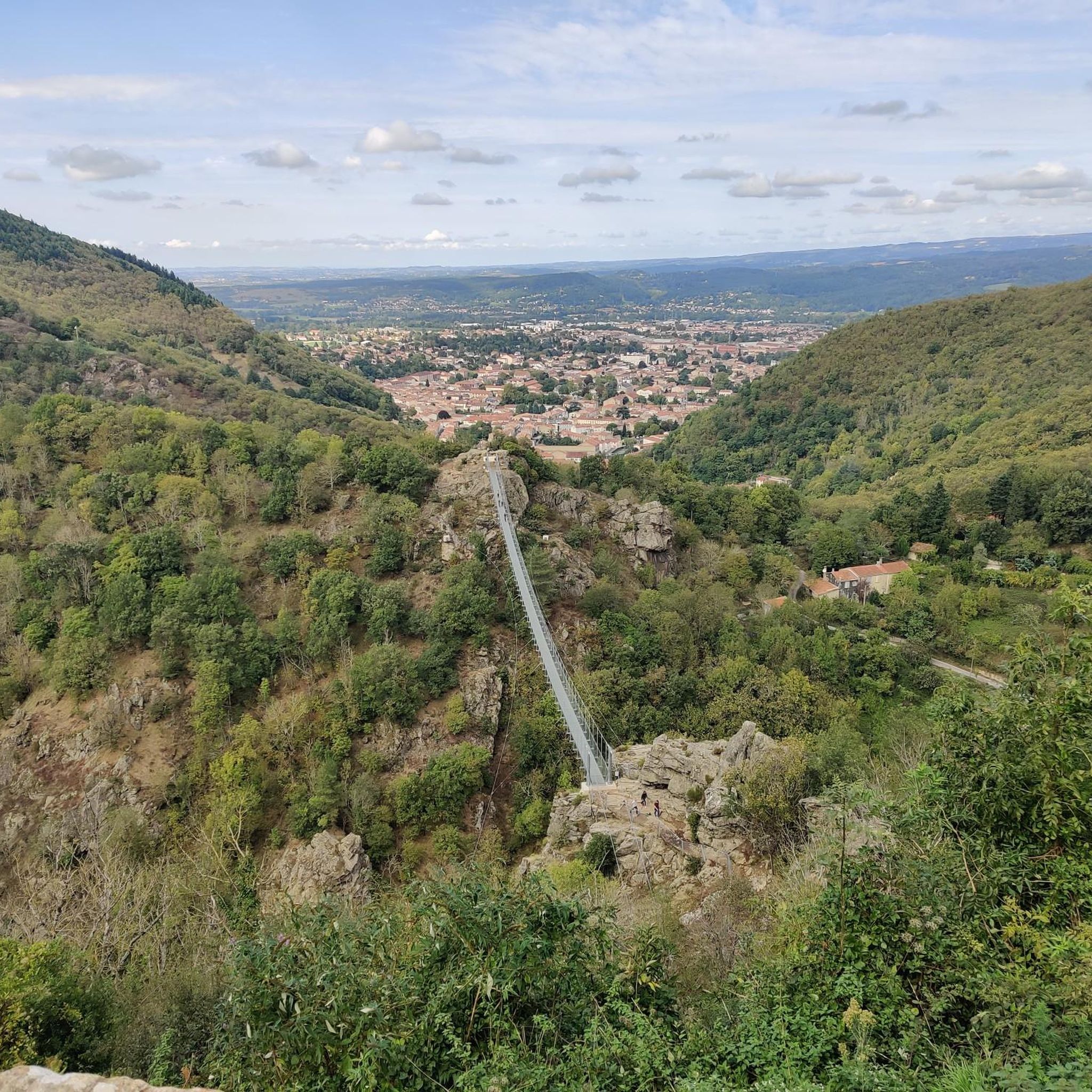
La Passerelle de Mazamet
Highlight • Bridge
Translated by Google •
Tip by

Cubserviès Waterfall
Highlight • Waterfall
Translated by Google •
Tip by

Sign up now to discover places like this
Get recommendations on the best single tracks, peaks, & plenty of other exciting outdoor places.
Sign up for free
Castres
Highlight • Settlement
Translated by Google •
Tip by

Alzeau Water Intake
Highlight • Monument
Translated by Google •
Tip by

Mazamet
Highlight • Settlement
Translated by Google •
Tip by

Sign up for free to discover even more attractions around Labruguière.
Sign up for free
Already have an account?
Start today with a free account
Your next adventure awaits.
Login or Signup

Tips from the Community

The Alzeau dam (or d'Alzau[1]), located in the commune of Arfons, in the Tarn[2], is the starting point of the rigole de la Montagne, which then feeds the Canal du Midi. It is located on the border with the Aude department, and is accessible via the commune of Lacombe. (Wikipedia)
0
0

Very physical but worth it. We didn't go as far as the Hautpaul building.
0
0


Great suspension bridge - fun for young and old 😊
1
0


At 90 meters high, it is the highest waterfall in the Aude department. For a bird's eye view of the fall, you have to go to the hamlet of Cubserviès. There is no access to the foot of the waterfall.
0
0

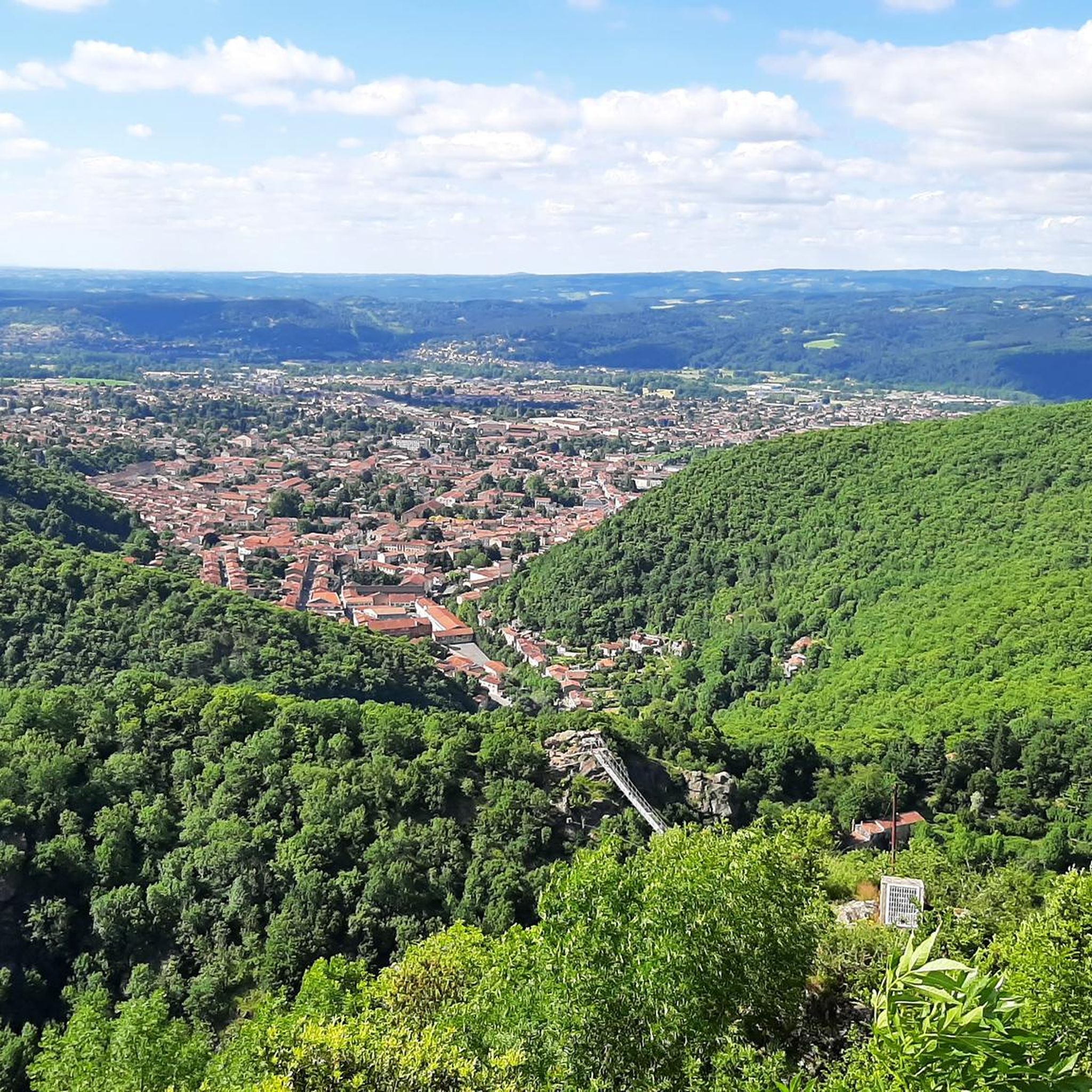
a short hike accessible to all which passes by the ruins of St Sauveur, the belvedere after the ruins, the Mazamet footbridge to visit the town of Hautpoul as well as the virgin rock which dominates the site
2
0
Frequently Asked Questions
What historical sites can I explore in Labruguière?
Labruguière boasts a rich medieval heritage. You can explore the town's distinctly round medieval center, which features a 13th-century hall and remnants of its fortified gates. Other significant historical sites include the Church of Saint-Thyrs and the Château de Labruguière, which has origins dating back to the 10th century and features a round tower listed as a historical monument. The Ancienne Halle (Old Market Hall) from the 13th century also stands as a testament to the town's past.
Are there any unique natural features to discover near Labruguière?
Yes, the region offers several impressive natural features. The Cubserviès Waterfall, though not directly in Labruguière, is a multi-level waterfall with a total height of 90 meters, offering an impressive 45-meter drop visible from a belvedere. Another natural highlight is the Mougnès Waterfall, located near the Baylou Chapel.
What cultural attractions are available in Labruguière?
Labruguière offers cultural insights, particularly at the Arthur Batut Photographic Space (Musée Arthur Batut). This museum is dedicated to local resident Arthur Batut, who invented aerial photography using a kite in 1888, showcasing his work, equipment, and archives, alongside contemporary photography exhibitions.
What do visitors particularly enjoy about the attractions around Labruguière?
Visitors frequently praise the unique experiences offered by the region's attractions. The La Passerelle de Mazamet is highlighted for its impressive length and height, offering a thrilling walk and scenic views. The Cubserviès Waterfall is appreciated for its natural beauty and the stunning views from the belvedere. The nearby city of Castres is loved for its colorful houses along the Agoût river, often described as 'little Venice'.
What are some notable towns or cities to visit near Labruguière?
Several charming towns and cities are within a short drive. Castres, just 7 km away, features colorful houses along the Agoût river, the Bishop's Garden, and the Goya Museum. Soreze, 18 km away, is known for its historic abbey-school and ancient half-timbered houses. Lautrec, 21 km away, is recognized as one of France's 'Most Beautiful Villages'.
Are there family-friendly attractions around Labruguière?
Yes, the region offers attractions suitable for families. The city of Castres is considered family-friendly, with its pleasant town center and the Goya Museum. The La Passerelle de Mazamet is also a popular and accessible short hike for all ages.
Are there any wheelchair-accessible attractions in the area?
The town of Mazamet, located at the foot of the Montagne Noire, is noted for having wheelchair-accessible facilities, making it a good option for visitors with mobility needs.
What is the best time of year to visit Labruguière's attractions?
The region around Labruguière offers diverse landscapes and activities that can be enjoyed throughout the year. For outdoor activities like hiking and exploring natural features, spring and autumn generally provide pleasant weather. Summer is ideal for enjoying the natural coolness of the forests, especially around the Cubserviès Waterfall, which is surrounded by thickets of chestnut trees and young forests.
How much time should I allocate to visit the main attractions in Labruguière?
To fully appreciate the main attractions in Labruguière and its immediate surroundings, such as the medieval center, the Arthur Batut Photographic Space, and the local historical walking routes, a full day is recommended. If you plan to include nearby highlights like the La Passerelle de Mazamet, Cubserviès Waterfall, or a visit to Castres, consider dedicating two to three days to the area.
What outdoor activities can I do near these attractions?
The region around Labruguière is excellent for outdoor enthusiasts. You can find numerous hiking trails, such as the 'White path loop from Labruguière' or 'Laprade-Basse – Between FORESTS and BOGS'. For cycling, there are MTB trails like 'Descente La Roque 1' or 'Above Caunan'. Running enthusiasts can enjoy routes like 'Château d'Hauterive – Château du Causse loop'. You can find more details on these activities in the dedicated guides for hiking, MTB, and running around Labruguière.
Are there hiking trails near Labruguière's attractions?
Yes, there are several marked walking and hiking routes available. Within Labruguière, you can follow historical walking routes like the 'Parcours historique', 'Le sentier des Gaux', and 'Le Carbonéral'. For longer hikes, options include the 'White path loop from Labruguière' and the 'Panorama – Via Tolosana loop from Navès'. Explore more hiking options in the Hiking around Labruguière guide.
What is the general terrain like for outdoor activities in the Labruguière region?
The Labruguière region is characterized by diverse landscapes, offering a variety of terrain for outdoor activities. You'll find areas influenced by the Montagne Noire, the Causse de Caucalières-Labruguière, and the plain of Castrais. This means a mix of hilly, forested areas, and flatter sections, providing options for different difficulty levels in hiking, cycling, and running.
Most popular routes around Labruguière
Most popular attractions around Labruguière

Get inspired with the komoot mobile app


Explore more
Still not found the Highlight you’re looking for? See guides of the top attractions in other regions:
