The best running trails around Saint-Sauvant
4.1
(37)
1,867
runners
130
runs
Jogging routes around Saint-Sauvant traverse a landscape characterized by gentle hills and agricultural plains, often following quiet country roads and paths. The region features a mix of open fields and scattered woodlands, providing varied scenery for runners. Elevation changes are generally moderate, making many routes accessible for different fitness levels. The terrain is typical of the Charente-Maritime department, offering a tranquil setting for outdoor activity.
Best jogging routes around Saint-Sauvant
- The most popular jogging route is Church of Saint Sauvant loop from Saint-Césaire, a 5.5 miles (8.9 km) trail that takes 1 hour 4 minutes to complete, offering views of local landmarks.
- Another top favourite among local runners is Church of Saint Sauvant loop from Saint-Sauvant, a difficult 13.9 miles (22.4 km) path that explores the wider rural surroundings.
- Local runners also love the Out of the undergrowth – Saint-Césaire Church loop from Saint-Césaire, a 7.2 miles (11.6 km) trail leading through mixed agricultural land and small wooded sections, often completed in about 1 hour 22 minutes.
- Jogging around Saint-Sauvant is defined by rolling agricultural landscapes, quiet country lanes, and occasional wooded areas. The network offers options for easy, moderate, and difficult running, catering to various ability levels.
- The routes in Saint-Sauvant are highly rated by the komoot community with an average score of 4.2 stars from over 20 reviews. More than 1600 runners have used komoot to explore Saint-Sauvant's varied terrain.
Last updated: November 2, 2026
2.0
(1)
128
runners
8.94km
01:05
140m
140m
Moderate run. Good fitness required. Mostly paved surfaces.
5.0
(1)
107
runners
11.6km
01:22
180m
180m
Moderate run. Good fitness required. Mostly paved surfaces.

85
runners
22.5km
02:34
270m
270m
Hard run. Very good fitness required. Mostly paved surfaces.
10
runners
12.9km
01:32
200m
200m
Moderate run. Good fitness required. Mostly paved surfaces.
8
runners
12.1km
01:23
120m
120m
Moderate run. Good fitness required. Mostly paved surfaces.
Get access to more routes and recommendations from other explorers.
Already have an account?
Our route recommendations are based on thousands of hikes, rides, and runs completed by other people on komoot.
Start today with a free account
Your next adventure awaits.
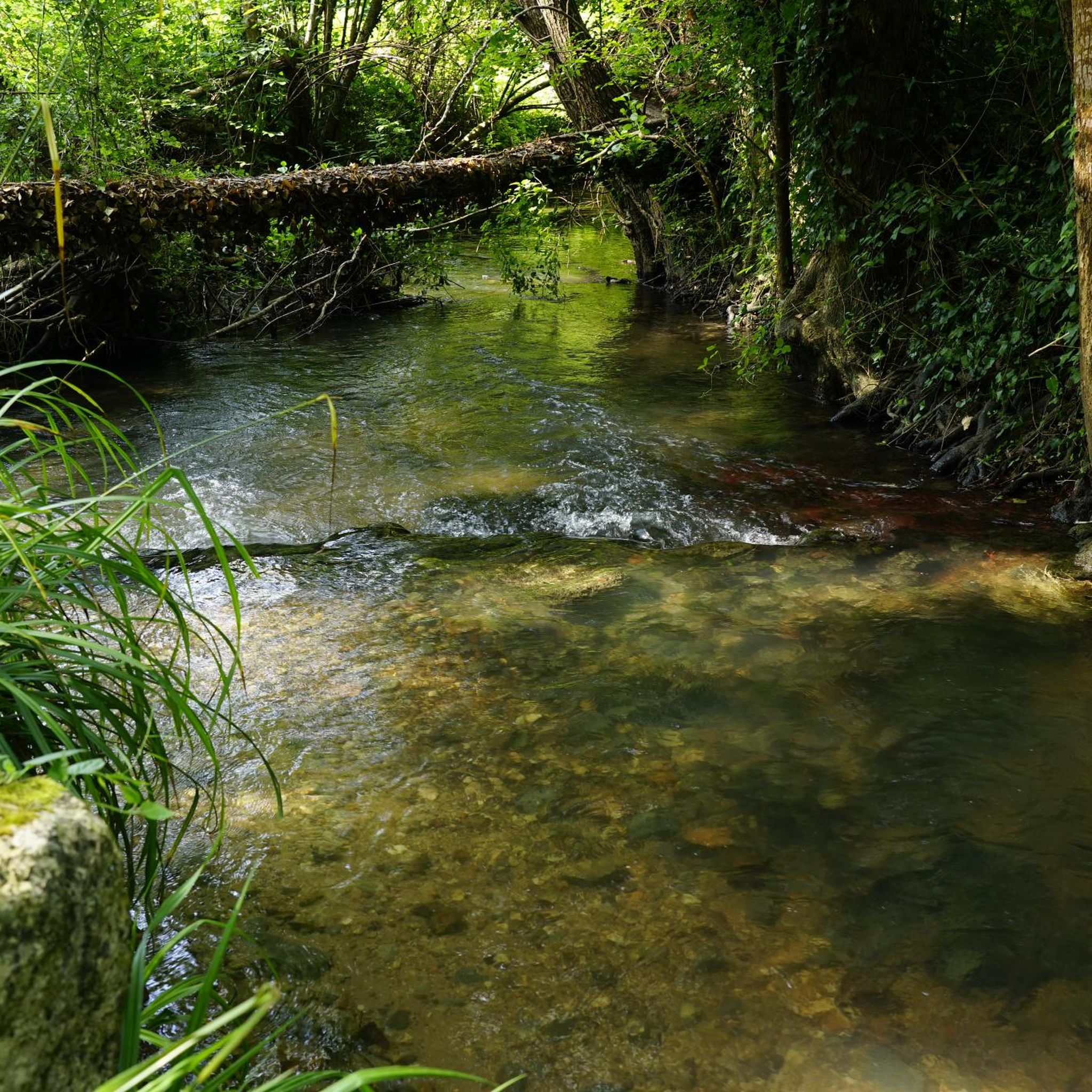

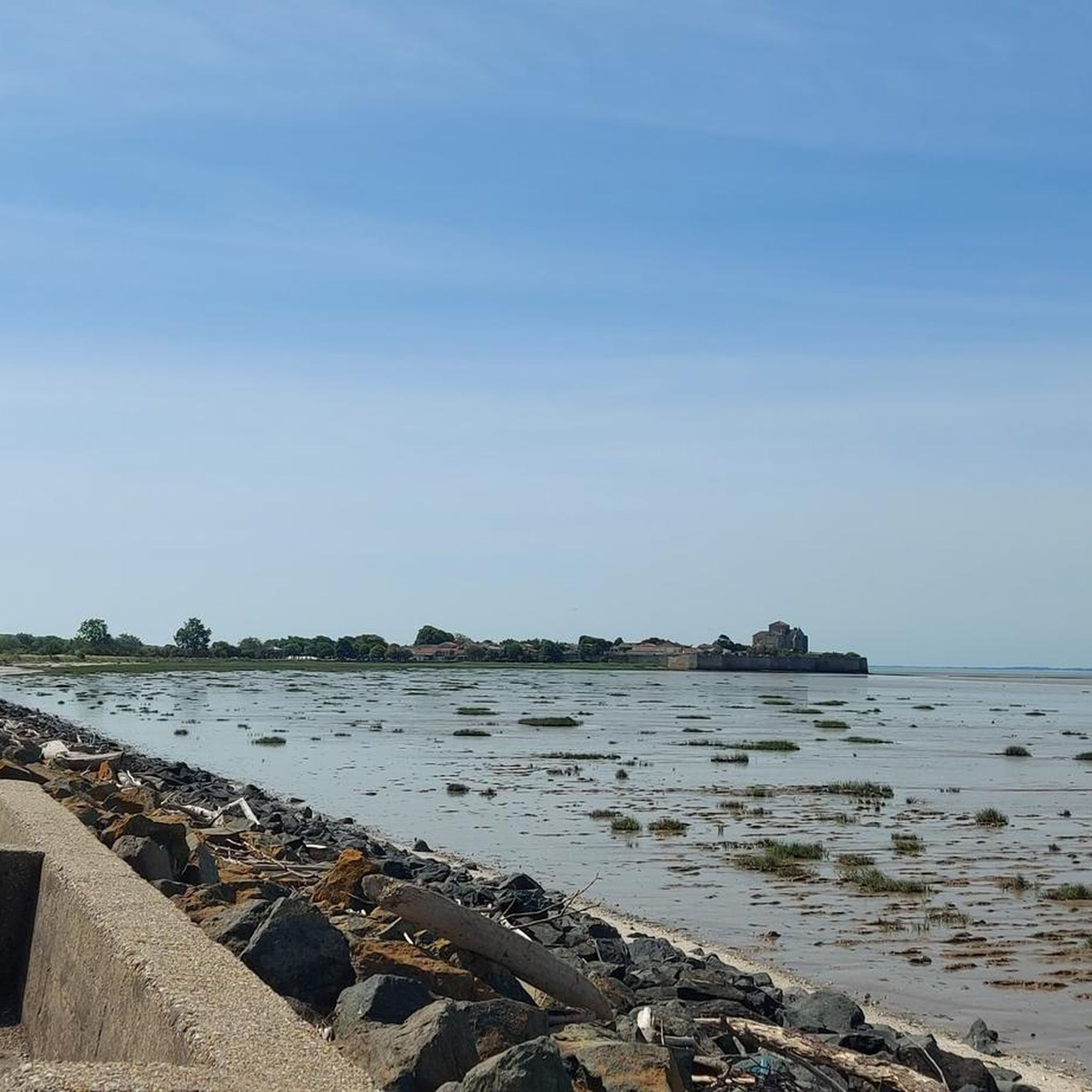

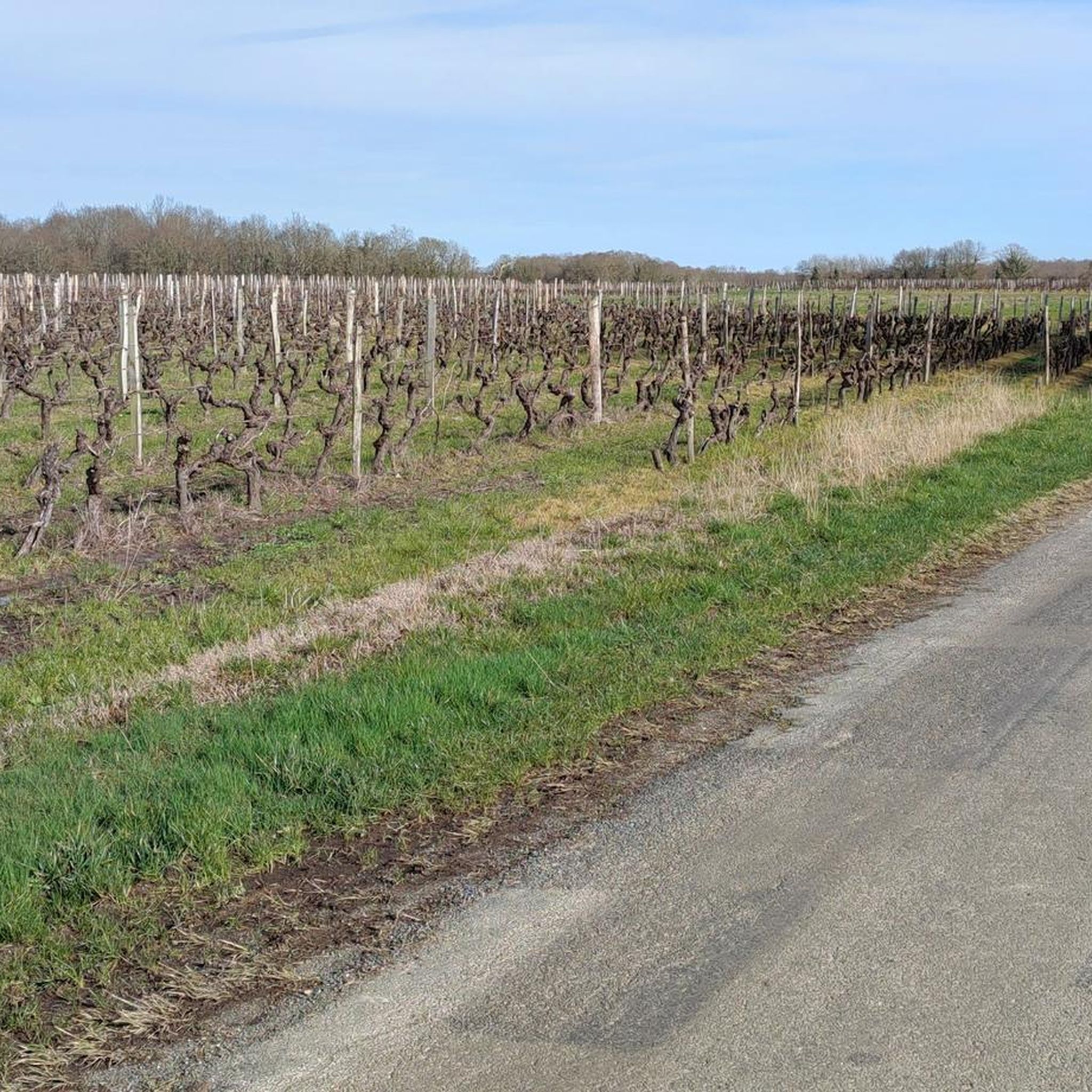
Tips from the Community

Magnificent We can also have a picnic
0
0

A must-see visit alongside this abbey on a magnificent circuit
0
0

A particularity is located in the gallery of arcature which overhangs the portal. Indeed it has three arched windows on one side of the central window and two semicircular on the other. Note that the two bays on the right occupy the same width as the three on the left. The bell tower, like many others in the region, has a pyramidal roof. Simple columns come to partition the two windows which cover each face. Inside the church, archival documents prove that the nave with two bays was originally vaulted with warheads. Unfortunately, this vault was destroyed during religious wars. Still according to archival documents, it would seem that at the beginning of the 20th century, a narthex, where the catechumens were held, leaned on its facade. Today, it has completely disappeared. The church was classified as a historic monument in 1913. The building underwent a complete restoration in 1935. To admire just next to the church a magnificent and majestic period residence.
0
0
The walls of the nave were doubled by means of arcades and it was endowed with a new chevet and a new bell tower. With an elegant silhouette and intact in its southern part, it is openworked with four twin bays on semicircular arches on two floors. The interior has a nave with three bays. A bay separates the nave from the front choir vaulted in blocks of rubble which, very narrow, supports the bell tower. The semi-circular apse is vaulted in cul-de-four. The 19th century side chapel, dedicated to Saint Anthony, is located on the left as you enter. Vaulted in a broken cradle, it has a stucco altar whose base has five broken arch bays. A very beautiful ornate wooden balcony dating from the end of the 19th century is located at the interior entrance of the church. The statue of Notre-Dame de Fontdouce, known as "the Virgin and Child" was sculpted by a monk from the Abbey of Fontdouce around the 15th century. It has been kept in the church of Saint Bris des Bois since the revolution and was once a destination of pilgrimage. On the back wall, a semicircular stained glass window indicates the names of the parish priest, Mr. Hague, and the mayor at the time, Mr. Lévécot (1904). The Priory of St Robert: the chapel destroyed during the wars of religion, the campanile is still in place. Saint Robert once had a great reputation, at the end of the 19th century, children suffering from certain illnesses were still brought there "before sunrise". The church was listed as a Historic Monument in 1973. To visit it you will have to pay your tribute just the price of a slight effort ....... the church is located at the top of the hill overlooking the village and adjoining the cemetery.
0
0
Towards the end of the 12th century, an abbey church was built. At the beginning of the 13th century, attached to the west of the first Romanesque abbey, a Gothic-style cloister was gradually built. The abbey reached its peak from this period: in addition to its priories (la Grainetière in Vendée and la Tenaille near Pons), it owned land within a radius of 100 km, including saltworks on the coast. In the 15th century, Fontdouce obtained the title of royal abbey leading to a profound change in its mode of administration: the abbot was no longer elected by his peers within the community but was appointed by the king. It is often a great layman to whom the king grants the commendation, that is to say 80% of the income of the abbey. Then, the wars of religion, in the 16th century, accelerated its decline. The abbey church is ransacked: it will never be rebuilt. The years following the French Revolution also brought their share of destruction: several buildings, including the refectory, disappeared. The last monks were driven out in 1793 and the following year the site was sold as National Property to serve as agricultural property. The farmer who bought the place then built, on the remains of the conventual buildings, a house in the First Empire style. In the 1820s, Fontdouce entered the family of the current owners who, on December 16, 1986, had the Gothic parts, chapter house and parlor classified as historical monuments2. From 1970, the current owners undertook a series of excavations intended for the restoration of the Abbey of Fontdouce. They are gradually bringing the beautiful chapter house and the Gothic parlor back to life, the two superimposed Romanesque chapels and several other remains. These restoration works earned them third prize in the masterpiece in danger competition in 1979. In 1986, the site was entirely classified as a Historic Monument1. Today, Fontdouce remains a private property, focused on tourist and cultural activities, supported in its development actions by a team of enthusiasts grouped together within the Association Guillaume de Conchamp.
1
0

nice walk through woods and fields
0
0
It was in the 12th century that the church of Saint Césaire was built. It is a Saintonge Romanesque style church.
0
1
This church dedicated to Saint Brice, bishop of Tours, disciple and successor of Saint Martin, is Romanesque in style. Its square tower with a pyramidal roof rises at the edge of the plateau at the foot of which flows the Koran. This building built in the 11th century in rubble was transformed in the 12th century.
0
0
Frequently Asked Questions
How many running routes are available around Saint-Sauvant?
There are over 140 running routes documented around Saint-Sauvant on komoot, offering a wide variety of options for different fitness levels and preferences.
What is the typical terrain like for running in Saint-Sauvant?
The terrain around Saint-Sauvant is characterized by gentle hills and agricultural plains. Runners can expect a mix of quiet country roads, paths through open fields, and scattered woodlands. Elevation changes are generally moderate, making most routes accessible.
Are there easy running routes suitable for beginners in Saint-Sauvant?
Yes, Saint-Sauvant offers several easy running routes. There are 14 routes specifically graded as easy, perfect for beginners or those looking for a relaxed run. These routes typically feature minimal elevation gain and well-maintained paths.
What are some longer, more challenging running options in the Saint-Sauvant area?
For experienced runners seeking a challenge, Saint-Sauvant has 18 difficult routes. One notable option is the Church of Saint Sauvant loop from Saint-Sauvant, which spans 13.9 miles (22.4 km) and explores the wider rural surroundings with significant elevation changes. Another demanding route is the Abbey of Saint-Bris-des-Bois – Saint-Césaire Church loop from Saint-Bris-des-Bois, covering over 33 miles (53 km).
What do other runners say about the trails in Saint-Sauvant?
The running routes in Saint-Sauvant are highly rated by the komoot community, with an average score of 4.2 stars from over 20 reviews. Runners often praise the tranquil setting, varied scenery, and the mix of open fields and wooded sections.
Are there any circular running routes in Saint-Sauvant?
Many of the running routes in Saint-Sauvant are circular, allowing you to start and finish at the same point. For example, the popular Church of Saint Sauvant loop from Saint-Césaire is a 5.5-mile (8.9 km) circular trail offering views of local landmarks.
What kind of sights or landmarks can I expect to see while running in Saint-Sauvant?
While running in Saint-Sauvant, you can encounter various historical and religious sites. Notable attractions include the Saint-Césaire Church and the Abbaye de Fontdouce. The routes often pass through charming rural landscapes typical of the Charente-Maritime department.
When is the best time of year to go running in Saint-Sauvant?
The Charente-Maritime region, including Saint-Sauvant, generally enjoys a mild climate. Spring and autumn offer pleasant temperatures for running, with lush greenery in spring and beautiful colors in autumn. Summer can be warm, so early morning or late evening runs are often preferred. Winters are typically mild but can be damp.
Are the running routes in Saint-Sauvant suitable for families?
Many of the easier and moderate routes with gentle terrain are suitable for families, especially those with older children. The quiet country roads and paths provide a safe environment. It's always recommended to check the specific route details for distance and elevation to ensure it matches your family's ability.
Can I bring my dog on the running trails in Saint-Sauvant?
While specific dog-friendly designations aren't always noted, many rural paths and country roads in the Saint-Sauvant area are generally suitable for running with dogs, provided they are kept under control. Always be mindful of agricultural land and local regulations regarding pets.
Are there any running routes that offer particularly scenic views or viewpoints?
The running routes around Saint-Sauvant traverse a landscape of rolling agricultural fields and scattered woodlands, providing picturesque rural scenery. While there aren't specific 'viewpoints' in the mountainous sense, routes like the Out of the undergrowth – Saint-Césaire Church loop from Saint-Césaire offer pleasant views across mixed agricultural land and small wooded sections.
Most popular routes around Saint-Sauvant
Most popular attractions around Saint-Sauvant

Get inspired with the komoot mobile app


Explore more
Browse the best Running Trails & Routes in other regions.
