Attractions and Places To See around Brassac - Top 7
Best attractions and places to see around Brassac include historical landmarks, natural features, and cultural sites within the Tarn department of France. Situated in the Haut-Languedoc Regional Natural Park along the Agout river, the town offers a blend of history and outdoor opportunities. Visitors can explore medieval castles, ancient bridges, and museums, alongside natural areas like the Sidobre granite massif and the Monts de Lacaune. This region provides a diverse landscape for exploration, from river activities to forest trails.
Best…
Last updated: May 17, 2026
Château de Beauville and viewpoint
Highlight • Castle
Translated by Google •
Tip by

Combebonnet Castle
Highlight • Castle
Translated by Google •
Tip by
Sign up now to discover places like this
Get recommendations on the best single tracks, peaks, & plenty of other exciting outdoor places.
Sign up for free
Beauville
Highlight • Other
Translated by Google •
Tip by

Roquecor
Highlight • Other
Translated by Google •
Tip by

Saint-Maurin Market Hall
Highlight • Monument
Translated by Google •
Tip by

Sign up for free to discover even more attractions around Brassac.
Sign up for free
Already have an account?
Start today with a free account
Your next adventure awaits.
Login or Signup
Tips from the Community

Saint-Maurin is located in the hollow of a green valley where the Escorneboeuf flows. To see: its half-timbered houses, its market hall, the remains of the Benedictine abbey from the 11th and 12th centuries and its abbey castle built in 1500.
0
0
The construction of Saint-Maurin Abbey dates from the end of the 11th century, following its affiliation with Moissac Abbey and the Benedictine order. This large monastic ensemble spread out to numerous surrounding churches and priories, as many possessions which showed its influence and importance within a radius of 20 kilometers. Ruined then restored several times during the Hundred Years' War and during the Wars of Religion, it was during the Revolution that the buildings were sold in batches. Today, you can still admire the choir of the old abbey church as well as two chapels, the cloister, the convent buildings, the abbey castle and its gardens.
0
0
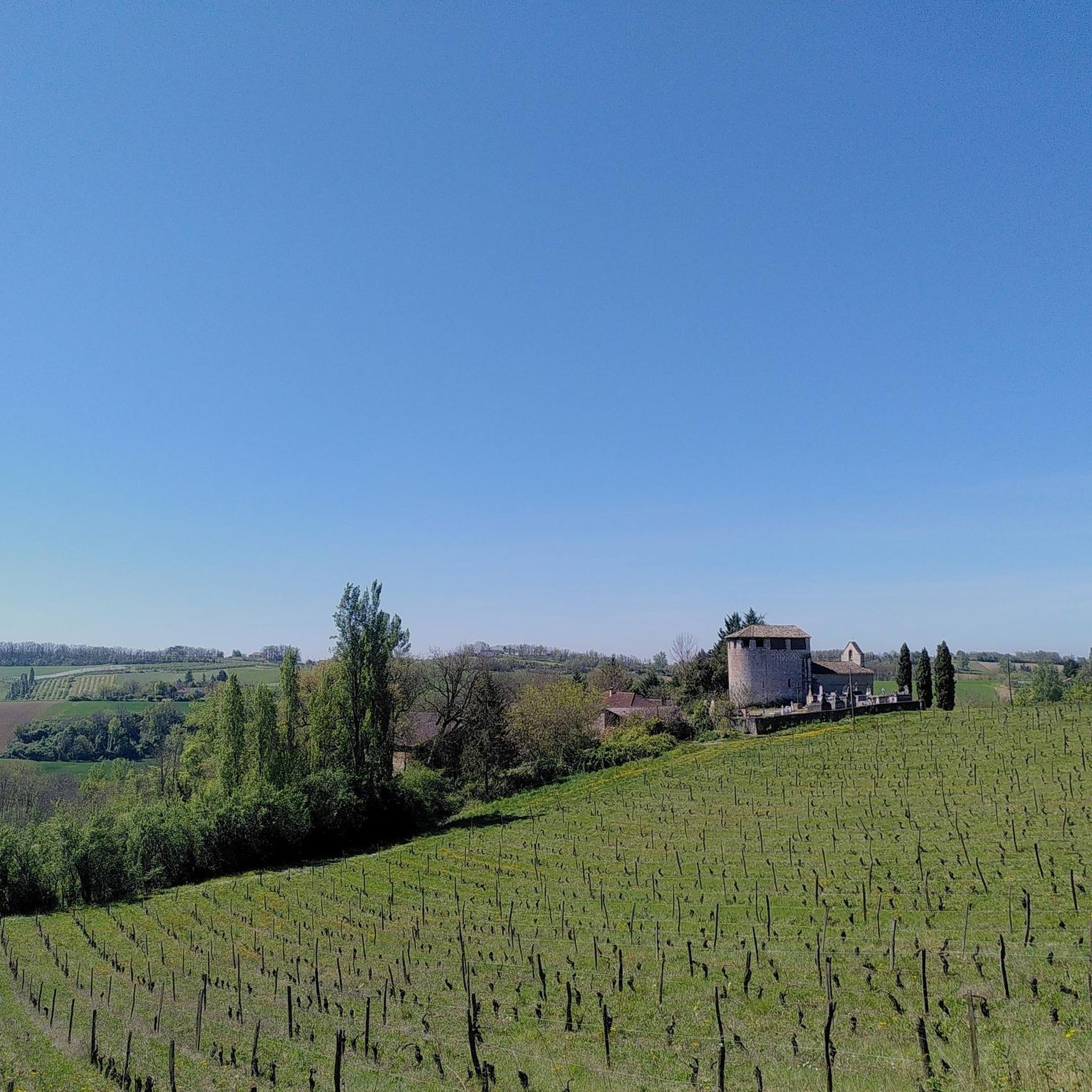
Overlooking the valley from its promontory, the town of Beauville seems to be one with the rock. To see: the corner square, surrounded by stone and half-timbered houses, the Saint-Jacques church, dating from the 14th century (with its Renaissance door and the bell tower-porch). It is said that during the Hundred Years' War, Beauville, formerly called Boville (city of the Ox), triumphantly resisted the attacks of the English.
0
0
Old fortified castle, located on a rocky promontory, defending the village of Beauville. It is made up of thick surrounding walls, a protective half-moon. The foundations and bases date from the end of the 13th century. About half of the building dates from the 16th century (mullioned windows). The Renaissance architecture is present in the front door and the fireplaces. Finally, a wing of the building was rebuilt in the 19th century. From 1831 to 1976, the building served as a gendarmerie barracks. Private castle. Can only be seen from the outside. By the way, don't forget to enjoy the beautiful views outside from this high vantage point.
0
0
Combebonnet would have originally been the center of a rural exploitation. To defend it, its owner would have built a small fortress. The original castle had the shape of a right triangle whose east and west angles were topped with cantilevered watchtowers. Two of the sides were naturally fortified. At the end of the 13th or beginning of the 14th century, a square tower armed with cross pattée loopholes was added to the north corner. The castle was remodeled and enlarged at the end of the 15th or beginning of the 16th century. It was perhaps at this time that buildings, now demolished, were attached to the east, and a chapel was built as well as the enclosure which defended some houses. In the 17th century, the castle was extended on the north side. The two semi-circular portals decorated with columns, giving access to the courtyard, date from this period. To the west stands a chapel with a flat apse.
0
0

Chateau de Beauville, beautiful but quiet village in the Dordogne
0
0

Beauville Castle was a fortified castle built around the 13th century. What you see today was mostly built in the 16th century. It was used as a Gendarmerie barracks from 1831 to 1976. By the way, don't forget to appreciate the beautiful views outside from this high vantage point.
3
0
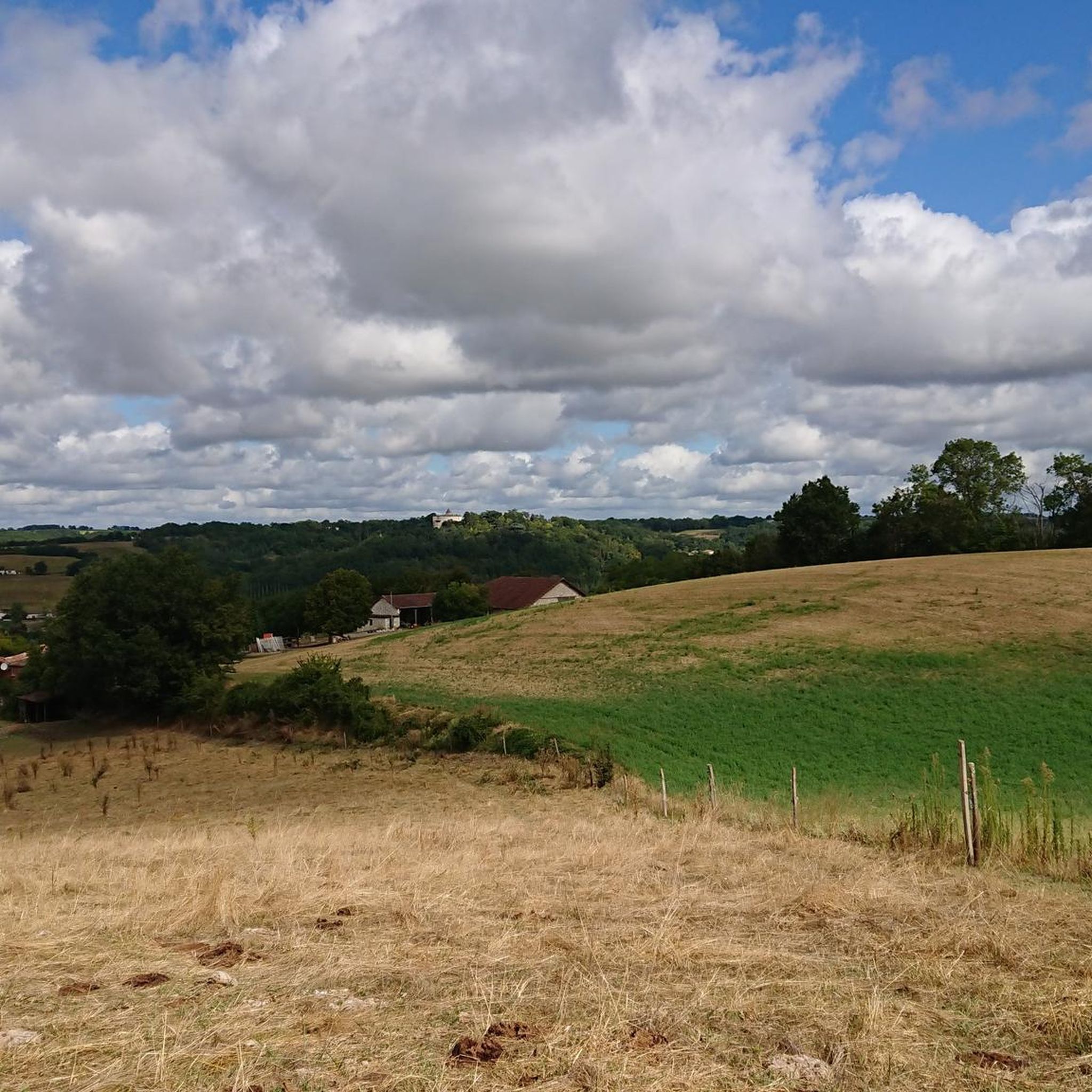
The first mention of this castle dates from around 1350. It dominates a deep valley and is visible from the east and south. It is not known exactly why, but in 1790 local troublemakers threatened to burn the castle, but the villagers came to its aid.
3
0
Frequently Asked Questions
What historical landmarks can I explore in Brassac?
Brassac is rich in history. You can visit the ancient Old Bridge (Pont Vieux), a 12th-century pedestrian bridge, and the unique Two Castles, one on each bank of the Agout river, reflecting the town's past during the Wars of Religion. The Church of Saint-Georges is another notable site. For a broader historical perspective, consider following the Guided Town Trail available from the Tourist Information Office.
Are there any castles to visit around Brassac?
Yes, the area around Brassac features several historical castles. You can see the Two Castles within Brassac itself. Further afield, explore Château de Beauville and viewpoint, a 16th-century castle offering beautiful views, and Combebonnet Castle, first mentioned around 1350 and dominating a deep valley.
What natural attractions are there near Brassac?
Brassac is nestled in the Haut-Languedoc Regional Natural Park, offering diverse natural beauty. The Agout River flows through the town, and nearby you'll find the Sidobre Region, Europe's largest granite massif known for its unique rock formations. To the east, the Monts de Lacaune feature three large man-made lakes, including Lake Laouzas, which is well-developed for visitors. The Montagnol Forest and the Path of the Canroute Tower Nature Reserve also offer opportunities to connect with nature.
What cultural sites can I visit in Brassac?
Brassac offers a few cultural highlights. The Musée de la Vannerie (Basketry Museum), located near the town hall, showcases a collection of over 300 basketry objects. You can also visit Espace Jael De Romano, a cultural center, and Le Moulin de Record, a former hydraulic oil and grain mill museum located nearby in Le Bez.
Are there opportunities for outdoor activities like hiking or cycling near Brassac?
Absolutely! The 'Pays Brassagais' is a paradise for outdoor enthusiasts, boasting 250 km of marked trails. You can enjoy hiking, mountain biking, and horseback riding. The Agout River also provides opportunities for trout fishing and canoeing. For specific routes, check out the hiking, cycling, and MTB guides for the area.
Where can I go hiking around Brassac?
There are numerous hiking trails around Brassac. Popular options include 'The Château de Beauville – loop' (easy, 5.4 km) and 'Engayrac and the Gandaille Valley Trail' (moderate, 13.7 km). For more routes and detailed information, explore the hiking guide for Brassac.
Are there cycling routes available near Brassac?
Yes, the region offers a variety of cycling routes. You can try the 'Séoune Valley Loop' (difficult, 53.3 km) or the shorter 'Abbaye de Saint-Maurin Circuit' (easy, 9.6 km). Find more options and details in the cycling guide for Brassac.
What about mountain biking trails near Brassac?
Mountain biking enthusiasts will find several trails. Consider the 'What to do after the rain – Viewpoint loop' (moderate, 45 km) or the 'Montaigu de Quercy loop from Quercy blanc' (moderate, 47.1 km). For a comprehensive list of trails, refer to the MTB Trails guide around Brassac.
Are there family-friendly attractions around Brassac?
Yes, the area offers attractions suitable for families. The Saint-Maurin Market Hall is a historical site that can be interesting for all ages. Additionally, the natural features like the Agout River for canoeing or the marked paths in the Sidobre Region can be enjoyable for families who love the outdoors.
What is the best time to visit Brassac?
Brassac is appealing throughout the year, but the first week of August is particularly lively due to its five-day annual festival. For outdoor activities like hiking and cycling, spring and autumn offer pleasant temperatures. Summer is ideal for river activities and exploring the lakes in the Monts de Lacaune.
What do visitors enjoy the most about Brassac and its surroundings?
Visitors appreciate the blend of historical charm and natural beauty. The ancient structures like the Old Bridge and the Two Castles offer a glimpse into the past, while the stunning landscapes of the Haut-Languedoc Regional Natural Park, the unique rock formations of the Sidobre, and the numerous outdoor activity options are highly valued. The charming village of Beauville, with its stone and half-timbered houses, is also a favorite.
Can I find a charming village to explore near Brassac?
Yes, the charming village of Beauville is perched high on a ridge, offering picturesque views. It features a corner square with stone and half-timbered houses and the 14th-century Saint-Jacques church. It's a great spot to experience local architecture and history.

Get inspired with the komoot mobile app


Explore more
Still not found the Highlight you’re looking for? See guides of the top attractions in other regions:
