The best road cycling routes around Saint-Manvieu-Bocage
4.4
(28)
1,083
riders
275
rides
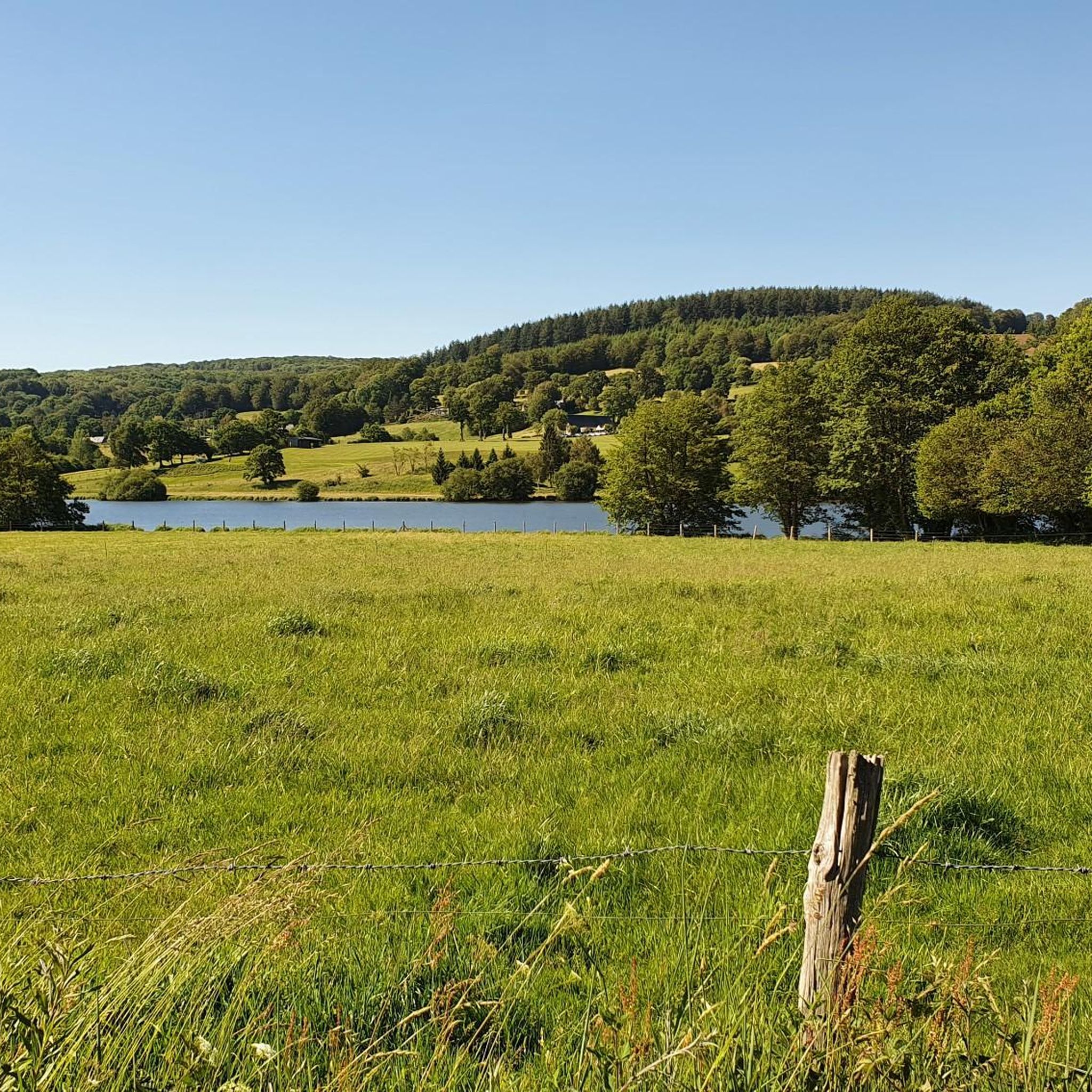
Road cycling routes around Saint-Manvieu-Bocage are characterized by the undulating terrain of the Bocage Normand, featuring a dense network of hedgerows and sunken lanes. The region offers varied gradients across rolling hills, providing both challenging climbs and enjoyable descents. Natural features such as Lac de la Dathée and the nearby Forêt de Saint-Sever contribute to diverse cycling environments. Quiet country roads with smooth tarmac are common, ensuring a pleasant cycling experience.
Best road cycling routes around Saint-Manvieu-Bocage
- The most popular…
Last updated: May 4, 2026
3
riders
24.3km
01:09
330m
330m
Moderate road ride. Good fitness required. Mostly well-paved surfaces and easy to ride.
6
riders
36.2km
01:50
460m
460m
Moderate road ride. Good fitness required. Mostly well-paved surfaces and easy to ride.

Sign up for free
5
riders
71.9km
03:39
930m
920m
Hard road ride. Very good fitness required. Mostly well-paved surfaces and easy to ride.
4
riders
Moderate road ride. Good fitness required. Some segments of this route may be unpaved and difficult to ride.
5.0
(1)
3
riders
59.3km
02:53
770m
770m
Moderate road ride. Good fitness required. Some segments of this route may be unpaved and difficult to ride.
Get access to more routes and recommendations from other explorers.
Sign up for free
Already have an account?
Our route recommendations are based on thousands of hikes, rides, and runs completed by other people on komoot.
Start today with a free account
Your next adventure awaits.
Login or Signup


Tips from the Community


Amazing clock tower. According to the info sign the 'twin towers' are from the 12th C and the Belfry was added at the end of the 15th C. So a very historic spot. The small square in front of the tower is peaceful and hassle-free Use one of the many clean public benches as a base to enjoy your picnic. Afterwards go to the small cafe on the corner, order and pay for your coffee and they will bring it out to your table (a slight upgrade from the bench!). I discreetly ate a clafoutis de cerise with the coffee, and no-one objected.
0
0

The Vire Museum is also called the Vire Normandy Museum. As this second name indicates, it allows you to know more about Normandy, and this from different aspects. The museum protects an important collection of archaeological, artistic (covering decorative arts and fine arts), ethnographic, industrial, gastronomic, textile and botanical objects.
0
0

The abbey church is Gothic in style and was built in the 13th century. It has been classified as a historic monument since 1881, and is considered to be one of the most beautiful works of religious architecture in the Bocage Normand.
0
0

The Porte Horloge de Vire is an impressive wicket tower built in the 13th century as part of the city's fortifications and topped with a clock gifted by King Louis XI in the 15th century. You can admire the architecture and the statue of the Virgin Mary, believed to protect the city, as well as the exhibitions held inside the tower during the summer. La Porte Horloge is located in the center of the city and is easily accessible by bike.
2
0

he cave of Bion is a place of pilgrimage located in the commune of Sainte-Marie-Outre-L’eau. Around 1830, two workers from Pont-Farcy, whose initials are only known (M.L and M.B), placed a statuette of the Virgin in the hollow of an old oak tree at a place called Bion. Unfortunately the oak fell in 1917. The statue was restored in 1925. In 1932, a grotto intended to house the statue of the Virgin was built on the model of Lourdes. The first cave is destroyed and rebuilt, the consecration takes place on May 2, 1937, in front of 3000 faithful. In 1946, a chapel was erected above the cave. For a long time two pilgrimages took place each year, on May 2 and September 8. Today, the pilgrimage takes place at the Assumption on August 15.
0
1
The cave of Bion is a place of pilgrimage located in the commune of Sainte-Marie-Outre-L'eau. Around 1830, two workers from Pont-Farcy, whose initials are only known (M.L and M.B), placed a statuette of the Virgin in the hollow of an old oak tree at a place called Bion. Unfortunately the oak fell in 1917. The statue was restored in 1925. In 1932, a grotto intended to house the statue of the Virgin was built on the model of Lourdes. The first cave is destroyed and rebuilt, the consecration takes place on May 2, 1937, in front of 3000 faithful. In 1946, a chapel was erected above the cave. For a long time two pilgrimages took place each year, on May 2 and September 8. Today, the pilgrimage takes place at the Assumption on August 15.
1
0

In neo-Gothic style, it was consecrated in 1888. It houses, among other things, a very ornate granite stoup and a 15th century pieta.
0
0
Frequently Asked Questions
What kind of terrain can I expect when road cycling around Saint-Manvieu-Bocage?
The region is characterized by the undulating terrain of the Bocage Normand, featuring rolling hills, dense hedgerows, and sunken lanes. This provides varied gradients, offering both challenging climbs and enjoyable descents. You'll find quiet country roads with smooth tarmac, making for a pleasant cycling experience through preserved Calvados countryside.
Are there challenging road cycling routes for experienced riders?
Yes, Saint-Manvieu-Bocage offers routes with significant elevation changes suitable for experienced cyclists. For instance, the Saint-Sever Granite Country Loop is a difficult 58 km route with over 900 meters of elevation gain, traversing the distinctive granite country. The broader 'La Verdoyante' cycling route, which passes through the area, is also known for its demanding sections.
Are there any easy or beginner-friendly road cycling routes?
While the region is known for its rolling hills, there are options for less experienced riders. The area features a mix of greenways, bike paths, and quiet secondary roads. You can find moderate routes like the Tour d'Horloge – Vire Municipal Museum loop from Vire, which is 29.3 km with around 300 meters of elevation, offering a scenic and manageable ride.
What natural features or landmarks can I see along the road cycling routes?
Many routes will take you through the picturesque Bocage Normand landscape. You can cycle past Lac de la Dathée, which is also an ornithological reserve and offers a bike repair station. The nearby Forêt de Saint-Sever provides forested trails, and you might encounter other natural highlights like Lac du Gast or Étang de Coulanges.
Are there any circular road cycling routes in the area?
Yes, many routes are designed as loops. A popular option is the Tour d'Horloge loop from Vire, a moderate 51.6 km path. Another great circular route is the Lake Dathée – Vire Municipal Museum loop from Saint-Manvieu-Bocage, which is 43.5 km and takes you past the scenic lake.
What is the best time of year to go road cycling in Saint-Manvieu-Bocage?
The region generally offers good road cycling conditions, with spring and autumn often being ideal due to milder temperatures and beautiful scenery. Summer can also be pleasant, though it's advisable to start earlier in the day to avoid the midday heat. The varied terrain and sheltered lanes of the Bocage Normand can provide enjoyable rides across different seasons.
Is Saint-Manvieu-Bocage part of any larger cycling routes?
Yes, Saint-Manvieu-Bocage is an integral part of 'La Verdoyante,' a newly established 200 km cycling route that traverses the southern Calvados region. This route connects Saint-Sever-Calvados to Lisieux and immerses cyclists in the preserved Calvados countryside, including the Bocage Normand and Suisse Normande. Saint-Manvieu-Bocage offers a welcome 'relaxing break' along this extensive route.
What do other road cyclists say about the routes in Saint-Manvieu-Bocage?
The road cycling routes around Saint-Manvieu-Bocage are highly rated by the komoot community, with an average score of 4.3 stars from over 20 reviews. More than 1,000 road cyclists have used komoot to explore the area, often praising the varied terrain, quiet country roads, and scenic views of the Bocage Normand.
Are there any specific points of interest or historical sites to visit while cycling?
Beyond the natural beauty, you can explore charming settlements like Saint-Michel-de-Montjoie. For a glimpse into local history, consider visiting the Motte Castrale and Étang du Vieux Château. The routes often pass through traditional villages, offering opportunities to experience the local culture.
Where can I find information about parking or public transport for cyclists?
While specific parking details for each route vary, Vire Normandie, often described as the 'capital of Bocage Normand' and a hub for cycling routes, is a good starting point. Many routes begin or pass through towns where parking is available. For more detailed information on the broader 'La Verdoyante' route and its connection to Vire, you can consult resources like Pays de Vire Normandie Tourisme.
Are there any routes that offer particularly scenic viewpoints?
The entire Bocage Normand region is known for its picturesque, hedgerowed landscapes and rolling hills, offering numerous scenic vistas. Routes that traverse higher ground or pass by lakes like Lac de la Dathée often provide beautiful viewpoints over the water and surrounding countryside. The varied terrain ensures a constantly changing and engaging visual experience.
Most popular routes around Saint-Manvieu-Bocage
Most popular attractions around Saint-Manvieu-Bocage

Get inspired with the komoot mobile app


Explore more
Browse the best Road cycling routes in other regions.
