The best walks and hikes around Tirent-Pontéjac
4.7
(63)
298
hikers
22
hikes
Hiking around Tirent-Pontéjac offers routes through the gently undulating landscapes of the Gers department. The region is characterized by rolling hills, agricultural plains, and scattered woodlands, providing varied scenery for outdoor activities. Trails often follow quiet country lanes and paths through fields, with moderate elevation changes.
Best hiking trails in Tirent-Pontéjac
- The most popular hiking route is The path of Hourontan — loop from Castelnau-Barbarens, a 6.4 miles (10.3 km) trail that takes 2 hours 50 minutes to complete,…
Last updated: May 6, 2026
4.5
(2)
13
hikers
10.3km
02:50
170m
160m
Moderate hike. Good fitness required. Easily-accessible paths. Suitable for all skill levels.
5.0
(1)
10
hikers
3.66km
00:59
40m
40m
Easy hike. Great for any fitness level. Easily-accessible paths. Suitable for all skill levels.

Sign up for free
4.2
(5)
20
hikers
12.1km
03:15
150m
150m
Moderate hike. Good fitness required. Easily-accessible paths. Suitable for all skill levels.
5.0
(2)
16
hikers
8.42km
02:20
140m
150m
Moderate hike. Good fitness required. Easily-accessible paths. Suitable for all skill levels.
5.0
(3)
14
hikers
9.34km
02:31
120m
120m
Moderate hike. Good fitness required. Easily-accessible paths. Suitable for all skill levels.
Get access to more routes and recommendations from other explorers.
Sign up for free
Already have an account?
Our route recommendations are based on thousands of hikes, rides, and runs completed by other people on komoot.
Start today with a free account
Your next adventure awaits.
Login or Signup



Tips from the Community

Saint Nicholas (Saint NICOLAS), bishop of Myra, to whom the church in Castelnau-Barbarens is dedicated, is – along with Saint Martin – one of the most popular saints of all. Almost every child in Germany - and far beyond - should know his commemoration day, December 6th. On the eve of this day, the children used to put their shoes or boots in front of the door – which of course had to be cleaned with great care – so that they could be filled with gifts by St. Nicholas during the night. In more agricultural areas, it was also customary for the children to provide a small amount of food for the donkey, St Nicholas' riding animal (according to another tradition, it was a white horse).
1
0

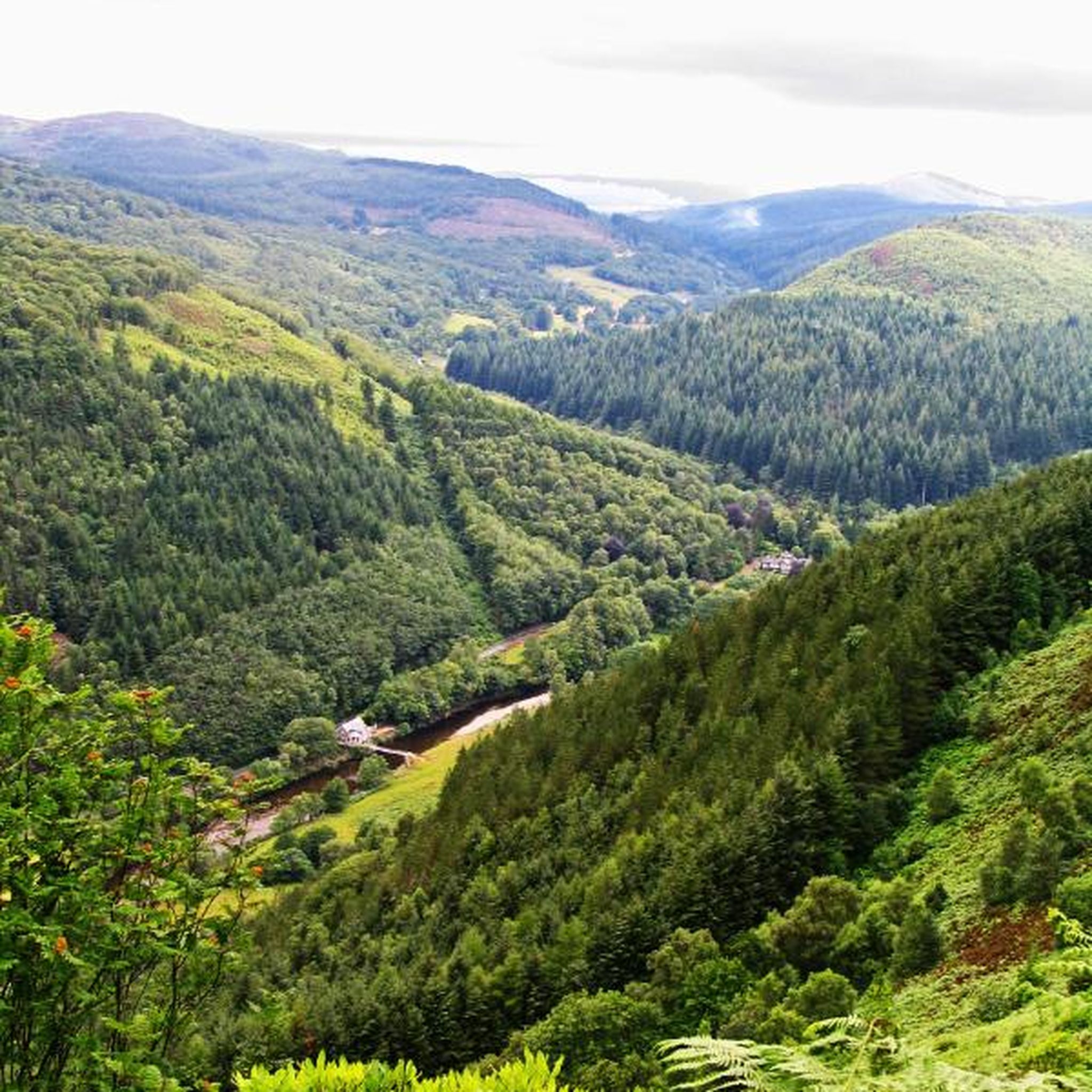
At this point in the road, the view opens up and you can see very far. A real treat.
2
1

It is actually a work of art by Japanese artist Suzuki. The work was erected in 2013. The artist was born on March 5, 1956. He graduated from the Tokyo School of Fine Arts. He lives and works in Ermont, France. The man is known the world over for his "ephemeral" art produced in the great outdoors using natural materials found on site or recovered. He uses them to create his works, bringing out the character of them and their environment. His works have notably been produced in Japan, France, the Netherlands, and Greece. A tornado… in memory of the Klaus storm of 2009 which devastated 160 trees The production is called "Kazé" which means "wind" in Japanese. The sculpture of braided branches evokes a cyclone trapped in the forest. Light and majestic, it symbolizes all the strength and power of the wind. It is a memorial work, aiming to remember the terrible Klaus storm of January 24, 2009 which devastated more than 160 trees in this forest of St Elix. Since the materials are natural, the work gradually degrades over time. Seven years after her erection, she remains in generally stable condition. However, the degradation process will be the reason for this construction in the coming years. So the curious are invited to come and see her soon.
3
1

Monument in memory of the fighters of the First World War (1914-1918).
2
0
Monument of the village of Castelnau-Barbarens
2
1
Saint-Nicolas Church, open Monday-Sunday: 9:00 a.m. - 6:00 p.m.
1
0
Frequently Asked Questions
How many hiking trails are available around Tirent-Pontéjac?
There are over 20 hiking routes available around Tirent-Pontéjac, offering a variety of experiences through the region's rolling hills and agricultural landscapes.
Are there easy hiking trails suitable for beginners or families in Tirent-Pontéjac?
Yes, Tirent-Pontéjac features 6 easy hiking routes, perfect for beginners or families. An excellent option is the Sentier Dessin du Kazé — loop from Saint-Élix, a gentle 2.3-mile (3.7 km) path through local scenery.
Can I find circular hiking routes in Tirent-Pontéjac?
Many of the hiking routes around Tirent-Pontéjac are circular, allowing you to start and end at the same point. Examples include The path of Hourontan — loop from Castelnau-Barbarens and the Land Art Sculpture loop from Saramon.
What is the typical length and duration of hikes in Tirent-Pontéjac?
Hikes in Tirent-Pontéjac vary in length and duration. You can find shorter walks like the 2.3-mile (3.7 km) Sentier Dessin du Kazé, which takes about an hour, to longer routes such as the 7.5-mile (12.1 km) Land Art Sculpture loop, typically completed in just over three hours.
Are dogs allowed on the hiking trails in Tirent-Pontéjac?
Generally, dogs are welcome on the hiking trails around Tirent-Pontéjac. However, it's always recommended to keep them on a leash, especially when passing through agricultural fields or near livestock, to ensure safety and respect for local farmers.
What interesting places can I explore near the hiking trails in Tirent-Pontéjac?
The region offers several points of interest. You can visit the historic village of Simorre, see the unique Kazé artwork by Teruhisa Suzuki, or explore the 13th Century Tower of Castelnau-Barbarens. These attractions provide cultural and historical context to your outdoor adventures.
When is the best time of year to go hiking in Tirent-Pontéjac?
The best times for hiking in Tirent-Pontéjac are spring (April to June) and autumn (September to October). During these seasons, the weather is typically mild and pleasant, and the landscapes are vibrant with spring blooms or autumn colors. Summers can be hot, making early morning or late afternoon hikes preferable.
Is parking available at the trailheads in Tirent-Pontéjac?
Given the rural nature of Tirent-Pontéjac and its surrounding villages, parking is generally available near the starting points of most trails, often in village squares or designated small parking areas. It's advisable to check specific route details for precise parking information.
How accessible are the hiking trails in Tirent-Pontéjac by public transport?
Tirent-Pontéjac is a rural area, and public transport options to trailheads are limited. While some regional bus services might connect larger towns, reaching specific hiking starting points often requires a car. Planning your trip with personal transport is recommended for maximum flexibility.
What do other hikers enjoy the most about hiking in Tirent-Pontéjac?
The hiking experience in Tirent-Pontéjac is highly rated by the komoot community, with an average score of 4.7 stars from over 60 reviews. Hikers often praise the tranquil rural countryside, the well-maintained paths through fields and woodlands, and the gentle, undulating terrain suitable for various fitness levels.
Are there any wheelchair-accessible hiking trails in Tirent-Pontéjac?
Due to the natural and often unpaved paths through rolling hills and agricultural land, most traditional hiking trails in Tirent-Pontéjac are not specifically designed for wheelchair accessibility. However, some paved sections within villages or along quiet country roads might be suitable for shorter, less strenuous outings.
Most popular attractions around Tirent-Pontéjac

Get inspired with the komoot mobile app


Explore more
Browse the best Hikes in other regions.
