The best walks and hikes around Wormhout
4.4
(863)
4,643
hikers
20
hikes
Hiking around Wormhout offers routes through the flat, rural landscape of northern France. The area is characterized by open fields, small villages, and historical sites, with minimal elevation changes. Trails often connect local landmarks such as churches and old mills, providing accessible paths for walkers. The terrain is generally gentle, making it suitable for a range of abilities.
Best hiking trails around Wormhout
- The most popular hiking route is Moulin Deschodt – Saint Martin Church loop from Wormhout, a…
Last updated: July 1, 2026
5.0
(1)
11
hikers
16.6km
04:13
40m
40m
Moderate hike. Good fitness required. Easily-accessible paths. Suitable for all skill levels.
4.0
(1)
10
hikers
9.13km
02:19
20m
30m
Moderate hike. Good fitness required. Easily-accessible paths. Suitable for all skill levels.

Sign up for free
2.5
(2)
20
hikers
7.02km
01:47
20m
20m
Easy hike. Great for any fitness level. Easily-accessible paths. Suitable for all skill levels.
4.0
(2)
6
hikers
5.32km
01:21
20m
10m
Easy hike. Great for any fitness level. Easily-accessible paths. Suitable for all skill levels.
3
hikers
8.78km
02:14
20m
20m
Moderate hike. Good fitness required. Easily-accessible paths. Suitable for all skill levels.
Get access to more routes and recommendations from other explorers.
Sign up for free
Already have an account?
Our route recommendations are based on thousands of hikes, rides, and runs completed by other people on komoot.
Start today with a free account
Your next adventure awaits.
Login or Signup
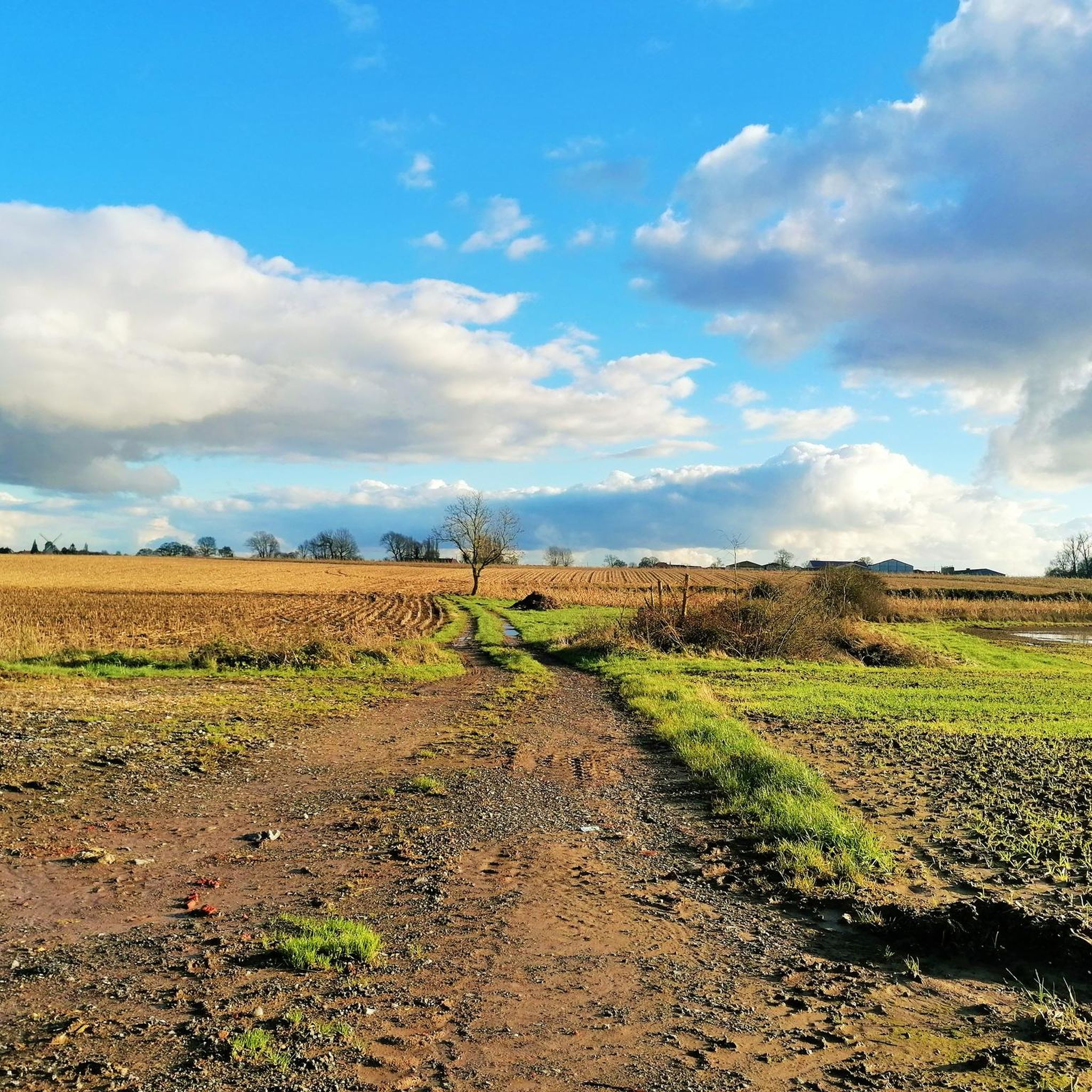
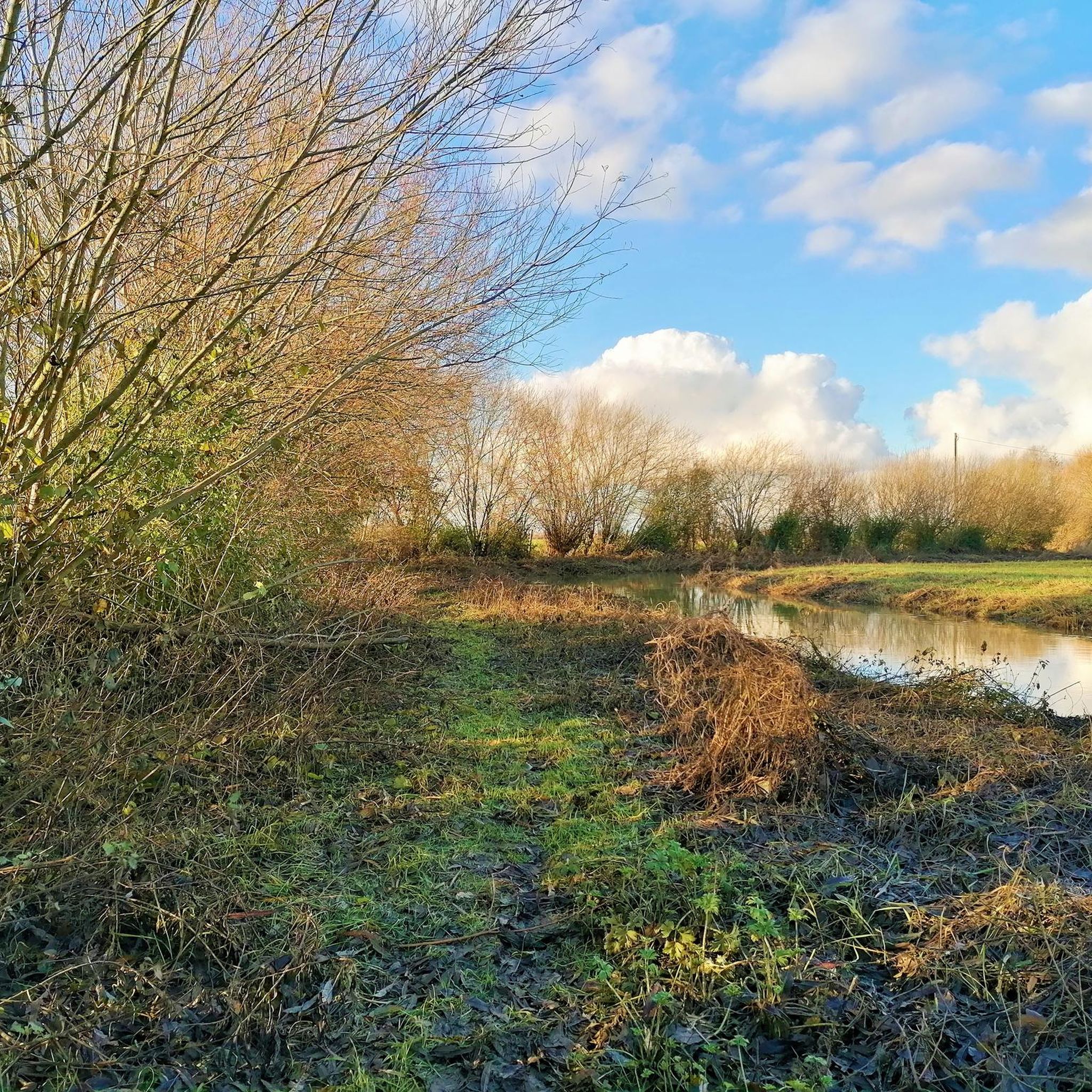
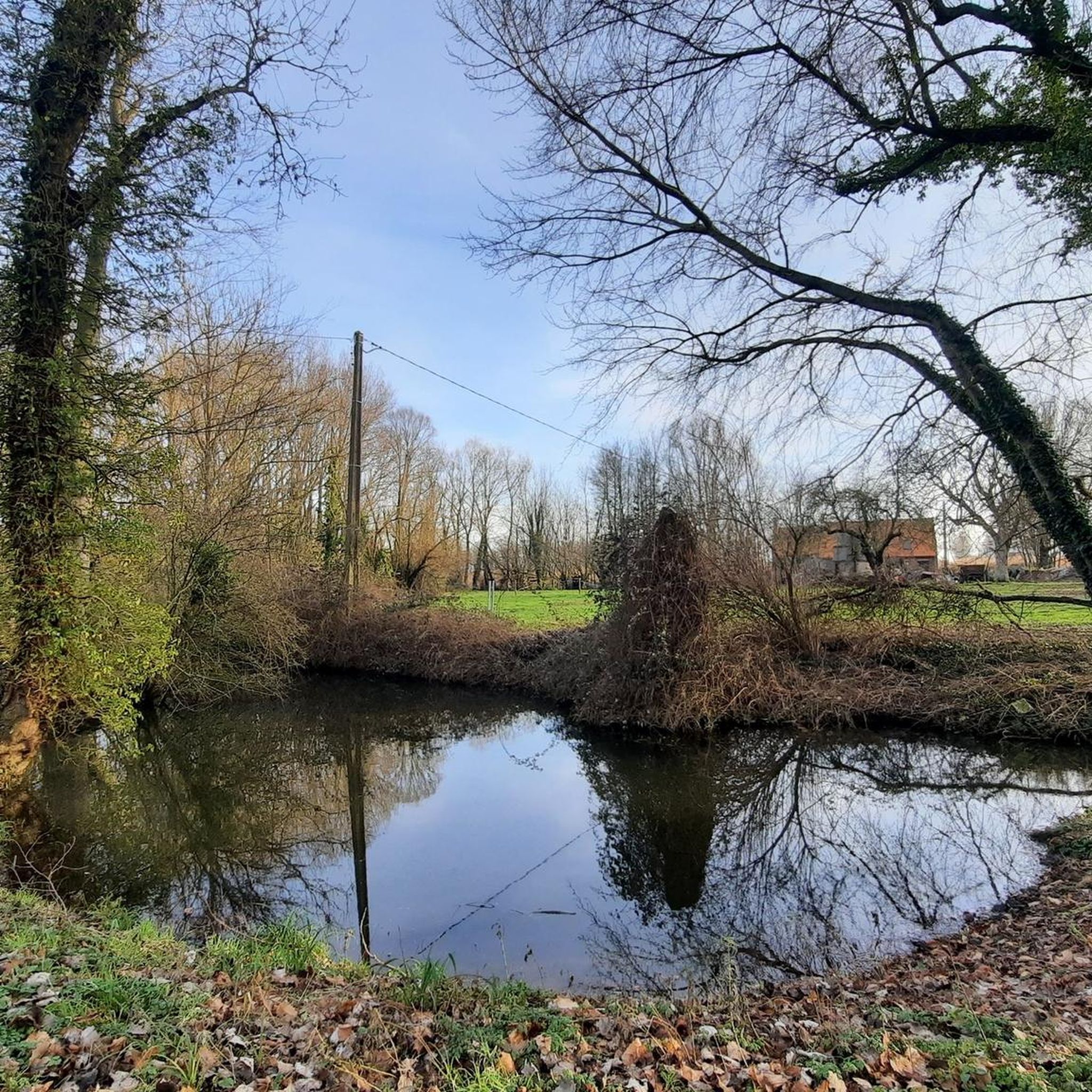
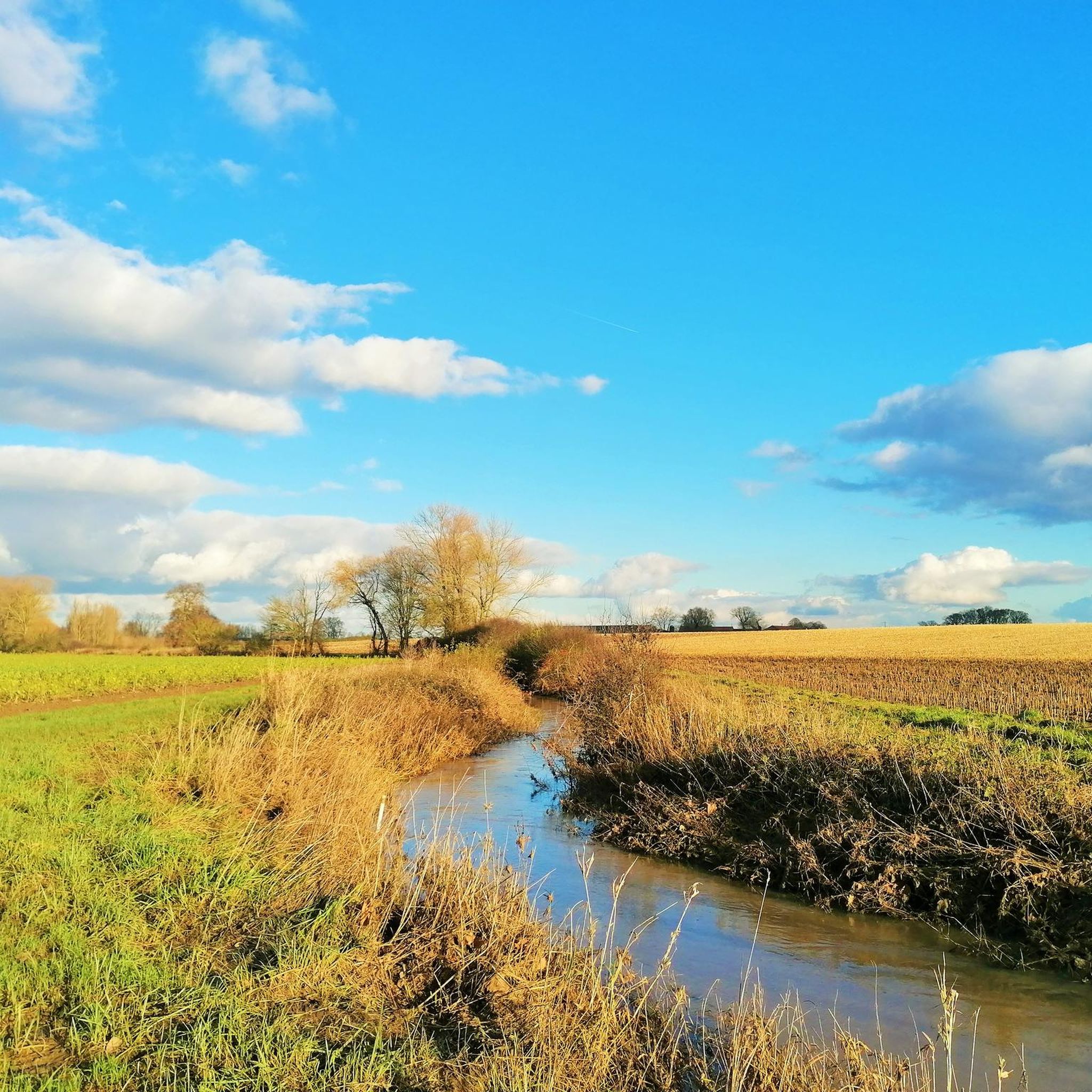

Tips from the Community

The Grange de la Plaine au Bois massacre, located in Wormhout, northern France, was a tragic event that occurred on 28 May 1940 during the Second World War, at the start of the French Campaign. This event is also known as the Wormhout massacre. Background: In the early months of World War II, German troops were advancing rapidly in northern France. British forces, part of the British Expeditionary Force (BEF), were attempting to slow the German advance to allow the evacuation of Dunkirk. The events: During fierce fighting around Wormhout, approximately 80 British and French soldiers were captured by a German Waffen-SS unit, the Leibstandarte SS Adolf Hitler Division. The prisoners were first disarmed and then forced to march to an isolated barn, called the Grange de la Plaine au Bois. German soldiers, violating the laws of war, locked the prisoners in the barn. For no apparent reason, the SS threw grenades into the building, killing and wounding many prisoners. Some survivors, despite their injuries, were executed by shooting or bayoneting. However, a few soldiers miraculously escaped death and later testified about the massacre. Consequences and memory: The Plaine au Bois massacre was one of many war crimes committed by Waffen-SS troops during World War II. After the war, several attempts were made to try those responsible for the massacre, but these efforts were hampered by political and legal issues, and many perpetrators were never brought to justice. Today, the site of the barn is a place of remembrance. A monument has been erected to honor the victims, and commemorations are held regularly to remember this atrocious war crime.
3
0

pleasant passage under the trees along the Peene Becque
0
0

Pivot mill, built in 1756. It was moved in 1891-92 following the collapse of the mill, due to pivot disease. On site you will find tables and benches for picnics, trash cans and toilets. Everything clean and well maintained.
0
0

Memorial site
0
1

Around 695, the gentleman farmer Heremare is said to have donated a large piece of land here to the St. Bertinus Abbey in St. Omaars. Saint Winok is said to have founded an abbey here where he died in 716. He was buried there and many pilgrims came there, where all kinds of miracles took place. In 846 the monks moved to Sint-Winoksbergen and shortly afterwards the remains of Sint-Winok were transferred to Sint-Omaars. The largely wooden abbey was destroyed by the Vikings in 860. The parish church was later built on the foundations, and in the 12th century or earlier there was a Romanesque church building, the St. Martin and St. Winoks Church. Here was also a Saint Winok's altar that contained relics of Saint Winok. This church was also plundered in 1582, now by the French, and burned in 1591. The church was subsequently repaired and renovated. The current church dates from 1613-1616 and the tower dates from 1547-1683. In 1793, the spire of the tower was destroyed during the Battle of Hondschote. Source: Wikipedia
2
0

Molen Deschodt or Molen van Briarde was built in 1756 and is today the most authentic Flemish post mill in the region. It is the last of the eleven mills that Wormhout had in other times. They were all lost after the arrival of a steam mill. A number of new laws and the wars provided the final death blow. Nice resting place with picnic benches.
4
0

Until her death in 1989, the first Flemish photographer lived in this presbytery (18th century) with a dovecote next to it. Inside, photographs and numerous objects (furniture, watercolors, paintings, ceramics, etc.) create a typical local atmosphere.
6
0
The Saint-Martin church in Wormhout is a historical monument. It is of Flemish ogival style and was rebuilt between 1613 and 1616 with beige brick, also called sandstone. It is without a doubt one of the most harmonious churches in the region. The high and massive tower porch can be seen from afar. Two seventeenth-century stained glass windows depict Saint Winoc for the first and the Mass of Saint Martin for the second.
6
0
Frequently Asked Questions
How many hiking trails are available around Wormhout?
There are nearly 20 hiking trails around Wormhout, offering a variety of options through the flat, rural landscape of northern France. These routes are generally easy to moderate, with no difficult trails.
Are there easy hiking trails suitable for beginners in Wormhout?
Yes, Wormhout is an excellent area for beginners. About half of the trails, specifically 10 routes, are rated as easy. An example is the Wormhout – Saint Martin Church loop from Wormhout, which is 4.3 miles (7.0 km) long and takes under 2 hours to complete.
What kind of landscapes can I expect to see on a hike near Wormhout?
Hiking around Wormhout takes you through flat agricultural lands, charming small villages, and past historical sites. The routes often connect local landmarks like churches and old mills, offering a glimpse into the region's heritage.
Are there any circular walks available in Wormhout?
Yes, many of the trails around Wormhout are circular, making them convenient for day trips. For instance, the Moulin Deschodt – Saint Martin Church loop from Wormhout is a 10.3-mile (16.5 km) circular route that passes historical points of interest.
What are some interesting landmarks or attractions I can see while hiking in the area?
The Wormhout area is rich in history and local charm. You might encounter historical sites like the Bergues Belfry or the Porte d'Aire. The region also features picturesque villages such as Cassel Village and the iconic mill on Cassel Hill.
Is Wormhout suitable for family-friendly hikes?
Absolutely. The gentle terrain and minimal elevation changes make Wormhout ideal for family outings. Many of the easy-rated trails are perfect for all ages, allowing families to enjoy the rural scenery together.
Can I bring my dog on the hiking trails in Wormhout?
Most trails in rural areas like Wormhout are generally dog-friendly, but it's always recommended to keep your dog on a leash, especially when passing through agricultural fields or near livestock. Always clean up after your pet.
Are there any trails that pass by historical memorials?
Yes, some routes offer a connection to the region's history. The Wormhoudt Massacre Memorial loop from Wormhout is a moderate 5.4-mile (8.7 km) hike that includes this significant historical site.
What do other hikers say about the trails in Wormhout?
The trails in Wormhout are highly regarded by the komoot community, with an average score of 4.4 stars from over 700 reviews. Hikers often praise the accessible paths, the peaceful rural setting, and the historical points of interest along the routes.
Are there any longer, more challenging routes for experienced hikers?
While there are no 'difficult' trails, more experienced hikers can enjoy longer moderate routes. The Saint Martin Church – Wormhout loop from Wormhout, for example, is a 8.9-mile (14.3 km) moderate trail that offers a good workout through the countryside.
Is public transport available to reach hiking trailheads in Wormhout?
Wormhout is a small town, and while local bus services might connect to nearby villages, direct public transport to specific trailheads can be limited. It's often best to check local bus schedules or consider driving to the starting points, as many routes begin directly from Wormhout itself.
Where can I park my car when hiking in Wormhout?
Parking is generally available in the town center of Wormhout or in designated areas near popular trail starting points. As the area is rural, many routes begin from accessible locations where street parking or small public car parks can be found.
Most popular attractions around Wormhout

Get inspired with the komoot mobile app


Explore more
Browse the best Hikes in other regions.
