Attractions and Places To See around Bligny-Lès-Beaune - Top 20
Best attractions and places to see around Bligny-Lès-Beaune. This village, located in the Côte-d'Or department of Burgundy-Franche-Comté, is characterized by its viticultural landscape and historical landmarks. Bligny-Lès-Beaune is situated at the foot of vine-covered hills, with limestone soil contributing to its renowned wine production. The area offers a blend of historical sites and natural features, including vineyards and affluents of the Dheune river.
Best attractions and places to see around Bligny-Lès-Beaune
- The most popular attractions is Route des Grands Crus…
Last updated: July 6, 2026
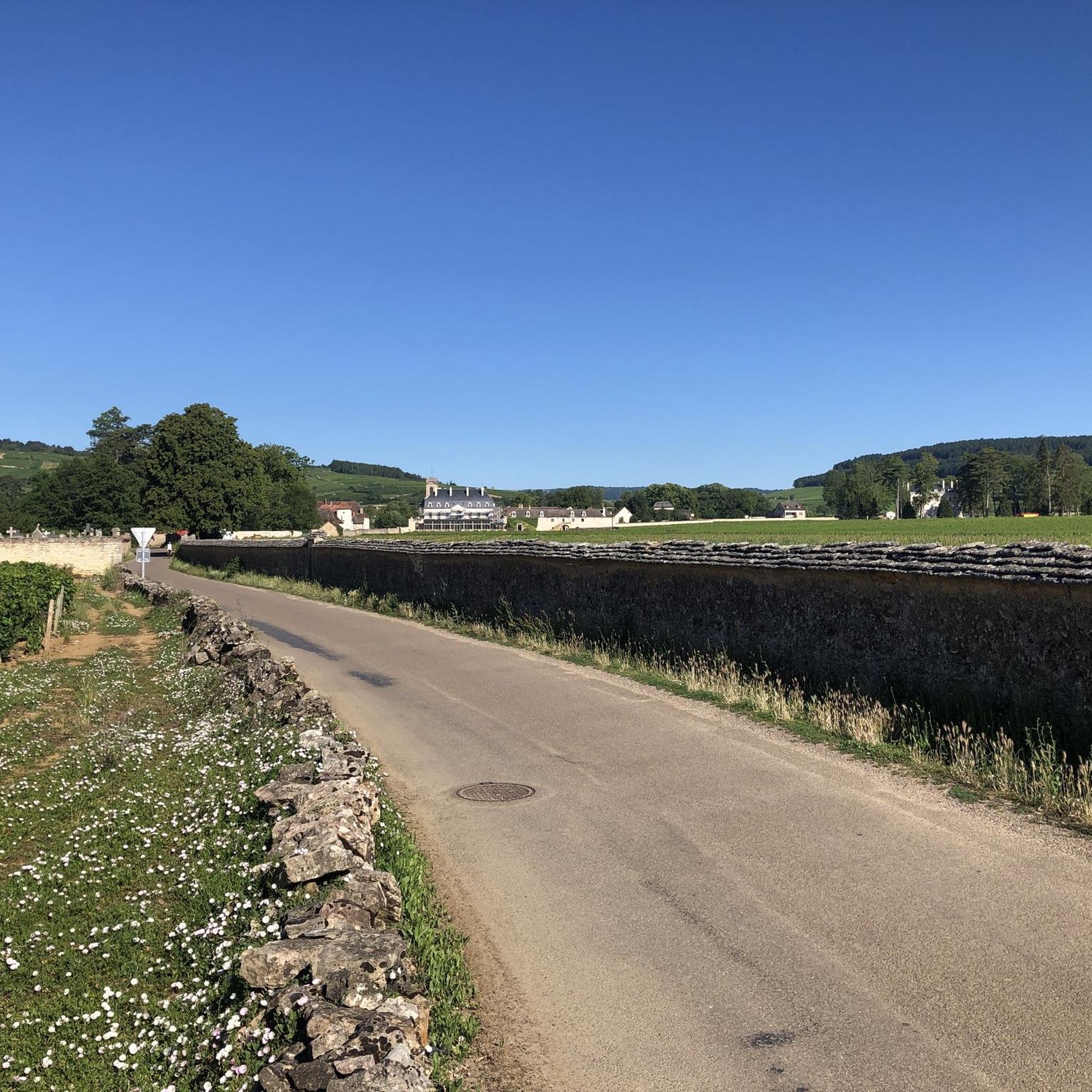
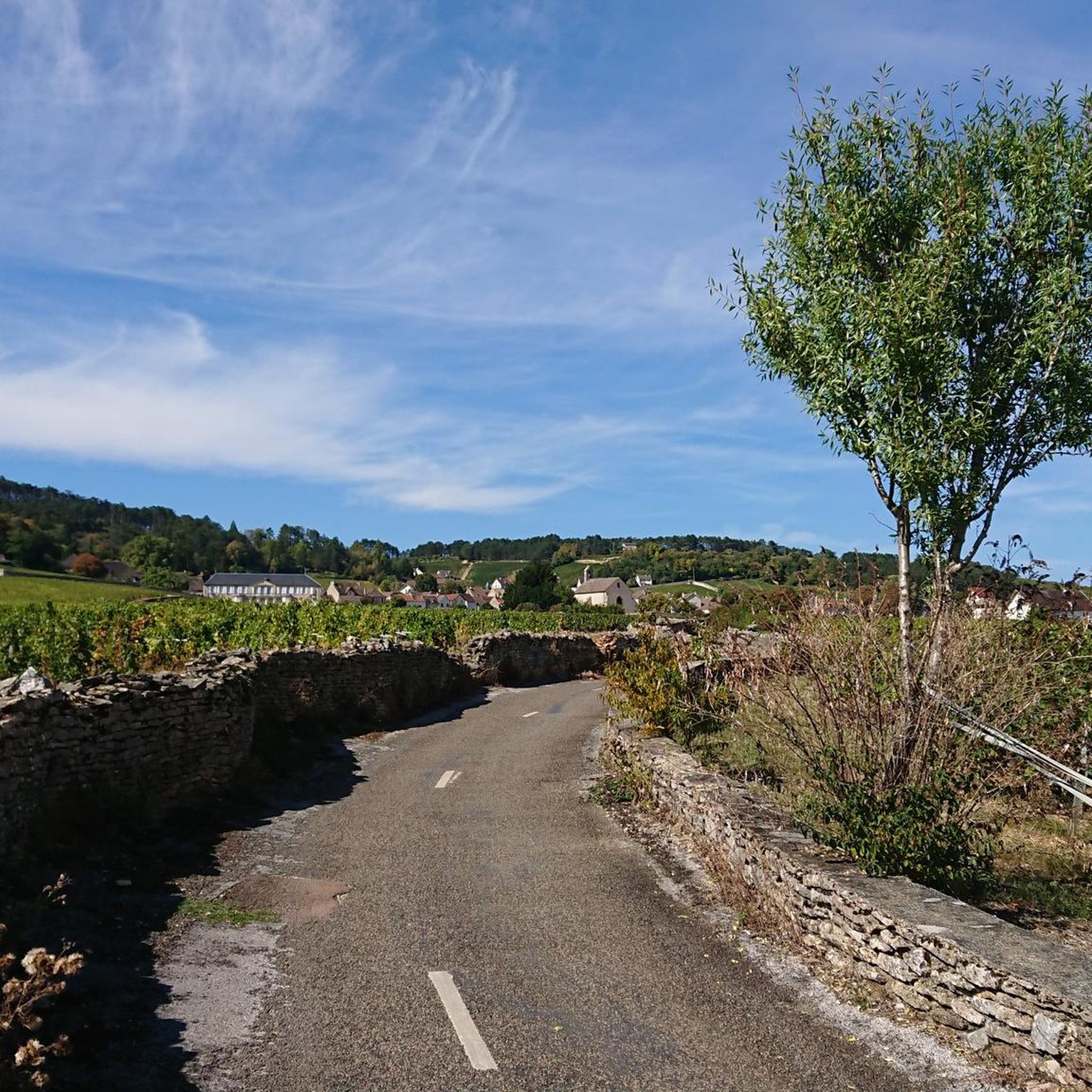
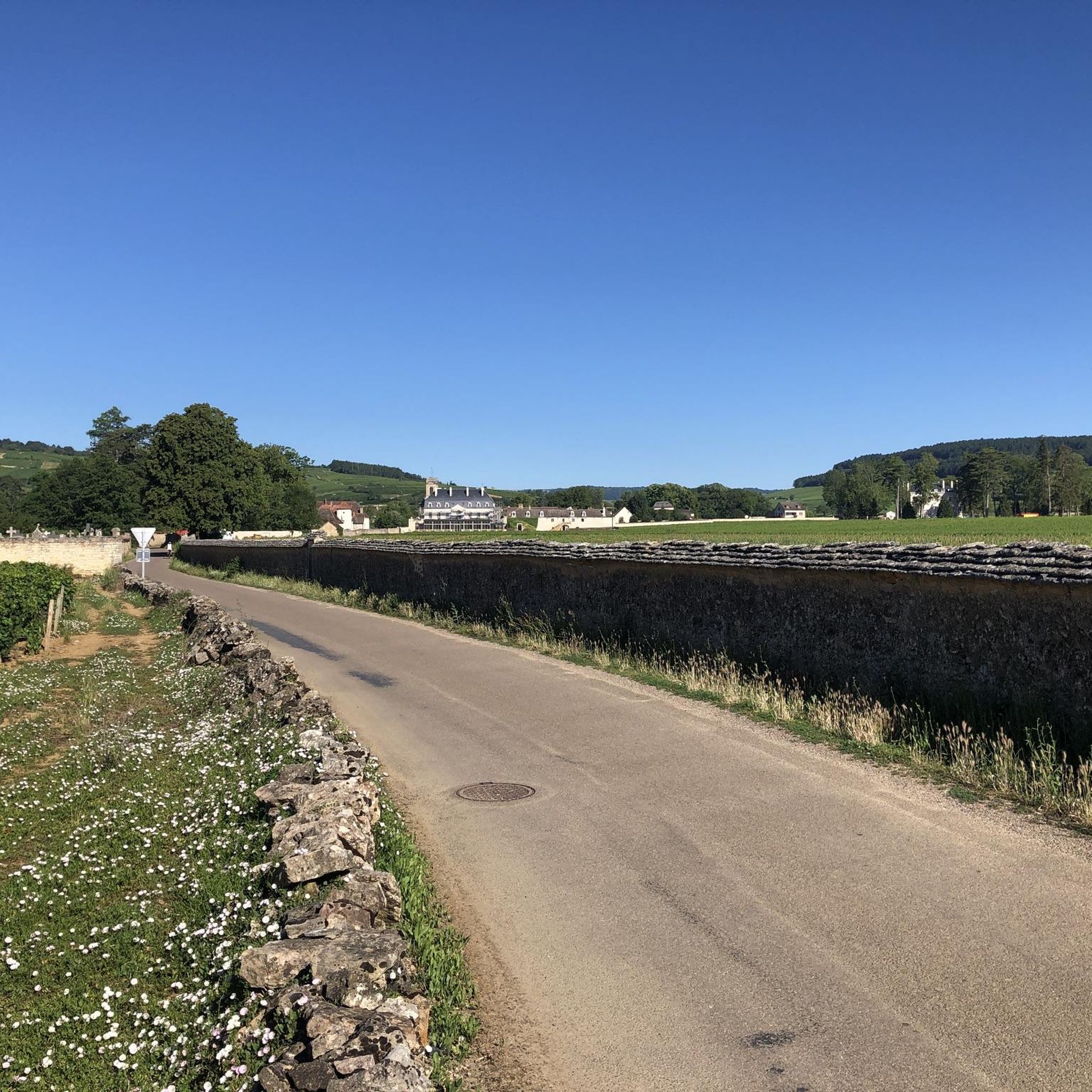
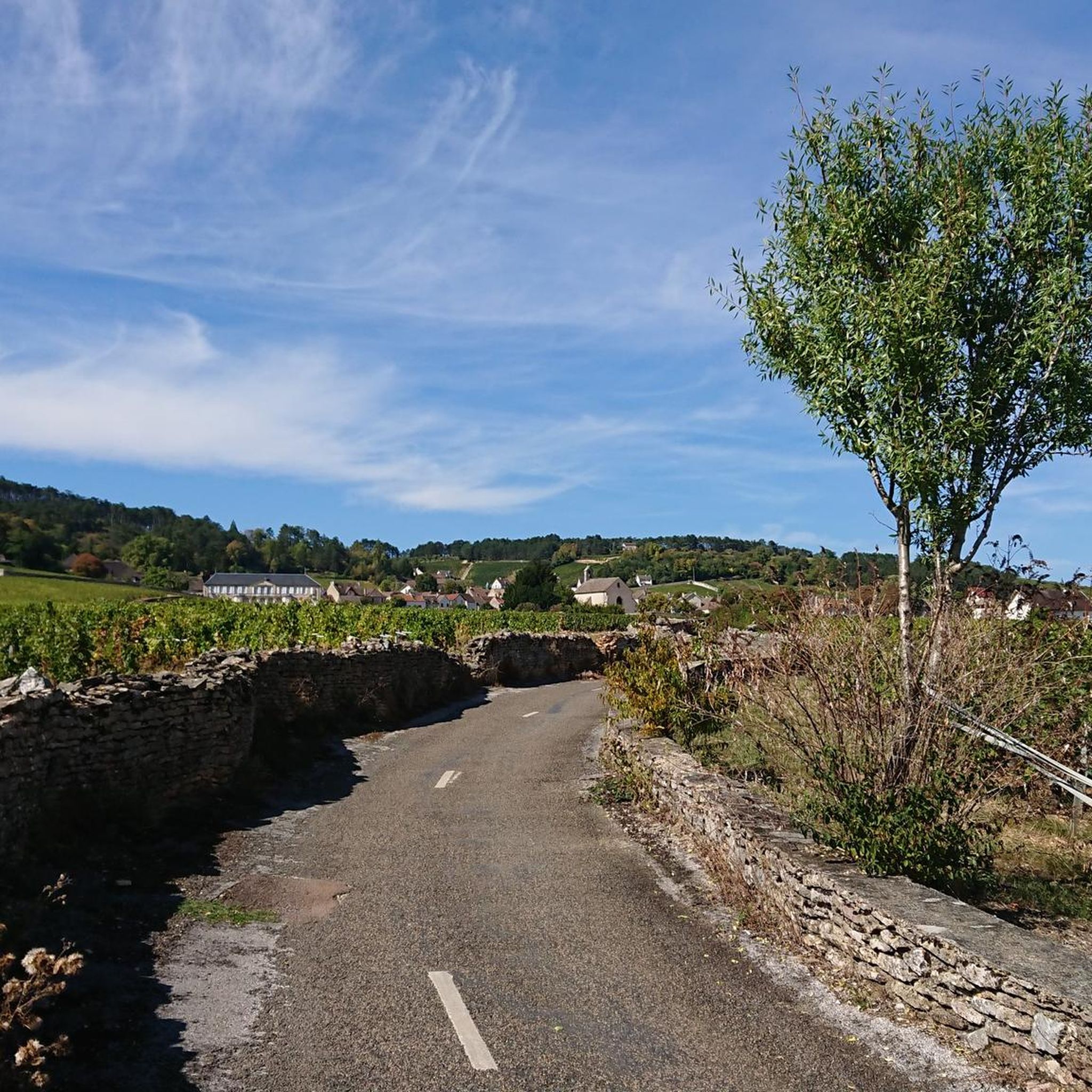
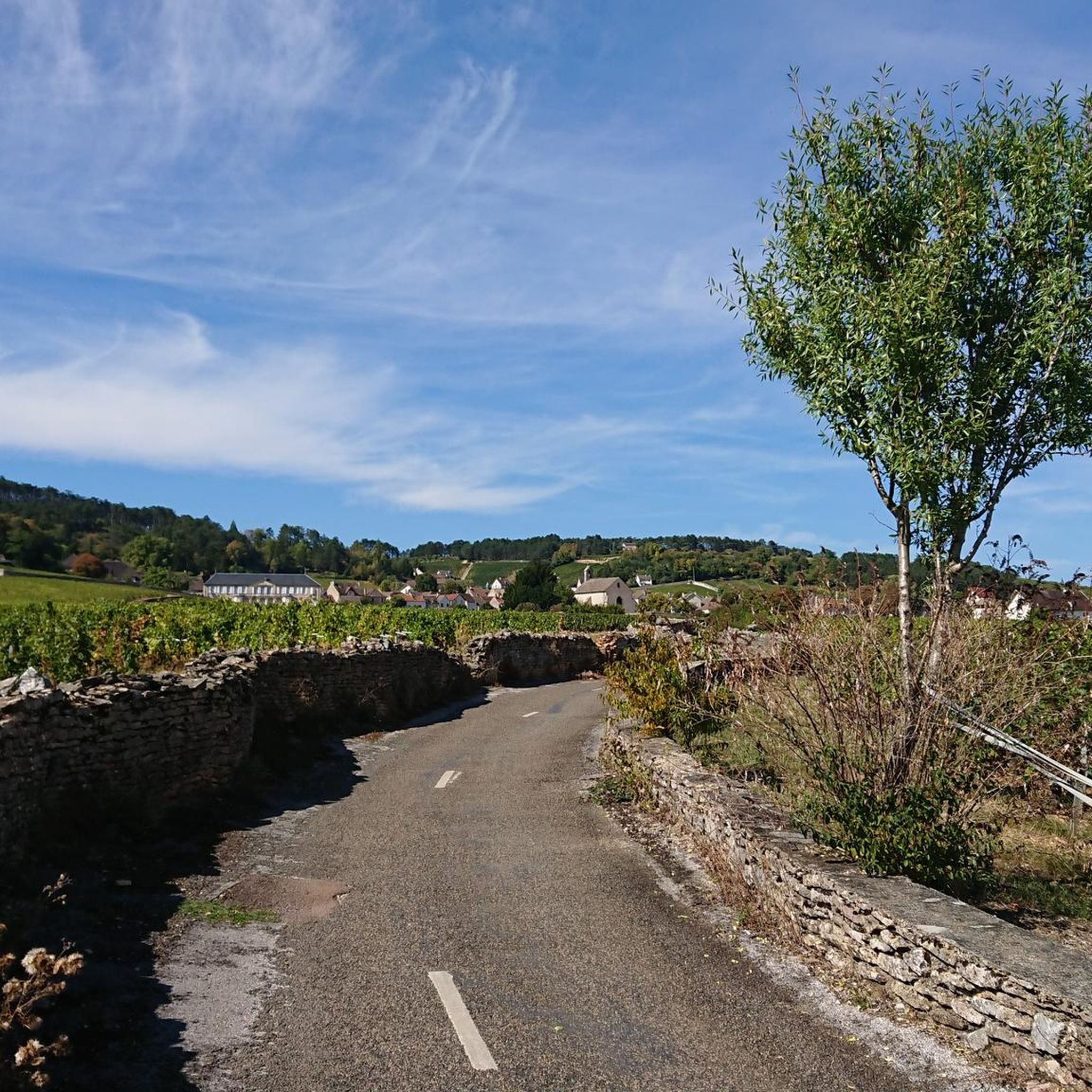
Route des Grands Crus
Highlight (Segment) • Cycleway
Translated by Google •
Tip by

Route des Grands Crus Cycle Path
Highlight (Segment) • Cycleway
Tip by

Sign up now to discover places like this
Get recommendations on the best single tracks, peaks, & plenty of other exciting outdoor places.
Sign up for free
Hôtel-Dieu Museum - Hospices de Beaune
Highlight • Museum
Translated by Google •
Tip by
Meursault Castle
Highlight • Castle
Translated by Google •
Tip by
Hospiz von Beaune
Highlight • Other
Translated by Google •
Tip by

Sign up for free to discover even more attractions around Bligny-Lès-Beaune.
Sign up for free
Already have an account?
Start today with a free account
Your next adventure awaits.
Login or Signup
Tips from the Community

The historic hospital is a must-see
2
0

Meursault: a beautiful wine-growing village, the town hall and its Burgundian rooftops are not to be missed. Fun fact: scenes from The Great Stroll were filmed in Meursault.
0
0

The Hôtel-Dieu is a former hospital in Beaune. It was founded in 1443 and used as a hospital until 1971. The Hôtel-Dieu is now part of the Hospices Civils de Beaune complex. Today, parts of the old complex are used as a retirement home, while the rest can be visited as a museum, providing interesting insights into nursing in the early modern period.
12
0
This 15th century hospital is a must-see; the impressions are overwhelming.
7
0

Hospices of Beaune
2
0

Known for its polychrome roofs made of glazed tiles, the Hôtel-Dieu is one of the rare examples of civil architecture from the end of the Middle Ages. It is also a high place of memory of hospital history.
7
0
The History of the Hospices Civils de Beaune began in 1443 with the desire of Nicolas Rolin and Guigone de Salins to build a hospital. Imagined as a "palace for the poor", the charitable institution entrusted by donors to the good care of the Dames Hospitalières remained in activity until the early 1970s, before a modern hospital, more adapted to the evolution of care , is built on the outskirts of the historic center of Beaune. Known for its polychrome roofs made of glazed tiles, the Hôtel-Dieu is one of the rare testimonies of civil architecture from the end of the Middle Ages. It is also a high place of memory of hospital history.
8
0
Imagined as a "palace for the poor", the charitable institution entrusted by donors to the good care of the Dames Hospitalières remained in activity until the early 1970s, before a modern hospital, more adapted to the evolution of care , is built on the outskirts of the historic center of Beaune.
10
1
Frequently Asked Questions
What historical landmarks can I explore in Bligny-lès-Beaune?
Bligny-lès-Beaune offers several historical sites. You can visit the Romanesque Saint-Baldoux Church, dating back to the 10th or 12th century, known for its Romanesque choir and bell tower. The 14th-century Château de Bligny, built on feudal castle foundations, is also a notable landmark, recognized for its wine production and well-preserved exterior. Additionally, the village's historic center features charming old winegrowers' houses.
Are there opportunities for cycling around Bligny-lès-Beaune?
Yes, Bligny-lès-Beaune is an excellent base for cycling. The famous Route des Grands Crus Cycle Path, an approximately 60-kilometer route, runs along the Côte d'Or escarpment, connecting numerous Burgundy wine appellations and passing through 33 villages. You can find various cycling routes, including easy to difficult options, by exploring the Cycling around Bligny-Lès-Beaune guide.
What natural attractions are there in the Bligny-lès-Beaune area?
The primary natural attraction is the extensive viticultural landscape. Bligny-lès-Beaune is situated at the foot of hills covered in vineyards, which are a dominant natural feature and offer picturesque scenery. The village is also traversed by two affluents of the Dheune river, which contribute to the natural setting and provide opportunities for outdoor strolls.
Can I go hiking or walking near Bligny-lès-Beaune?
Absolutely. The natural surroundings of Bligny-lès-Beaune, with its vineyards, forests, and waterways, offer numerous opportunities for hiking and walking. Marked trails invite exploration of the scenic beauty and panoramic views. For specific routes, check out the Running Trails around Bligny-Lès-Beaune guide, which includes moderate difficulty loops like the 'Small romantic peninsula loop from Bligny-lès-Beaune'.
What is the significance of the Hôtel-Dieu Museum in Beaune?
The Hôtel-Dieu Museum - Hospices de Beaune is a prestigious historical monument and former hospital founded in 1443. It is renowned for its flamboyant Gothic architecture, distinctive polychrome roofs, and a 60-hectare wine estate. Visitors can explore reconstructed rooms, including nursing quarters, a kitchen, and a pharmacy, offering insights into early modern healthcare.
Are there any castles to visit in the vicinity?
Yes, in addition to the Château de Bligny, you can visit Meursault Castle. Originally built in 1337, this historical site has been redesigned and now serves as the town hall of Meursault, featuring a distinctive glazed tile roof. Meursault is also famous for its Chardonnay wines.
What is the best time to visit Bligny-lès-Beaune for outdoor activities?
The region is beautiful throughout the warmer months. Spring and autumn offer pleasant temperatures for cycling and hiking through the vineyards, with spring bringing blossoming vines and autumn showcasing vibrant fall colors during harvest season. Summer is also popular, though it can be warmer.
Are there family-friendly activities or attractions in the area?
Many of the outdoor activities, such as cycling along the Route des Grands Crus Cycle Path, can be enjoyed by families. Exploring the historical sites like the Hôtel-Dieu Museum - Hospices de Beaune also offers an educational experience for all ages, with audio guides often available for children.
What is the local wine culture like in Bligny-lès-Beaune?
Bligny-lès-Beaune is deeply rooted in Burgundy's renowned wine culture. The village is surrounded by vineyards producing high-quality Pinot Noir and Chardonnay. The Château de Bligny itself is a wine producer, and the commune is home to several family-run wine estates that uphold traditional winemaking. Wine tasting experiences are a key point of interest for visitors.
Who was Jean des Vignes Rouges and what is his connection to Bligny-lès-Beaune?
Jean des Vignes Rouges was the pen name of Jean Taboureau (1879-1970), a regionalist writer who lived in Bligny-lès-Beaune. He is known for his literary contributions, including the novel 'L'Enfant dans les vignes,' which describes his childhood in the area. The village's identity is tied to this literary figure.
Can I find mountain biking trails near Bligny-lès-Beaune?
Yes, there are mountain biking opportunities in the region. You can explore trails like the 'Meursault town hall – Volnay loop from Beaune' or the 'Hôtel-Dieu of Beaune – High coast of Beaune loop from Beaune'. These routes offer varying difficulties, from easy to moderate. More details can be found in the MTB Trails around Bligny-Lès-Beaune guide.
What makes the architecture of the Mairie (Town Hall) in Bligny-lès-Beaune unique?
The Mairie in Bligny-lès-Beaune is noted for its distinctive architecture. It features a decorated gable adorned with a pointed arch in cut stone and a unique circular campanile that shelters a bell, contributing to the village's charming aesthetic.
Most popular routes around Bligny-Lès-Beaune
Most popular attractions around Bligny-Lès-Beaune

Get inspired with the komoot mobile app


Explore more
Still not found the Highlight you’re looking for? See guides of the top attractions in other regions:
