Attractions and Places To See around Guizengeard - Top 11
Best attractions and places to see around Guizengeard include a mix of natural features and historical sites within the Charente department of France. The region is characterized by its captivating landscapes, including extensive forests and unique blue lakes formed from former clay quarries. Visitors can explore ancient architecture and engage in various outdoor recreational opportunities.
Best attractions and places to see around Guizengeard
- The most popular attractions is La voie verte, a cycle way that extends 35 km from…
Last updated: August 26, 2026
La voie verte
Highlight (Segment) • Cycleway
Surprising but …
Translated by Google •
Tip by

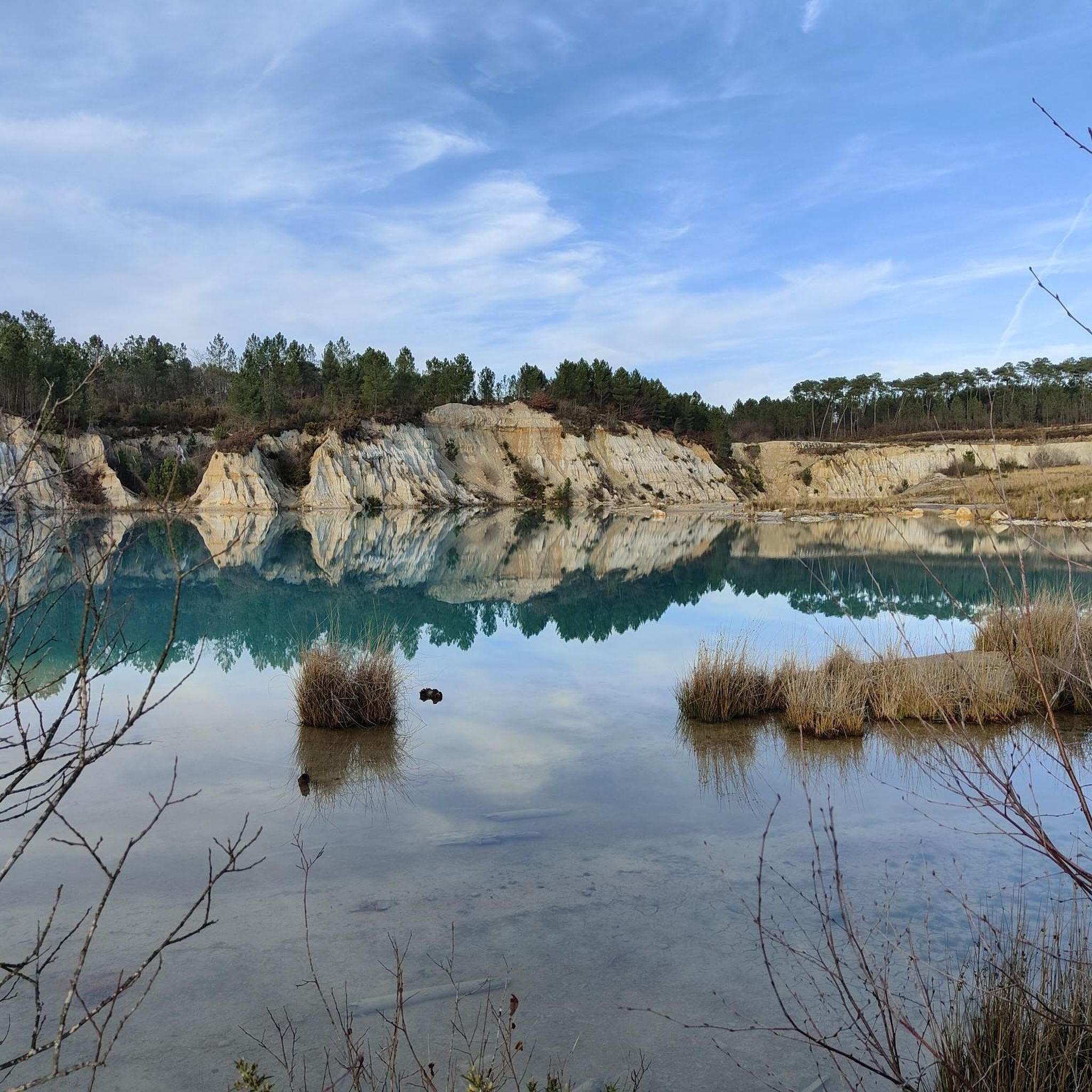
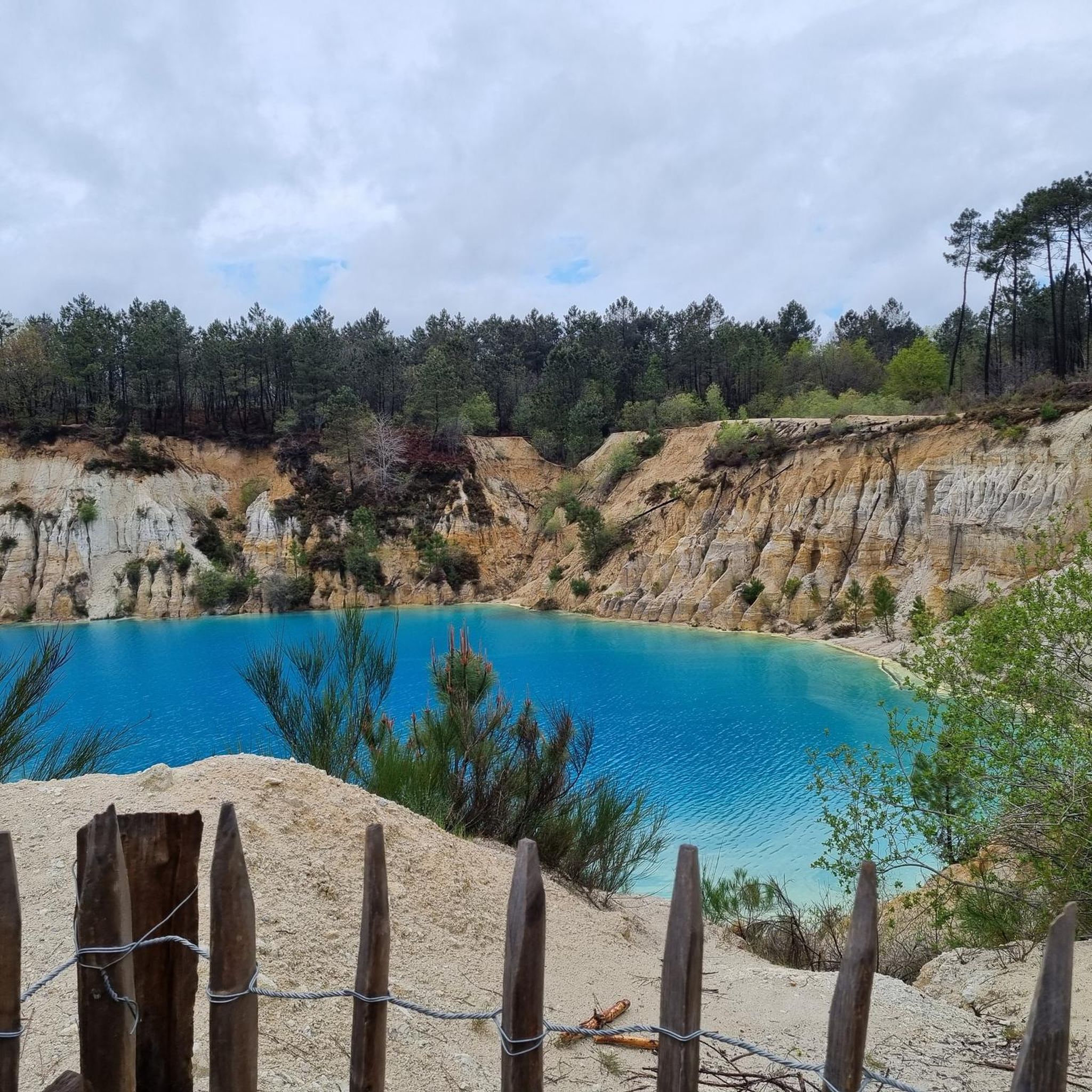
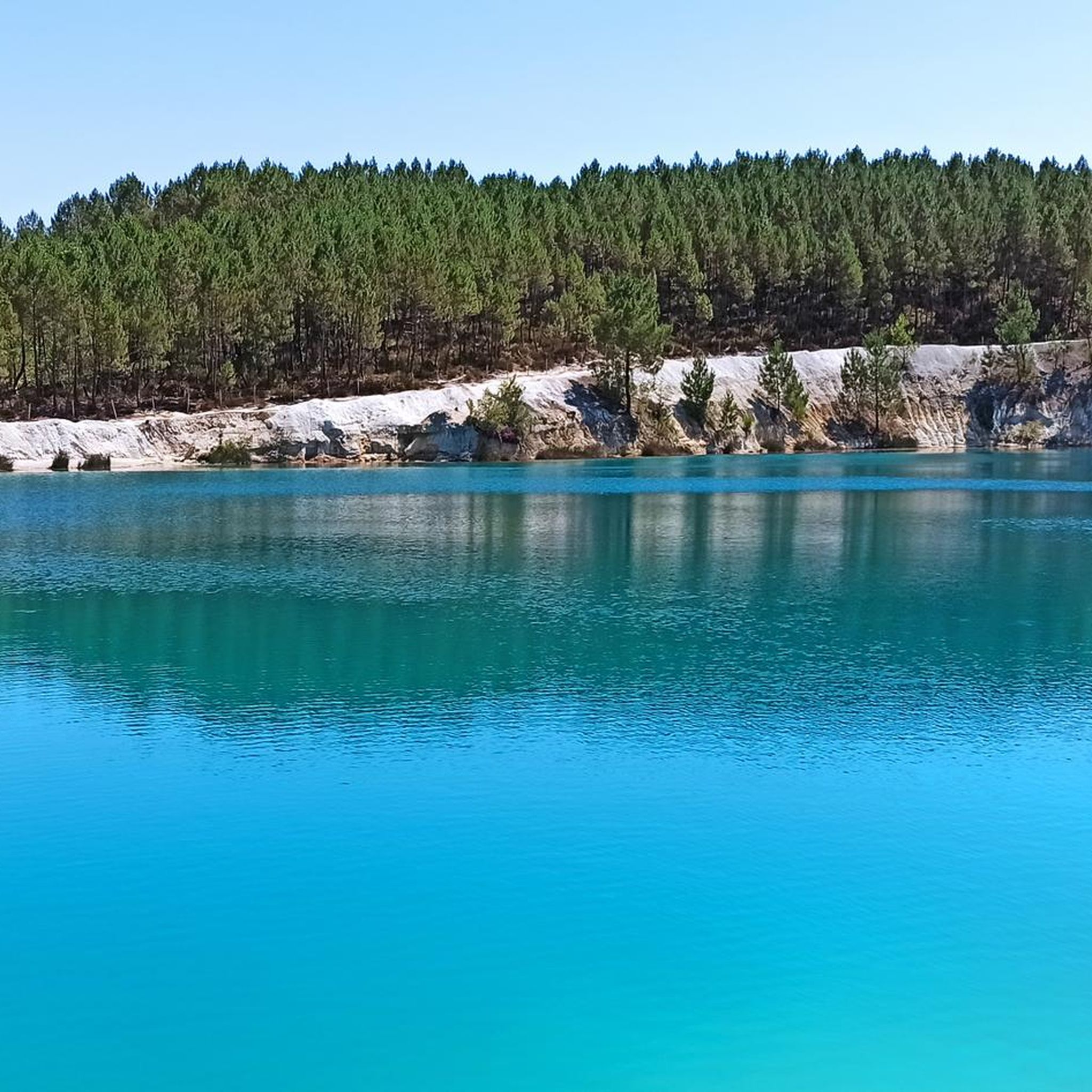
Blue Lake of Touvérac
Highlight • Lake
Translated by Google •
Tip by

Sign up now to discover places like this
Get recommendations on the best single tracks, peaks, & plenty of other exciting outdoor places.
Sign up for free
An abbey turned parish church
Highlight • Other
Translated by Google •
Tip by
View of one of the Guizengeard ponds
Highlight • Lake
Translated by Google •
Tip by

Notre-Dame-de-la-Nativité Church of Brossac
Highlight • Religious Site
Translated by Google •
Tip by

Sign up for free to discover even more attractions around Guizengeard.
Sign up for free
Already have an account?
Start today with a free account
Your next adventure awaits.
Login or Signup
Tips from the Community

The Church of Our Lady of the Navitiy was built in the 12th century. This Romanesque-style monument was considerably altered with age, so much so that only the foundations are original today. The walls, for example, were raised shortly after the Hundred Years' War to allow refuge rooms to be built under the roof. The Romanesque façade, for its part, was remodeled during the Gothic period. The use of grison, a local grey stone very common in this area of Charente, limited the sculpted decoration to its strictest expression; this stone was unsuitable for sculpture. On the other hand, the church has a painted fresco, rediscovered in the sanctuary during restoration work. Like all medieval churches, Notre-Dame de Brossac was once surrounded by its cemetery, abandoned in 1843. Outside, in the north wall of the nave, there remain two funerary recesses intended to shelter the burial of high-ranking figures. https://www.sauvegardeartfrancais.fr/projets/brossac-eglise-notre-dame-de-la-nativite
0
0

Artificial natural site formed by the exploitation of a clay quarry
2
0

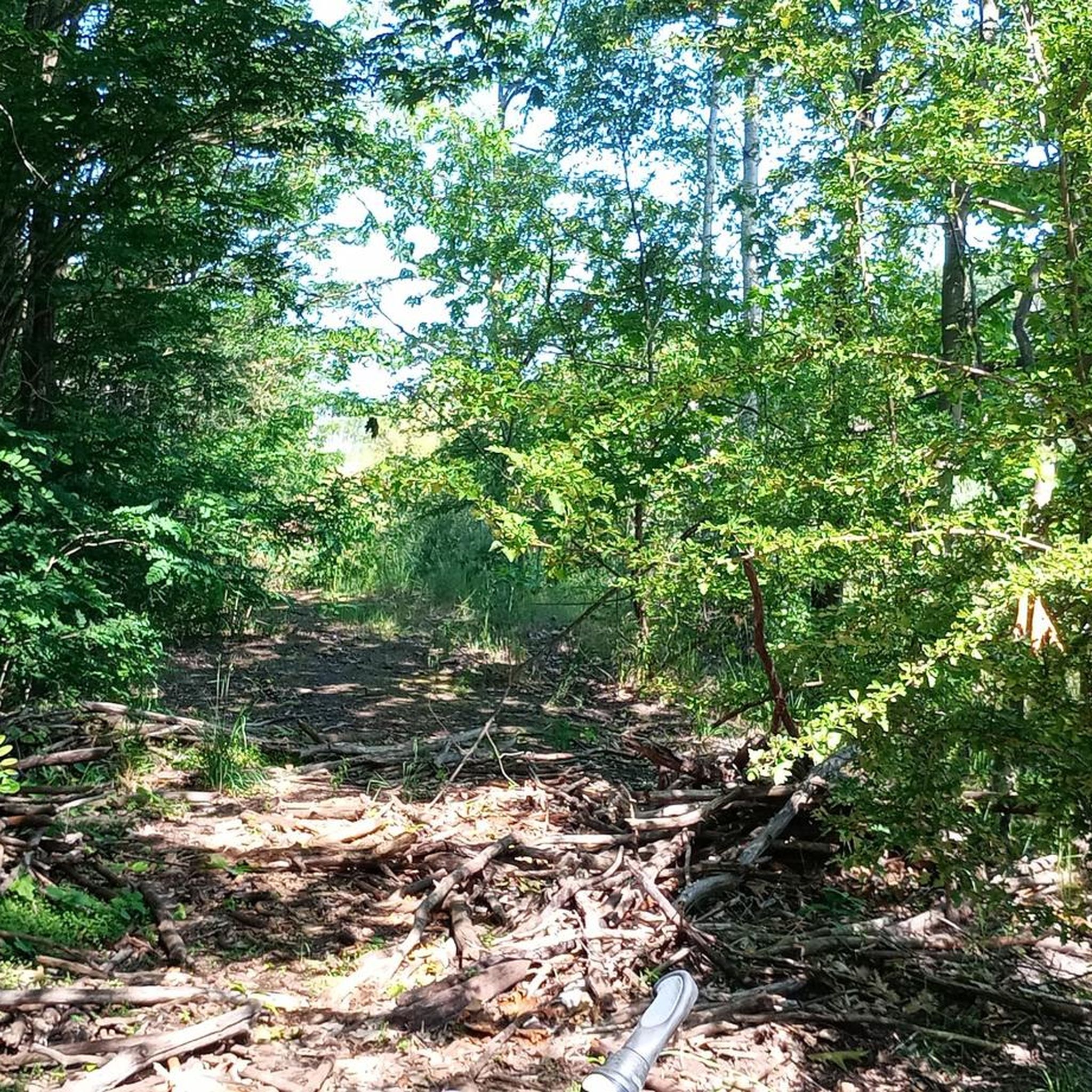
You have to be very careful with the roots of the acacias which lift the bitumen in places as well as the thorns of these trees. Otherwise very pleasant.
0
0
Consider deviating from the cycle path for a few minutes. Church your real the detour
1
0

The trail offers a beautiful view of the blue lake of Guizengard. The water takes on a thousand azure hues, creating an almost unreal setting. The site has great ecological value with the presence of numerous plant and animal species. Among the most remarkable, the bee-eater, this beautiful, brightly colored bird has found refuge here to the delight of walkers.
0
0

Some sections of the track are damaged by tree roots and dangerous on a road bike. I often prefer to go by road.
1
0

The church is in the form of a rectangle thirty meters long and ten meters wide, flanked by 4 buttresses, one of which is located on the north wing and the 3 others on the south wing, a bell tower and a small extension on the south west part housing a chapel dedicated to the Virgin Massive building, reinforced by buttresses, low and poorly lit, it has a facade with a Romanesque portal surmounted by a large rose window. This gate is made up of 2 straight legs, and a projecting coving made up of 3 semicircular rollers with a keystone. The oculus rose is surrounded by a frieze with a sawtooth motif. The porch opens onto a single nave 22 m long by 9 wide without side aisles. It is made up of 4 bays with semi-circular vaults. The south wall is pierced under the 1st bay with a large semi-circular arch giving access to the chapel. The north wall has a pulpit which bears a monogram which would be that of Louis XIV. The choir of the church, raised from the nave by 3 steps, consists of a flat chevet and a span of semi-circular vaults. The bedside wall is pierced at each end with a rectangular door allowing access to the sacristy. The old sacristy has just been refurbished and has a very modern look with paneling on the floor and ceiling. The chapel of the Virgin is located on the southern extension of the church. It measures 13.50 m long by 7 wide, and consists of a small single nave 10 m long by 7 wide and a choir with a flat apse. The floor of this chapel is 1.25 m lower than the floor of the church corresponding to the initial floor of the old abbey. Access to the bell tower is through a door located on the east wall of the nave of the chapel. It consists of 4 floors and a vaulted ground floor. The facing is made up of medium-sized cut stone for the ground floor and the 1st floor and rubble stone coated with brown lime for the 2nd and 3rd floors.
0
0

Remains of old white clay quarries, these blue lakes constitute a locally protected habitat with its flaura and forna. You have to go slowly and leave no traces. Swimming is prohibited in these lakes.
2
0
Frequently Asked Questions
What are the main natural attractions to explore around Guizengeard?
The most prominent natural attraction is the Blue Lake of Touvérac, also known as Lac Bleu de Guizengeard. These former white clay quarries have filled with rainwater, creating intensely turquoise and emerald-green pools. The lakes are nestled within the extensive Forest of Double Saintongeaise, offering a scenic backdrop for exploration.
Are there hiking trails around the Blue Lakes of Guizengeard?
Yes, a dedicated 'Sentier de découverte de l'argile' (Clay Discovery Trail) circles the lakes. This trail, approximately 2-3 km long, is accessible for walkers of all levels and features educational panels about the site's geological history, industrial past, and unique flora and fauna. For more running routes, you can explore the Running Trails around Guizengeard guide.
What cycling opportunities are available in the Guizengeard area?
The area is excellent for cycling, notably featuring La voie verte, a dedicated cycling path extending 35 kilometers from Barbezieux to Clérac. This paved route offers a peaceful journey through the countryside. You can find more cycling options in the Cycling around Guizengeard and Road Cycling Routes around Guizengeard guides.
Can I swim in the Blue Lakes of Guizengeard?
No, swimming and wading in the Lac Bleu de Guizengeard are strictly prohibited. This restriction is in place due to safety concerns, such as an unstable clay bottom and significant depth, and to protect the fragile ecosystem and biodiversity of the site. Visitors are asked to stay on marked trails.
What kind of wildlife can I spot near the Blue Lakes?
The Lac Bleu de Guizengeard is a protected habitat boasting significant biodiversity. You might spot various plant and animal species, including the European bee-eater, beavers, otters, and turtles. The site is a haven for nature enthusiasts and birdwatchers.
What historical sites can I visit near Guizengeard?
The region is rich in history. You can visit the ancient Notre-Dame-de-la-Nativité Church of Brossac, dating back to the 12th century, or the Baignes Abbey, which is now a parish church with foundations from the 11th century. The Église Sainte-Jean-Baptiste, practically hidden in the woods near Lac Bleu, also stands on the site of a 12th-century Knights Templar command.
Are there any ancient churches worth visiting in the vicinity?
Absolutely. Besides the Notre-Dame-de-la-Nativité Church of Brossac and the Baignes Abbey, the Église Saint-Pierre de Brossac is another Romanesque edifice from the 12th century that reflects the medieval history of the region. The Église Sainte-Jean-Baptiste near Lac Bleu is also notable for housing one of the oldest bells in the Charente, dating from 1495.
What are some picturesque villages to explore close to Guizengeard?
Guizengeard is surrounded by charming villages. Chalais, about 12 km away, features an ancient castle and a Roman church. Aubeterre-sur-Dronne, recognized as one of France's 'Most Beautiful Villages' and about 22 km distant, is home to a magnificent subterranean monolithic church. Barbezieux, approximately 20 km away, also boasts a castle.
Are there family-friendly activities or trails in Guizengeard?
Yes, the Voie verte is ideal for families, offering a peaceful cycling path. The 'Sentier de découverte de l'argile' around the Blue Lakes is an easy walking trail suitable for all ages. Additionally, the Tèrra Aventura geocaching game offers a 4km trail in Guizengeard, combining outdoor adventure with discovery for families.
How can I access the Blue Lakes of Guizengeard, and is there parking?
The Lac Bleu area can be accessed by parking near the Église Sainte-Jean-Baptiste. Recent efforts have improved visitor facilities, including better parking and marked paths, to manage increased visitor numbers.
What is the best time of year to visit Guizengeard for outdoor activities?
The area is generally pleasant for outdoor activities from spring through early autumn. The warmer months are ideal for cycling on the Voie verte and exploring the trails around the Blue Lakes. Summer also brings local artisan markets to surrounding villages.
Are there any unique local crafts or markets to experience?
In the summer, surrounding villages often host artisan markets. These markets showcase local creations, including pottery from workshops in Brossac, offering a chance to discover unique regional products.
What do visitors enjoy most about the attractions around Guizengeard?
Visitors particularly appreciate the stunning natural beauty of the Blue Lakes, with their intensely colored waters, and the tranquility of the surrounding forest. The Voie verte is also highly praised for its peaceful, car-free cycling experience, especially for families. The blend of natural wonders and historical sites offers a diverse and engaging experience.

Get inspired with the komoot mobile app


Explore more
Still not found the Highlight you’re looking for? See guides of the top attractions in other regions:
