Attractions and Places To See around Touvérac - Top 16
Attractions and places to see around Touvérac offer a blend of natural landscapes and historical sites. The region is characterized by its unique blue lakes, formed from former clay quarries, and features a network of greenways. Historical landmarks, including ancient churches, provide insight into the area's past. These diverse features make Touvérac a destination for outdoor activities and cultural exploration.
Best attractions and places to see around Touvérac
- The most popular attractions is La voie verte, a cycle_way that…
Last updated: July 2, 2026
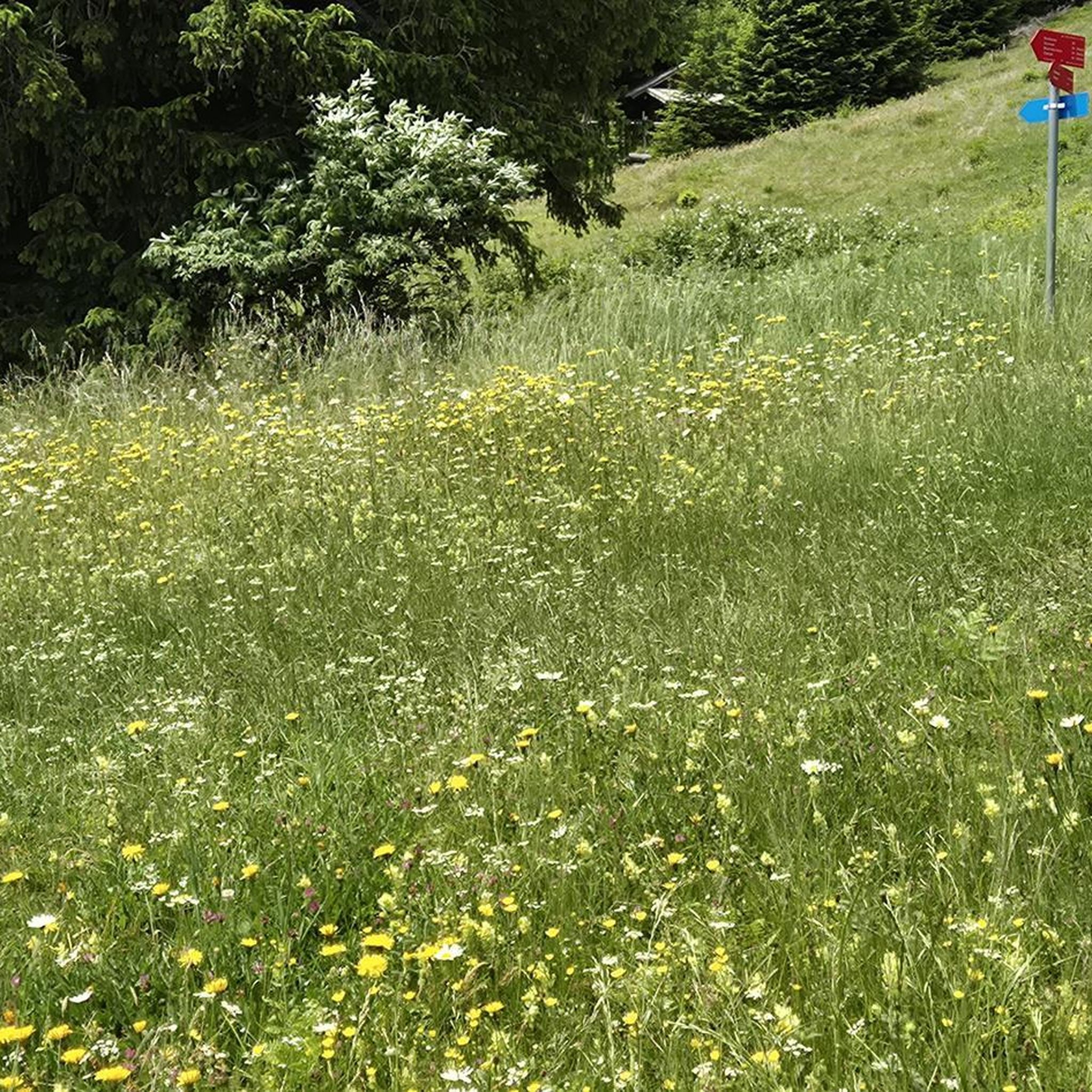
La voie verte
Highlight (Segment) • Cycleway
Surprising but …
Translated by Google •
Tip by

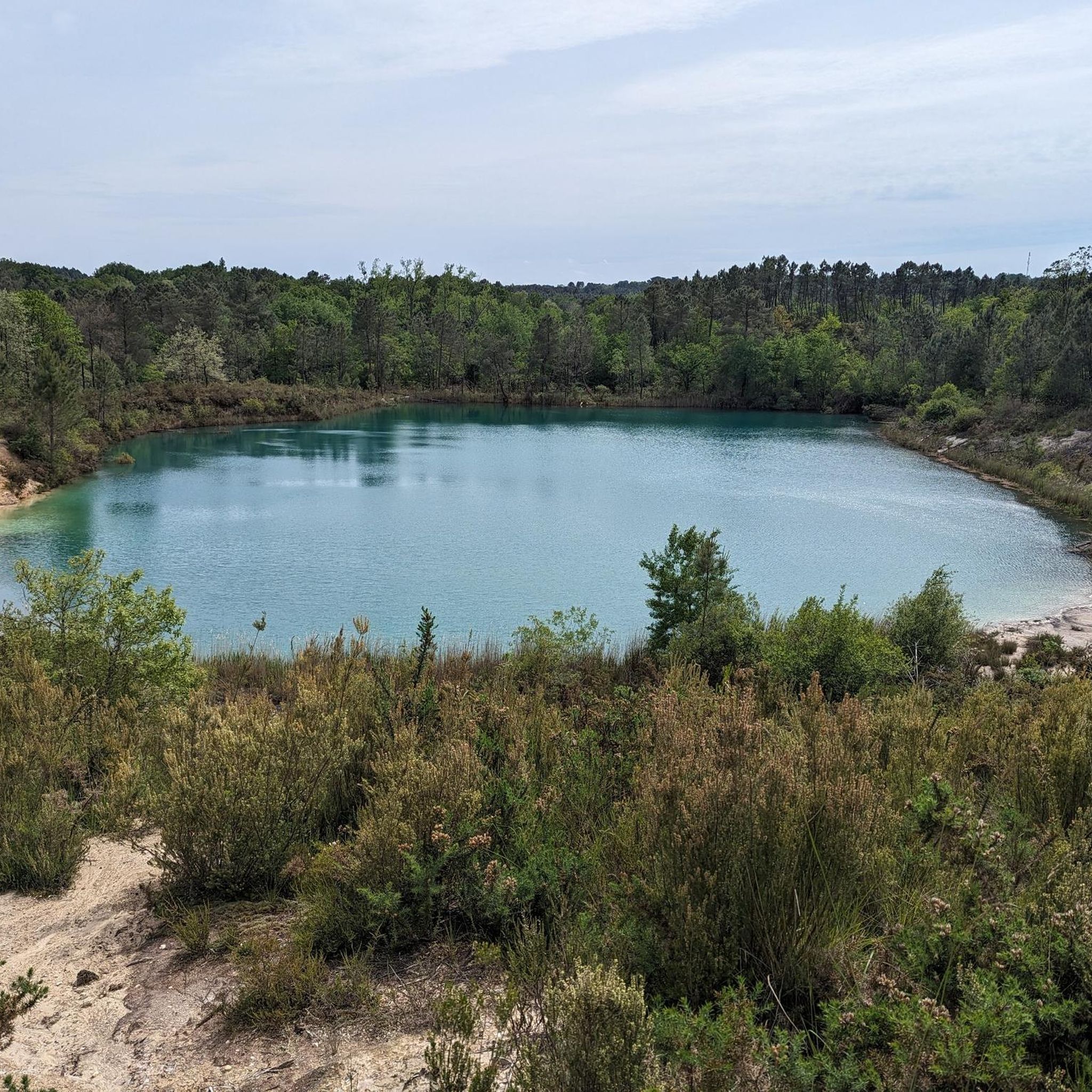
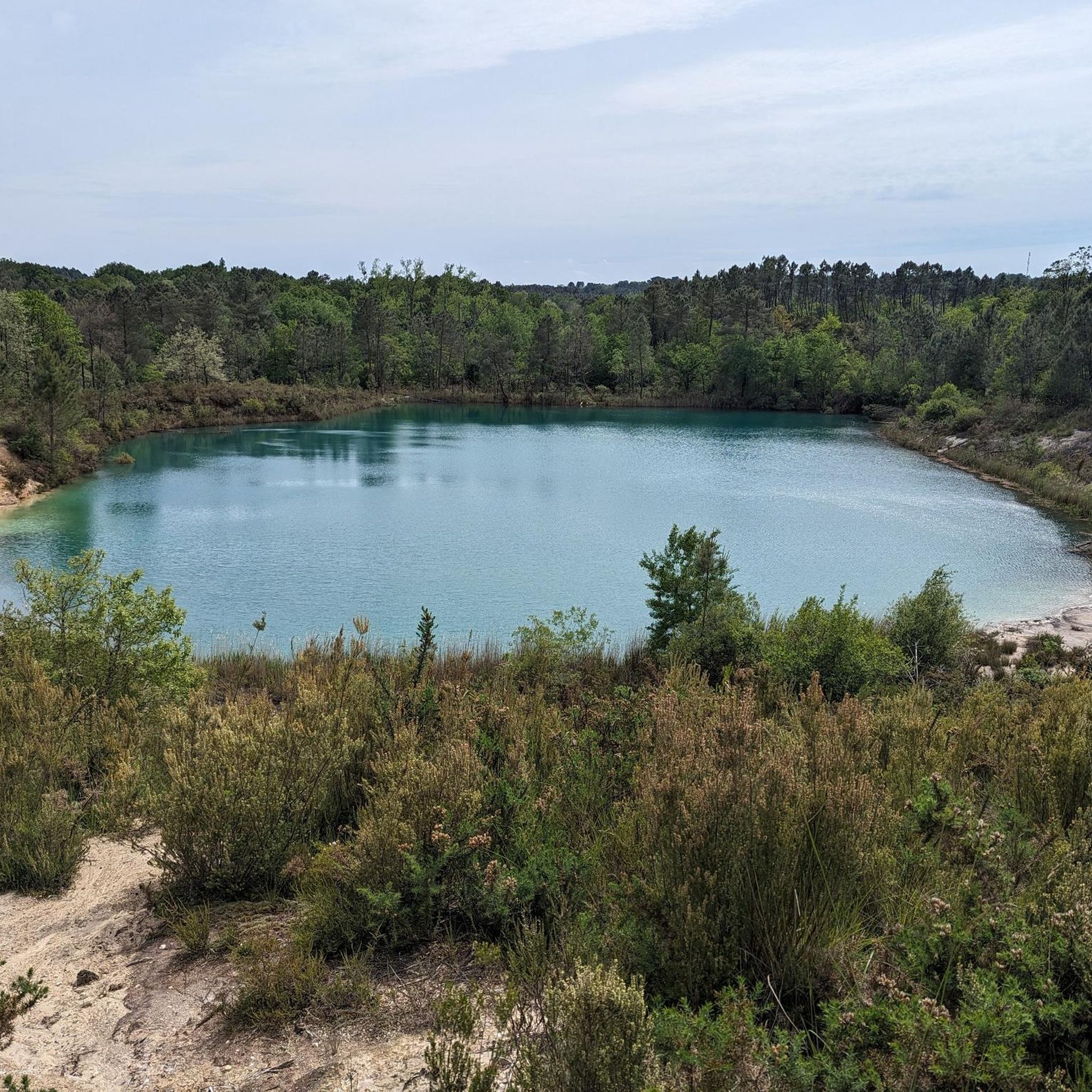
Blue Lake of Touvérac
Highlight • Lake
Translated by Google •
Tip by

Sign up now to discover places like this
Get recommendations on the best single tracks, peaks, & plenty of other exciting outdoor places.
Sign up for free
An abbey turned parish church
Highlight • Other
Translated by Google •
Tip by
Saint-Christophe Church of Léoville
Highlight • Religious Site
Translated by Google •
Tip by

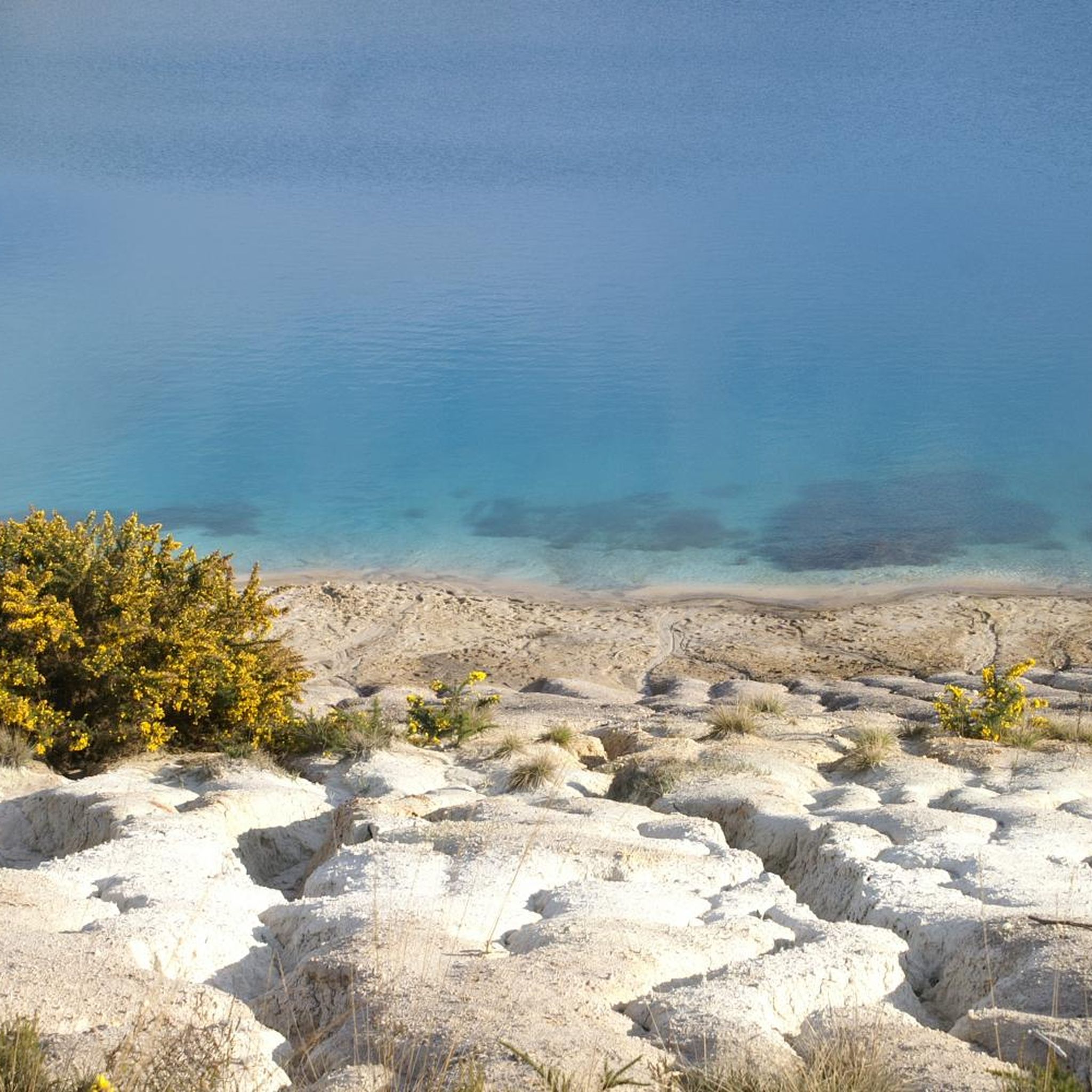
View of one of the Guizengeard ponds
Highlight • Lake
Translated by Google •
Tip by

Sign up for free to discover even more attractions around Touvérac.
Sign up for free
Already have an account?
Start today with a free account
Your next adventure awaits.
Login or Signup
Tips from the Community

Artificial natural site formed by the exploitation of a clay quarry
2
0

You have to be very careful with the roots of the acacias which lift the bitumen in places as well as the thorns of these trees. Otherwise very pleasant.
0
0
Consider deviating from the cycle path for a few minutes. Church your real the detour
1
0

The trail offers a beautiful view of the blue lake of Guizengard. The water takes on a thousand azure hues, creating an almost unreal setting. The site has great ecological value with the presence of numerous plant and animal species. Among the most remarkable, the bee-eater, this beautiful, brightly colored bird has found refuge here to the delight of walkers.
0
0

Some sections of the track are damaged by tree roots and dangerous on a road bike. I often prefer to go by road.
1
0

The church is in the form of a rectangle thirty meters long and ten meters wide, flanked by 4 buttresses, one of which is located on the north wing and the 3 others on the south wing, a bell tower and a small extension on the south west part housing a chapel dedicated to the Virgin Massive building, reinforced by buttresses, low and poorly lit, it has a facade with a Romanesque portal surmounted by a large rose window. This gate is made up of 2 straight legs, and a projecting coving made up of 3 semicircular rollers with a keystone. The oculus rose is surrounded by a frieze with a sawtooth motif. The porch opens onto a single nave 22 m long by 9 wide without side aisles. It is made up of 4 bays with semi-circular vaults. The south wall is pierced under the 1st bay with a large semi-circular arch giving access to the chapel. The north wall has a pulpit which bears a monogram which would be that of Louis XIV. The choir of the church, raised from the nave by 3 steps, consists of a flat chevet and a span of semi-circular vaults. The bedside wall is pierced at each end with a rectangular door allowing access to the sacristy. The old sacristy has just been refurbished and has a very modern look with paneling on the floor and ceiling. The chapel of the Virgin is located on the southern extension of the church. It measures 13.50 m long by 7 wide, and consists of a small single nave 10 m long by 7 wide and a choir with a flat apse. The floor of this chapel is 1.25 m lower than the floor of the church corresponding to the initial floor of the old abbey. Access to the bell tower is through a door located on the east wall of the nave of the chapel. It consists of 4 floors and a vaulted ground floor. The facing is made up of medium-sized cut stone for the ground floor and the 1st floor and rubble stone coated with brown lime for the 2nd and 3rd floors.
0
0

Remains of old white clay quarries, these blue lakes constitute a locally protected habitat with its flaura and forna. You have to go slowly and leave no traces. Swimming is prohibited in these lakes.
2
0
Remains of old white clay quarries, these blue lakes constitute a locally protected habitat with its flaura and forna. You have to go slowly and leave no traces. Swimming is prohibited in these lakes.
6
1
Frequently Asked Questions
What natural features can I explore around Touvérac?
Touvérac is renowned for its unique natural features, primarily the striking Blue Lake of Touvérac, formed from old white clay quarries. These lakes offer breathtaking panoramas with their turquoise waters and are a protected habitat. Another significant natural site is the Guizengeard Ponds, also former clay quarries, known for their ecological value and diverse plant and animal species, including the bee-eater. The broader Carrières de Touvérac area, part of a Natura 2000 site, also offers exploration opportunities.
Are there hiking trails near the blue lakes?
Yes, there are several hiking opportunities around the blue lakes. The Blue Lake of Touvérac features two interpretation trails, including the 'Terrier des Renards' circuit, perfect for nature appreciation. For more structured routes, you can find options like the 'Blue Lakes of Touvérac Loop' (moderate, 8.7 km) or the 'View of the Blue Lake – Blue Lake of Touvérac loop' (easy, 3.8 km). You can explore more hiking routes in the area on the Hiking around Touvérac guide.
What cycling opportunities are available in the Touvérac area?
The region offers excellent cycling opportunities, most notably La Voie Verte. This former railway line has been converted into a paved greenway, providing a peaceful 35 km path from Barbezieux to Clérac. It's ideal for cycling and walking, especially for families. You can find various cycling routes, including those incorporating the Voie Verte, in the Cycling around Touvérac guide and the Road Cycling Routes around Touvérac guide.
Can I swim in the Blue Lakes of Touvérac or Guizengeard Ponds?
No, swimming is strictly prohibited in both the Blue Lake of Touvérac and the Guizengeard Ponds. This is due to the significant depth (30-50 meters) and the unstable, sticky clay at the bottom, which can be dangerous. These sites are protected habitats, and visitors are asked to respect the environment and local regulations.
What historical sites can I visit in Touvérac and its surroundings?
The area boasts several historical landmarks. You can visit the Saint-Christophe Church of Léoville, an 11th-century religious building with Romanesque features and later Gothic additions. Nearby, you'll find An abbey turned parish church in Baignes, which has a rich history dating back to the 11th century, though it underwent significant destruction and modification over time. The Saint-Martin Church in Touvérac (11th century) and the 19th-century Château de Saint-Bernard also contribute to the region's historical depth.
Are there family-friendly attractions around Touvérac?
Absolutely. The Voie Verte is an excellent option for families, offering a safe and peaceful paved path for cycling and walking through the countryside. The natural sites like the Blue Lake of Touvérac and Guizengeard Ponds are also suitable for family outings, providing easy trails and beautiful scenery for nature appreciation, though caution should be exercised near the water.
What do visitors particularly enjoy about the attractions in Touvérac?
Visitors frequently praise the tranquility and natural beauty of the area. The Voie Verte is loved for its peaceful, car-free environment, making it a real pleasure for cyclists and families. The Blue Lake of Touvérac is appreciated for its distinct blue waters and unique protected habitat. The historical churches, such as the Saint-Christophe Church of Léoville, are valued for their architectural heritage and historical significance.
Is there parking available at the Blue Lakes of Touvérac?
Yes, parking facilities have been improved at natural sites like the Guizengeard Ponds, which are similar to the Blue Lakes of Touvérac in their origin and management. While specific details for the Blue Lake of Touvérac parking aren't explicitly provided, it's generally understood that efforts are made to manage tourism and provide access, so visitors should look for designated parking areas upon arrival.
What is the best time of year to visit Touvérac?
The best time to visit Touvérac for outdoor activities like hiking and cycling on the Voie Verte and exploring the natural sites like the Blue Lake of Touvérac is typically during the spring, summer, and early autumn months. The weather is generally pleasant for outdoor exploration, and the natural landscapes are at their most vibrant. Interpretation trails are open for nature appreciation during these seasons.
Are there any accessible trails for visitors with mobility needs?
While specific details on wheelchair accessibility for all trails are not extensively provided, the Voie Verte, being a paved former railway line, generally offers a smoother surface suitable for a wider range of users, including those with mobility needs or pushing strollers. It's advisable to check local conditions for specific sections, as some parts may have tree root damage.
Are there any dog-friendly walking options in Touvérac?
Many of the natural trails and greenways in the Touvérac area, such as sections of the Voie Verte and the interpretation trails around the Blue Lake of Touvérac, are generally dog-friendly. However, it's always recommended to keep dogs on a leash, especially in protected natural habitats, to protect local flora and fauna and ensure a pleasant experience for all visitors.
What is the significance of the Guizengeard Ponds?
The Guizengeard Ponds are artificial natural sites formed from clay quarry exploitation, similar to the Blue Lakes of Touvérac. They are recognized for their significant ecological value, hosting diverse plant and animal species, including the brightly colored bee-eater. The site offers beautiful views, particularly of its blue lake, and has marked paths and picnic areas for visitors to enjoy while preserving its natural integrity.

Get inspired with the komoot mobile app


Explore more
Still not found the Highlight you’re looking for? See guides of the top attractions in other regions:
