Top 5 Castles around La Bégude-De-Mazenc
Best castles around La Bégude-De-Mazenc are found in the Drôme Provençale, a region characterized by varied landscapes and historical architecture. Situated between the Vercors and Baronnies massifs, the area features rolling hills and picturesque valleys. Its cultural significance is marked by numerous medieval structures and fortified villages, offering a blend of natural beauty and historical sites.
Best castles around La Bégude-De-Mazenc
- The most popular castles is Le Poët-Laval, a historical site that is a village nestled between the Vercors…
Last updated: May 11, 2026
Le Poët-Laval
Highlight • Historical Site
Translated by Google •
Tip by

Château Loubet
Highlight • Castle
Translated by Google •
Tip by

Sign up now to discover places like this
Get recommendations on the best single tracks, peaks, & plenty of other exciting outdoor places.
Sign up for free
Rochefort-en-Valdaine Castle and Saint-Blaise Chapel
Highlight • Castle
Translated by Google •
Tip by

Marsanne Castle - Viewpoint
Highlight • Castle
Translated by Google •
Tip by

Start today with a free account
Your next adventure awaits.
Login or Signup

Tips from the Community

only 750 m
0
0


A small, medieval village that immediately captivates you with its romantic and picturesque atmosphere. A visit is highly recommended.
0
0

Perched on a hill overlooking the Jabron valley, this village, listed among the most beautiful villages in France, can be seen from afar from the road from Dieulefit to Montélimar. To get there, you will have to climb a small, very steep road on both sides, whether you come from the east or the west. In the 12th century, the order of the Hospitallers of Saint John of Jerusalem (which later became the Order of Malta) decided to establish a commandery on this hill and built a castle and its keep at the top of the village. In this era of crusades, the place served as a stopover and refuge for pilgrims heading to the Holy Land. Like any medieval village, its history is rich and the imprint of wars is very present. Marked by significant damage during the wars of religion, the village was gradually abandoned by the commanders who settled in Montélimar. This departure marked the decline of the site, which eventually transformed into a ghost village. It was from the 1920s that its rehabilitation began, and the restoration of the buildings brought a second life to this village which has managed to retain its former appearance. One of the buildings houses a museum of Dauphiné Protestantism, which has left a lasting mark on the region's history.
0
0

The village of Poët-Laval is a charming town known for its medieval history, its picturesque streets and its peaceful atmosphere. It provides a picturesque setting for visitors with its old stone houses and surrounding natural landscapes.
1
0

This castle (private property) founded in the 14ᵉ century retains very few vestiges of this period. It was refurbished in the 17ᵉ century, with a south facade made in the 19ᵉ century in a neo-medieval style. Its current quadrangular plan is confined to the corners of four circular turrets; its four wings overlook an interior courtyard accessible from the east. The agricultural outbuilding (farm) which was attached to it and adjoining to the northeast, probably in the 19ᵉ century, adopts a U-shaped plan. It has an interior courtyard and includes a stable wing.
2
0
Le Poët-Laval is ranked among the most beautiful villages in France. There is a museum of Protestantism.
1
0

Le Poët-Laval is a French municipality with 966 inhabitants. The residents are called Poët-Lavaliens or Poët-Lavalliennes. In September 2010, the village was awarded the distinction „Les plus beaux villages de France“ (The most beautiful villages in France). Villagescape: - The medieval Château des Hospitaliers of the Comtes de Poitiers, towering over the village. - Dating from the Romanesque period is the semi-ruined chapel Saint-Jean-des-Commandeurs with the tower rising above the semi-circular apse. The first structure was presumably built at the beginning of the 13th century, at the same time as the Château des Hospitaliers. It was heavily damaged during the Wars of Religion and rebuilt at the end of the 17th century. After the construction of the new church in the lower village, it lost its function in 1895; in the 1930s, the nave and sacristy collapsed. - The keep, whose facade is punctuated by Gothic pointed arch windows. - The Commanderie (Salon des Commandeurs) of the knighthood, flanked by towers, was built in the 15th century. Its facade is adorned with Gothic crosses – the eight-pointed white cross of the Knights of Malta symbolizes the eight beatitudes of the Sermon on the Mount.
1
0
Frequently Asked Questions
What are some historically significant castles or sites in the La Bégude-De-Mazenc region?
The region is rich in history. Le Poët-Laval is a magnificent medieval village with an imposing keep, once a commanderie of the Hospitallers. Rochefort-en-Valdaine Castle and Saint-Blaise Chapel features a 12th-century keep and enclosure. Additionally, Château Loubet, though private, has roots as a fortified Provençal estate from the Middle Ages and was later the country residence of a French president.
Are there any castles around La Bégude-De-Mazenc that offer panoramic views?
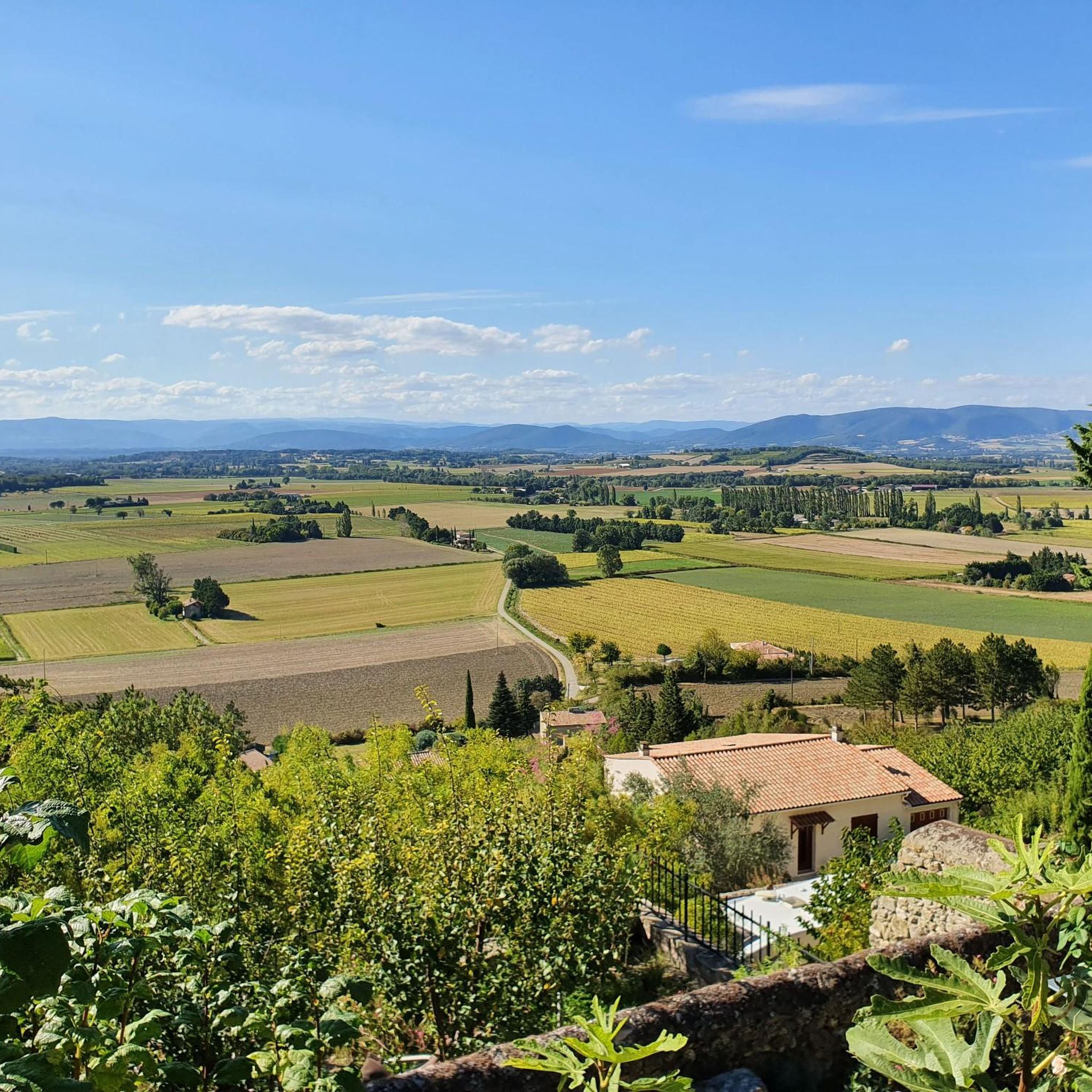
Yes, several castles and viewpoints provide excellent panoramas. From the medieval keep of Le Poët-Laval, you can enjoy an exceptional view over the Jabron valley. The ruins of Rochefort-en-Valdaine Castle and Saint-Blaise Chapel offer beautiful views of the Rhône valleys. You can also find a great perspective of the raised Château de Grignan from a dedicated viewpoint, and Marsanne Castle - Viewpoint provides a beautiful view of Montélimar.
What kind of outdoor activities can I do near the castles in La Bégude-De-Mazenc?
The area around La Bégude-De-Mazenc offers various outdoor activities. You can find numerous hiking trails, including routes like the 'Château Loubet – Santa Claus Alley loop'. For cyclists, there are MTB trails, such as 'The Chatelas – Le Poët-Laval su Mont Rachat loop'. Runners can explore running trails, including a loop around Château Loubet.
Are there any castles that are particularly good for a stroll through a historic village?
Yes, Le Poët-Laval is an excellent choice. It's labeled one of the "Most Beautiful Villages of France" and is perfect for strolling through its pretty streets, admiring stone buildings, and exploring the ancient Chateau at the top. The village itself is a historical site.
What do visitors enjoy most about the castles and historical sites near La Bégude-De-Mazenc?
Visitors frequently appreciate the blend of natural beauty and historical architecture. They enjoy the exceptional panoramas from sites like Le Poët-Laval and the historical insights offered by fortified structures such as Rochefort-en-Valdaine Castle. The charm of well-preserved villages and the opportunity for scenic hikes are also highly valued.
Can I visit the Saint-Blaise Chapel near Rochefort-en-Valdaine Castle?
Yes, the very pretty Saint-Blaise Chapel is part of the Rochefort-en-Valdaine Castle and Saint-Blaise Chapel site and can be visited. The castle's well-preserved/renovated tower is also open for free visits at certain times, typically in the afternoon.
Are there any castles that were once medieval but have been transformed?
Yes, the Château de Grignan, visible from a nearby viewpoint, was originally a medieval castle that underwent significant transformation over time to become a Renaissance palace.
Are there any castles that are private property but still historically interesting?
Yes, Château Loubet is private property. However, it retains historical significance as an originally fortified Provençal estate from the Middle Ages, rebuilt in the 17th century, and later served as the country residence for a former President of France.
What is the best time of year to explore castles around La Bégude-De-Mazenc?
The Drôme Provençale region, where La Bégude-De-Mazenc is located, generally offers pleasant weather for exploring from spring through autumn. Spring and early autumn provide comfortable temperatures for walking and sightseeing, while summer can be warm but is ideal for enjoying longer daylight hours. Winter visits are possible, but some sites may have reduced opening hours.
Are there any circular walking routes that include castles in the La Bégude-De-Mazenc area?
Yes, the region offers various walking routes. For instance, the 'Château Loubet – Santa Claus Alley loop' is a moderate hiking trail that includes a castle. You can find more options for circular routes on the komoot hiking guide for the area.
Are there any less crowded castles or historical sites to visit near La Bégude-De-Mazenc?
While popular sites like Le Poët-Laval can attract visitors, exploring the ruins of Rochefort-en-Valdaine Castle and Saint-Blaise Chapel, especially if you hike to it, can offer a more secluded experience. Additionally, viewpoints like Marsanne Castle - Viewpoint provide a chance to enjoy the scenery without large crowds.
Most popular routes around La Bégude-De-Mazenc
Most popular attractions around La Bégude-De-Mazenc

Get inspired with the komoot mobile app


Explore more
Looking for the best castles somewhere else? Discover other guides around La Bégude-De-Mazenc:
