The best MTB trails around Nieul-Lès-Saintes
4.4
(225)
1,034
riders
83
rides
Mountain biking around Nieul-Lès-Saintes offers diverse landscapes, combining historical charm with natural beauty. The region features a mix of forest single-tracks, river valleys, and open terrain, providing varied riding experiences. Elevation changes are present, particularly in the more challenging sections, making it suitable for different skill levels. The area is characterized by its calcareous meadows and wooded areas, offering a rich backdrop for mountain bike trails.
Best mountain bike trails around Nieul-Lès-Saintes
- The most popular mountain bike trail is On…
Last updated: October 28, 2026
4.5
(20)
84
riders
42.3km
03:21
340m
340m
Moderate mountain bike ride. Good fitness required. Advanced riding skills necessary.
4.7
(24)
138
riders
Moderate mountain bike ride. Good fitness required. Advanced riding skills necessary.

4.0
(1)
25
riders
Moderate mountain bike ride. Advanced riding skills necessary.
4.2
(5)
22
riders
28.2km
02:13
130m
130m
Moderate mountain bike ride. Good fitness required. Advanced riding skills necessary.
3.3
(3)
15
riders
24.3km
01:49
180m
180m
Moderate mountain bike ride. Advanced riding skills necessary.
Get access to more routes and recommendations from other explorers.
Already have an account?
Our route recommendations are based on thousands of hikes, rides, and runs completed by other people on komoot.
Start today with a free account
Your next adventure awaits.

Tips from the Community

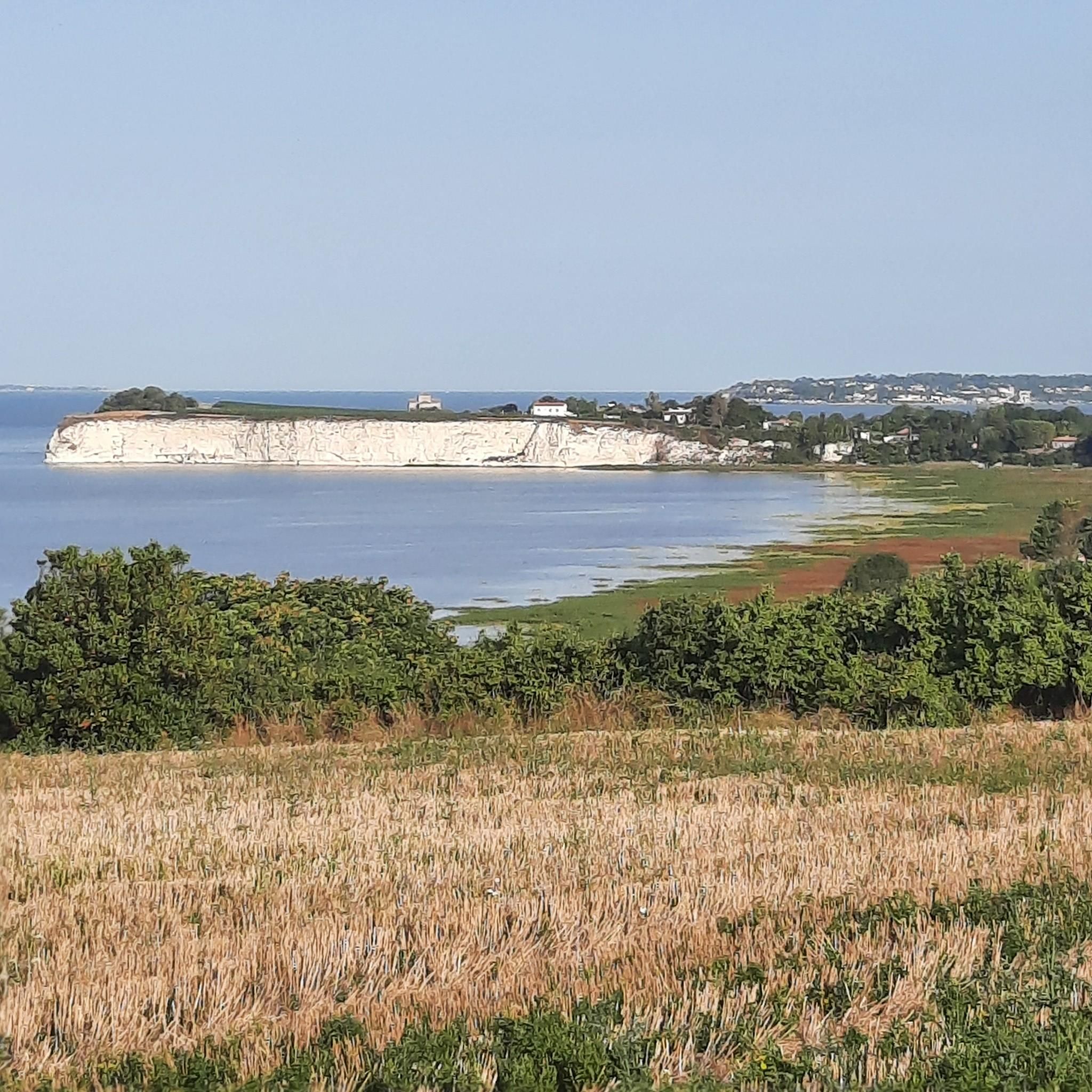
Port-d’Envaux, located on the left bank of the Charente, about 12 km downstream from Saintes, owes a large part of its history to its position on the river. The village was originally a fishing village, but it gradually became an important river port for trade. 1. Origins The Charente is a very ancient waterway. As early as the Gallo-Roman period, the river was used to transport salt from the coast inland. The name Port-d’Envaux refers to its location: the village is situated downstream from Taillebourg and in the middle of several "vaux" or valleys. The former parish was named Saint-Saturnin-de-Séchaud. 2. From the 16th to the 18th century: development of trade From the 16th century onwards, navigation on the Charente became of considerable importance. Port-d’Envaux was notably involved in the trade of: * Crazannes stone; * pottery from La Chapelle-des-Pots; * firewood and cooperage wood; * salt; * and later, wine. In the 17th century, "gabares" (barges) became the main transport vessels on the river. Successive improvements to navigation on the Charente, particularly the work undertaken under Colbert, further boosted this activity. The development of the military port of Rochefort, in particular, led to significant needs for wood and stone. 3. The 19th century: the golden age of Port-d’Envaux It was in the 19th century that Port-d’Envaux experienced its true golden age. The port became an important center for barging and shipbuilding. It housed, among other things: * boat construction yards; * marine carpenters; * sailors and captains; * sailing ships; * rope makers; * merchants. The boats transported, in particular, wine, cognac, stone, wood, and salt between the interior of Saintonge, Saintes, and the estuary of the Charente. This prosperity largely explains the presence of the large bourgeois houses and residences that can still be observed along the river. On the eve of the Revolution, Port-d’Envaux even had a navigation school, a sign of the importance of its maritime activity. 4. Gabares, sloops, and schooners The port was particularly associated with "gabares", but also with sloops and schooners. These boats made it possible to transport goods between the ports of the Charente. The "gabares" could, in particular, load stone from the neighboring quarries of Crazannes, Plassay, and Port-d’Envaux. The municipality also preserves historical documentation specifically dedicated to the "gabares" and sloops with topsails built and equipped in Port-d’Envaux. 5. The commune and its evolution The parish of Saint-Saturnin-de-Séchaud became a commune during the Revolution. Port-d’Envaux only truly became a communal capital in 1852, when the commune had about 1,536 inhabitants. It was also in the 19th century that the center of the village gradually moved closer to the river: the port became the true economic heart of the town. The current urban plan, with its small streets descending towards the Charente, retains traces of this evolution. 6. The decline of the port The situation changed radically at the end of the 19th century with the arrival of the railway. Rail transport, and then road transport in the 20th century, strongly competed with the boats on the Charente. In 1926, the Charente was declassified as a navigable waterway; in 1957, it was permanently removed from the list of navigable waterways. This was practically the end of the port's historic commercial vocation. 7. From commercial port to pleasure port After the disappearance of merchant traffic, Port-d’Envaux gradually turned towards pleasure boating and river tourism. Today, the port accommodates pleasure boats and is a leisure area on the banks of the Charente. However, the village strongly preserves the memory of its maritime past through its quays, its old merchant houses, its streets, and its towpath. An interesting feature The history of Port-d’Envaux is therefore closely linked to that of Crazannes stone. The stone extracted from the neighboring quarries was transported by river, which explains the existence of a real economic chain associating quarries → port → "gabares" → Charente → estuary of Rochefort. It is also this past that helps us understand why the village today has Les Lapidiales, located in old quarries, and why the commune places so much emphasis on "stone and water".
0
0


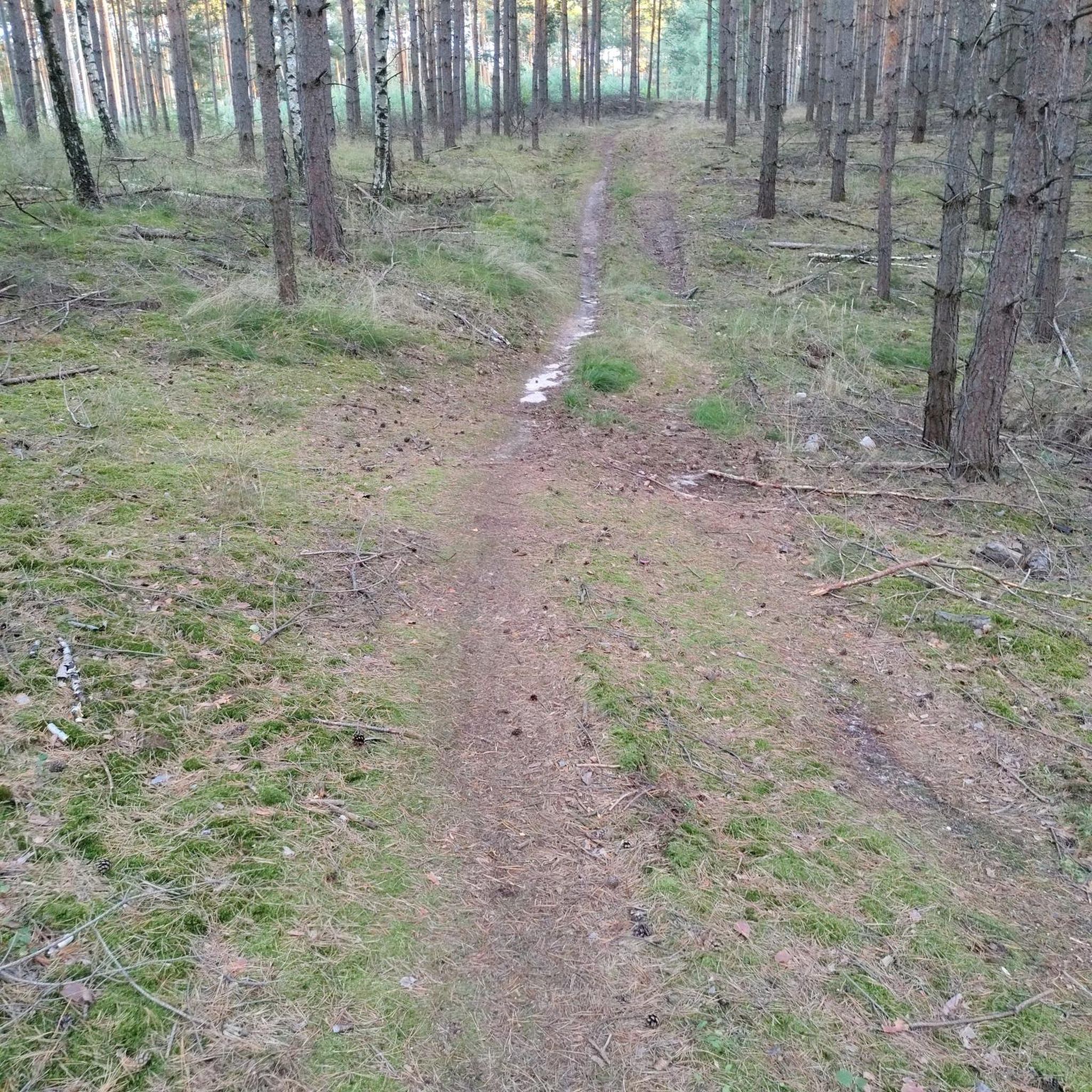
There are pretty singles in this forest
0
0


Crazannes Castle is a castle located in the commune of Crazannes in the Charente-Maritime department of France. It is known for its medieval watchtower, which was built in the 12th century. Crazannes Castle was built in the 12th century and has been owned by several noble families over the centuries. It has been expanded and modified over time, and its architecture is a mix of medieval, Renaissance and classical styles. Crazannes Castle is also home to underground caves dug into the limestone rock, which have been used as wine cellars and to store food supplies over the centuries. Visitors can explore the caves and learn about their history through guided tours. Crazannes Castle is open to the public during the summer season and offers guided tours, contemporary art exhibitions and cultural events throughout the year. It is also possible to rent rooms for private events such as weddings or receptions.
0
0

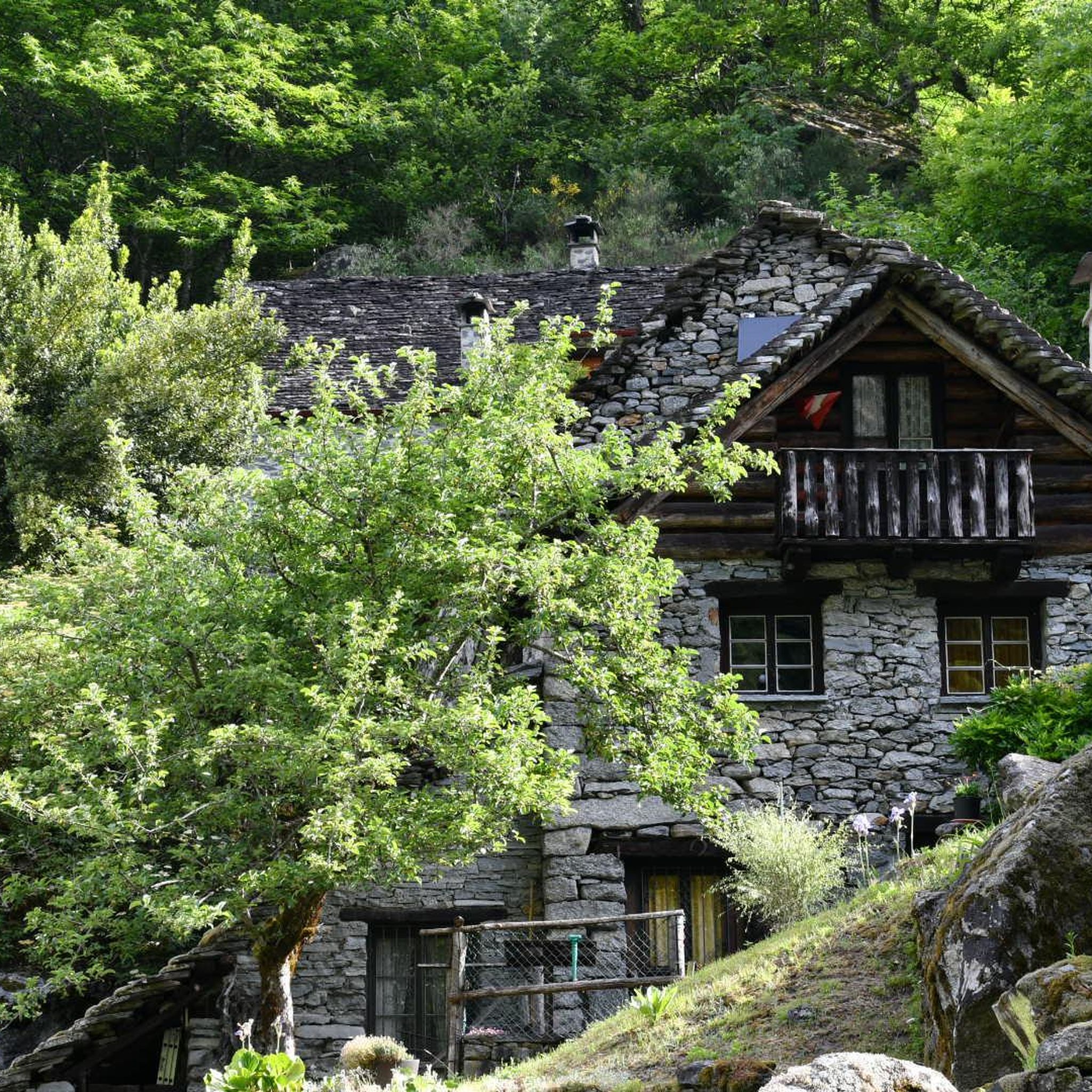
Listed as a Historic Monument, the Château de Crazannes was built in the 14th century to replace an old feudal castle. Its nickname of “Château du Chat Botté” dates back to the 17th century, when it was the property of Jules Gouffier, Count of Caravaz. An eminent character who inspired Charles Perrault to create the Marquis de Carabas, Master of Puss in Boots in his famous tale. A park with century-old trees surrounds the castle and runs along the Charente. It has been included in the pre-inventory of remarkable gardens. The castle is open to visitors all year round for an entrance fee.
1
0

Built in the 14th century, the Château de Crazannes is listed as a Historic Monument. It belonged to the Comte de Caravaz, Jules Gouffier, who inspired Perrault for the creation of the master of Puss in Boots, the Marquis de Carabas. A rereading of the tale is essential before visiting the castle and its magnificent garden!
1
0

The Château de Crazannes is one of the oldest castles in Charente-Maritime. It was built in the 14th century on the site of an 11th century medieval fortress. One of the former owners of the castle was in fact the master of "Puss in Boots", the classic tale by Charles Perrault.
3
0
Frequently Asked Questions
What types of mountain bike trails can I expect around Nieul-lès-Saintes?
The region offers a diverse mix of terrain, including significant portions of forest single-tracks, picturesque river valleys, and open calcareous meadows. You'll find routes that combine historical sites with natural beauty, providing varied riding experiences.
Are there mountain bike trails suitable for beginners or families in Nieul-lès-Saintes?
Yes, Nieul-lès-Saintes caters to various skill levels. While some routes feature challenging sections, there are also easier options. Out of 80 available tours, 20 are classified as easy, making them suitable for less experienced riders or families looking for a more relaxed outing.
What is the typical difficulty level of mountain bike trails in this area?
The majority of mountain bike trails around Nieul-lès-Saintes are classified as moderate, with 58 out of 80 tours falling into this category. These routes often require good fitness and advanced skills, especially on forest single-tracks with elevation changes. There are also 2 difficult routes for experienced riders.
What kind of elevation changes should I expect on the trails?
Elevation changes are present, particularly in the more challenging sections. For example, the Forest Stream – Crazannes Castle loop from Rulon has an elevation gain of approximately 323 meters over its 41.9 km distance. Even moderate routes like On the road to the fortified castle – Château de Nieul-lès-Saintes loop from Corme-Royal feature around 230 meters of ascent.
Are there any circular mountain bike routes available?
Yes, many routes in the area are circular. For instance, the On the road to the fortified castle – Château de Nieul-lès-Saintes loop from Corme-Royal is a popular 37.4 km loop. Another option is the The Prairies of Pessines – Super singles start! loop from La Croix, which is a 35.7 km circular route.
What historical sites or natural attractions can I see along the mountain bike trails?
The trails often incorporate historical and natural points of interest. You might pass by the medieval Crazannes Castle, or the ruins of the Château de Nieul-lès-Saintes. The region is also known for natural features like the Trou de Pampin and the biodiverse Landes de Pampin, which feature unique flora and a crystalline water table.
What do other mountain bikers say about the trails in Nieul-lès-Saintes?
The routes in Nieul-lès-Saintes are highly rated by the komoot community, with an average score of 4.4 stars from over 170 reviews. More than 800 mountain bikers have used komoot to explore the varied terrain, often praising the mix of forest single-tracks, river valleys, and historical sites.
What is the best time of year for mountain biking in Nieul-lès-Saintes?
The diverse landscapes, including forest single-tracks and open meadows, make the area enjoyable across seasons. However, the initial sections of some challenging routes can be more demanding in wet conditions, potentially requiring advanced technical skills or short sections where bikes might need to be pushed.
Are there any trails that are particularly scenic or offer great views?
The region is characterized by picturesque river valleys, wet meadows, wooded pastures, and extensive forests, providing a scenic backdrop for many routes. Trails like the Forest Stream – Crazannes Castle loop from Rulon wind through these varied landscapes, offering beautiful views of the Charente, Seugne, Coran, and Arnoult rivers.
How long do mountain bike trails typically take to complete?
Trail durations vary depending on length and difficulty. For example, a moderate 26.1 km trail like On the road to the fortified castle loop from Saint-Georges-des-Coteaux can be completed in about 1 hour 58 minutes, while longer routes such as the 41.9 km Forest Stream – Crazannes Castle loop from Rulon might take around 3 hours 17 minutes.
Is public transport available to access the mountain bike trails?
While the region is well-suited for outdoor activities, specific public transport links directly to trailheads are not extensively detailed. It is generally advisable to check local transport options or consider driving to starting points, as many routes begin from villages like Corme-Royal or Rulon.
Are dogs allowed on the mountain bike trails?
The general policy for trails in natural areas often permits dogs, especially if kept on a leash. However, specific regulations can vary by municipality or protected natural sites like the Landes de Pampin. It's always recommended to check local signage or official guidelines for each specific trail to ensure compliance.
Most popular routes around Nieul-Lès-Saintes
Most popular attractions around Nieul-Lès-Saintes

Get inspired with the komoot mobile app


Explore more
Browse the best MTB trails in other regions.
