Attractions and Places To See around Gaujac - Top 7
Best attractions and places to see around Gaujac include a blend of historical sites and cultural points of interest. The region offers a variety of experiences, from ancient churches to unique art installations. Visitors can explore local markets and discover artistic journeys in natural settings.
Best attractions and places to see around Gaujac
- The most popular attractions is Saint Cérase Church, a former abbey that is fascinating with its unusual rampart-like fortifications. Inside, it functions as a church.
- Another…
Last updated: June 29, 2026
Simorre
Highlight • Other
Translated by Google •
Tip by

Kazé - artwork by Japanese artist Teruhisa Suzuki
Highlight • Other
Translated by Google •
Tip by

Sign up now to discover places like this
Get recommendations on the best single tracks, peaks, & plenty of other exciting outdoor places.
Sign up for free
Samatan Covered Market
Highlight • Structure
Translated by Google •
Tip by

Saint Cérase Church
Highlight • Other
Translated by Google •
Tip by

Spiral Wooden Sculpture by Coline Vergez
Highlight • Monument
Translated by Google •
Tip by
Sign up for free to discover even more attractions around Gaujac.
Sign up for free
Already have an account?
Start today with a free account
Your next adventure awaits.
Login or Signup
Tips from the Community

Very pretty town with a beautiful covered market.
0
0

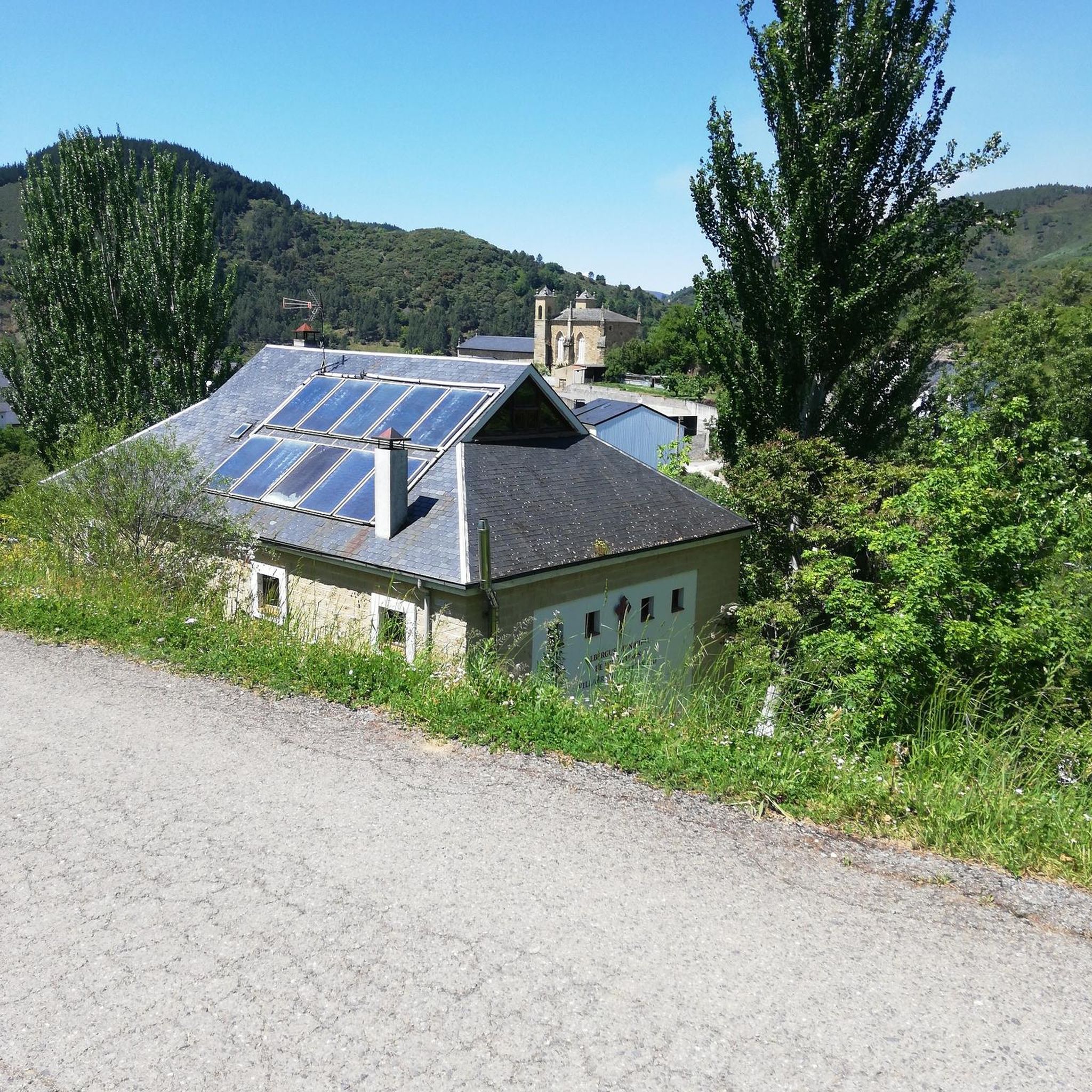
Simorre is located in the Astarac region, a very hilly area in the south of Gers, with clay soil, which runs along the Lannemezan plateau. You will be dazzled by this small medieval village and especially by the Notre-Dame-de-l'Assomption church which sits majestically in the middle of the village. As it is fortified, it looks as much like a church as a fortified castle. It is surprising.
1
0

Samatan is famous for its duck and poultry market. You will find many cafes and restaurants there for a city of this size.
0
0

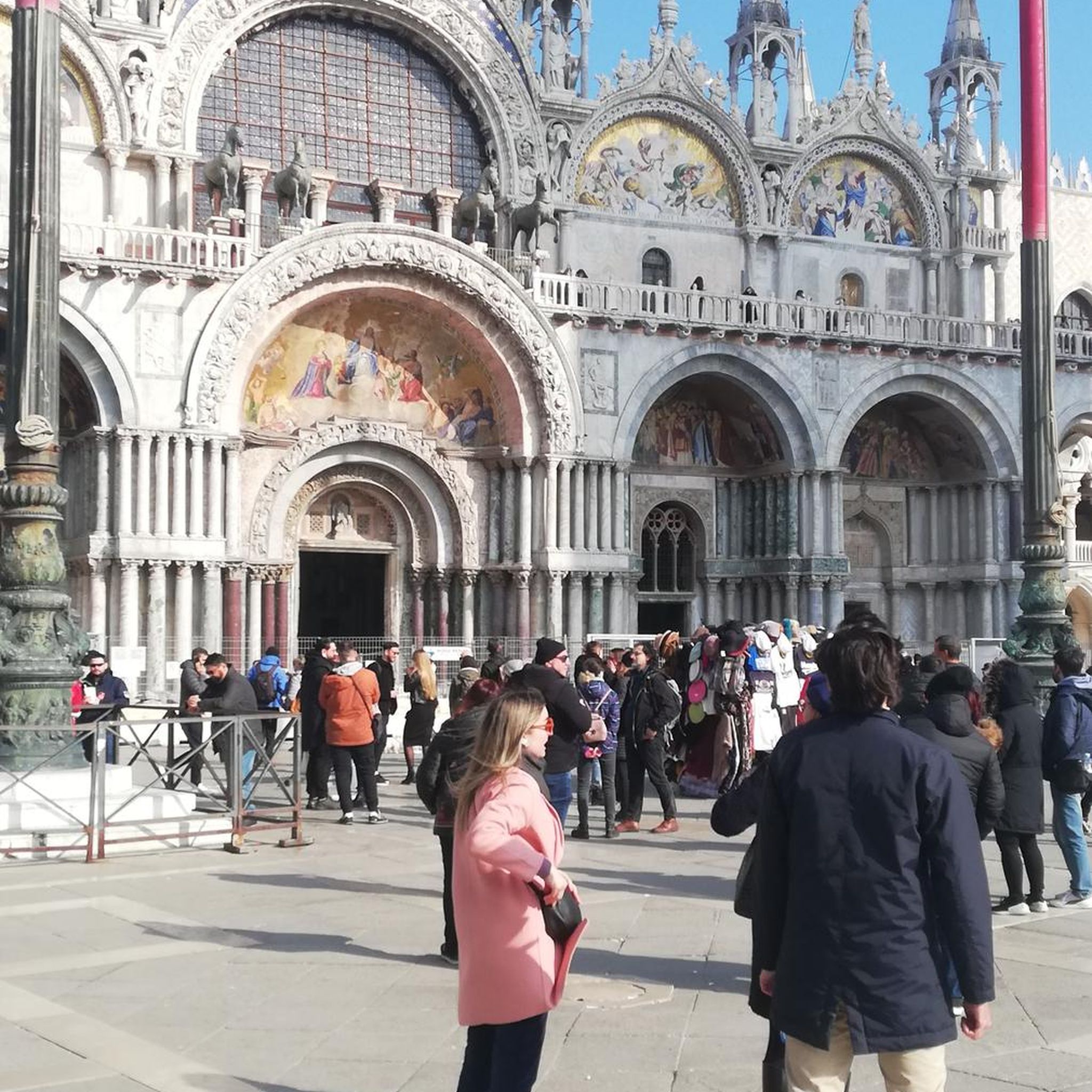
A former abbey, this church is fascinating with its unusual rampart-like fortifications. Inside, it is indeed a church.
3
1
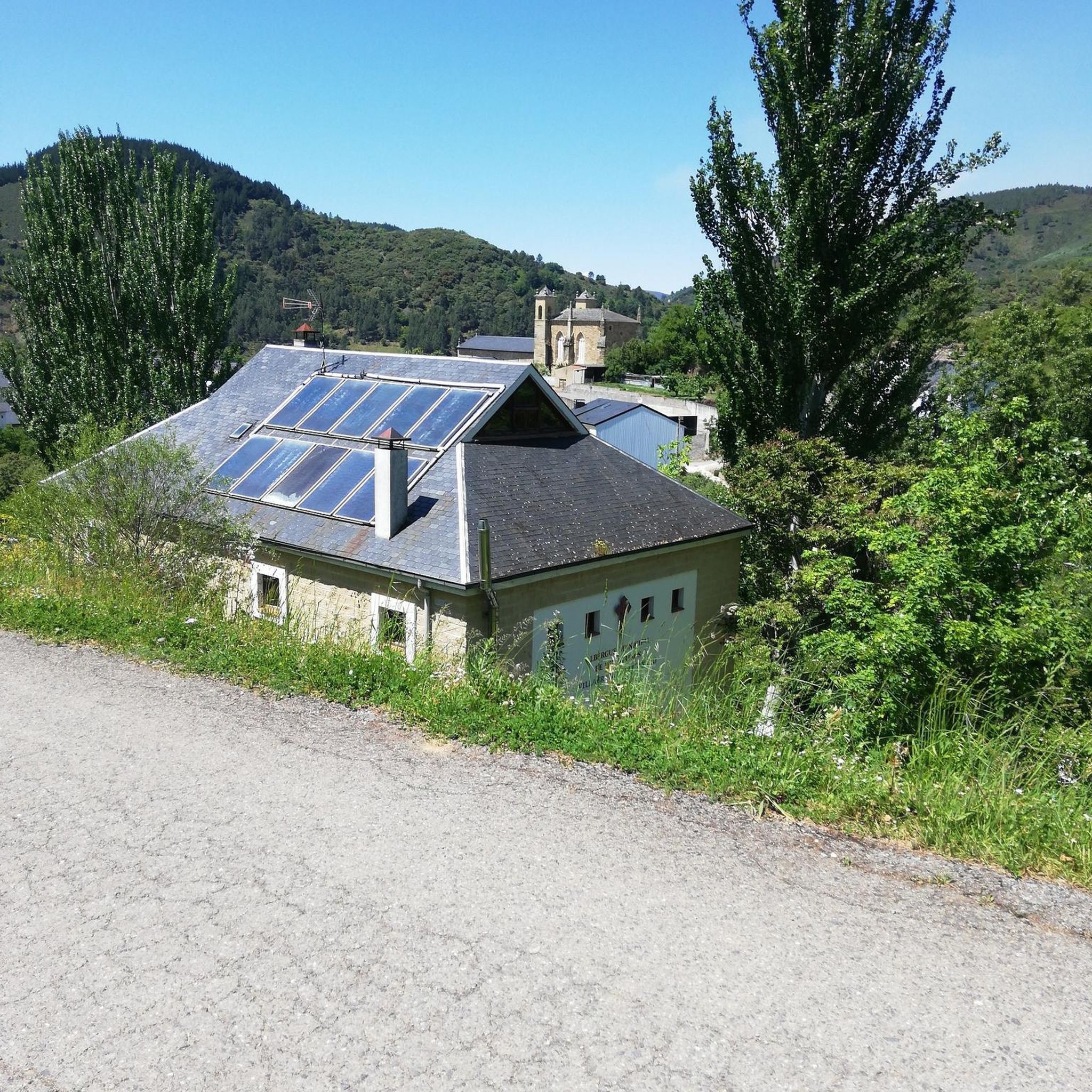
An artistic journey in the middle of nature. Art installations by local artist Coline Vergez make this trail a fantastic and interesting hike.
2
0


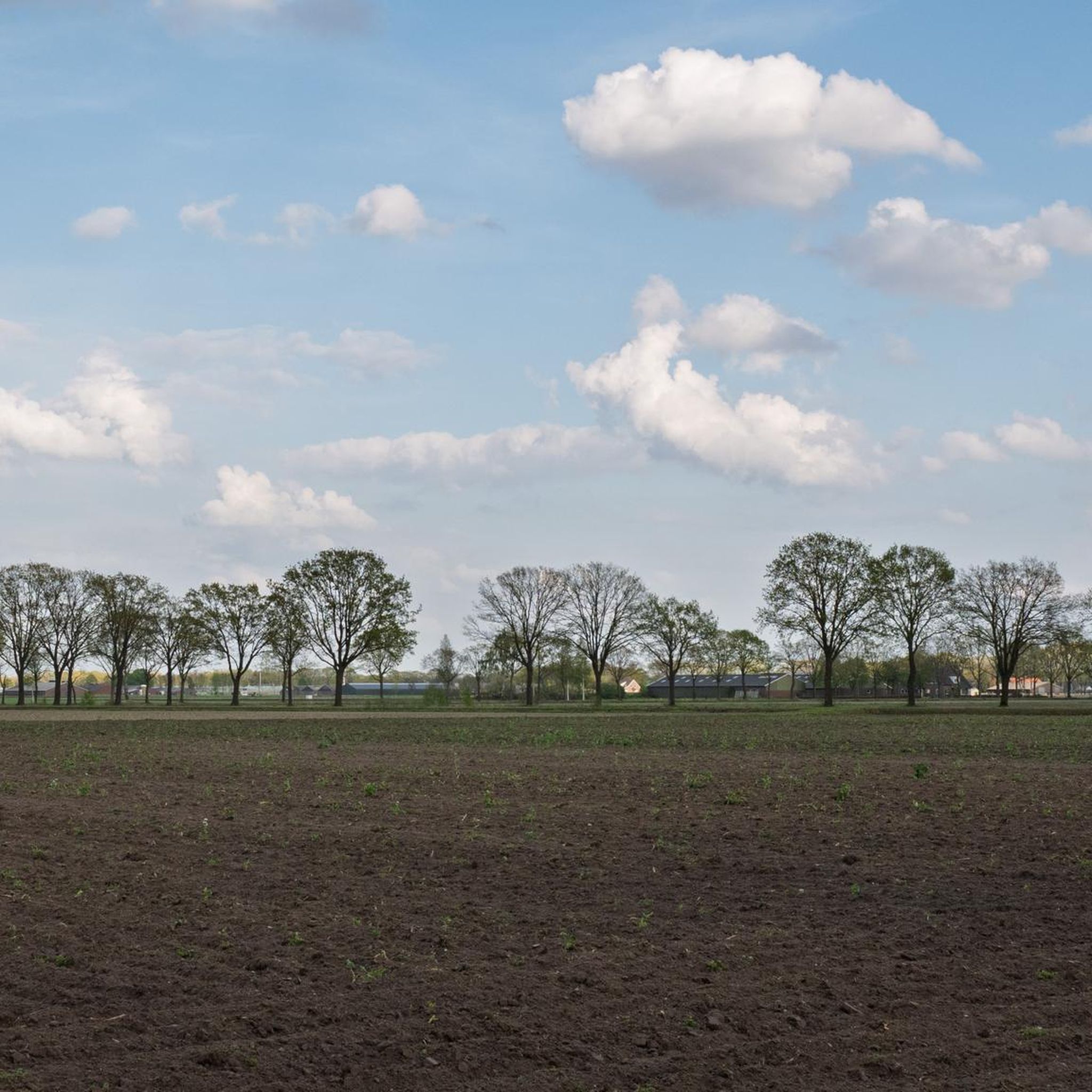
It is actually a work of art by Japanese artist Suzuki. The work was erected in 2013. The artist was born on March 5, 1956. He graduated from the Tokyo School of Fine Arts. He lives and works in Ermont, France. The man is known the world over for his "ephemeral" art produced in the great outdoors using natural materials found on site or recovered. He uses them to create his works, bringing out the character of them and their environment. His works have notably been produced in Japan, France, the Netherlands, and Greece. A tornado… in memory of the Klaus storm of 2009 which devastated 160 trees The production is called "Kazé" which means "wind" in Japanese. The sculpture of braided branches evokes a cyclone trapped in the forest. Light and majestic, it symbolizes all the strength and power of the wind. It is a memorial work, aiming to remember the terrible Klaus storm of January 24, 2009 which devastated more than 160 trees in this forest of St Elix. Since the materials are natural, the work gradually degrades over time. Seven years after her erection, she remains in generally stable condition. However, the degradation process will be the reason for this construction in the coming years. So the curious are invited to come and see her soon.
3
1
Frequently Asked Questions
What historical sites can I explore in and around Gaujac?
Gaujac and its surroundings are rich in history. Within the village, you can visit the Saint Cérase Church, a former abbey known for its unusual rampart-like fortifications. The village also features the historic Château du Gaujac and the unique Lavoir Under Glass, an ancient wash house preserved beneath a modern library. Just outside, the Gaujac Oppidum is a significant Gallo-Roman archaeological site with remains of walls, towers, and a temple. Further afield, you can find the ancient Roman aqueduct of Pont du Gard and the Roman Theatre in Orange.
Are there any unique cultural or artistic attractions near Gaujac?
Yes, Gaujac offers distinctive cultural and artistic experiences. You can discover the Spiral Wooden Sculpture by Coline Vergez, an art installation that transforms a trail into an artistic journey through nature. The Château du Gaujac periodically hosts concerts and exhibitions, particularly during July and August. For local flavor, the Gaujac Market is held every Thursday morning, offering local produce, and the Samatan Covered Market is famous for its duck and poultry.
What natural attractions are accessible from Gaujac?
From Gaujac, you have access to several impressive natural sites. The Cascades du Sautadet, located about 13 kilometers away, offer a scenic natural spectacle of waterfalls. For a grander scale, the Réserve naturelle nationale des Gorges de l'Ardèche, roughly 31 kilometers distant, features a spectacular canyon with towering cliffs and opportunities for outdoor activities like kayaking. The unique wetlands of Camargue, known for pink flamingos and wild horses, are also within reach.
What kind of outdoor activities can I do near Gaujac?
The area around Gaujac is excellent for various outdoor activities. You can find numerous cycling routes, including road cycling and touring bicycle options. For example, there are moderate road cycling routes like the 'Samatan Covered Market – Lombez loop' and more challenging touring bicycle routes such as the 'Simorre loop'. Mountain biking enthusiasts can explore trails like the 'Simorre – Land Art Sculpture loop'. You can find detailed routes and guides for these activities on the Road Cycling Routes around Gaujac, Cycling around Gaujac, and MTB Trails around Gaujac guide pages.
Are there any charming villages or towns to visit close to Gaujac?
Yes, several charming villages and towns are a short drive from Gaujac. Uzès, about 15 kilometers away, is a medieval town with a notable cathedral and garden. La Roque-sur-Cèze, recognized as one of France's 'Most Beautiful Villages,' offers picturesque steep streets. You can also visit Simorre, a medieval village with a fortified church, and Lombez, known for its typical bell tower and renovated city center.
What is the best time of year to visit Gaujac for sightseeing and outdoor activities?
The region around Gaujac, being in Occitanie, France, generally enjoys pleasant weather for sightseeing and outdoor activities from spring through early autumn. Spring (April-May) and early autumn (September-October) offer comfortable temperatures, ideal for exploring historical sites, markets, and engaging in cycling or hiking without the intense heat of summer. Summer (June-August) is also popular, especially for those interested in events at the Château du Gaujac or water-based activities in nearby gorges, though temperatures can be high.
Are there family-friendly attractions or activities around Gaujac?
Families visiting Gaujac can enjoy a variety of attractions. The Samatan Covered Market is a lively spot to experience local culture and food. The nearby Pont du Gard, a UNESCO World Heritage site, is an impressive historical marvel that can captivate all ages. The Cascades du Sautadet offer a natural spectacle, and the Réserve naturelle nationale des Gorges de l'Ardèche provides opportunities for family-friendly kayaking and exploring stunning landscapes.
Where can I find local produce or markets in Gaujac?
Gaujac hosts a small food market every Thursday morning, where you can find local produce, cheese, and deli items, sometimes featuring a mobile baker. For a larger market experience, the Samatan Covered Market is renowned for its duck and poultry, and the town of Samatan also offers many cafes and restaurants.
What do visitors particularly enjoy about the attractions around Gaujac?
Visitors appreciate the blend of historical intrigue and natural beauty around Gaujac. The Saint Cérase Church is often highlighted for its fascinating rampart-like fortifications. The Spiral Wooden Sculpture by Coline Vergez is praised for creating an artistic journey in nature. The Samatan Covered Market is popular for its local specialties and vibrant atmosphere. The overall appeal lies in discovering unique historical sites and engaging with local culture amidst beautiful landscapes.
Are there any notable dining options in Gaujac?
Yes, Gaujac boasts a highly-regarded restaurant called La Maison. It is situated in the center of the old village, partly within the original château building, offering a refined dining experience. Additionally, the village has a café, though its opening hours can be inconsistent. The nearby town of Samatan, home to the Samatan Covered Market, also offers many cafes and restaurants.
What archaeological sites are worth visiting near Gaujac?
Beyond the Gaujac Oppidum, which is a significant Gallo-Roman archaeological site with remains of walls, towers, and a temple, the region offers more. The Camp de César Archaeological Site is another large Gallo-Roman city that has been occupied since the Iron Age, providing further insight into the ancient history of the area.

Get inspired with the komoot mobile app


Explore more
Still not found the Highlight you’re looking for? See guides of the top attractions in other regions:
