Attractions and Places To See around Saint-Élix - Top 7
Best attractions and places to see around Saint-Élix-d'Astarac, located in the Gers department of Southwest France, offer a blend of historical sites and natural beauty. This region is characterized by its hilly terrain and rural landscapes. Visitors can explore medieval villages and discover unique art installations integrated into the natural environment. The area provides opportunities for those interested in local heritage and outdoor exploration.
Best attractions and places to see around Saint-Élix
- The most popular attractions is Saint Cérase Church…
Last updated: July 2, 2026
Simorre
Highlight • Other
Translated by Google •
Tip by

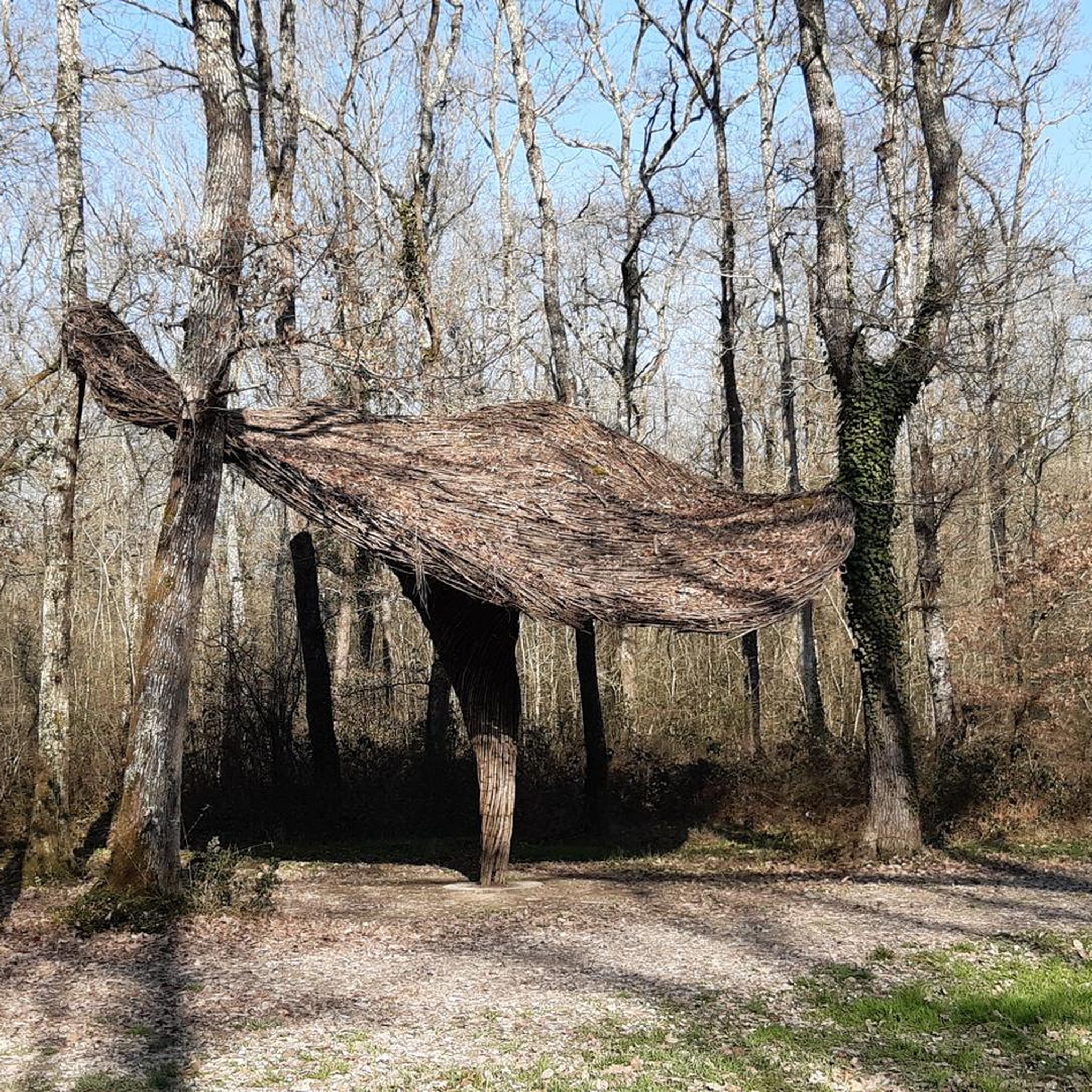
Kazé - artwork by Japanese artist Teruhisa Suzuki
Highlight • Other
Translated by Google •
Tip by

Sign up now to discover places like this
Get recommendations on the best single tracks, peaks, & plenty of other exciting outdoor places.
Sign up for free
Saint Cérase Church
Highlight • Other
Translated by Google •
Tip by

Spiral Wooden Sculpture by Coline Vergez
Highlight • Monument
Translated by Google •
Tip by
Lombez
Highlight • Other
Translated by Google •
Tip by

Sign up for free to discover even more attractions around Saint-Élix.
Sign up for free
Already have an account?
Start today with a free account
Your next adventure awaits.
Login or Signup
Tips from the Community

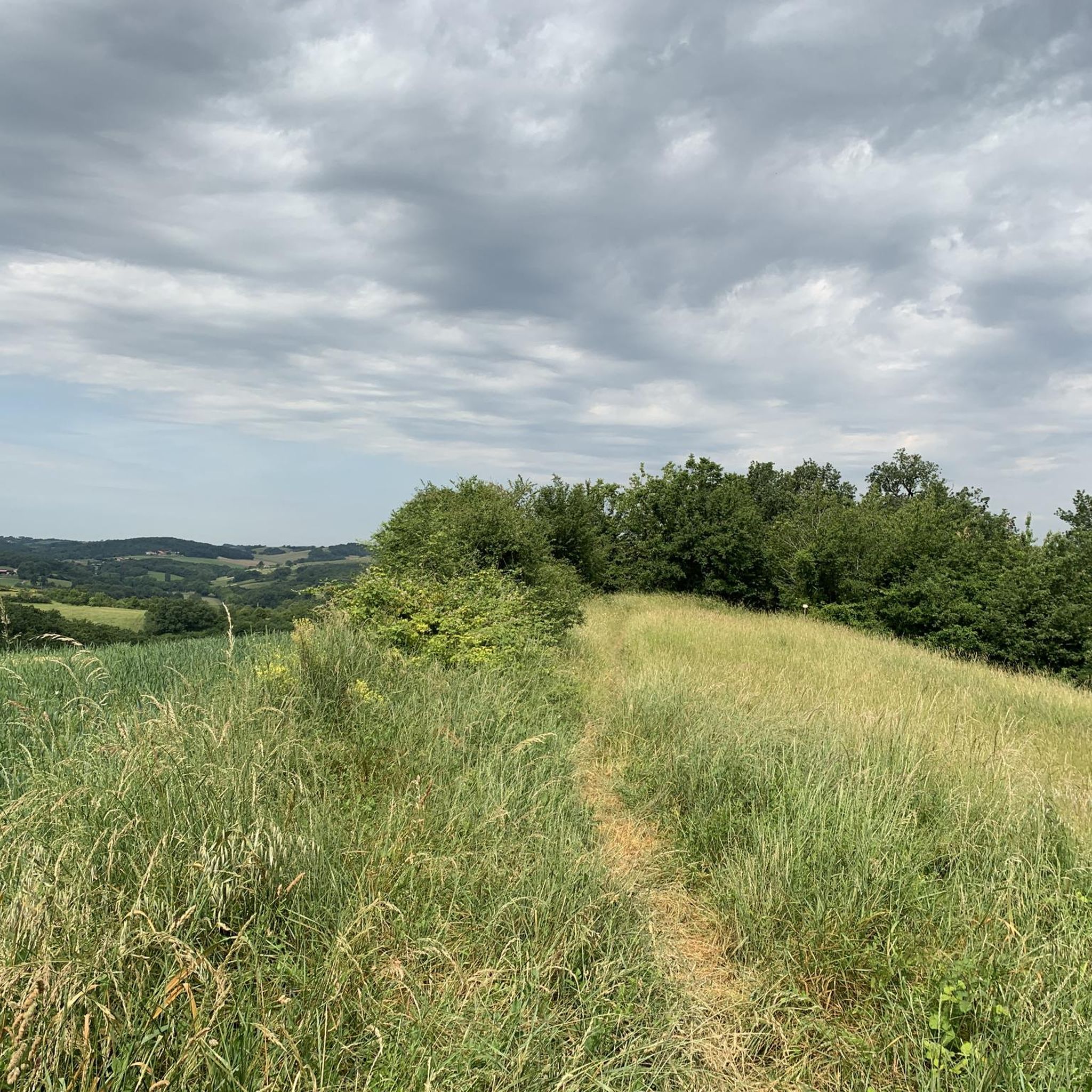
Simorre is located in the Astarac region, a very hilly area in the south of Gers, with clay soil, which runs along the Lannemezan plateau. You will be dazzled by this small medieval village and especially by the Notre-Dame-de-l'Assomption church which sits majestically in the middle of the village. As it is fortified, it looks as much like a church as a fortified castle. It is surprising.
1
0


The city center, where most shops and services are located, is now eligible for community funding for its renovation.
0
0

A former abbey, this church is fascinating with its unusual rampart-like fortifications. Inside, it is indeed a church.
3
1
An artistic journey in the middle of nature. Art installations by local artist Coline Vergez make this trail a fantastic and interesting hike.
2
0


It is actually a work of art by Japanese artist Suzuki. The work was erected in 2013. The artist was born on March 5, 1956. He graduated from the Tokyo School of Fine Arts. He lives and works in Ermont, France. The man is known the world over for his "ephemeral" art produced in the great outdoors using natural materials found on site or recovered. He uses them to create his works, bringing out the character of them and their environment. His works have notably been produced in Japan, France, the Netherlands, and Greece. A tornado… in memory of the Klaus storm of 2009 which devastated 160 trees The production is called "Kazé" which means "wind" in Japanese. The sculpture of braided branches evokes a cyclone trapped in the forest. Light and majestic, it symbolizes all the strength and power of the wind. It is a memorial work, aiming to remember the terrible Klaus storm of January 24, 2009 which devastated more than 160 trees in this forest of St Elix. Since the materials are natural, the work gradually degrades over time. Seven years after her erection, she remains in generally stable condition. However, the degradation process will be the reason for this construction in the coming years. So the curious are invited to come and see her soon.
3
1
Frequently Asked Questions
What historical sites can I visit around Saint-Élix-d'Astarac?
The region offers several historical gems. You can explore the Saint Cérase Church, a former abbey with unusual rampart-like fortifications. Additionally, the medieval village of Simorre features the fortified Notre-Dame-de-l'Assomption church, which uniquely blends religious and defensive architecture.
Are there any unique art installations to discover in the area?
Yes, Saint-Élix-d'Astarac is home to intriguing outdoor art. You can find the Spiral Wooden Sculpture by Coline Vergez, an artistic installation that is part of a nature trail. Another notable piece is Kazé – artwork by Japanese artist Teruhisa Suzuki, a sculpture of braided branches symbolizing the strength of the wind and serving as a memorial to the Klaus storm of 2009.
What kind of outdoor activities are available near Saint-Élix-d'Astarac?
The hilly terrain around Saint-Élix-d'Astarac is ideal for various outdoor activities. You can find numerous routes for hiking, cycling, and running. Many of these routes incorporate the region's natural beauty and artistic installations.
Can I find easy walking trails suitable for beginners around Saint-Élix-d'Astarac?
Absolutely. For an easy and interesting walk, consider the "Sentier Dessin du Kazé — loop from Saint-Élix." This route is approximately 3.6 km long and offers a chance to see the Kazé artwork by Teruhisa Suzuki.
What is Simorre known for?
Simorre is a charming medieval village in the Astarac region. It's particularly known for its fortified Notre-Dame-de-l'Assomption church, which is a striking architectural feature, resembling both a church and a castle.
Are there any family-friendly activities or attractions in the area?
The outdoor art installations, such as the Spiral Wooden Sculpture by Coline Vergez and the Kazé artwork, are integrated into nature trails, making them engaging for families to explore together. The medieval village of Simorre also offers an interesting historical experience for all ages.
What do visitors enjoy most about the attractions around Saint-Élix-d'Astarac?
Visitors frequently appreciate the unique blend of history and art found in the region. The unusual rampart-like fortifications of the Saint Cérase Church and the surprising fortified church in Simorre are often highlighted. The artistic installations, like the Spiral Wooden Sculpture, are also popular for their integration into the natural landscape.
Are there any dog-friendly trails or attractions near Saint-Élix-d'Astarac?
Many of the nature trails and outdoor art installations, such as the path leading to the Spiral Wooden Sculpture or the "Sentier Dessin du Kazé," are suitable for walks with dogs, provided they are kept on a leash and you clean up after them. Always check local signage for specific restrictions.
What is the best time of year to visit Saint-Élix-d'Astarac for outdoor activities?
The Gers department generally experiences pleasant weather from spring through early autumn (April to October), making these months ideal for outdoor activities like hiking and cycling. The rural landscapes are particularly beautiful during these seasons.
Where is Lombez located and what can I find there?
Lombez is another nearby town where you can find a city center with shops and services. It's also noted for its pretty bell tower, typical of the region, and is currently undergoing renovation efforts to enhance its appeal.
Are there any challenging hiking routes around Saint-Élix-d'Astarac?
While many trails are moderate, the hilly terrain of the Astarac region means some routes can be more challenging. For instance, the "Simorre – Saint Cérase Church loop from Simorre" is a moderate hike of over 15 km, offering a good workout while exploring historical sites. You can find more options in the hiking guide.
What kind of natural beauty can I expect to see in the Saint-Élix-d'Astarac region?
The region is characterized by its rolling hills and rural landscapes, offering picturesque views of the Gers countryside. Many attractions, including the outdoor art installations, are set within this natural environment, providing a blend of artistic and scenic beauty.

Get inspired with the komoot mobile app


Explore more
Still not found the Highlight you’re looking for? See guides of the top attractions in other regions:
