The best road cycling routes around Faucompierre
4.4
(123)
3,608
riders
117
rides
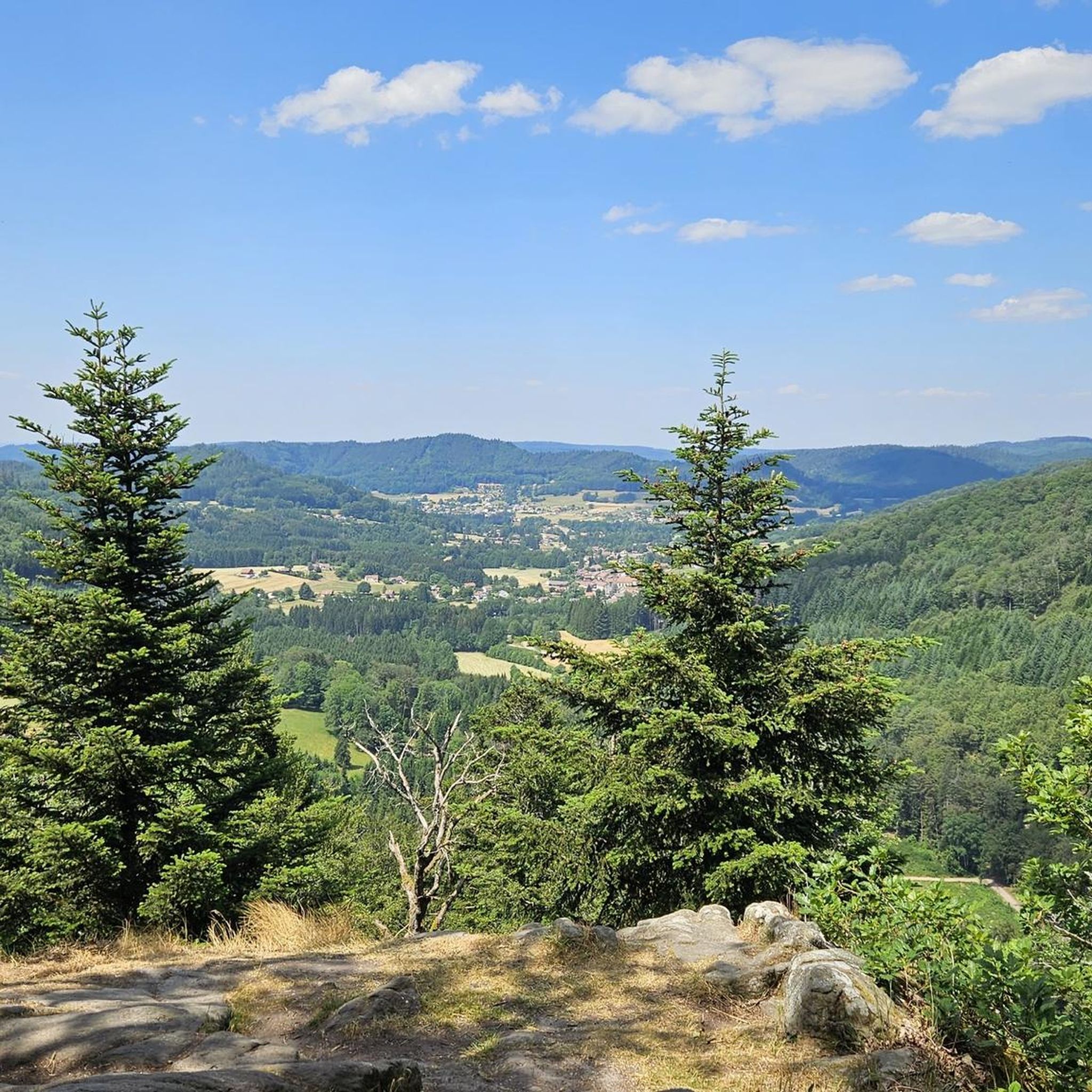
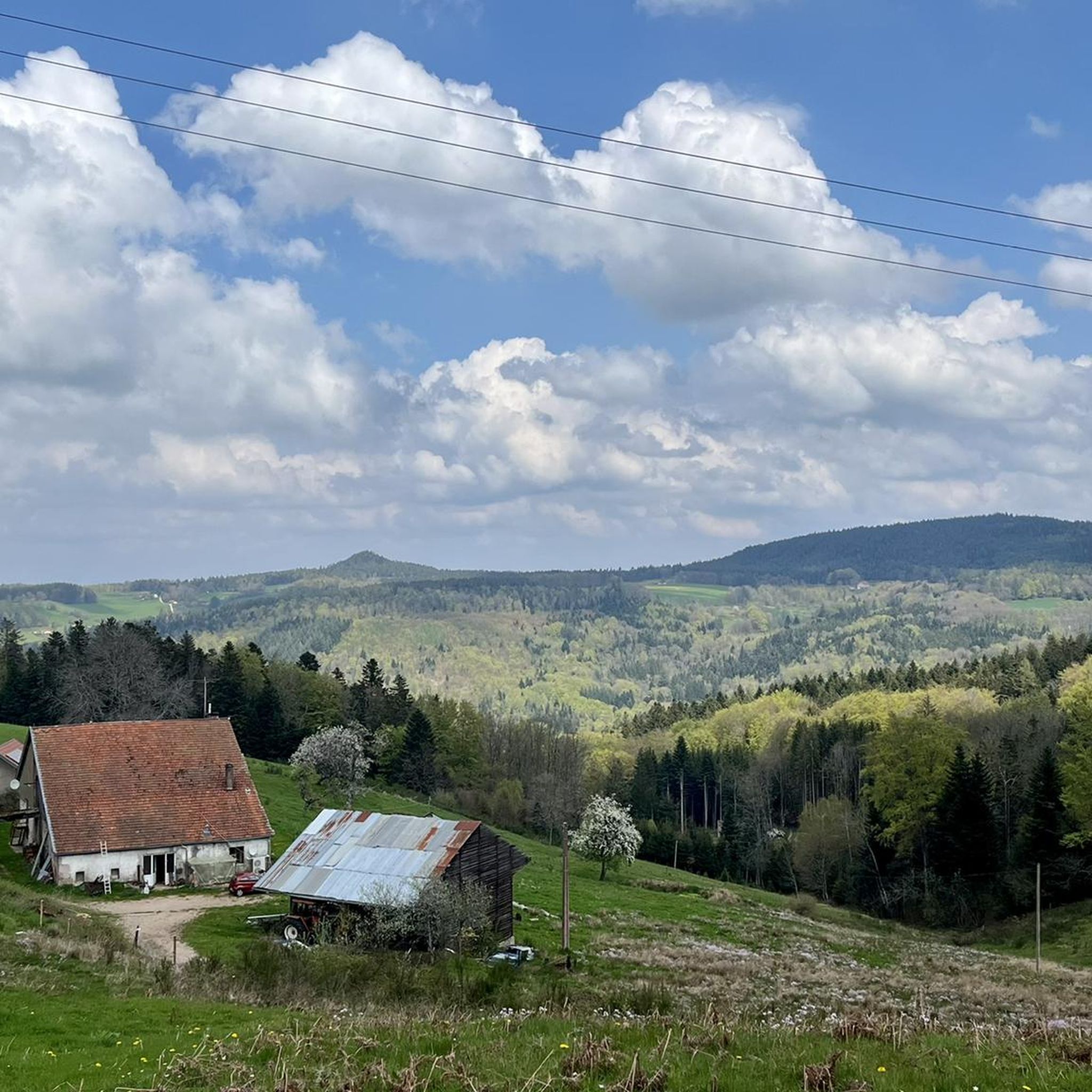
Road cycling routes around Faucompierre are set within the diverse landscapes of the Vosges mountains in France, characterized by extensive pine forests, tranquil ponds, and challenging terrain. The region offers an extensive network of roads, including scenic routes like the Route des Crêtes, providing varied landscapes from deep forests to open pastures. Cyclists can expect significant climbs and diverse elevation profiles, making it suitable for both recreational riders and structured training.
Best road cycling routes around Faucompierre
- The most popular…
Last updated: October 2, 2026
3.0
(1)
90
riders
71.6km
04:12
1,780m
1,780m
Hard road ride. Very good fitness required. Mostly well-paved surfaces and easy to ride.
5.0
(2)
47
riders
62.5km
03:33
1,200m
1,200m
Hard road ride. Very good fitness required. Mostly well-paved surfaces and easy to ride.

33
riders
109km
06:33
2,650m
2,650m
Hard road ride. Very good fitness required. Mostly well-paved surfaces and easy to ride.
30
riders
46.3km
02:04
450m
450m
Moderate road ride. Good fitness required. Mostly well-paved surfaces and easy to ride.
5.0
(1)
21
riders
48.3km
02:40
740m
740m
Moderate road ride. Good fitness required. Mostly well-paved surfaces and easy to ride.
Get access to more routes and recommendations from other explorers.
Already have an account?
Our route recommendations are based on thousands of hikes, rides, and runs completed by other people on komoot.
Start today with a free account
Your next adventure awaits.
Tips from the Community

There are no restaurants or cafes at the summit of the Col de Bramont itself. However, the pass serves as a strategic junction. From the summit, you can directly connect to the famous Route des Crêtes (the D431), which links the main mountain peaks of the Vosges. This allows you to easily cycle or hike to larger attractions nearby, such as the Col de la Schlucht, the Hohneck, or the Grand Ballon. The climb is enjoyable due to its 12 hairpin bends on the southern flank (Kruth).
7
0
The climb starts relatively calmly; the first 4.5 kilometers hardly show any significant incline, while the road runs slightly undulating along the Lac de Kruth-Wildenstein reservoir. Only after that does the real climbing work begin over a distance of about 3.5 to 4 kilometers. From that moment on, the road winds its way up via 12 characteristic hairpin bends. The gradient during this section is very constant and fluctuates almost continuously around 5 to 6%, making the climb ideal for finding a steady rhythm. The road is well-asphalted and leads entirely through a dense pine forest. This allows you to cycle delightfully in the shade, although due to the dense vegetation at the top and during the climb, there are few sweeping views of the valley. Once at the top (955m), you can descend directly to the north side towards La Bresse or join the well-known Route des Crêtes to extend the ride to, for example, the Col de la Schlucht or the Grand Ballon.
6
0
The Col d' Oderen is an 8.2 kilometer climb. This is a category 3 climb. It is located in Cornimont, Lorraine, France. The average gradient of this climb is 3.9% with a maximum of 6%. The Col d' Oderen rises from 573 meters at the start to 885 meters at the top, with a total of 312 meters of elevation gain.
7
0

Brilliant ascent to the pass relatively quiet with a pleasant gradient
4
0

the mosel turns from a stream into a river
0
0

This is the starting point for many hikes.
3
1

Very pleasant ascent, steady with a quality surface, be careful, keep a second ramp under your pedal, it hides behind before reaching the lake of Gérardmer!
1
0

Frequently Asked Questions
How many road cycling routes are available around Faucompierre?
There are over 120 road cycling routes around Faucompierre, offering a diverse range of experiences. This includes 17 easy routes for casual rides, 73 moderate routes, and 32 challenging routes for more experienced cyclists.
What kind of terrain and elevation can I expect on road cycling routes in Faucompierre?
Road cycling around Faucompierre is characterized by the challenging terrain of the Vosges mountains. You can expect significant climbs and varied elevation profiles, with routes traversing deep forests, tranquil ponds, and scenic ridgelines. Iconic climbs like Le Grand Ballon and Hohneck are accessible, offering substantial ascents.
Are there any particularly scenic routes or viewpoints for road cyclists?
Absolutely. Many routes offer breathtaking views, especially along the scenic Route des Crêtes, which provides varied landscapes from deep forests to open mountain pastures. For specific viewpoints, consider routes that pass by View of Vallée Glacière des Huites or View from La Brostille (862 m). The Vosges ridgelines also offer panoramic 360° views.
What natural attractions can I see along the road cycling routes near Faucompierre?
The region is rich in natural beauty. You can cycle past enchanting waterfalls like the Great Tendon Waterfall and the Little Waterfall of Tendon. The routes also wind through extensive pine forests, past tranquil ponds, and unique peat bogs, especially within the Ballons des Vosges Regional Nature Park.
Are there any circular road cycling routes around Faucompierre?
Yes, the Vosges region is well-suited for planning circular routes with less road overlap compared to other mountain ranges. Many of the routes around Faucompierre are designed as loops, allowing you to start and finish in the same location. For example, the difficult Col de Bramont – Col du Bramont (Southwest) loop from Tendon is a popular circular option.
What is the best time of year for road cycling in Faucompierre?
The Vosges region is ideal for cycling from spring through autumn. During these seasons, the weather is generally favorable, and the natural landscapes are at their most vibrant. Summer offers the warmest temperatures, while spring and autumn provide cooler rides and beautiful foliage. Cyclists can also take advantage of the 'Col Attitude' initiative, which periodically closes iconic mountain passes to motorized traffic, typically during warmer months.
What do other road cyclists enjoy most about cycling in Faucompierre?
The road cycling routes around Faucompierre are highly rated by the komoot community, with an average score of 4.3 stars from over 90 reviews. Cyclists frequently praise the diverse and challenging terrain, the stunning natural beauty of the Vosges mountains, and the extensive network of roads that allow for varied and engaging rides through forests and open pastures.
Are there any less crowded road cycling routes for a more peaceful experience?
While popular routes can see more traffic, the extensive network of roads in the Vosges mountains means you can often find quieter paths. Exploring routes that venture deeper into the pine forests or those slightly off the main passes can offer a more serene cycling experience. The advantage of the Vosges is the ability to plan routes with less road overlap, allowing for more secluded sections.
Can I find routes suitable for advanced road cyclists looking for challenging climbs?
Absolutely. Faucompierre is an excellent base for advanced road cyclists. The region is known for its challenging climbs, including ascents to Le Grand Ballon (1,325 meters) and Hohneck (1,363 meters). Routes like the difficult Anozel Pass – Arrentes Pass loop from Tendon offer significant elevation gains and are perfect for structured training or pushing your limits.
Are there any cafes or places to stop for refreshments along the road cycling routes?
While specific cafes are not listed for every route, the charming villages scattered throughout the Vosges region often provide opportunities for refreshments. Planning your route to pass through these villages will allow you to find local cafes, bakeries, or small shops to refuel during your ride.
What are some of the longer road cycling routes available in the area?
For those seeking longer distances, Faucompierre offers several extended routes. The difficult Col de Bramont – Col du Bramont (Southwest) loop from Tendon covers approximately 109.5 km (68 miles) and typically takes over 6 hours to complete, providing a substantial challenge for long-distance riders.
Are there any road cycling routes that are particularly good for beginners or those looking for an easier ride?
Yes, despite the region's reputation for challenging climbs, there are 17 easy road cycling routes around Faucompierre. These routes offer gentler gradients and shorter distances, making them suitable for beginners or those preferring a more relaxed pace. While not explicitly easy, the moderate Ant Mountain loop from Tendon offers a manageable distance and elevation for those looking to step up from beginner routes.
Most popular routes around Faucompierre
Most popular attractions around Faucompierre

Get inspired with the komoot mobile app


Explore more
Browse the best Road cycling routes in other regions.
