The best cycling routes around Sainte-Gemme
4.4
(238)
1,476
riders
117
rides
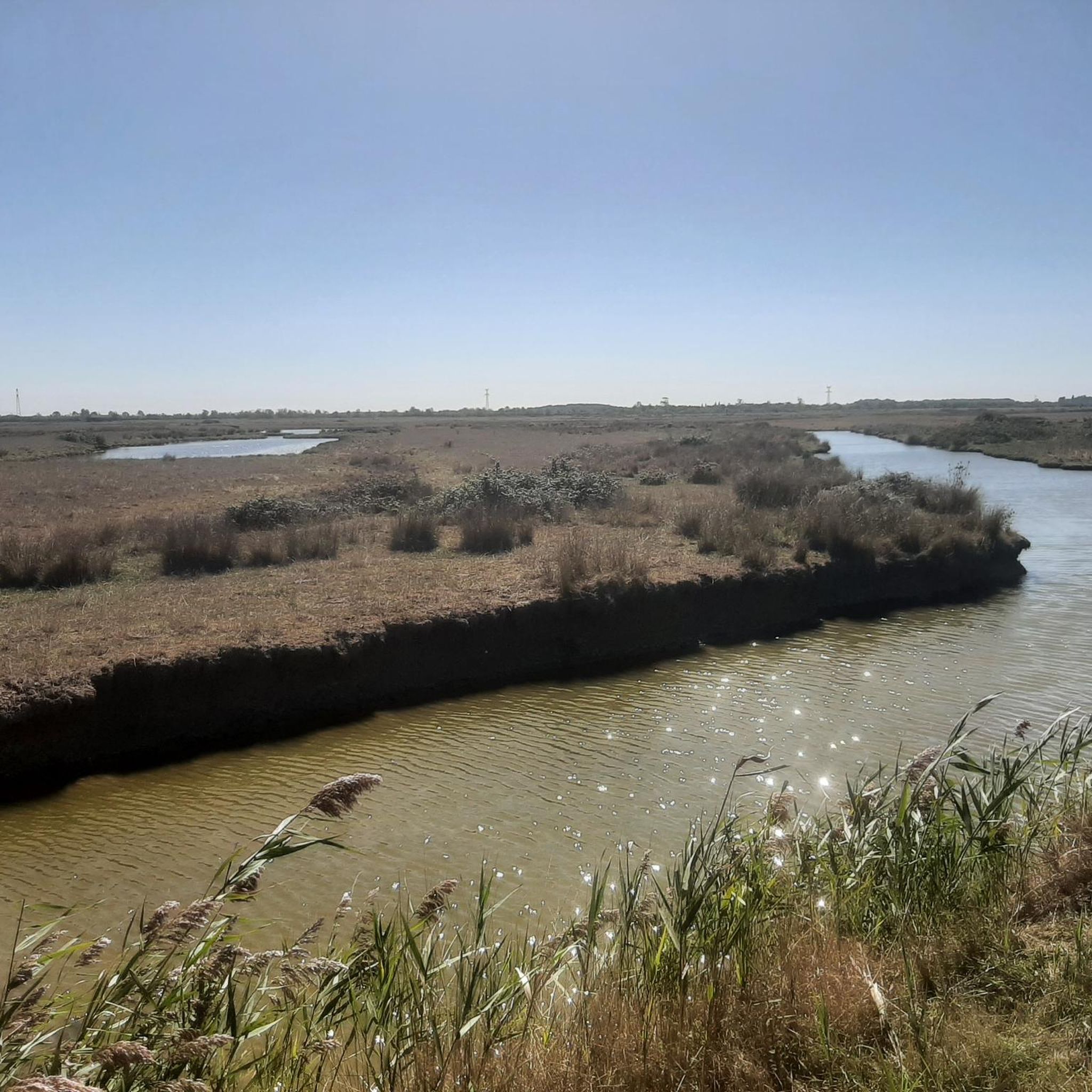
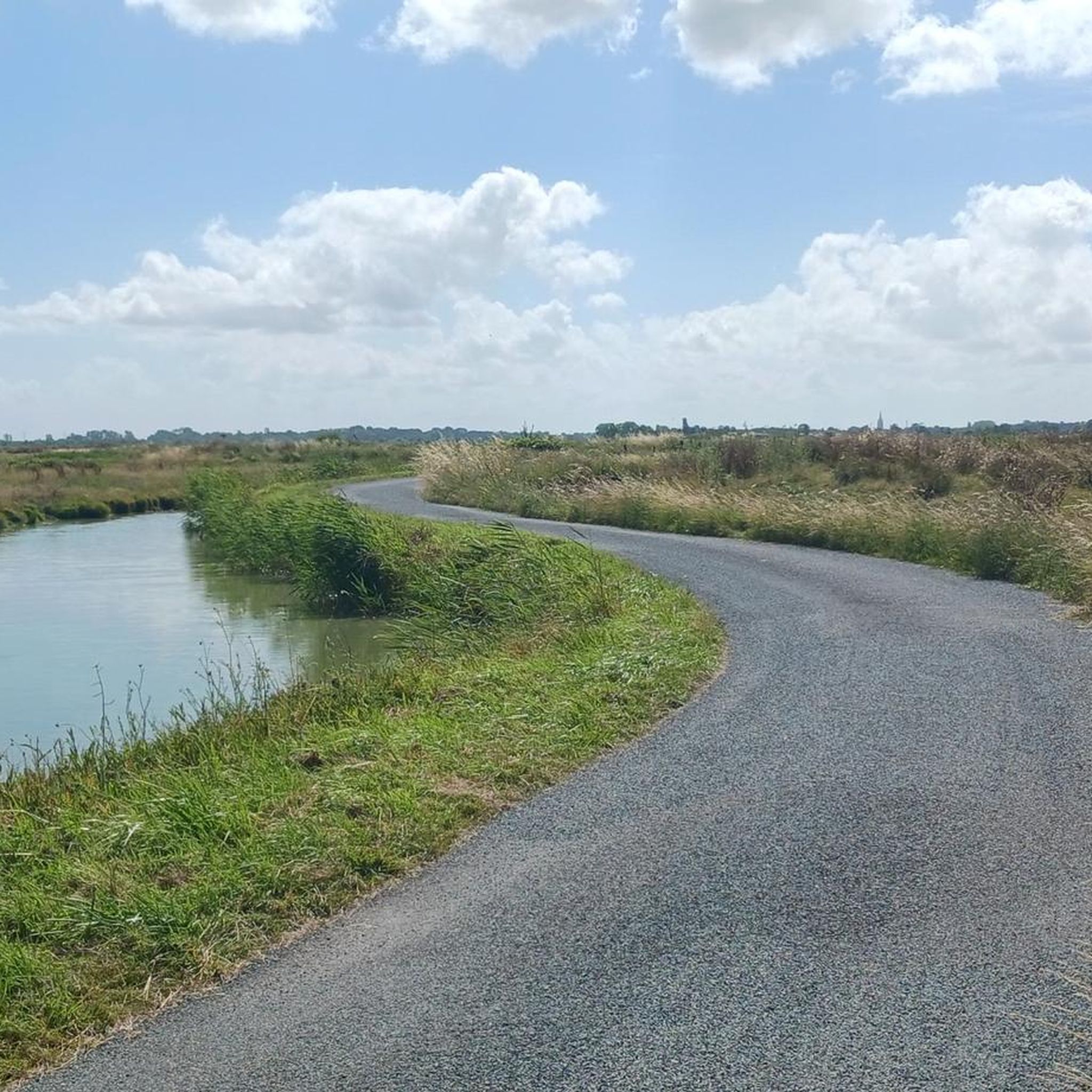
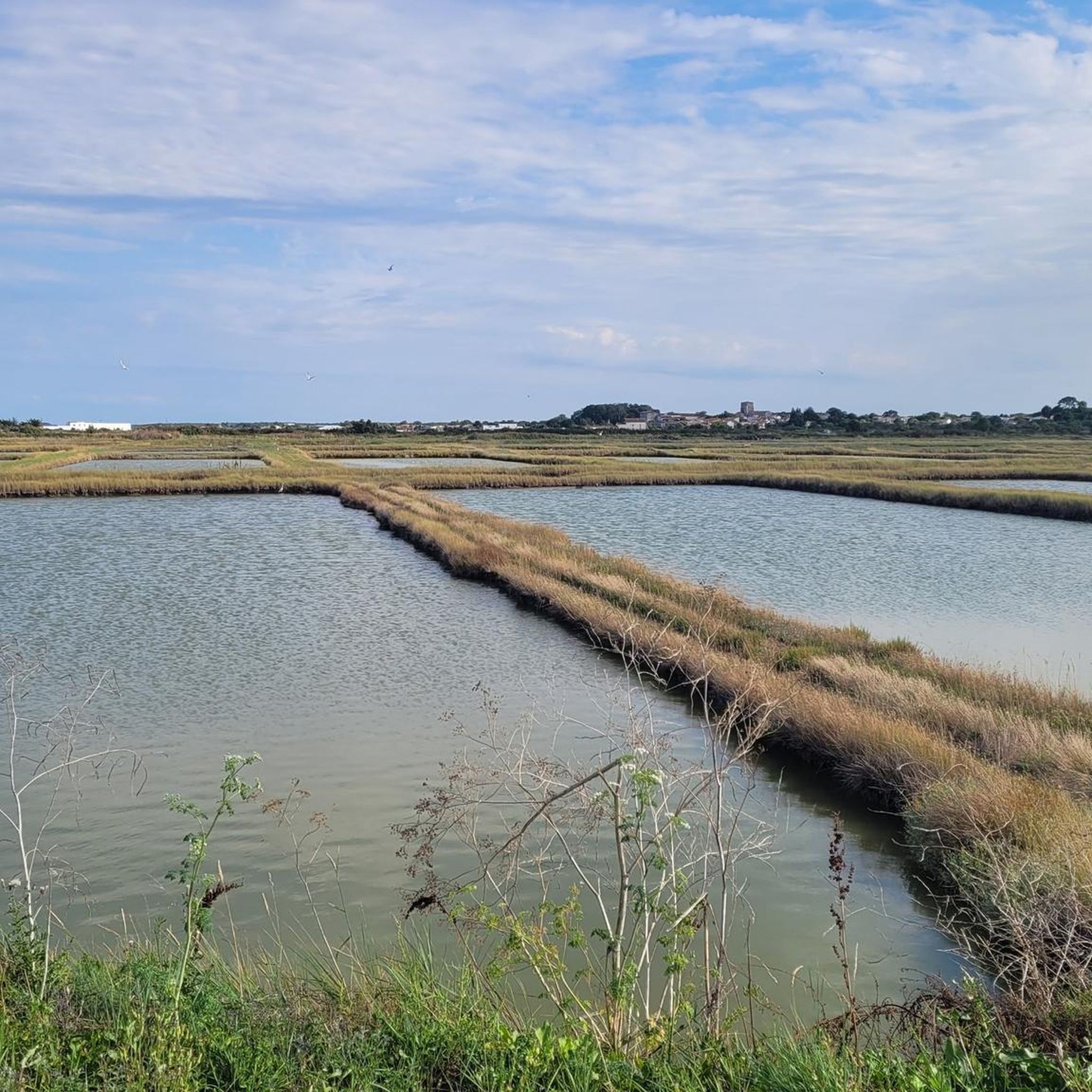
Touring cycling routes around Sainte-Gemme offer diverse landscapes, characterized by generally flat terrain and low elevation, making them well-suited for cyclists of varying abilities. The region's proximity to natural parks, such as the Parc naturel régional de la Brenne and the Marais Poitevin Regional Natural Park, provides serene settings with small lakes and open fields. These areas feature gentle topography, with elevations typically ranging from 94m to 138m, ensuring accessible and enjoyable rides. Cyclists can explore rural scenery and discover…
Last updated: July 11, 2026
5.0
(2)
12
riders
34.0km
02:23
110m
110m
Moderate bike ride. Good fitness required. Mostly paved surfaces. Suitable for all skill levels.
5.0
(1)
12
riders
25.2km
01:46
110m
110m
Easy bike ride. Great for any fitness level. Mostly paved surfaces. Suitable for all skill levels.

Sign up for free
3.0
(1)
8
riders
38.2km
02:52
190m
190m
Hard bike ride. Good fitness required. You may need to push your bike for some segments of this route.
5
riders
Moderate bike ride. Good fitness required. Mostly paved surfaces. Suitable for all skill levels.
5.0
(2)
7
riders
38.1km
02:12
90m
90m
Moderate bike ride. Good fitness required. Mostly paved surfaces. Suitable for all skill levels.
Get access to more routes and recommendations from other explorers.
Sign up for free
Already have an account?
Our route recommendations are based on thousands of hikes, rides, and runs completed by other people on komoot.
Start today with a free account
Your next adventure awaits.
Login or Signup

Tips from the Community

beautiful and very interesting building
0
0

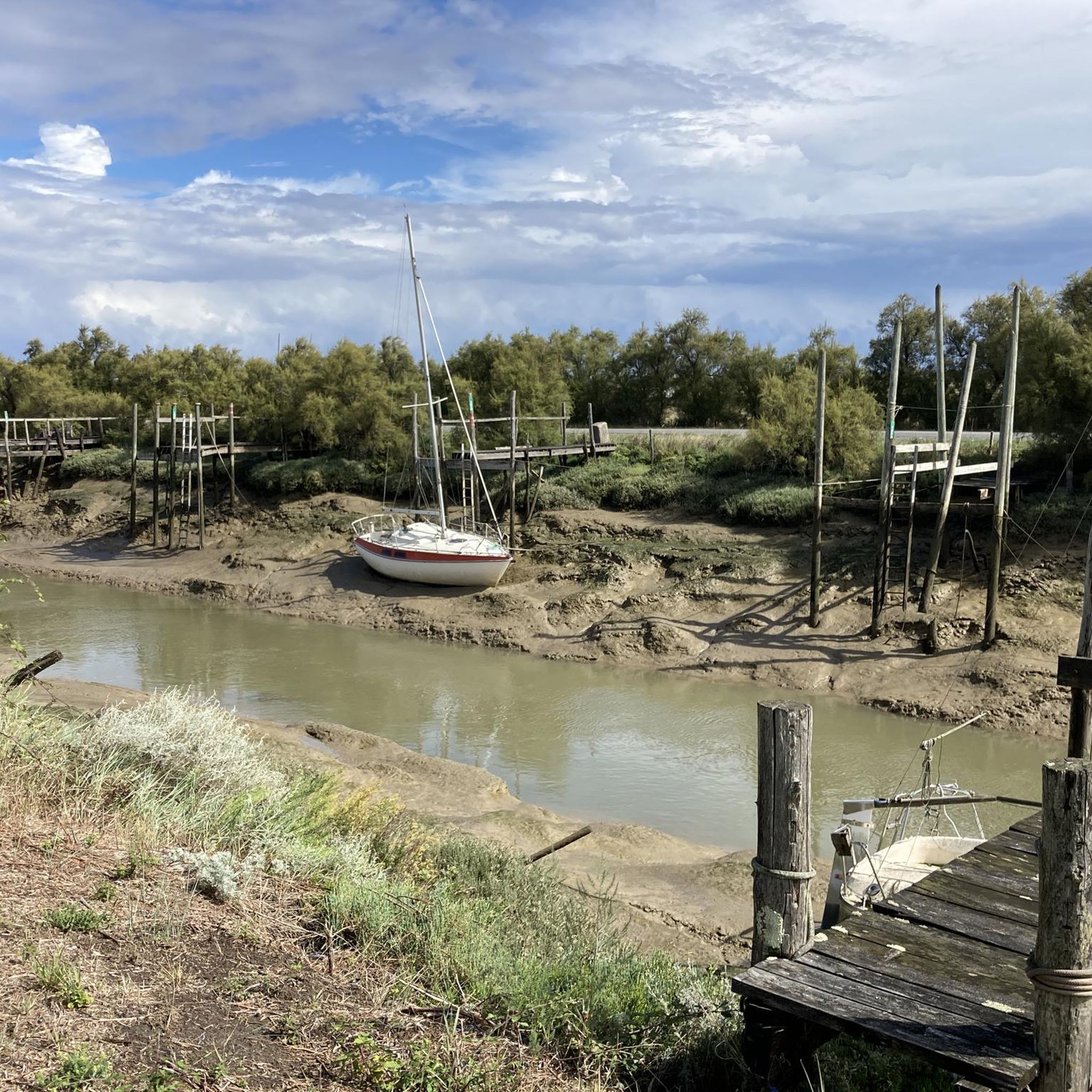
The port of Ribérou is a major heritage site in Saujon, bearing witness to a prosperous maritime past linked to the salt and wine trade. Transformed in the 19th century by ambitious works, it has now been reinvented as a place for living, relaxation, and preserving local history. 🛶 Origins and the Middle Ages The port of Ribérou takes its name from the Latin word ripa ("riverbank") or the Occitan word ribèira ("river"). It is located at the head of the Seudre estuary. It existed as early as the 11th century and became an important river and sea port thanks to its strategic position at the head of the estuary, used particularly for the salt trade—then called "white gold"—a highly sought-after product for preserving food. 🚢 Medieval Period and International Trade With the opening of British markets during the reigns of Eleanor of Aquitaine and Henry II Plantagenet, ships laden with wool, salt, wine, and other goods flocked to Ribérou. In the 16th century, the port exported local wines (such as cognac and pineau) throughout Europe. In 1577, during the Wars of Religion, the port was a strategic site: troops were stationed there, and battles took place. 🏗️ Decline, Reconstruction, and the 19th Century The estuary gradually silted up, making navigation difficult. By 1691, only smaller vessels could dock there. During the French Revolution, the sale of the tidal mill, which helped remove sediment, worsened the silting, leading to the port's decline. A modernization project began in 1822, but it wasn't until 1839 that an ambitious program was launched under the impetus of Jules Dufaure—a native of Saujon and Minister of Public Works—with the construction of sturdy quays, slipways, a lock bridge (marking the boundary between fresh and salt water), and reception facilities. In 1842, the work was completed, and the main quay was named Quai Dufaure in honor of this political support. 📉 Gradual Decline and Modernization The arrival of the railway in 1876 and the persistent problems of silting led to a decline in the port's traditional commercial activity, already facing competition from other transport networks. In the 20th century, the port gradually lost its economic importance but remained active for traditional fishing and became a place for pleasure boating, leisure, and local culture. Urban and tourism development projects (particularly in 2011–2012) modernized the port while preserving its historical charm. 🌊 Today The port of Ribérou is now a small fishing and pleasure port, much appreciated for its walks along the Seudre River, water sports (canoeing, kayaking, paddleboarding, etc.), and seasonal events.
0
0


Impressive bridge. Well worth seeing!
1
0
A truly interesting bridge. It's worth a stop.
1
0


Almost obligatory passage to cross the Charente, but it’s worth the detour
0
0
The port of Ribérou is a fishing and pleasure port located at the end of the Seudre estuary, in Saujon. It is one of the two ports in the city, along with that of Breuil, a little downstream. Active since the 11th century, it took on its current appearance from 1842, under the impetus of the Minister of Public Works at the time, Jules Dufaure, a "local boy", who thus attempted to revive maritime trade and fishing activities, which were then in decline. Ideally located, on the edge of the city center, the La Lande leisure center and the preserved areas of the Seudre marshes (towpaths transformed into walking trails), it has become one of the major tourist attractions in Saujon, where theme evenings and the July 14 fireworks are organized. In 2011, the municipality began a renovation program for the port site, entrusted to the architect-urban planner Sophie Blanchet. It consists of transforming the old car parks into a pedestrian esplanade, a real meeting place with modern street furniture and, in the long term, green spaces. From the quays, lined with bourgeois buildings, small picturesque streets lined with hollyhocks allow you to crisscross the district and reach the city centre. The Ribérou lock bridge, known as the "bridge of opposing waters", was renovated in 2010. It marks the separation between the waters of the estuary (port side: brackish water) and the waters of the river (retention basin side: fresh water). Ribérou is a starting point for certain water sports (canoeing and kayaking). It is approximately 250 metres long and 40 metres wide. From Ribérou, it is possible to reach successively the ports of Breuil (Saujon), L'Éguille, Mornac, Chaillevette, Chatressac (Chaillevette), Grandes Roches and Orivol (Étaules), La Grève in Duret and Coux (Arvert), La Grève (La Tremblade) and La Cayenne (Marennes).
0
0
Frequently Asked Questions
How many touring cycling routes are available around Sainte-Gemme?
There are over 100 touring cycling routes available around Sainte-Gemme, offering a wide variety of options for different skill levels and preferences. You'll find routes ranging from easy, leisurely rides to more challenging excursions.
What kind of terrain can I expect on touring cycling routes in Sainte-Gemme?
The terrain around Sainte-Gemme is generally flat with low elevation, making it well-suited for touring cyclists. You can expect to cycle through serene settings with small lakes and open fields, especially near natural parks like the Parc naturel régional de la Brenne and the Marais Poitevin Regional Natural Park. Elevations typically range from 94m to 138m, ensuring accessible and enjoyable rides through rural scenery and quiet country lanes.
Are there touring cycling routes suitable for beginners or those looking for an easy ride?
Yes, Sainte-Gemme offers a good selection of easy touring cycling routes. Approximately half of the routes are classified as easy, perfect for beginners or those seeking a relaxed experience. An excellent option is the Potable Water Fountain loop from Champagne, an easy 15.8-mile (25.5 km) path that winds through open fields and charming villages.
Are there any challenging touring cycling routes for experienced cyclists?
For more experienced cyclists seeking a challenge, Sainte-Gemme does offer some routes with greater difficulty. About 11 of the available routes are rated as difficult. One such option is the Tour de Broue – Descent VTT loop from Le Gua, a 23.7-mile (38.2 km) trail leading through varied rural landscapes and gentle hills, often completed in about 2 hours 51 minutes.
What natural features or landmarks can I see while cycling around Sainte-Gemme?
While cycling around Sainte-Gemme, you can explore a variety of natural and historical sites. The region is close to the Parc naturel régional de la Brenne and the Marais Poitevin Regional Natural Park, offering picturesque landscapes of lakes and fields. You might encounter charming villages and historical churches. Notable landmarks include Riberou Port, the tranquil Mornac-sur-Seudre Marshes, and historical religious buildings like the Saint-Pierre Church in Mornac-sur-Seudre and the Saint-Romain Church of Saint-Romain-de-Benet.
Are there circular touring cycling routes available in Sainte-Gemme?
Yes, many of the touring cycling routes around Sainte-Gemme are designed as loops, providing convenient circular journeys. For instance, the popular Sablonceaux Abbey – Tour de Pirelonge loop from Le Gua is a 20.9-mile (33.7 km) trail that offers a journey through rural landscapes and historical sites, returning you to your starting point.
What do other touring cyclists say about the routes in Sainte-Gemme?
The touring cycling routes in Sainte-Gemme are highly regarded by the komoot community, with an average rating of 4.3 stars from over 200 reviews. Cyclists often praise the diverse landscapes, the generally flat terrain, and the opportunity to explore rural scenery and cultural sites. Over 1000 touring cyclists have used komoot to discover the varied terrain of Sainte-Gemme.
Is parking available near the touring cycling routes in Sainte-Gemme?
While specific parking facilities are not detailed for every route, Sainte-Gemme and its surrounding rural areas generally offer various parking options in villages and near popular trailheads. Given the region's focus on outdoor activities and its proximity to natural parks, you can typically find suitable places to park your vehicle before starting your ride.
Are the touring cycling routes around Sainte-Gemme suitable for families?
Many touring cycling routes around Sainte-Gemme are well-suited for families, especially those looking for easy and mostly paved paths. The region's generally flat terrain and low elevation make it accessible for all skill levels. Routes like the Potable Water Fountain loop from Champagne are excellent choices for a relaxed family outing.
What is the best time of year for touring cycling in Sainte-Gemme?
The best time for touring cycling in Sainte-Gemme is generally during the spring and autumn months. These seasons offer pleasant temperatures, less crowded trails, and beautiful natural scenery. Summer can also be enjoyable, but it's advisable to start early to avoid the midday heat, especially on longer routes.
Can I bring my dog on the touring cycling routes in Sainte-Gemme?
Many rural and natural park areas around Sainte-Gemme are generally dog-friendly, especially on touring cycling routes. However, it's always recommended to keep your dog on a leash, particularly when passing through villages, near livestock, or in protected natural areas. Please ensure your dog is well-behaved and that you carry waste bags to maintain the cleanliness of the trails.
Are there any routes that pass by significant historical sites?
Yes, several routes offer opportunities to explore historical sites. For example, the Notre-Dame Church of Échillais – Rochefort Transporter Bridge loop from Champagne takes you past the historic Notre-Dame Church and offers views of the iconic Rochefort Transporter Bridge, providing a blend of cycling and cultural discovery.
Most popular routes around Sainte-Gemme
Most popular attractions around Sainte-Gemme

Get inspired with the komoot mobile app


Explore more
Browse the best Cycling routes in other regions.
