The best cycling routes around Bran
4.7
(57)
252
riders
30
rides
Touring cycling around Bran is characterized by its position between the Bucegi and Piatra Craiului Mountains, offering diverse terrain. The region features rugged mountain landscapes, dense forests, and expansive meadows. Valleys such as Valea Dorului and Barsa Mare, alongside gorges like Zărnești, contribute to varied cycling experiences. The Rucăr-Bran Pass provides a notable route through the area.
Best touring cycling routes around Bran
- The most popular touring cycling route is La voie verte – Voie verte de 21,5 kilomètres loop…
Last updated: July 1, 2026
4.1
(9)
58
riders
65.0km
03:51
410m
410m
Moderate bike ride. Good fitness required. Mostly paved surfaces. Suitable for all skill levels.
4.8
(5)
35
riders
Moderate bike ride. Good fitness required. Mostly paved surfaces. Suitable for all skill levels.

Sign up for free
5.0
(1)
20
riders
38.5km
03:05
280m
280m
Moderate bike ride. Good fitness required. Mostly paved surfaces. Suitable for all skill levels.
5.0
(1)
10
riders
43.1km
03:10
360m
360m
Moderate bike ride. Good fitness required. Mostly paved surfaces. Suitable for all skill levels.
5.0
(4)
9
riders
28.8km
02:09
180m
180m
Moderate bike ride. Good fitness required. Mostly paved surfaces. Suitable for all skill levels.
Get access to more routes and recommendations from other explorers.
Sign up for free
Already have an account?
Our route recommendations are based on thousands of hikes, rides, and runs completed by other people on komoot.
Start today with a free account
Your next adventure awaits.
Login or Signup
Tips from the Community

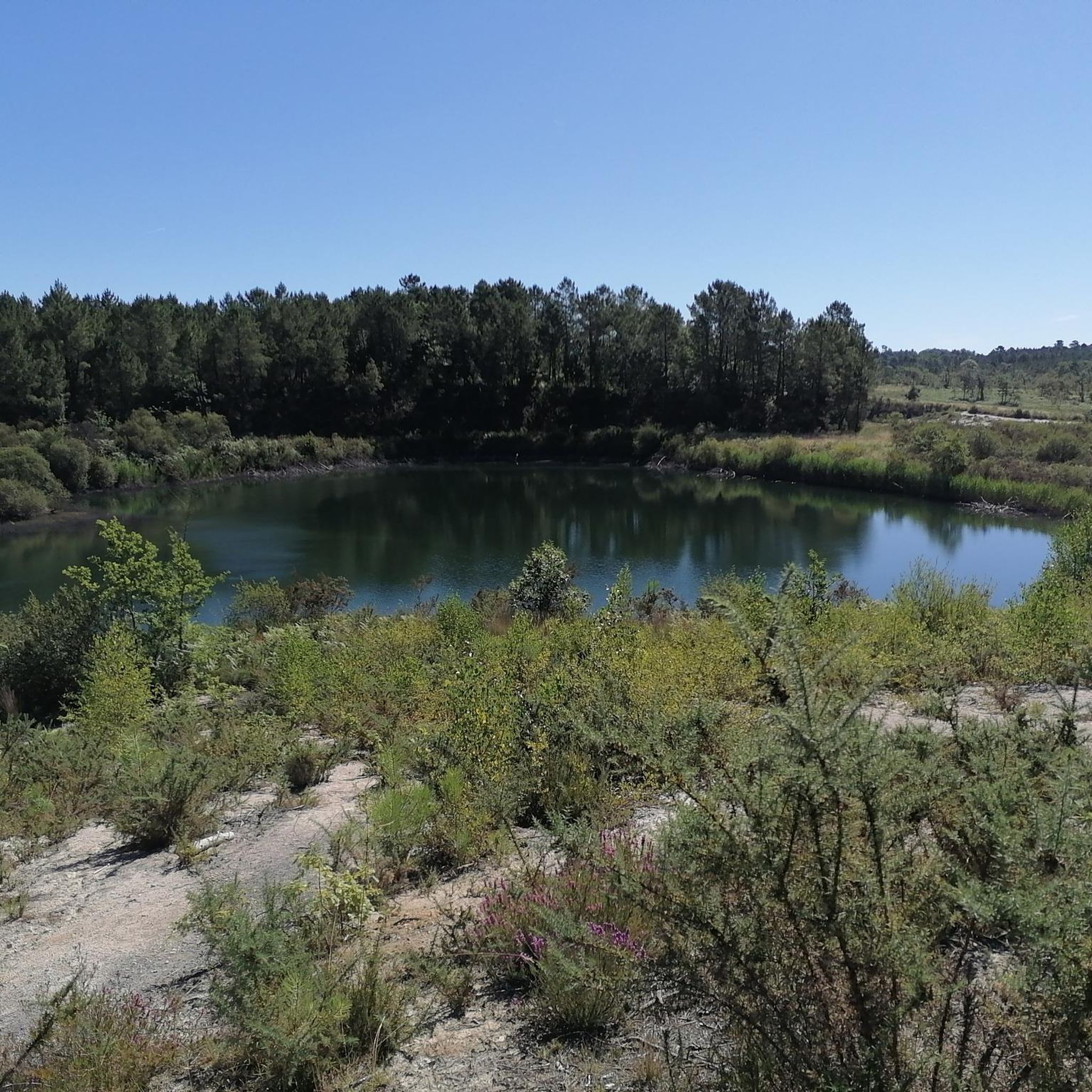
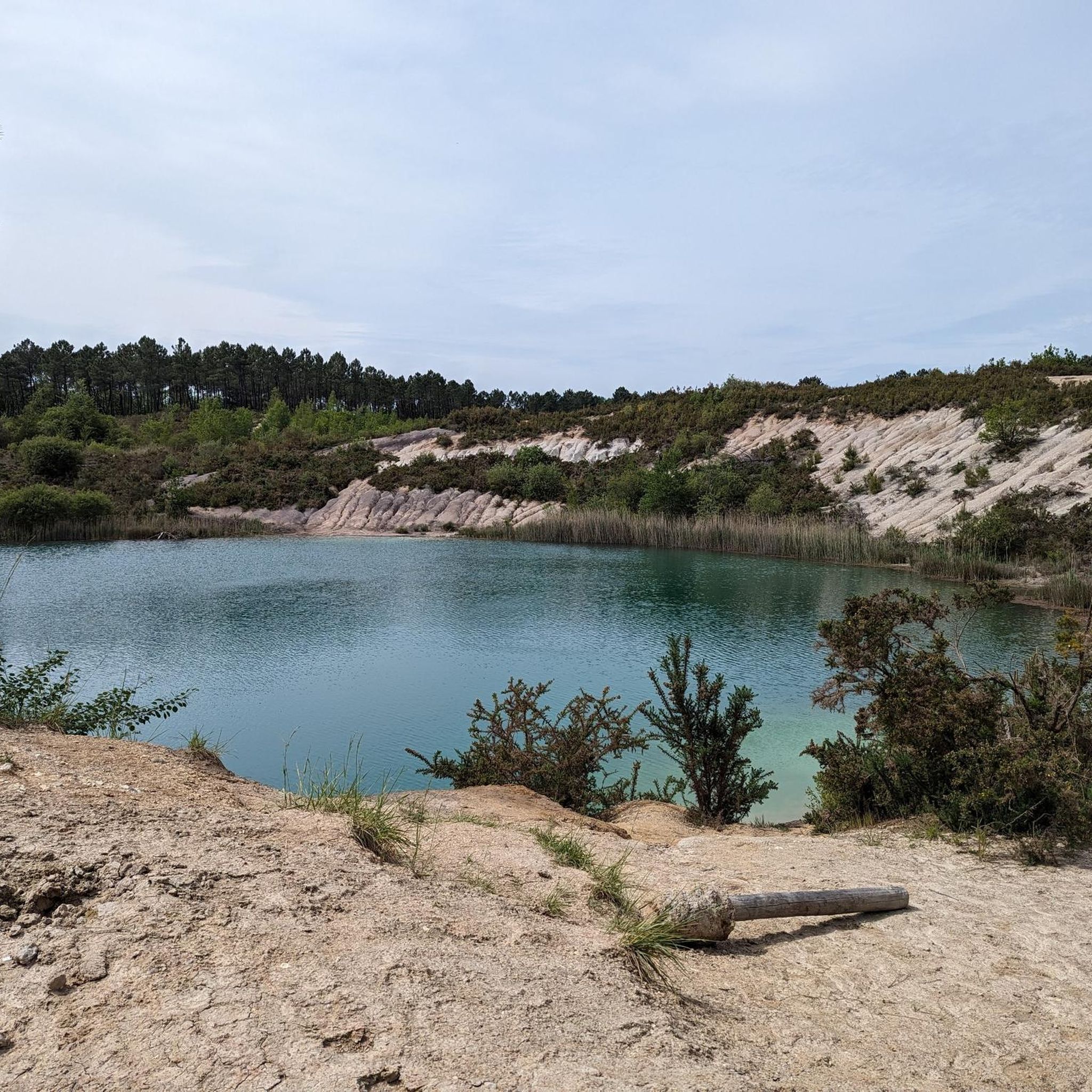
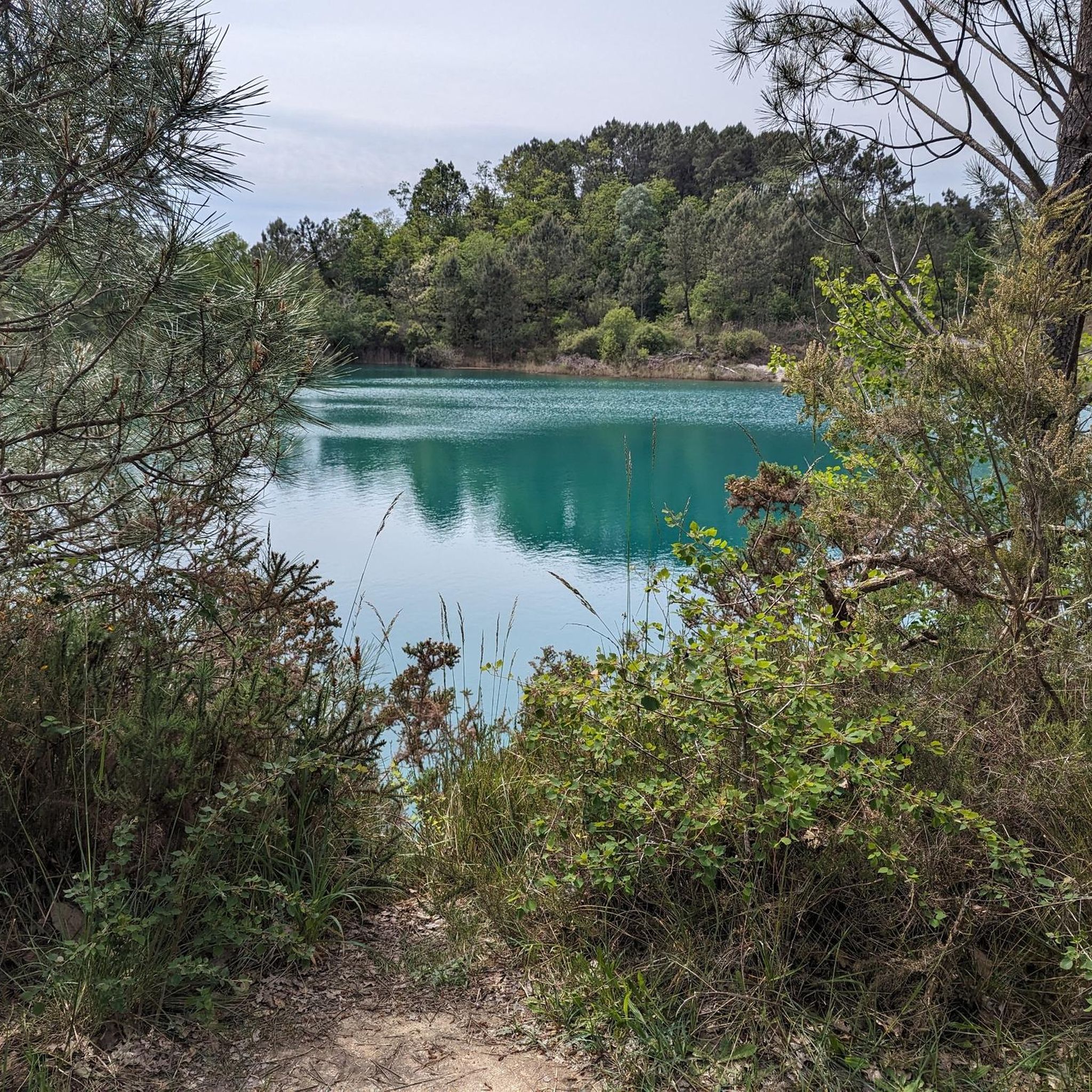
This vast 40-hectare forest area is a true paradise for nature lovers. In this forest you will discover old white clay quarries: mysterious lakes with turquoise and crystal-clear water offering breathtaking panoramas!
0
0

The 21.5-kilometre greenway linking Châteauneuf-sur-Charente to Saint-Mariens Saint Yzan offers a nature getaway through the picturesque landscapes of Charente. This route, perfectly designed for cyclists, winds between vineyards, forests and fields
2
0

This cycle path connects Chantillac and Clérac on a perfect surface.
0
0

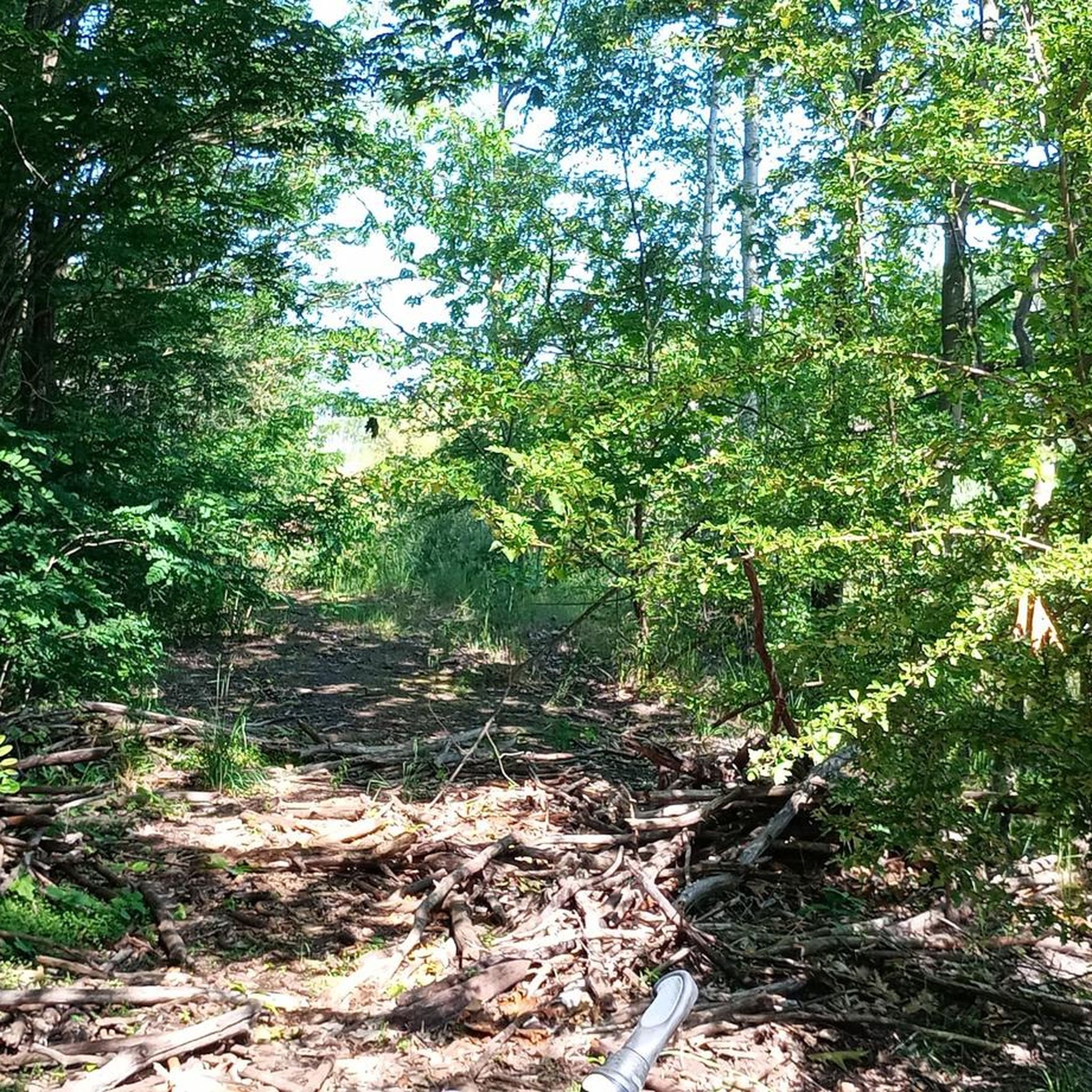
You have to be very careful with the roots of the acacias which lift the bitumen in places as well as the thorns of these trees. Otherwise very pleasant.
0
0

Consider deviating from the cycle path for a few minutes. Church your real the detour
1
0

We have a superb view of one of the blue lakes of Touvérac. These are actually old white clay quarries. Land exploitation had left large holes that rainwater has filled over the years. The site has been managed since 1996 by the Regional Conservatory of Natural Spaces of Poitou-Charente. The flora developed to create heaths with their characteristic plants. You can also observe many animal species throughout the seasons.
0
0

Some sections of the track are damaged by tree roots and dangerous on a road bike. I often prefer to go by road.
1
0

The church is in the form of a rectangle thirty meters long and ten meters wide, flanked by 4 buttresses, one of which is located on the north wing and the 3 others on the south wing, a bell tower and a small extension on the south west part housing a chapel dedicated to the Virgin Massive building, reinforced by buttresses, low and poorly lit, it has a facade with a Romanesque portal surmounted by a large rose window. This gate is made up of 2 straight legs, and a projecting coving made up of 3 semicircular rollers with a keystone. The oculus rose is surrounded by a frieze with a sawtooth motif. The porch opens onto a single nave 22 m long by 9 wide without side aisles. It is made up of 4 bays with semi-circular vaults. The south wall is pierced under the 1st bay with a large semi-circular arch giving access to the chapel. The north wall has a pulpit which bears a monogram which would be that of Louis XIV. The choir of the church, raised from the nave by 3 steps, consists of a flat chevet and a span of semi-circular vaults. The bedside wall is pierced at each end with a rectangular door allowing access to the sacristy. The old sacristy has just been refurbished and has a very modern look with paneling on the floor and ceiling. The chapel of the Virgin is located on the southern extension of the church. It measures 13.50 m long by 7 wide, and consists of a small single nave 10 m long by 7 wide and a choir with a flat apse. The floor of this chapel is 1.25 m lower than the floor of the church corresponding to the initial floor of the old abbey. Access to the bell tower is through a door located on the east wall of the nave of the chapel. It consists of 4 floors and a vaulted ground floor. The facing is made up of medium-sized cut stone for the ground floor and the 1st floor and rubble stone coated with brown lime for the 2nd and 3rd floors.
0
0
Frequently Asked Questions
What kind of terrain can I expect when touring cycling around Bran?
Touring cycling around Bran offers a diverse range of terrain, from rugged mountain landscapes in the Bucegi and Piatra Craiului Mountains to dense forests and expansive meadows. You'll encounter picturesque valleys like Valea Dorului and Barsa Mare, as well as impressive gorges such as Zărnești. The historic Rucăr-Bran Pass also provides a notable route with winding roads and epic views.
How many touring cycling routes are available in the Bran area?
There are over 300 touring cycling routes and bike trails available around Bran, catering to various preferences and skill levels. These include options for relaxed rides, gravel paths, road cycling, mountain biking, and trekking.
What is the best time of year to go touring cycling in Bran?
The most popular months for touring cycling in Bran are August and September, when the weather is generally favorable for exploring the region's diverse landscapes. However, routes are available throughout the warmer months, offering different seasonal experiences.
Are there any easy touring cycling routes suitable for beginners in Bran?
Yes, Bran offers routes suitable for different ability levels, including easy paths. While many routes involve significant elevation changes, you can find less challenging options that allow you to enjoy the scenery without overly strenuous climbs. For example, the route La voie verte loop from Chantillac is rated as easy.
What are some notable landmarks or attractions I can see while cycling in Bran?
Beyond the natural beauty, Bran is home to several cultural and historical attractions. The iconic Bran Castle is a primary draw, often serving as a starting or ending point for rides. Cycling routes frequently pass through charming traditional mountain villages like Măgura, Peștera, Simon, and Fundata, offering a glimpse into local culture. You can also explore areas within the Piatra Craiului National Park and Bucegi Natural Park, which feature unique geological formations and extensive trail networks.
Are there any circular touring cycling routes in Bran?
Yes, many routes in Bran are designed as loops, allowing you to start and end your journey in the same location. For example, La voie verte – Voie verte de 21,5 kilomètres loop from Chevanceaux is a popular circular option. Another is La voie verte – Château de Barbezieux loop from Chantillac.
What do other touring cyclists say about the routes in Bran?
The touring cycling routes in Bran are highly rated by the komoot community, with an average score of 4.7 stars from over 38 reviews. Cyclists often praise the varied terrain, from mountain passes and forested sections to open countryside, and the options available for different ability levels.
Are there challenging routes for advanced touring cyclists in Bran?
Absolutely. Bran is situated between the Bucegi and Piatra Craiului Mountains, offering routes with significant elevation changes and challenging ascents. Some trails include technical singletrack sections, catering to experienced touring cyclists looking for a demanding adventure. The Rucăr-Bran Pass, for instance, is known for its substantial climb.
Can I find routes that take me through traditional villages in the Bran area?
Yes, many touring cycling routes in Bran are designed to pass through or near traditional mountain villages such as Măgura, Peștera, Simon, and Fundata. These routes offer a unique opportunity to experience local culture and traditional architecture while enjoying the scenic landscapes.
What are the typical distances and elevation gains for touring cycling routes around Bran?
Routes around Bran vary significantly in length and elevation. You can find shorter paths, but many popular routes involve considerable distances and ascents. For example, Bike loop from Touvérac covers 43.5 km with 358 meters of elevation gain, while La voie verte loop from Baignes-Sainte-Radegonde is 41 km with 310 meters of ascent.
Most popular attractions around Bran

Get inspired with the komoot mobile app


Explore more
Browse the best Cycling routes in other regions.
