The best road cycling routes around Les Junies
4.4
(92)
2,044
riders
195
rides
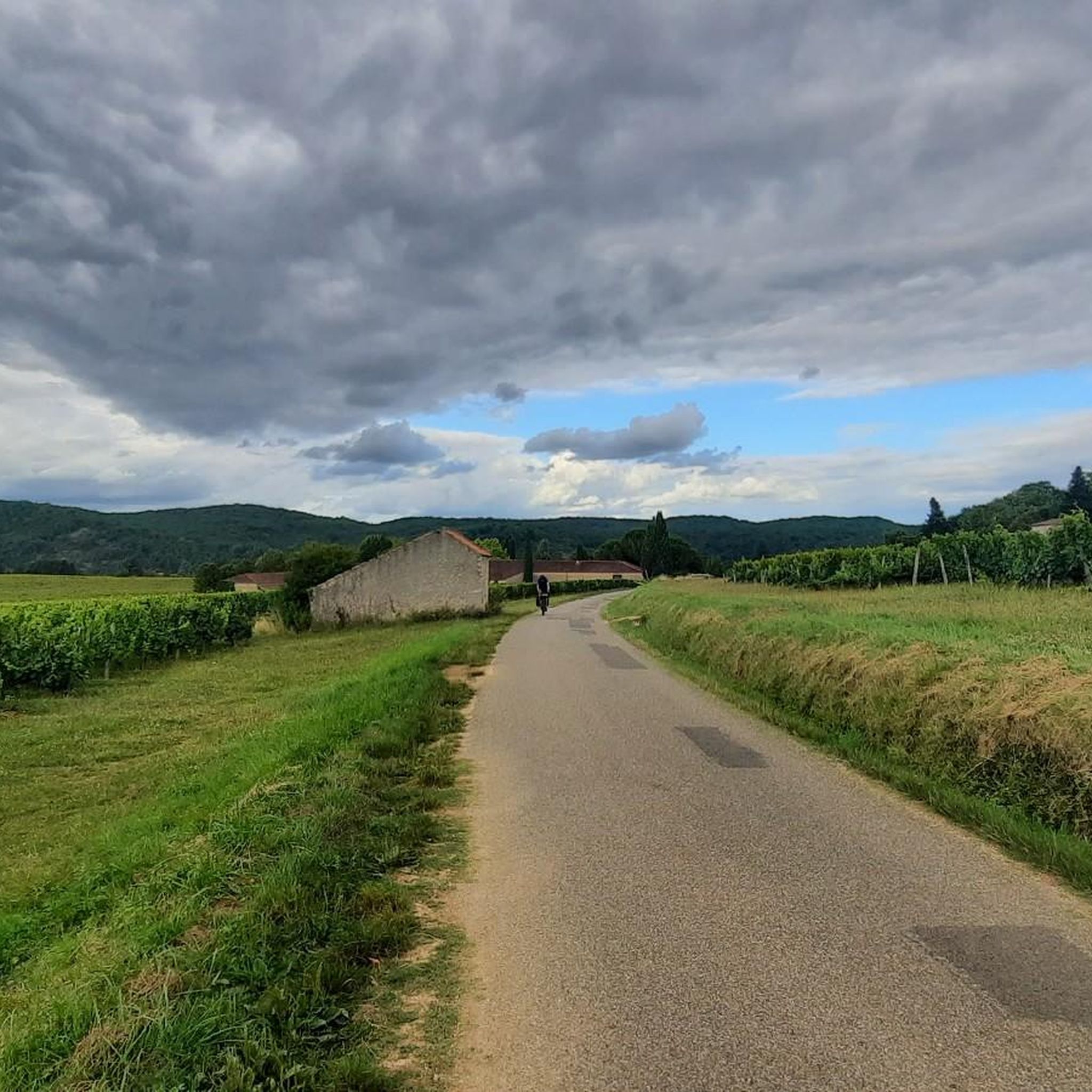
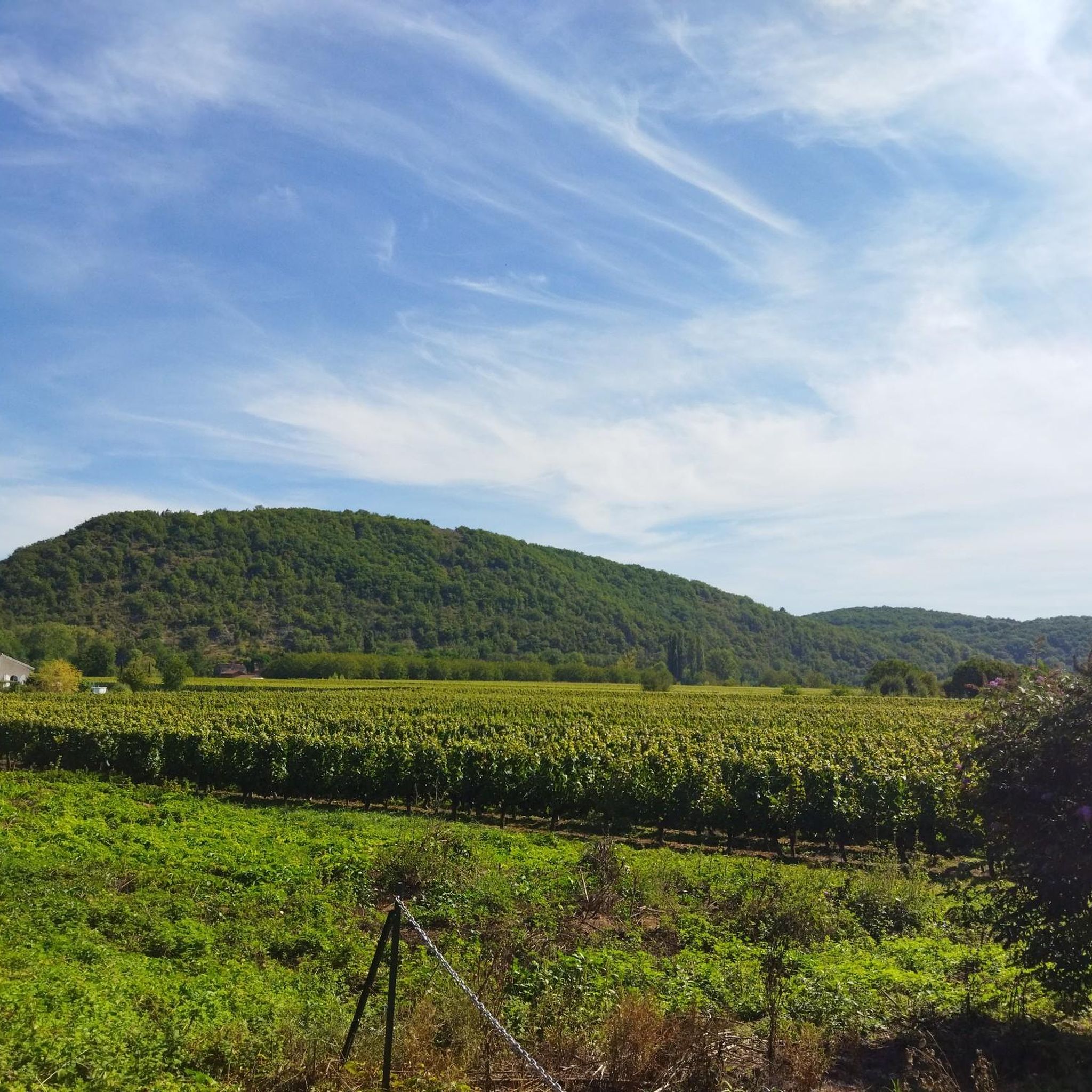
Road cycling routes around Les Junies traverse the picturesque Lot department, characterized by its rolling, green terrain and tranquil rivers. The region features varied landscapes, including gentle hills, limestone cliffs, and plateaus of the Causses du Quercy. Cyclists can expect winding roads that navigate through extensive orchards and vineyards, particularly those producing Cahors wine. This diverse topography provides an engaging backdrop for road cyclists seeking a blend of natural beauty and varied terrain.
Best road cycling routes around Les Junies
…Last updated: October 30, 2026
13
riders
52.8km
02:25
510m
510m
Moderate road ride. Good fitness required. Mostly well-paved surfaces and easy to ride.
5.0
(1)
11
riders
64.3km
02:59
760m
760m
Moderate road ride. Good fitness required. Mostly well-paved surfaces and easy to ride.

5.0
(1)
11
riders
53.4km
02:29
580m
580m
Moderate road ride. Good fitness required. Mostly well-paved surfaces and easy to ride.
5.0
(1)
13
riders
60.7km
02:36
480m
480m
Moderate road ride. Good fitness required. Some segments of this route may be unpaved and difficult to ride.
3
riders
Moderate road ride. Good fitness required. Mostly well-paved surfaces and easy to ride.
Get access to more routes and recommendations from other explorers.
Already have an account?
Our route recommendations are based on thousands of hikes, rides, and runs completed by other people on komoot.
Start today with a free account
Your next adventure awaits.

Tips from the Community

The medieval Tower of Luzech: This 24-meter-high, elongated keep dominates the medieval castrum. Built by the Bishop of Cahors, Guillaume de Cardaillac, in the 13th century, the building is undergoing a major restoration program, supported by the Fondation du patrimoine, to secure its structure and allow its reopening to the public.
0
0
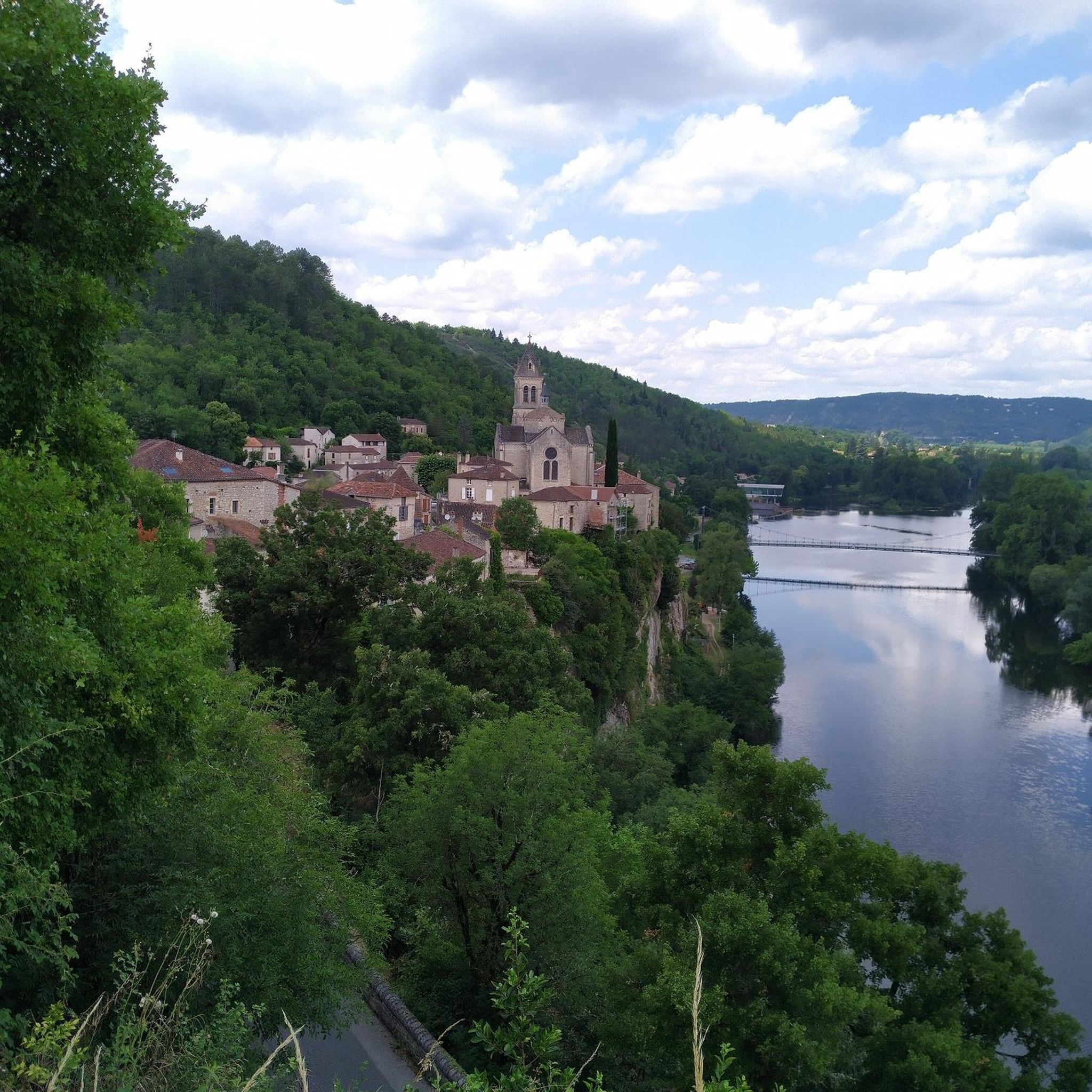
Albas, nicknamed « Albas la Jolie », is a magnificent medieval fortified village nestled in the heart of the Lot valley, in the Occitanie region. Perched on a rocky spur about 20 kilometers downstream from Cahors, the village proudly overlooks the meanders of the Lot river and the famous Cahors vineyard.
0
0
The name of the village comes from the Celtic word Puech (meaning high place) and from Guillaume de Cardaillac, count-bishop of Cahors, who took possession of the fort in 1228 during the Albigensian Crusade. The city became a highly strategic point for controlling river trade on the Lot, where local wine and goods were transported on barges.
0
0
Former pilgrimage church integrated into a Benedictine priory founded at the end of the 11th century under the authority of the abbey of Aurillac, it is mainly distinguished by the remarkable architecture of its crypt and choir. It is one of the few churches in the region to have a semi-subterranean crypt. Intended to house relics, its presence causes a visible elevation of the transept and choir. Mainly built in the 12th century, the church consists of a main nave flanked by two aisles and a transept topped by a dome on pendentives. The large interior arcades rest on columns adorned with typical Romanesque sculptures depicting mermaids, back-to-back birds, or animals with human heads. The original choir was modified or rebuilt between the 14th and 16th centuries to become larger. On the outside, its facades display a military austerity reminiscent of the defensive roles it played during regional conflicts.
0
0
The commune benefits from a natural setting conducive to outdoor activities, particularly thanks to the Voie Verte along the Lot. Local economy: The activity is marked by the cultivation of cereals, plum growing (production of the famous Agen prune) and important nurseries.
0
0
Montcuq is a superb medieval hilltop village with a rich heritage in the heart of Quercy Blanc: La Tour de Montcuq: A majestic 12th-century keep that proudly overlooks the village. Built between the late 12th and early 13th centuries under the authority of the Counts of Toulouse.Destruction of the castle: During the Albigensian Crusade and the treaties with the King of France, the local lord had to dismantle the ramparts. Only this keep survived.Particularities: It has a rectangular (or trapezoidal) shape and a square turret housing a unique spiral staircase. Scientifically, the name has nothing lewd about it: it comes from the Occitan Moncuc, which simply means a conical hill or a fortified hill.
0
0
The original building was completely destroyed by Protestants in the 16th century, during the Wars of Religion. The current church was completely rebuilt in 1890 in a neo-Gothic style very characteristic of that era. Despite its more recent exterior architecture, it houses and preserves precious and interesting Baroque furnishings.
0
0

A magnificent place for both partying and running... Belaye!!!
0
0
Frequently Asked Questions
How many road cycling routes are available around Les Junies?
There are over 200 road cycling routes around Les Junies, offering a wide variety of options for different preferences and skill levels. The komoot community has explored more than 1,800 road cycling tours in the area.
What kind of terrain and elevation can I expect on road cycling routes in Les Junies?
The terrain around Les Junies is characterized by rolling, green landscapes, gentle hills, and limestone cliffs, particularly in the Causses du Quercy. Routes often feature winding roads through extensive orchards and vineyards. While many routes are moderate, you can expect varied elevation gains, with some routes like Crayssac Pass – Luzech loop from Castelfranc featuring over 760 meters of ascent.
Are there road cycling routes suitable for beginners or families in Les Junies?
Yes, the region offers routes for various abilities, including easier options. While specific beginner routes aren't highlighted in the data, the overall network includes paths with less challenging elevation. The Lot Valley Cycle Route (V86), which passes through the wider region, is known for utilizing low-traffic, shared roads, making it more comfortable for families and less experienced cyclists.
What natural features and scenic viewpoints can I discover while cycling around Les Junies?
Cyclists can enjoy breathtaking panoramas, especially around bends and from elevated viewpoints. You'll ride along the Lot River, through the dramatic karstic landscapes of the Causses du Quercy, and past traditional dry stone huts known as caselles and gariottes. Routes also often pass through picturesque vineyards and orchards, offering a sensory journey.
Are there historical sites or picturesque villages to visit along the road cycling routes?
Absolutely. The routes intentionally lead through charming villages and past historical sites. You can visit places like Albas, Puy-l'Évêque, and Luzech. The wider region also boasts the highly acclaimed Saint-Cirq Lapopie, voted 'Most Beautiful Village of France,' and historical monuments like the Château des Junies. The Luzech – Viewpoint historic Belaye loop from Castelfranc specifically highlights historic viewpoints.
What is the best time of year for road cycling in Les Junies?
The Lot department generally offers pleasant conditions for cycling. While specific seasonal data isn't provided, the region's mild climate makes spring and autumn particularly enjoyable for road cycling, avoiding the peak heat of summer while still offering lush landscapes and comfortable temperatures. Always check local weather forecasts before heading out.
Are there long-distance road cycling routes in the Lot Valley?
Yes, the Lot Valley is home to significant long-distance cycling infrastructure. The Lot Valley Cycle Route (V86) extends for 430 km, primarily using low-traffic, shared roads. Another notable route is 'La Vagabonde' (V87). These routes offer extensive options for cyclists looking for longer journeys through the region. You can find more information about the Lot Valley Cycle Route on tourisme-figeac.com and francevelotourisme.com.
What do other road cyclists say about the routes around Les Junies?
The road cycling routes around Les Junies are highly rated by the komoot community, with an average score of 4.4 stars from over 70 reviews. Cyclists often praise the winding roads, varied terrain, and scenic passages through vineyards and orchards, highlighting the engaging backdrop for their rides.
Are there any loop road cycling routes available?
Yes, many of the popular road cycling routes around Les Junies are loops, allowing you to start and end in the same location. Examples include the Floressas Castle – Chambert Castle loop from Castelfranc and the Mauroux church – Bélaye viewpoint loop from Castelfranc.
Where can I find parking for road cycling routes in Les Junies?
While specific parking locations aren't detailed, many routes, such as those starting 'from Castelfranc,' imply starting points in or near villages where parking facilities are typically available. It's advisable to check the starting point of your chosen route on komoot for more precise parking information.
Can I find cafes or restaurants along the road cycling routes in Les Junies?
The routes often pass through charming villages like Albas, Puy-l'Evêque, and Luzech, which are likely to offer cafes, pubs, and restaurants where cyclists can refuel and rest. Local markets in nearby towns like Prayssac, Catus, and Cahors also provide opportunities to experience local life and taste regional produce.
Most popular routes around Les Junies
Most popular attractions around Les Junies

Get inspired with the komoot mobile app


Explore more
Browse the best Road cycling routes in other regions.
