The best running trails around Lécousse
4.6
(158)
1,015
runners
26
runs
Jogging around Lécousse offers a variety of routes through the region's natural landscape. The area is characterized by a mix of woodlands, open fields, and gentle rolling hills, providing varied terrain for runners. Many routes are circular, allowing for exploration of the local countryside. The trails generally feature moderate elevation changes, suitable for different fitness levels.
Best jogging routes around Lécousse
- The most popular jogging route is Hôtel de la Belinaye – Green route 1 loop from Lécousse, an…
Last updated: August 25, 2026
4.9
(7)
153
runners
13.9km
01:30
130m
130m
Moderate run. Good fitness required. Mostly paved surfaces. Suitable for all skill levels.
32
runners
10.7km
01:09
140m
140m
Moderate run. Good fitness required. Mostly paved surfaces. Suitable for all skill levels.

Sign up for free
31
runners
6.27km
00:40
70m
70m
Moderate run. Good fitness required. Mostly paved surfaces. Suitable for all skill levels.
40
runners
8.86km
00:57
150m
150m
Moderate run. Good fitness required. Mostly paved surfaces. Suitable for all skill levels.
12
runners
6.58km
00:43
70m
70m
Moderate run. Good fitness required. Mostly paved surfaces. Suitable for all skill levels.
Get access to more routes and recommendations from other explorers.
Sign up for free
Already have an account?
Our route recommendations are based on thousands of hikes, rides, and runs completed by other people on komoot.
Start today with a free account
Your next adventure awaits.
Login or Signup

Tips from the Community

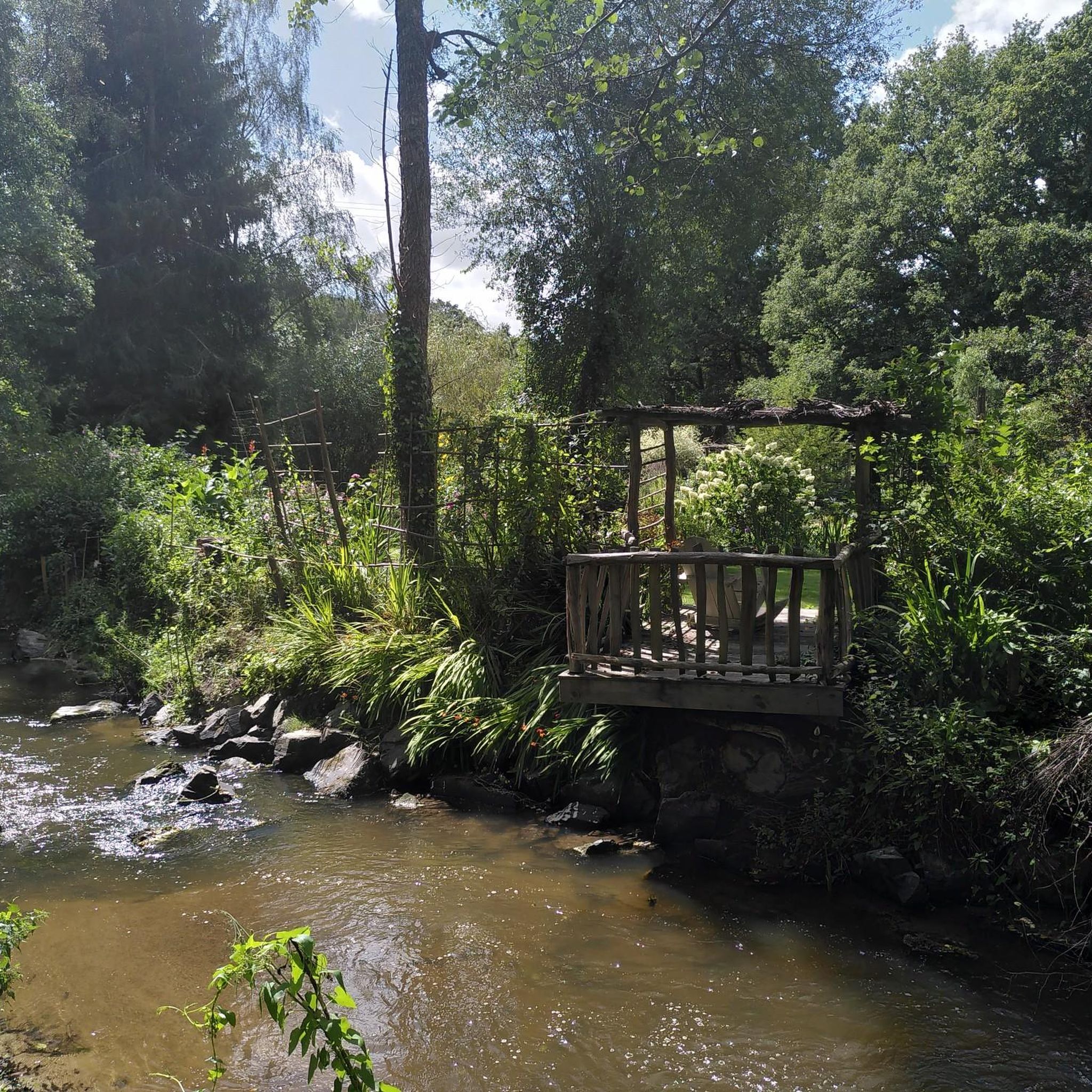
The Jardin du Val Nançon stretches picturesquely along the Nançon River, framing the northern city walls of Fougères with lush greenery. Covering approximately two hectares, various themed areas invite exploration. This includes a botanical garden, the "Priest's Garden," a reference to the remains of an ancient abbey, a so-called "plant cage," and a colorfully landscaped slope. Of particular note is the contemporary glass art sculpture "L'œuvre à la vie" by Louis-Marie Catta from 2000, which represents peace and dialogue between cultures.
1
0
The Place du Marchix is located in the city's oldest district. The square takes its name from the Old French word "marchié," as Fougères's first market once took place here. The district is characterized by well-preserved half-timbered houses dating back to the 16th century, many of which are listed as historical monuments. The square was once a center for artisanal businesses such as tanneries and cloth manufacturers, which used the nearby river to process leather and fabrics.
1
0
The Église Saint-Léonard was built in the 12th century and acquired its present form in the flamboyant Gothic style in the 15th and 16th centuries. During the French Revolution, the church was deprived of its sacred function, but in the 19th century, under architects such as Aristide Tourneux, it underwent extensive renovations, including a new main façade with a large rose window. Inside, 19th-century stained-glass windows depicting episodes from the life of Saint Léonard can be seen.
1
0
The Lavoir du Nançon washhouse, located below the château, features two fireplaces where laundry was heated in large cauldrons to produce the lye needed for the washing process. The building remained in use until the early modern period.
0
0
The church was originally founded in the 11th century, while the current structure was built in several stages between 1380 and 1760. Particularly noteworthy are the wooden-vaulted nave, the 16th-century granite carvings, and the stained-glass windows from 1885 to 1926. The church also houses the venerated statue of Notre-Dame-des-Marais.
1
0

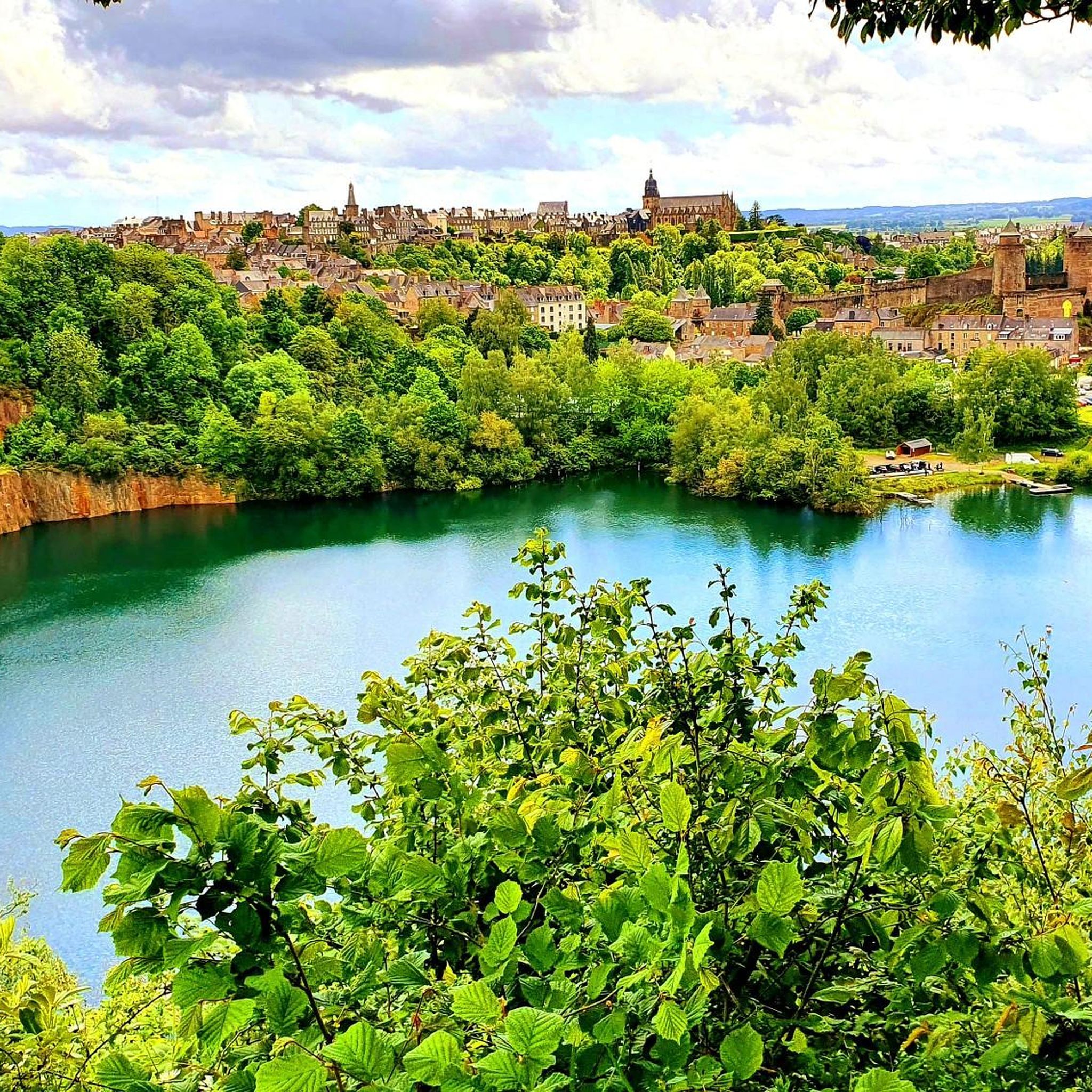
Dominated by one of the largest medieval castles in Europe, Fougères boasts magnificent ramparts, towers, and a perfectly preserved historic center. From the heights, the view takes in the Nançon Valley and its half-timbered houses, offering beautiful perspectives. It's an ideal stop along the Régalante to immerse yourself in Breton history before hitting the road again.
0
0

The largest fortress in Europe, the castle of Fougères stands on a rocky outcrop surrounded by marshland. The first castle of Fougères was built around the turn of the millennium to defend the north-eastern part of the border area of the Duchy of Brittany. Built at the crossroads of important trade routes, this primitive fortress had the main objective of monitoring the powerful neighbors and preventing their raids on Breton lands. To the north, Normandy belonged to the kings of England at the time.
4
1
The church tower can be visited in high season, where you can discover an incredible panorama of Fougères as well as its monuments and the surrounding countryside. Here you will have the opportunity to discover the secret interior of its tower, its impressively large bell and of course... a spectacular 360° view of the city, the castle and the valley!
1
0
Frequently Asked Questions
How many running routes are available around Lécousse?
There are nearly 30 dedicated running routes around Lécousse, offering a diverse range of experiences for all fitness levels. These include easy, moderate, and challenging options.
Are there any easy jogging routes suitable for beginners in Lécousse?
Yes, Lécousse offers some easier routes perfect for beginners or those looking for a relaxed run. While most routes are moderate, there are options with gentler terrain and shorter distances. For example, the Running loop from Lécousse is a moderate 6.5 km trail with relatively gentle elevation changes.
What kind of terrain can I expect on the running trails in Lécousse?
The running trails in Lécousse feature a varied terrain, characterized by a mix of woodlands, open fields, and gentle rolling hills. You'll find green routes and woodland paths, providing a natural and engaging running experience.
Are there any challenging long-distance running trails near Lécousse?
For runners seeking a challenge, Lécousse and its surroundings offer longer, more demanding routes. The Fougères Castle – Cordon des druides loop from Fougères is a difficult 31.9 km path with notable elevation gains and scenic views, perfect for experienced runners.
Can I find circular jogging routes in the Lécousse area?
Yes, many of the running routes around Lécousse are circular, allowing you to start and finish at the same point. This makes planning your run convenient and allows for thorough exploration of the local countryside. An example is the popular Hôtel de la Belinaye – Green route 1 loop from Lécousse.
What do other runners say about the trails in Lécousse?
The running routes in Lécousse are highly rated by the komoot community, with an average score of 4.5 stars from over 100 reviews. Runners often praise the varied terrain, the natural beauty of the woodlands and fields, and the well-maintained paths suitable for different abilities.
Are there any interesting landmarks or places to explore along the running routes?
Yes, some running routes pass by or are close to notable landmarks. For instance, the longer Fougères Castle – Cordon des druides loop from Fougères offers views of the historic Fougères Castle. Other attractions in the wider area include the Place du Marchix – Half-timbered houses and the Belfry of Fougères.
What is the typical elevation profile of running routes in Lécousse?
The routes in Lécousse generally feature moderate elevation changes, making them accessible for a wide range of fitness levels. While some longer trails have more significant gains, most offer gentle rolling hills rather than steep climbs.
Are there specific routes that highlight the natural beauty of Lécousse?
Many routes showcase the region's natural beauty, winding through woodlands and open fields. The Green route 1 – Tour Surienne loop from Lécousse, for example, leads through varied rural landscapes, offering picturesque views of the countryside.
How can I find a running route that suits my fitness level?
The routes around Lécousse are categorized by difficulty: easy, moderate, and difficult. You can choose a route based on your experience, with options ranging from short, gentle loops to longer, more challenging paths with significant elevation gains. The guide provides details on each route's difficulty.
Is Lécousse a popular destination for runners?
Yes, Lécousse is a popular spot for runners. Over 1000 runners have used komoot to explore the varied terrain, indicating its appeal within the running community. The diverse range of routes contributes to its popularity.
Most popular attractions around Lécousse

Get inspired with the komoot mobile app


Explore more
Browse the best Running Trails & Routes in other regions.
