The best road cycling routes around Lacapelle-Cabanac
4.5
(168)
3,775
riders
229
rides
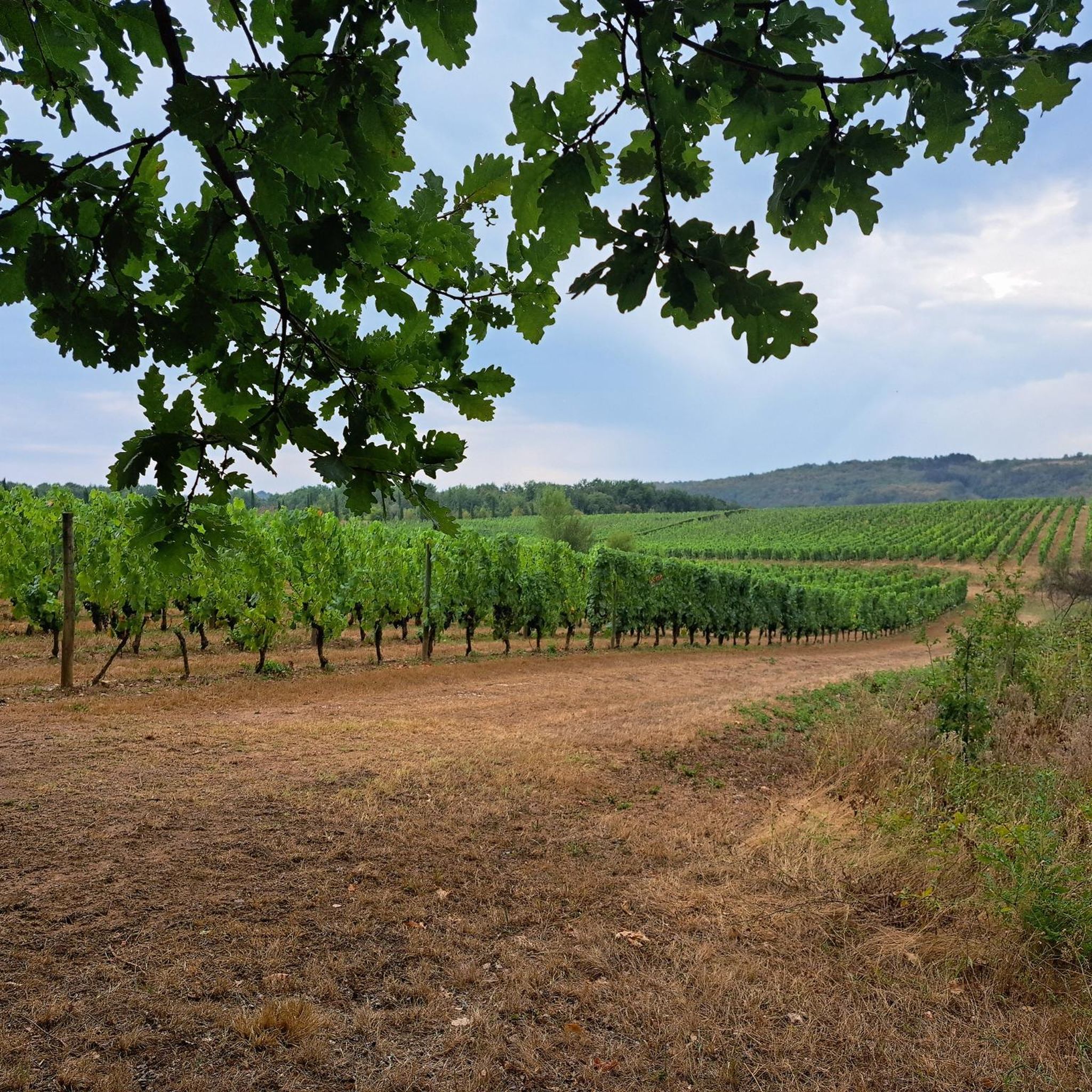
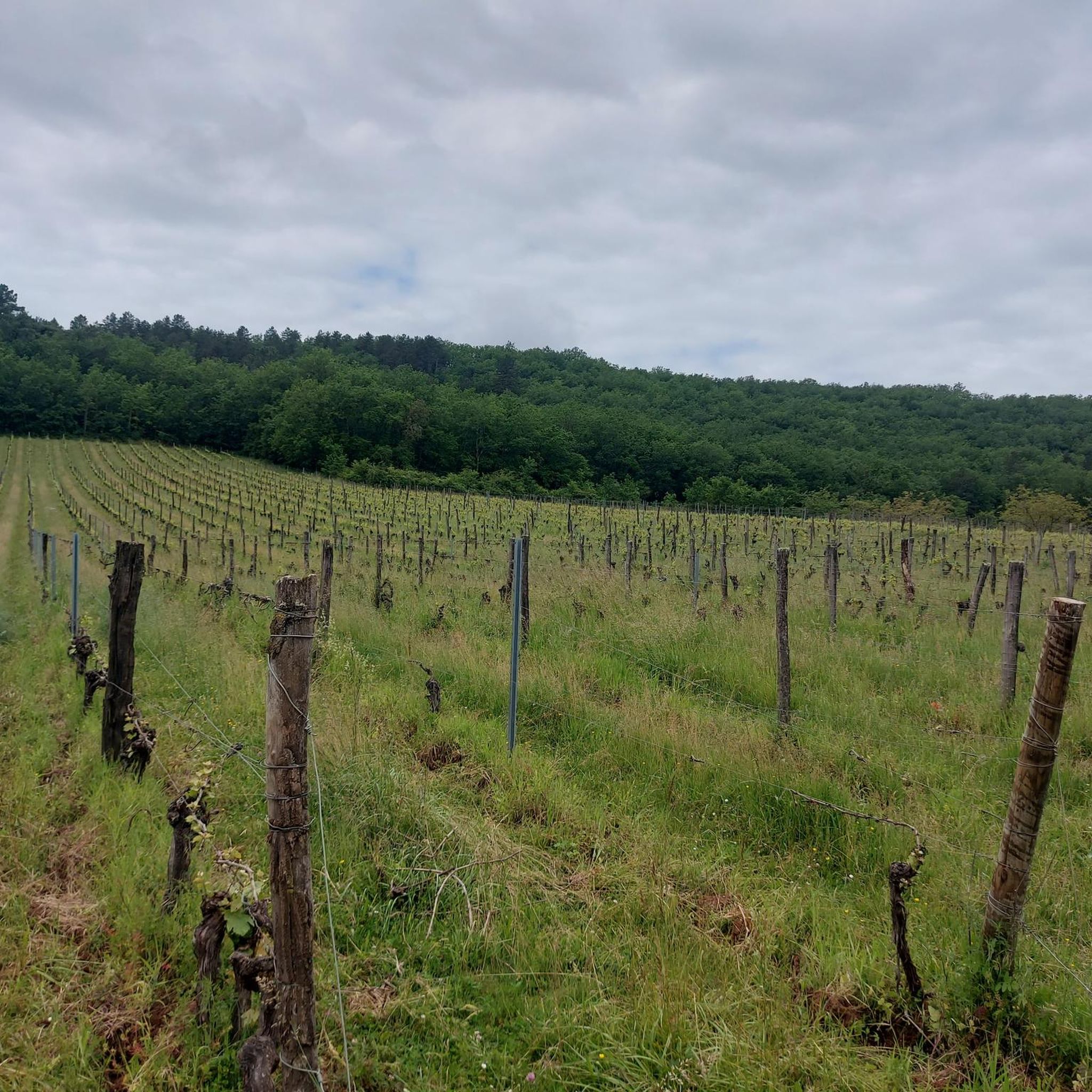
Road cycling around Lacapelle-Cabanac, located in the Lot department of the Occitanie region, offers diverse landscapes for cyclists. The area is characterized by the meandering Lot River and its valley, featuring rolling hills and extensive vineyards. Cyclists navigate quiet, well-paved roads across a clay-limestone causses terrain, providing varied elevation profiles. This region presents a mix of routes suitable for different skill levels, from gentle valley rides to more challenging climbs.
Best road cycling routes around Lacapelle-Cabanac
- The most popular road…
Last updated: October 30, 2026
4.0
(1)
34
riders
144km
06:24
1,280m
1,280m
Hard road ride. Very good fitness required. Some segments of this route may be unpaved and difficult to ride.
27
riders
74.2km
03:17
600m
600m
Moderate road ride. Good fitness required. Mostly well-paved surfaces and easy to ride.

11
riders
Moderate road ride. Good fitness required. Mostly well-paved surfaces and easy to ride.
8
riders
Easy road ride. Mostly well-paved surfaces and easy to ride.
8
riders
Moderate road ride. Good fitness required. Mostly well-paved surfaces and easy to ride.
Get access to more routes and recommendations from other explorers.
Already have an account?
Our route recommendations are based on thousands of hikes, rides, and runs completed by other people on komoot.
Start today with a free account
Your next adventure awaits.

Tips from the Community

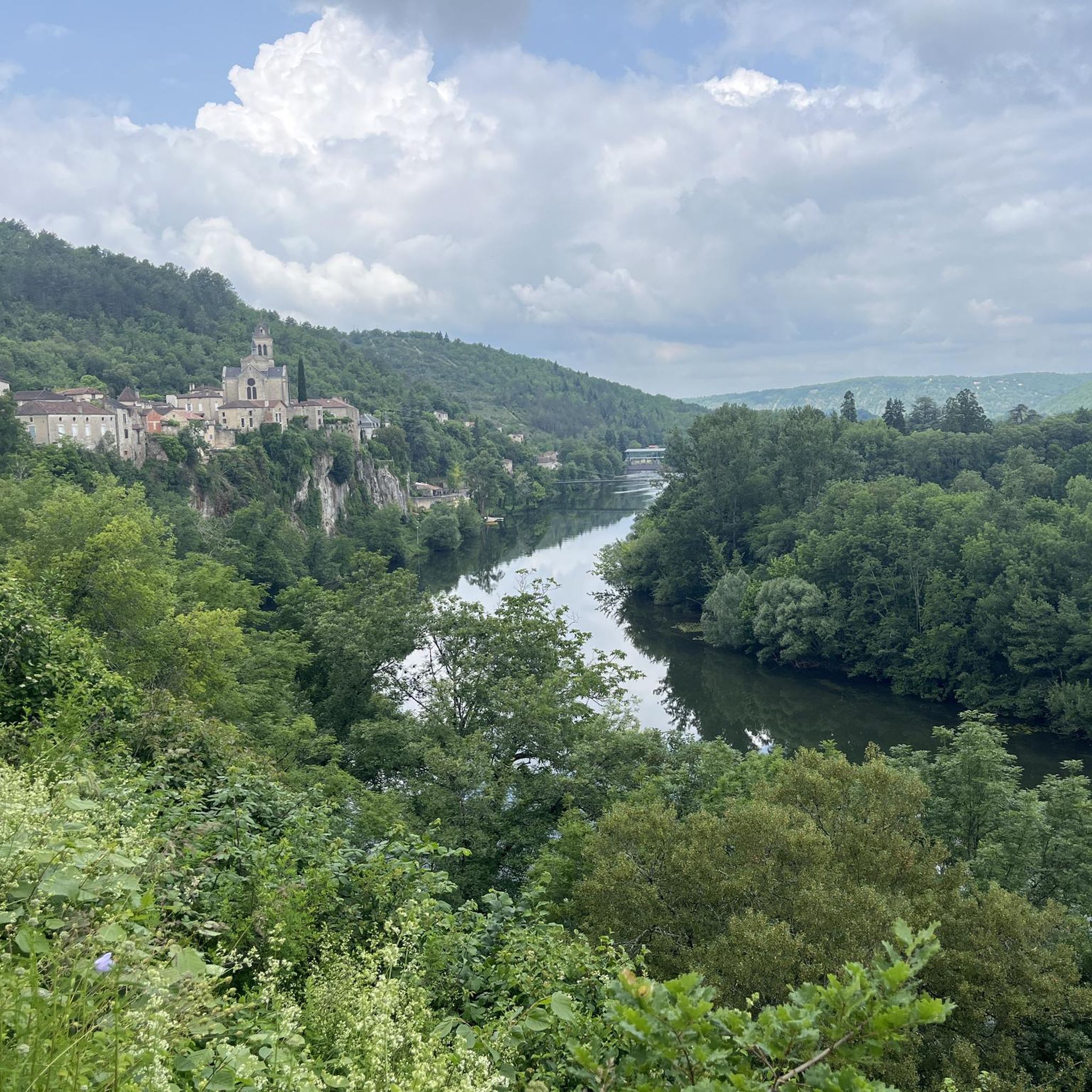
The magnificent cornice route overlooking the meanders of the river is located at the level of the spectacular Lot valley, particularly on the heights of the limestone causses and cliffs. In Saint-Cirq-Lapopie: The Lapopie rock and the Bancourel dovecote offer a spectacular 360-degree plunging view over the river.
0
0
In the heart of the Parc naturel régional des Causses du Quercy. Located at the confluence of the Lot and Célé valleys, the village of Bouziès, with around 90 inhabitants, is world-renowned for its spectacular natural and historical heritage. The Château des Anglais: Fortifications from the 11th and 12th centuries anchored directly into the vertical cliff face overlooking the road and the river. This site once served as a fortified refuge for the inhabitants during conflicts.
0
0
The first bridge of Cabessut, called the "Pont Neuf", was built of stone in the 13th century by the consuls and clergy of the town. It originally had two defensive towers which were destroyed in 1816. The old stone bridge was demolished in the early 20th century (around 1906) to make way for a wider structure.
0
0
The medieval Tower of Luzech: This 24-meter-high, elongated keep dominates the medieval castrum. Built by the Bishop of Cahors, Guillaume de Cardaillac, in the 13th century, the building is undergoing a major restoration program, supported by the Fondation du patrimoine, to secure its structure and allow its reopening to the public.
0
0
Albas, nicknamed « Albas la Jolie », is a magnificent medieval fortified village nestled in the heart of the Lot valley, in the Occitanie region. Perched on a rocky spur about 20 kilometers downstream from Cahors, the village proudly overlooks the meanders of the Lot river and the famous Cahors vineyard.
0
0
The name of the village comes from the Celtic word Puech (meaning high place) and from Guillaume de Cardaillac, count-bishop of Cahors, who took possession of the fort in 1228 during the Albigensian Crusade. The city became a highly strategic point for controlling river trade on the Lot, where wine and local goods were transported on barges.
0
0
The name of the village comes from the Celtic word Puech (meaning high place) and from Guillaume de Cardaillac, count-bishop of Cahors, who took possession of the fort in 1228 during the Albigensian Crusade. The city became a highly strategic point for controlling river trade on the Lot, where local wine and goods were transported on barges.
0
0
Frequently Asked Questions
How many road cycling routes are available around Lacapelle-Cabanac?
There are over 230 road cycling routes in the Lacapelle-Cabanac area, catering to various skill levels. This includes 29 easy routes, 153 moderate routes, and 48 difficult routes, ensuring options for every cyclist.
What kind of terrain can I expect on road cycling routes in Lacapelle-Cabanac?
The terrain around Lacapelle-Cabanac is characterized by the meandering Lot River and its valley, featuring rolling hills and extensive vineyards. You'll cycle on quiet, well-paved roads across a clay-limestone 'causses' terrain, offering varied elevation profiles from gentle valley rides to more challenging climbs.
Are there any easy road cycling routes suitable for beginners or families?
Yes, there are 29 easy road cycling routes around Lacapelle-Cabanac. A good option for a less strenuous ride is the Grézels – Puy l'Évêque Town Entrance loop from Vire-sur-Lot, which is 27.6 km long with minimal elevation gain.
Which routes offer the best scenic views or pass through vineyards?
Many routes offer stunning scenery. The Floressas Castle – Bélaye viewpoint loop from Vire-sur-Lot is a popular choice, leading through vineyards with panoramic views of the Lot Valley. Another excellent option is the La capelle cabanac – Mauroux church loop from Lacapelle-Cabanac, which also winds through local vineyards and quiet country roads.
Are there any challenging road cycling routes for experienced cyclists?
Absolutely. The region offers 48 difficult routes for those seeking a challenge. A notable long-distance and demanding option is the Pont Valentré – View of St Cirq Lapopie loop from Vire-sur-Lot, spanning over 144 km with significant elevation changes, taking you past iconic landmarks.
What historical sites or attractions can I see along the road cycling routes?
The region is rich in history. You can cycle past medieval villages like Puy-l'Évêque, a stunning town on a rocky promontory, or enjoy views of ancient castles. The impressive Château de Bonaguil is a significant 13th-century fortress, and the Puy-l'Évêque itself is a charming highlight to explore.
Are there any long-distance cycling options or greenways in the area?
Yes, the Véloroute de la Vallée du Lot (V86) is a major 210 km cycle route that passes through the region, including greenways. A specific greenway runs between Puy-l'Evêque and Soturac, and the Fumel-Monsempron-Libos Greenway is also part of this network, suitable for longer rides.
What do other cyclists say about road cycling in Lacapelle-Cabanac?
The road cycling routes in Lacapelle-Cabanac are highly rated by the komoot community, with an average score of 4.3 stars from over 100 reviews. Cyclists often praise the diverse landscapes, quiet roads, and the blend of challenging climbs and scenic valley rides.
When is the best time of year for road cycling in Lacapelle-Cabanac?
The Lot department generally offers pleasant conditions for cycling from spring through autumn. The mild climate and beautiful scenery make these seasons ideal for exploring the region's roads and vineyards.
Are there any circular road cycling routes around Lacapelle-Cabanac?
Yes, many of the routes are designed as loops, allowing you to start and finish in the same location. Examples include the Albas – Luzech loop from Le Port de Vire and the La capelle cabanac – Mauroux church loop from Lacapelle-Cabanac, providing convenient options for your ride.
Can I find places to eat or stay along the routes?
While specific cafes on routes are not detailed, the region is dotted with medieval villages and towns like Puy-l'Évêque and Belaye, where you can find local markets, restaurants, and accommodation. The area is known for its local produce and Cahors wine, offering opportunities for culinary stops.
Is bike hire available in the Lacapelle-Cabanac area?
Yes, local services in the region can arrange bike rentals, including electric bikes. This makes cycling accessible to a wider range of visitors, regardless of whether they bring their own equipment.
Most popular routes around Lacapelle-Cabanac
Most popular attractions around Lacapelle-Cabanac

Get inspired with the komoot mobile app


Explore more
Browse the best Road cycling routes in other regions.
