Attractions and Places To See around Félines-Minervois - Top 20
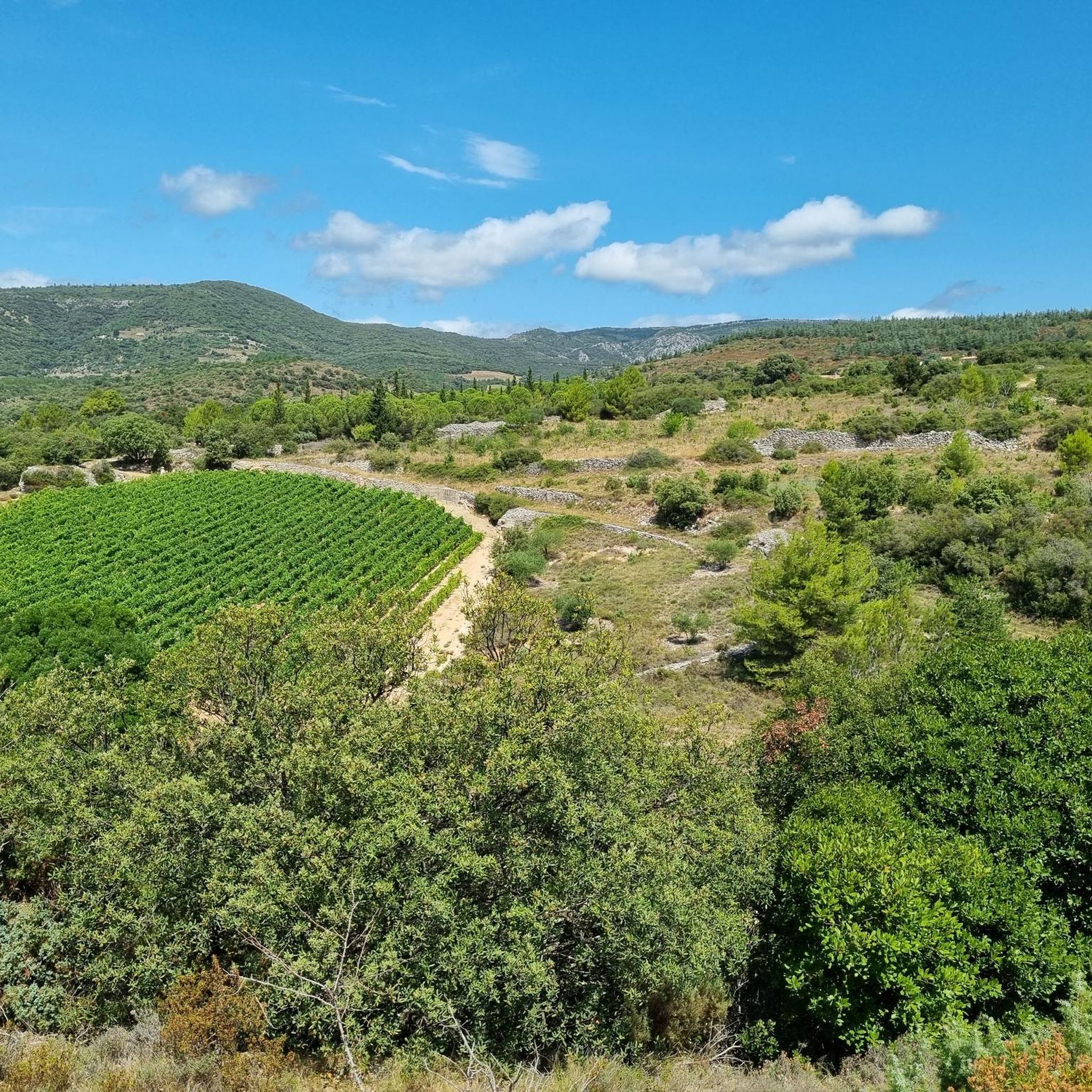
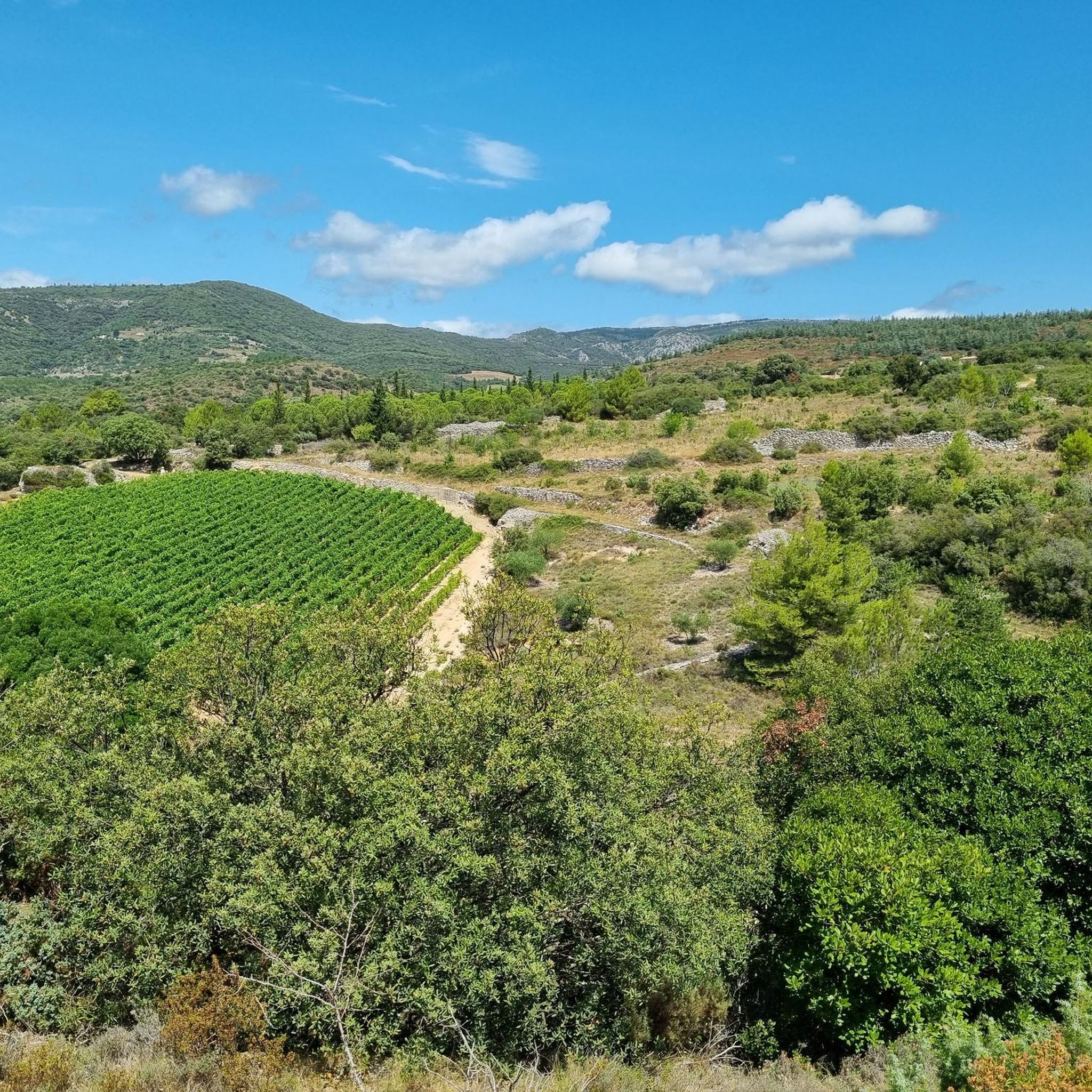
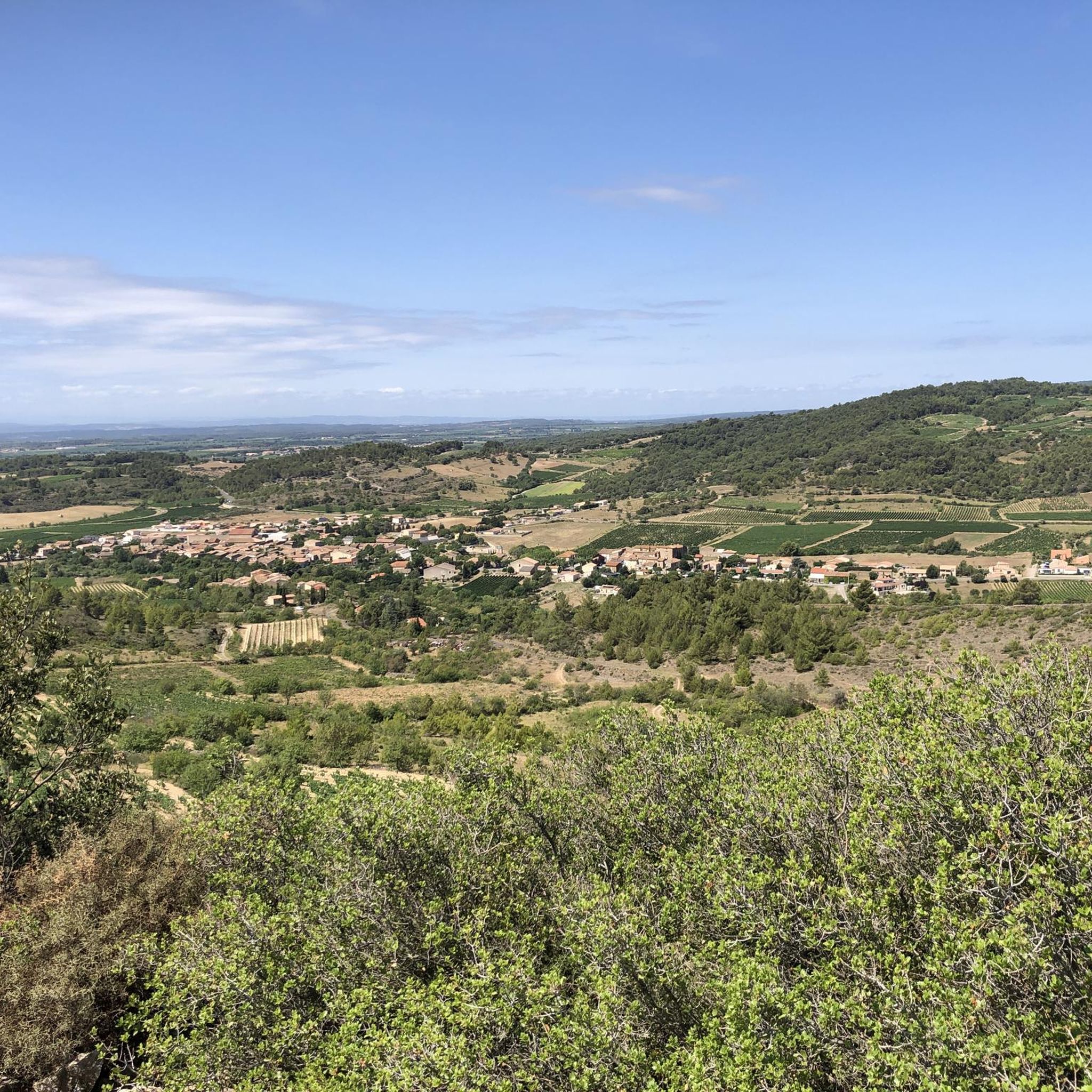
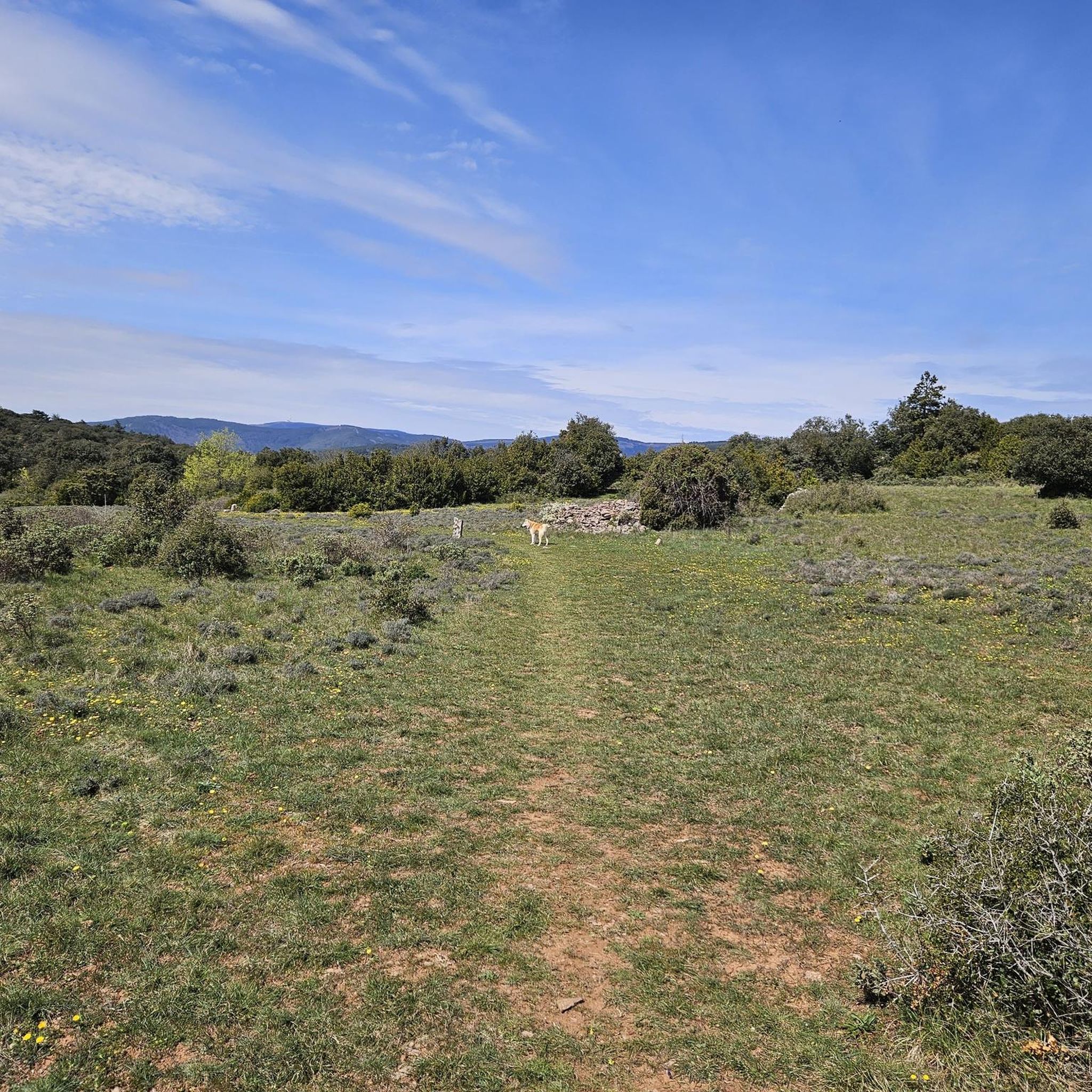
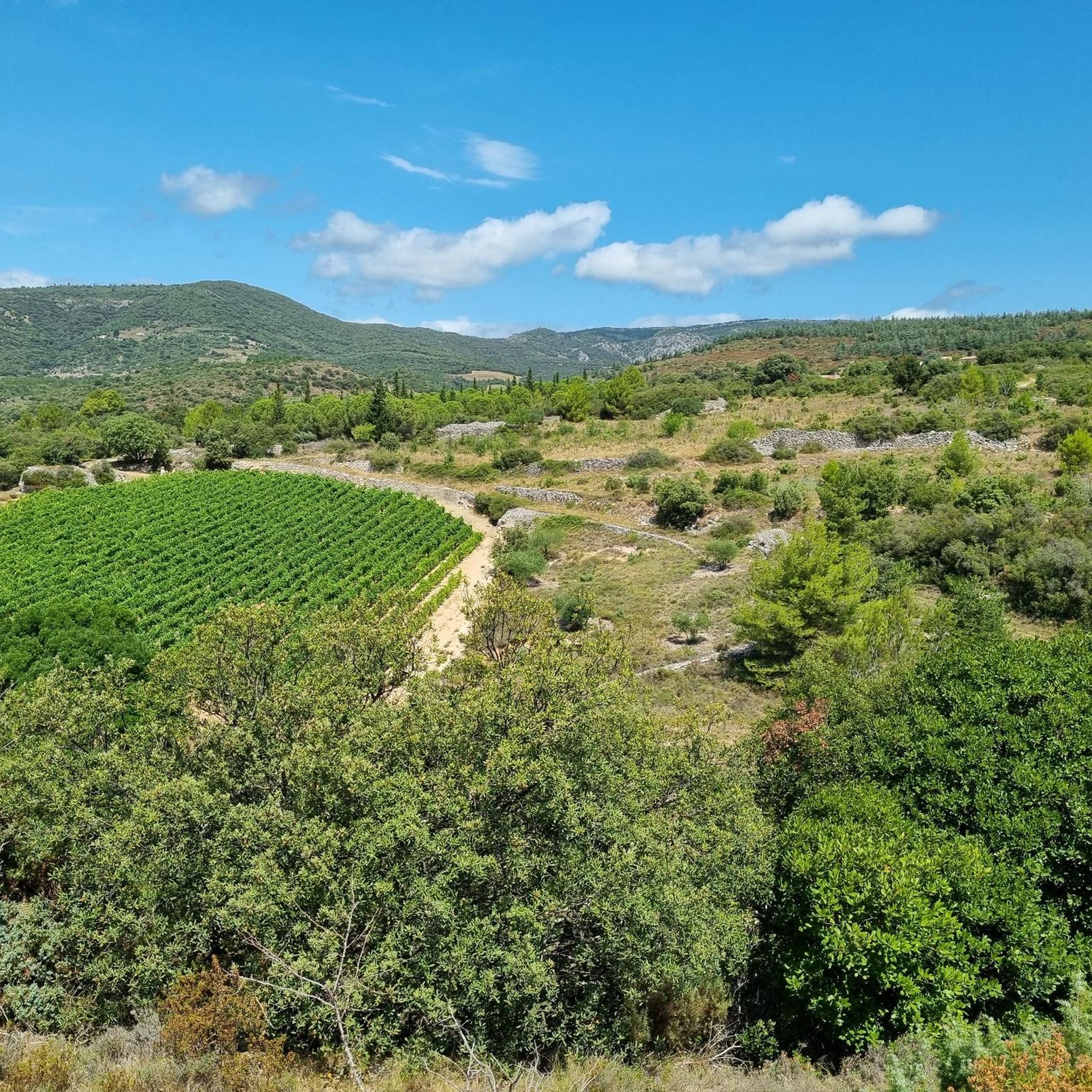
Best attractions and places to see around Félines-Minervois include historical landmarks, natural features, and cultural sites. This region, situated near the Montagne Noire in the Hérault department, is characterized by its varied landscape of vineyards, garrigue, and forests. The area's traditional economy has historically focused on agriculture, sheep farming, and timber. Visitors can explore a diverse array of sites, from ancient castles to impressive natural chasms.
Best attractions and places to see around Félines-Minervois
- The most popular attractions is Minerve…
Last updated: May 9, 2026
Minerve
Highlight • Settlement
Translated by Google •
Tip by

Canal du Midi Bridge
Highlight • Bridge
Translated by Google •
Tip by

Sign up now to discover places like this
Get recommendations on the best single tracks, peaks, & plenty of other exciting outdoor places.
Sign up for free
Pic de Nore
Highlight • Summit
Translated by Google •
Tip by

Argent-Double aqueduct and spillway
Highlight • Other
Translated by Google •
Tip by

Aiguille Lock - Canal du Midi
Highlight • Other
Translated by Google •
Tip by

Sign up for free to discover even more attractions around Félines-Minervois.
Sign up for free
Already have an account?
Start today with a free account
Your next adventure awaits.
Login or Signup

Tips from the Community


technical feat - if necessary, the Canal du Midi overflows into the river (l'argent double) that flows underneath it
0
0

Save your energy for the last 5km, be careful when it's windy.
0
0

The German-language television series "Treasures of the World - Heritage of Humanity" uses short film clips to honor special sites from all eras and continents that have one thing in common: they have been declared World Heritage Sites by UNESCO. One of the episodes introduces the CANAL DU MIDI: "...the Romans already dreamed of a waterway between the Mediterranean and the Atlantic. Powerful people and doers from Charlemagne to Francis the First failed to realize this idea, even Leonardo da Vinci tinkered with it in vain. It was not built until the end of the 17th century. The Canal du Midi is a technical masterpiece by one person, one obsessed with the idea, by Pierre Paul Riquet. ..." Can be seen at => https://www.ardmediathek.de/video/schaetze-der-welt/gcanal-du-midi-frankreich-folge-224/swr/Y3JpZDovL3N3ci5kZS82OTg2NDg2
0
0
"A 240.129 km long, 2.25 to 2.50 m deep waterway was declared a cultural monument as a "bridge" between the Mediterranean and the Atlantic with 328 structures such as bridges - such as the canal bridge over the Orb -, locks - such as the 7 lock cascades of Fonserrannes -, tunnels, aqueducts and 49 canals over streams and rivers." says the documentary from "Treasures of the World - Heritage of Humanity", a television series that brings culture-loving viewers closer to world cultural heritage sites with short film contributions (in German). The episode about the CANAL DU MIDI is available in the ARD media library under this link: => https://www.ardmediathek.de/video/schaetze-der-welt/gcanal-du-midi-frankreich-folge-224/swr/Y3JpZDovL3N3ci5kZS82OTg2NDg2
0
0


This structure, born from the recommendations made by Vauban to improve the Canal du Midi, was built in 1693. It is one of the most original structures on the Canal du Midi with its eleven-arched bridge. The function of this structure is to evacuate excess water from the canal to the Argent-Double River. This evacuation is done in two ways. The first is by evacuating surface water by means of a spillway (overflow system) at the point where the bank is lowest at the level of the arches of the structure. The water that spills then falls in a cascade to the Argent-Double River below. After the surface water has been evacuated, the second means of evacuation of the structure is the spillway itself, that is to say, a bottom valve, which allows, with the action of man, to evacuate the water through the bottom. During maintenance work carried out in winter, this reach (portion between two locks) is emptied by this means. A passage on the arches is built in order to maintain a "dry" continuity for the towing horses and avoid the slippery and perilous passage that this spillway presented. (Text from: La Redorte and works of the Argent-Double)
0
0
Frequently Asked Questions
What historical sites can I explore around Félines-Minervois?
The region is rich in history. You can visit the picturesque town of Minerve, known for its unique setting and Cathar history. Other notable sites include the restored Windmill of Félines-Minervois, the 11-arched Argent-Double Aqueduct and Spillway on the Canal du Midi, the 16th-century Church "Notre Dame de l'Assomption", and the ruins of Ventajou Castle.
Are there any prominent natural features or scenic viewpoints in the area?
Yes, the area boasts several impressive natural features. The Pic de Nore offers a superb 360° panorama of the Montagne Noire. You can also explore the Gouffre Géant de Cabrespine, Grotte de Limousis, and Grotte de la Devèze for impressive underground scenery. For an easily accessible viewpoint dominating the village, visit La Croix Blanche.
What kind of outdoor activities are available near Félines-Minervois?
Félines-Minervois is excellent for outdoor enthusiasts. You can find numerous routes for hiking, cycling, and mountain biking. Explore the diverse landscapes, including pathways along the Canal du Midi. For detailed routes, check out the guides for hiking, cycling, and MTB trails around Félines-Minervois.
Are there family-friendly attractions around Félines-Minervois?
Many attractions in the region are suitable for families. The Canal du Midi Bridge and its surrounding paths offer easy cycling opportunities. Exploring the historic town of Minerve can also be an engaging experience for children. The Windmill of Félines-Minervois often hosts cultural events during summer, which can be fun for all ages.
What cultural points of interest can I visit in Félines-Minervois?
Beyond historical sites, you can discover the Le Sentier Poétique et Botanique, a trail connecting the Capitelles to the Félines Mill, celebrating Quebecois poetry. The La Maison du Patrimoine displays local collections and archives. The "Si Féline m'était conté" Trail offers 12 stopping points, including the old windmill, providing insights into the village's heritage.
Can I find hiking trails that explore the local industry or history?
Yes, you can explore the region's past through its trails. The Discovery of Marble Quarries Trail allows you to walk through the historic marble quarries of Félines-Minervois. Additionally, the hiking guide includes routes like the 'Marble Quarries Trail' and 'Biot Mill – Staircase quarry loop' which delve into the area's industrial heritage.
What do visitors enjoy most about the attractions in Félines-Minervois?
Visitors particularly appreciate the unique setting of Minerve, often described as one of France's most beautiful villages. The technical marvel of structures like the Canal du Midi Bridge and the Argent-Double Aqueduct also captivate many. The panoramic views from Pic de Nore are frequently highlighted as a must-see for their expansive beauty.
Are there any specific cycling routes along the Canal du Midi?
The Canal du Midi is a popular spot for cycling. Cycle paths and small trails often lead along the canal, offering unique views and opportunities to see historical structures like the Canal du Midi Bridge and Aiguille Lock. You can find various cycling routes in the cycling guide for Félines-Minervois.
What is the best time to visit Félines-Minervois for outdoor activities?
The region's varied landscape of vineyards, garrigue, and forests makes it enjoyable for outdoor activities throughout much of the year. Spring and autumn generally offer pleasant temperatures for hiking and cycling. Summer can be warm, but activities along the Canal du Midi or in shaded areas are still popular. Some cultural events at the Windmill of Félines-Minervois are held during the summer.
Can I visit any abbeys or significant religious sites nearby?
Yes, the remarkable Abbaye de Caunes Minervois is located in the nearby village of Caunes-Minervois. This historical abbey offers a glimpse into the region's religious heritage and architectural beauty.
Are there any dams or water features to visit for scenic walks?
You can visit the Barrage de Camplong, a dam located behind the hamlet of Camplong. It offers scenic walks in the surrounding area, though swimming is not permitted. The Argent-Double Aqueduct and Spillway also presents an interesting water engineering marvel.
What kind of landscape can I expect to see around Félines-Minervois?
The region is characterized by a diverse landscape, including extensive vineyards, garrigue (Mediterranean scrubland), and forests. This variety reflects its traditional economy based on agriculture, sheep farming, and timber. You'll encounter rolling hills, river valleys, and the foothills of the Montagne Noire.
Most popular routes around Félines-Minervois
Most popular attractions around Félines-Minervois

Get inspired with the komoot mobile app


Explore more
Still not found the Highlight you’re looking for? See guides of the top attractions in other regions:
