Attractions and Places To See around Labastide-Du-Vert - Top 20
Best attractions and places to see around Labastide-Du-Vert include a variety of historical sites, charming settlements, and natural features along the Lot River. The region is characterized by medieval towns built on rocky promontories and is situated within the Cahors vineyard area. Visitors can explore ancient structures and enjoy the local architecture. The landscape offers diverse points of interest for those exploring the area.
Best attractions and places to see around Labastide-Du-Vert
- The most popular attractions is Puy-l'Évêque, a…
Last updated: July 2, 2026
Albas
Highlight • Settlement
Translated by Google •
Tip by

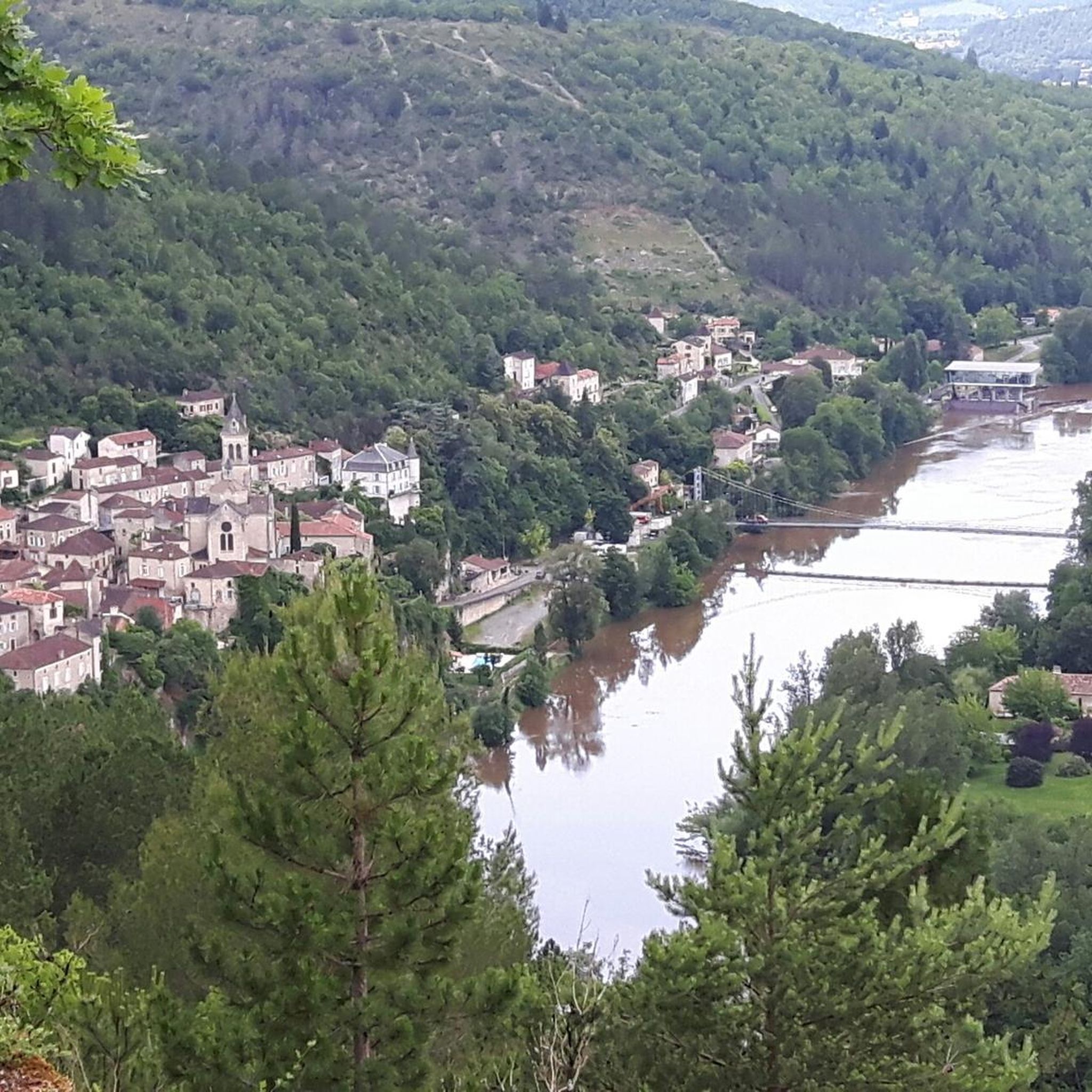
Albas suspension bridge
Highlight • Other
Albas la Jolie, mostly built on a cliff above the Lot, one of the most beautiful “spots” in the Lot valley.
Albas was once a port from …
Translated by Google •
Tip by

Sign up now to discover places like this
Get recommendations on the best single tracks, peaks, & plenty of other exciting outdoor places.
Sign up for free
Puy-l'Évêque
Highlight • Other
Translated by Google •
Tip by

Frayssinet-le-Gélat
Highlight • Settlement
Translated by Google •
Tip by

Saint-Sauveur Church of Gourdon
Highlight • Religious Site
Translated by Google •
Tip by
Sign up for free to discover even more attractions around Labastide-Du-Vert.
Sign up for free
Already have an account?
Start today with a free account
Your next adventure awaits.
Login or Signup

Tips from the Community

St. Savior's Church was built between the 14th and 16th centuries. The nave was enlarged in 1880, and the church was added. The bell tower features an impressive porch with a 15th-century Gothic archivolt above the double doors. A 14th-century watchtower (small tower) with horizontal loopholes can be seen at the northeast corner.
1
0

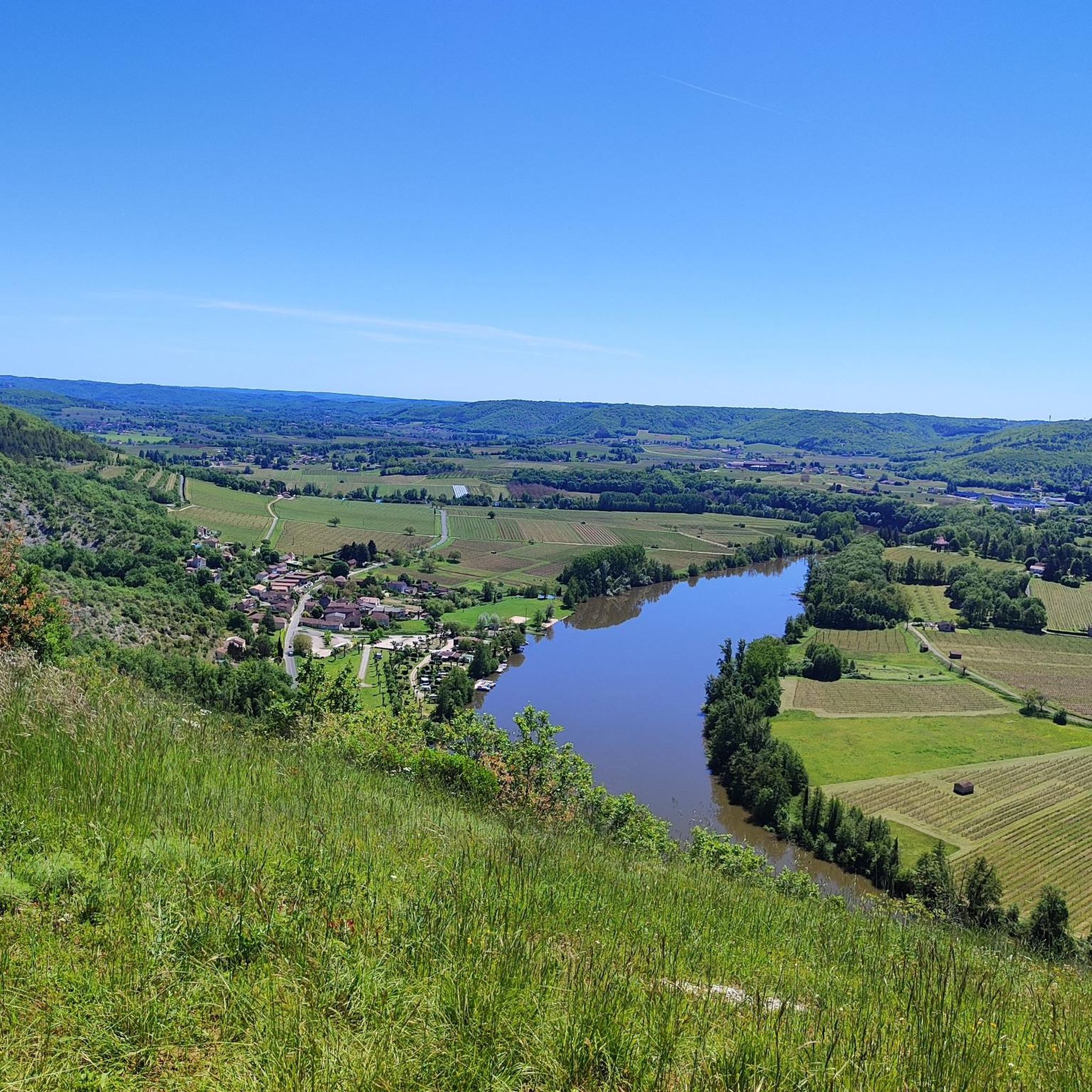
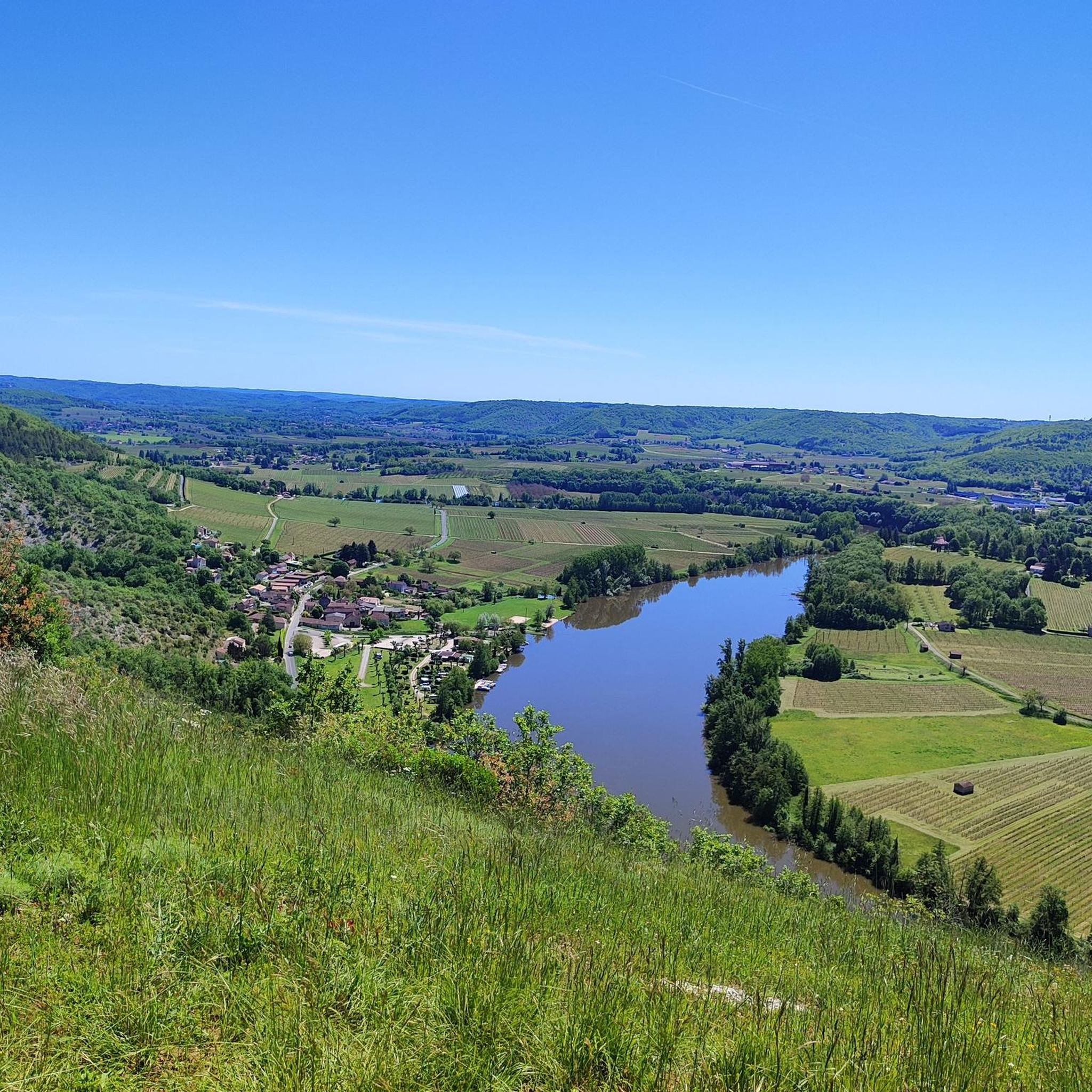
Puy l'évêque is a magnificent little village, especially from the outside with the lot in which it is reflected!
0
0

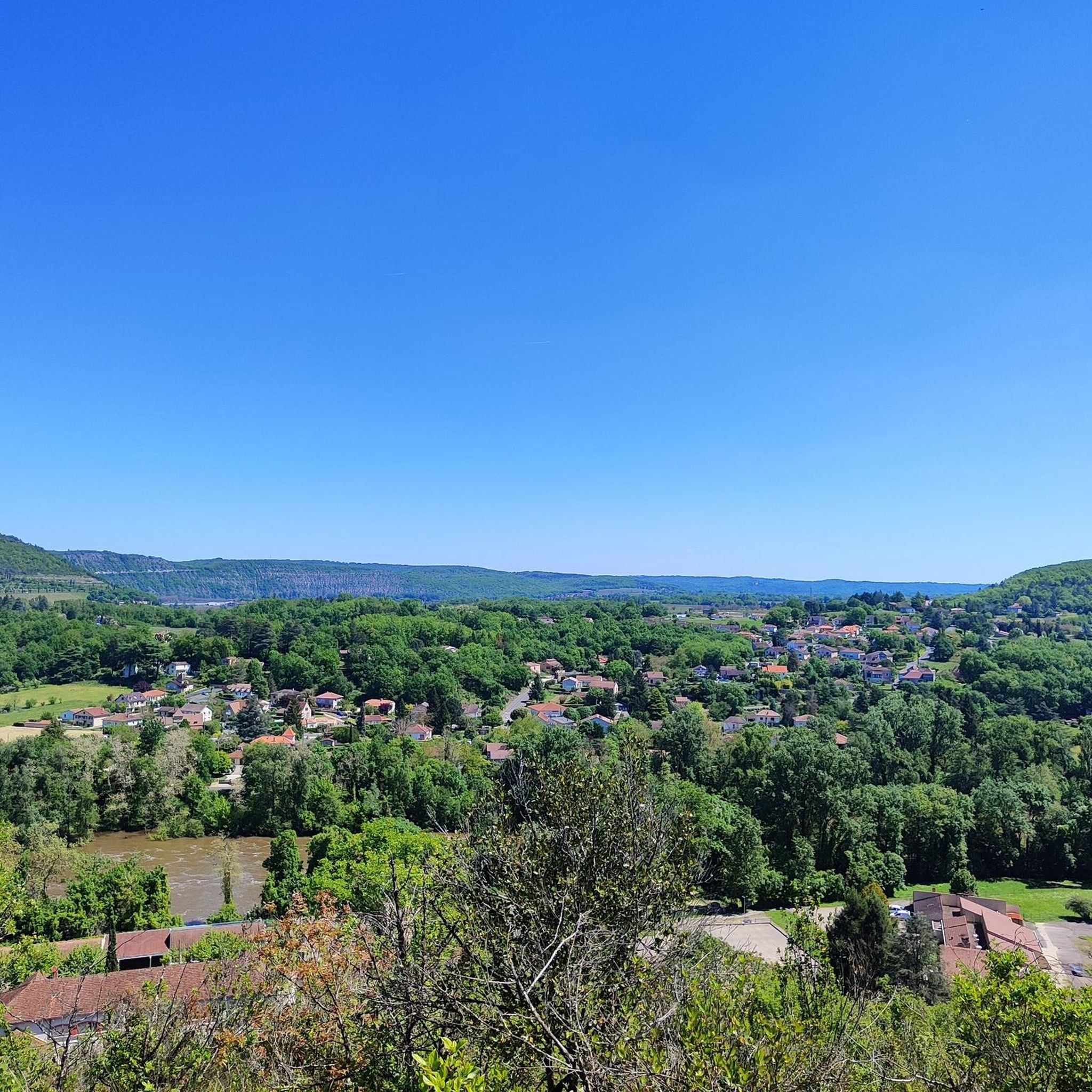
An impressive medieval town that dates back to the 13th century. It is dominated by the Saint-Saveur church, at the foot of which there is a public library in old school buildings. In the schoolyard there is a public toilet, the key to which is available in the library.
0
0

A visit where, the hanging gardens, the center, chateau ....
0
0

A walk through a lovely landscape!
0
0

Nice view of the center from the narrow bridge
0
0
Frequently Asked Questions
What historical sites can I explore near Labastide-Du-Vert?
The region is rich in history. You can visit Puy-l'Évêque, a medieval city with a 13th-century tower and the old Saint-Sauveur church. Luzech offers the two-thousand-year-old oppidum of the Impernal. Don't miss Albas with its 13th-century Chateau d'Albas, and Frayssinet-le-Gélat, known for its unique Sainte-Radegonde church.
Are there family-friendly attractions around Labastide-Du-Vert?
Yes, several attractions are suitable for families. Luzech and Frayssinet-le-Gélat are noted as family-friendly. Exploring the maze of alleys in the medieval town of Puy-l'Évêque can also be an engaging activity for all ages, as can visiting the castle in Albas.
What outdoor activities, particularly cycling, are available near Labastide-Du-Vert?
The area around Labastide-Du-Vert is excellent for cycling. You can find numerous routes for road cycling, general touring, and mountain biking. Explore options like the 'Panoramic viewpoint — Puy-l'Évêque – Albas loop' for road cycling, or the 'Castelfranc – loop between the valley of the Masse and the valley of the Lot' for a more challenging touring bicycle ride. For mountain biking, consider routes like 'Maxi VTT J4 – Cazelle de Trespoux loop'. You can find more details on these activities in the Road Cycling Routes, Cycling, and MTB Trails guides.
Are there any notable natural features or viewpoints in the region?
Yes, the region is characterized by its natural beauty along the Lot River. Puy-l'Évêque is built on a rocky promontory dominating the Lot, offering scenic views. The Albas suspension bridge provides a very nice view of Albas and the Lot River. Luzech is nestled between two arms of the Lot, offering picturesque river views.
What do visitors enjoy most about the attractions around Labastide-Du-Vert?
Visitors particularly appreciate the medieval charm and historical depth of the towns. They enjoy exploring the maze of alleys and golden stone houses in Puy-l'Évêque, often recommending putting bikes down to explore on foot. The cozy atmosphere of Albas, with its café under plane trees, is also a highlight. The impressive views from the Albas suspension bridge are also frequently mentioned.
Can I find easy walking trails near Labastide-Du-Vert?
While specific 'easy walking trails' are not detailed in the highlights, the medieval towns themselves, like Puy-l'Évêque, offer pleasant walking opportunities through their historic streets and along the Lot River. Exploring these settlements on foot is a great way to experience the local architecture and atmosphere.
What is the best time to visit Labastide-Du-Vert for outdoor activities?
The region is generally pleasant for outdoor activities from spring through early autumn. Summer offers warm weather ideal for exploring the towns and enjoying activities along the Lot River. For cycling and walking, spring and autumn provide milder temperatures and beautiful scenery, especially with the vineyards in the Cahors region.
Are there any hidden gems or less-known spots worth visiting?
While the main highlights are popular, the charm often lies in the details. The defensive aspect of the Sainte-Radegonde church in Frayssinet-le-Gélat, with its porch appearing as a medieval tower, offers a unique historical insight. The story behind the Albas suspension bridge, built in 1933, also adds a layer of local history to a seemingly simple structure.
What kind of architecture can I expect to see in the towns?
The towns around Labastide-Du-Vert are characterized by medieval architecture. You'll find golden stone houses, narrow alleys, and historical structures. Puy-l'Évêque is a prime example with its 13th-century tower and old Saint-Sauveur church. Albas features the Chateau d'Albas, also from the 13th century, showcasing the region's rich architectural heritage.
Are there opportunities for wild swimming near Labastide-Du-Vert?
While the Lot River flows through the region, specific designated wild swimming spots are not detailed in the provided information. It's always recommended to check local regulations and safety guidelines before attempting to swim in natural bodies of water.
What is the significance of the Cahors vineyard in this region?
The Cahors vineyard is central to the identity of the region. Towns like Puy-l'Évêque and Luzech are situated within the heart of this vineyard area. Historically, Albas was a port from which Cahors wines were transported. The vineyards contribute significantly to the landscape and local culture, offering opportunities to explore wine-related activities.
Most popular routes around Labastide-Du-Vert
Most popular attractions around Labastide-Du-Vert

Get inspired with the komoot mobile app


Explore more
Still not found the Highlight you’re looking for? See guides of the top attractions in other regions:
