The best road cycling routes around Caunes-Minervois
4.3
(93)
1,643
riders
91
rides
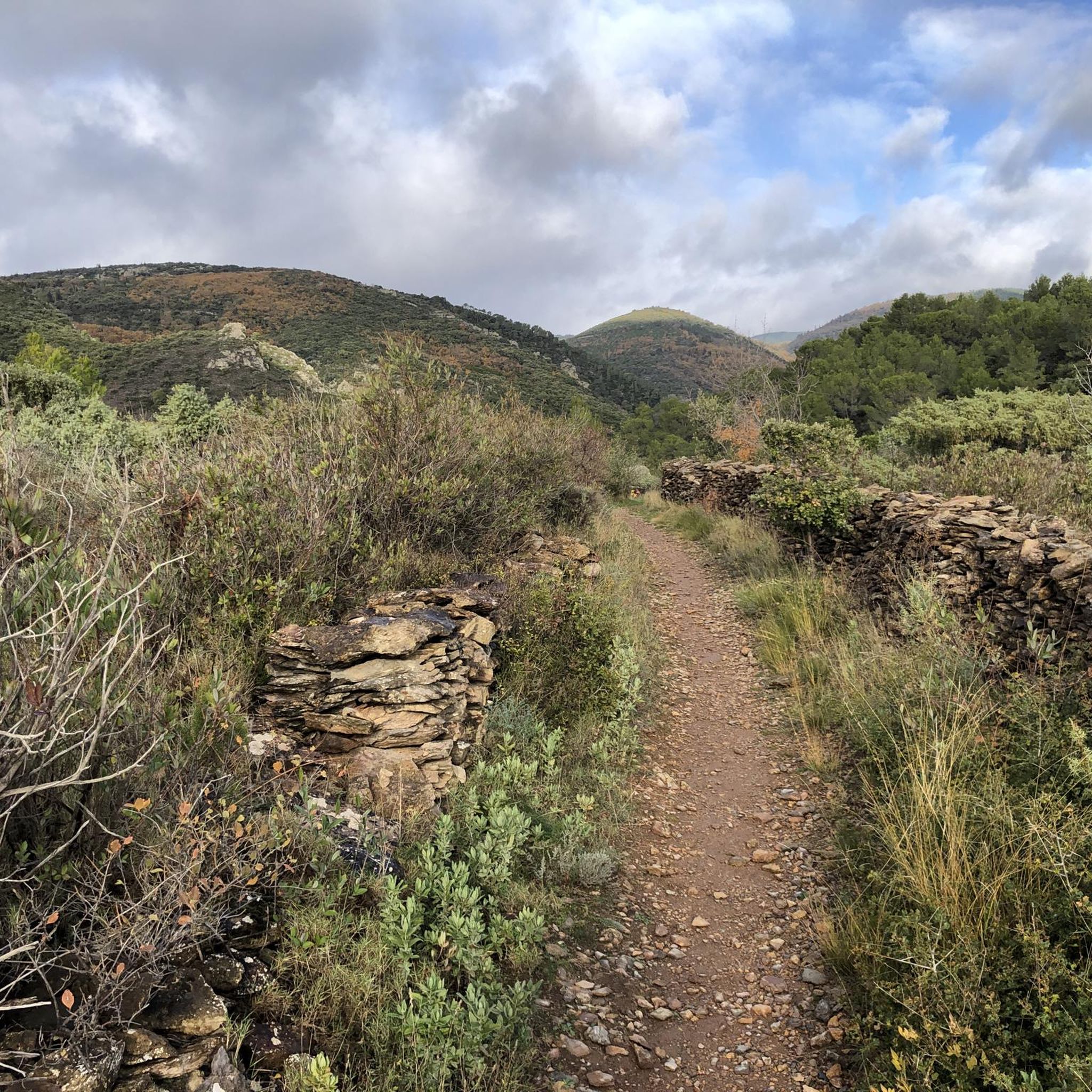
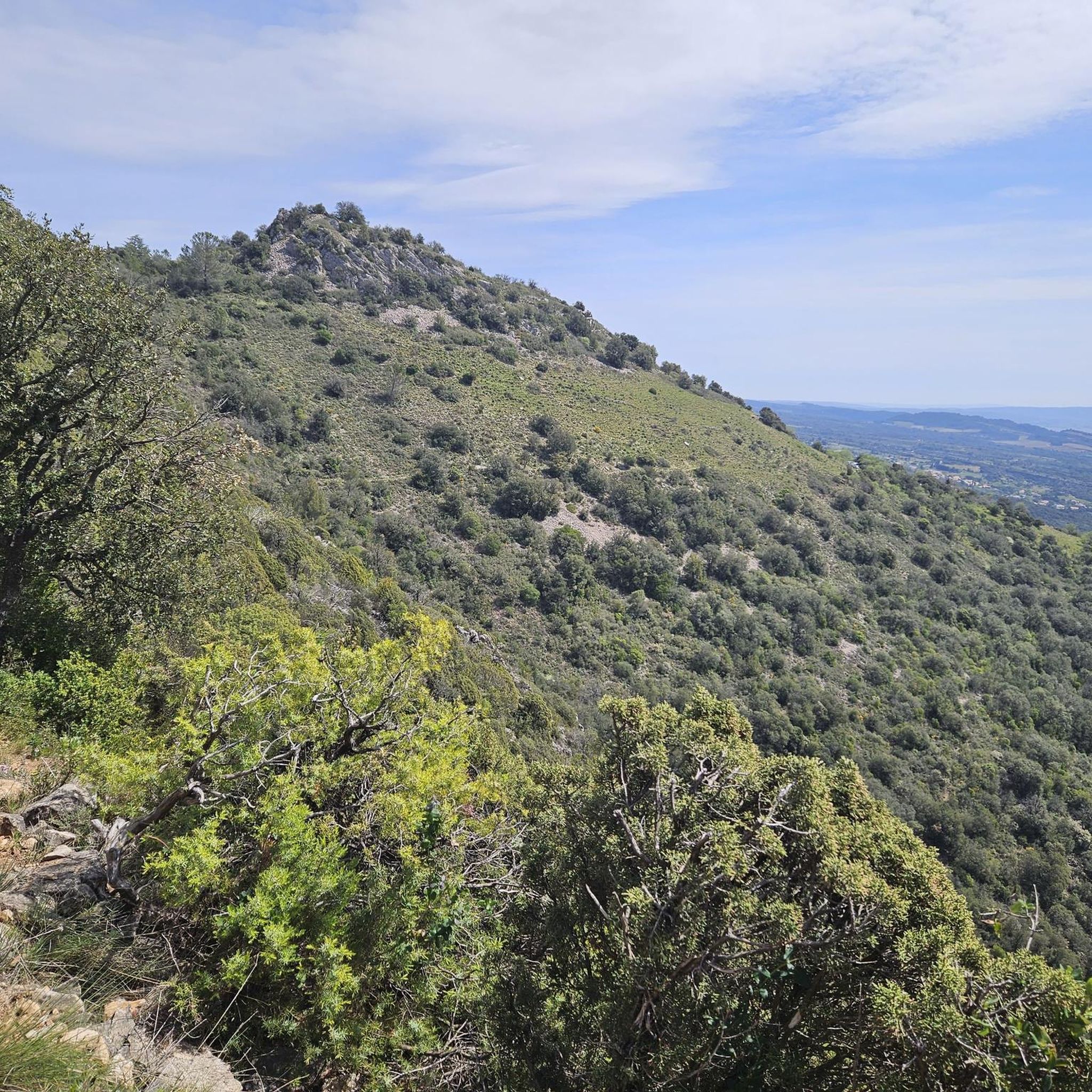
Road cycling around Caunes-Minervois offers diverse terrain, situated between the Minervois plain and the foothills of the Montagne Noire. The region features extensive vineyards, challenging climbs into the Black Mountain, and historic marble quarries. Cyclists can navigate routes with significant elevation changes, traversing areas with both gentle gradients and steep ascents. This landscape provides varied experiences for different fitness levels.
Best road cycling routes around Caunes-Minervois
- The most popular road cycling route is Pic de Nore – Lastours > Lastours loop…
Last updated: October 21, 2026
3.8
(33)
322
riders
78.6km
04:03
1,390m
1,390m
Hard road ride. Very good fitness required. Mostly well-paved surfaces and easy to ride.
12
riders
44.0km
01:50
270m
270m
Easy road ride. Mostly well-paved surfaces and easy to ride.

5.0
(2)
14
riders
55.2km
02:18
360m
360m
Moderate road ride. Good fitness required. Mostly well-paved surfaces and easy to ride.
21
riders
61.1km
02:59
710m
710m
Moderate road ride. Good fitness required. Some segments of this route may be unpaved and difficult to ride.
10
riders
42.1km
02:12
650m
650m
Moderate road ride. Good fitness required. Mostly well-paved surfaces and easy to ride.
Get access to more routes and recommendations from other explorers.
Already have an account?
Our route recommendations are based on thousands of hikes, rides, and runs completed by other people on komoot.
Start today with a free account
Your next adventure awaits.

Tips from the Community

An ancient site of Roman baths, Homps later housed a commandery of the Knights of the Order of Malta. Then, thanks to the construction of the Canal du Midi, the commune experienced considerable growth in the wine trade and transport. Today, barges make a pleasant stopover in its charming marina.
0
0
The Homps lock is a single lock on the Canal du Midi located in the commune of Homps.
0
0

From the climb at Liviniere, a plateau emerges where you pedal wonderfully on relatively flat asphalt.
0
0
gentle climb between 4 and 4.5% gradient. nice asphalt. stunning view over the landscape.
0
0

Viewpoint over Azillanet ! A nice stop to enjoy a superb perspective over Azillanet, a village whose history dates back to at least the 9th century, when it was mentioned under the name of Azelanum.
2
0
From this viewpoint, the village appears surrounded by the vineyards of Minervois and protected by the relief. The domed bell tower of the Saint-Étienne church stands out clearly above the roofs.
2
0
In the heart of Félines-Minervois, the church of Notre-Dame de l'Assomption is a discreet witness to a history much older than its stones suggest. Built in 1694 in an ogival style and organized around three naves, it preserves a precious relic from the early Middle Ages: a Visigothic lintel, probably from an ancient place of worship that has since disappeared. This stone fragment recalls that a Christian community already existed here more than a thousand years ago. The church is part of a territory shaped by several millennia of history. The first traces of human occupation date back to prehistory, notably with the l'Abeurador cave, where evidence testifies to one of the oldest known agricultural practices in the south of France. Later, the Gallo-Roman period left its mark with installations related in particular to ceramic production, which could be the origin of the village's name, derived from the Latin figulinas, meaning “place where pottery is made”. In the Middle Ages, the heart of local power was not yet in Félines but around the castle of Ventajou, an important fortress mentioned as early as the 9th century. Situated on a promontory overlooking the valley, it controlled the passage routes between the Minervois and the foothills of the Black Mountain. Like many sites in the region, it was affected by the events of the crusade against the Albigensians at the beginning of the 13th century, before gradually losing its importance in favor of the current village.
2
0
In the heart of the old village of La Livinière, the church of Saint-Étienne is a discreet but remarkable witness to nearly a millennium of history. Mentioned as early as 1102, it retains a Romanesque nave from the 12th century, supplemented over the centuries by side chapels and Gothic additions. Its vaults and sculptures recall the craftsmanship of medieval builders in the Minervois. Its most remarkable feature remains its domed bell tower, rare in the region. Built on a Romanesque base and then topped with a stone dome in the 17th century, it gives the church an immediately recognizable silhouette. A local tradition recounts that this bell tower was inspired by buildings observed in the East by a knight returning from a crusade, a story that adds a touch of mystery to this monument. The church is part of La Livinière's eventful history: a former fortified village established around a castle, possession of the lords of La Livinière then the Trencavels, the town has traversed the great periods of Languedoc's Middle Ages. The La Jugie family, who marked the village in the 14th century, also left their mark in the church with the discovery of a family tomb in the Saint-Blaise chapel. Right next to the church, the J. Callas & H. Roquebernou garden offers a pleasant interlude in the heart of the village. This landscaped space accompanies the discovery of the monument by providing a place of calm and respite.
2
0
Frequently Asked Questions
How many road cycling routes are available around Caunes-Minervois?
There are over 90 road cycling routes around Caunes-Minervois, offering a wide range of experiences. You'll find routes suitable for various fitness levels, from easy rides to challenging ascents into the Montagne Noire.
What kind of terrain can I expect on road cycling routes in Caunes-Minervois?
The region offers diverse terrain, blending the gentle, vineyard-covered Minervois plains with the more demanding inclines of the Montagne Noire. Routes often feature significant elevation changes, traversing areas with both gentle gradients and steep ascents, primarily on paved surfaces.
Are there challenging climbs for experienced road cyclists?
Yes, Caunes-Minervois is an excellent destination for experienced cyclists seeking a challenge. A notable route includes the 6 km ascent to the Pic de Nore, the highest point of the Montagne Noire. The Pic de Nore – Lastours > Lastours loop from Trausse is a difficult 48.9-mile route with over 1300 meters of elevation gain, offering panoramic views.
Are there any easier road cycling routes suitable for beginners or families?
While many routes involve climbs, there are easier options, particularly on the Minervois plains. These routes often wind through vineyards and charming villages, providing a more leisurely experience. For example, the Grotte Pont Petite – Minerve loop from Trausse is a moderate 28.7-mile route that leads through historic villages and vineyards with less demanding elevation.
What historical or natural landmarks can I see along the road cycling routes?
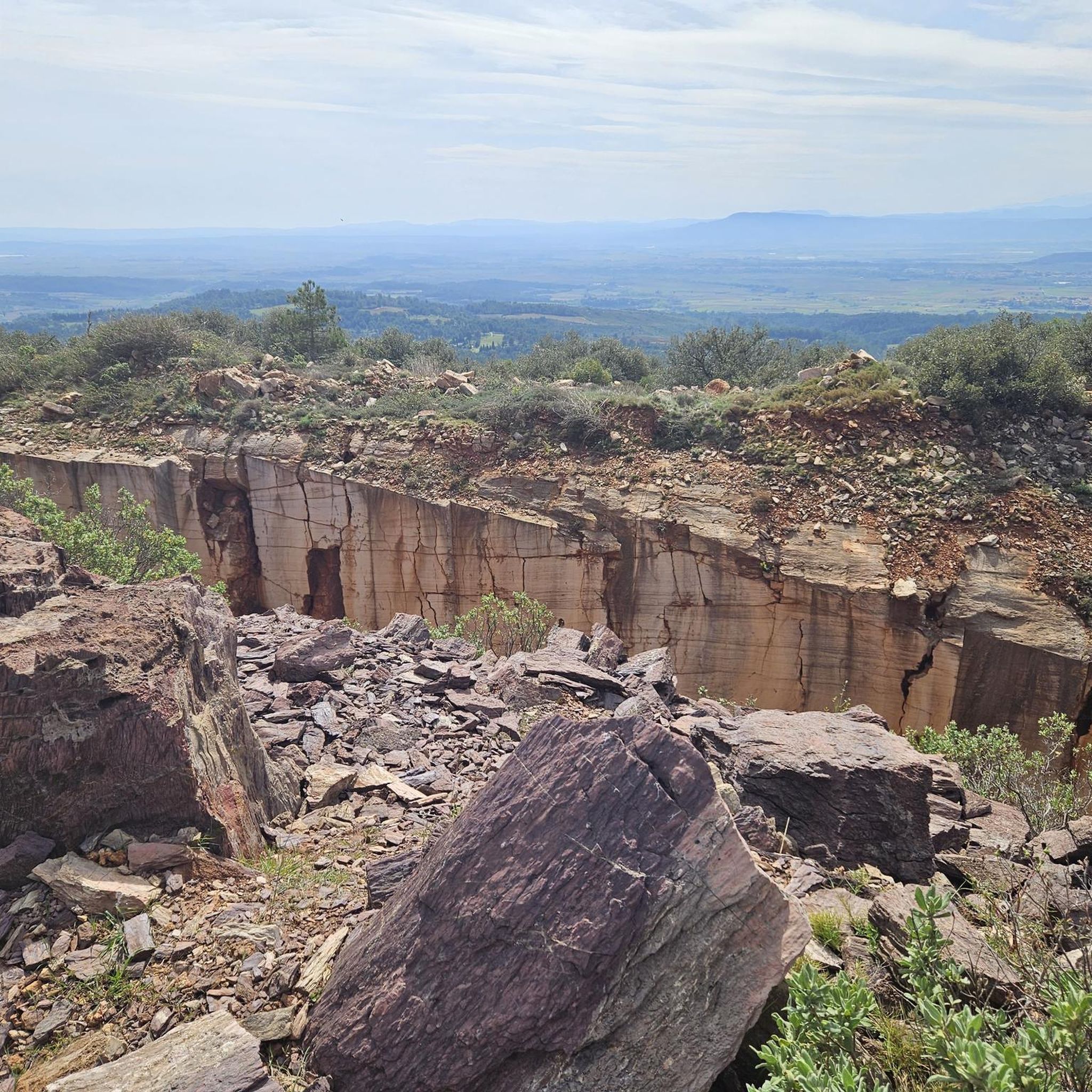
Road cycling routes often pass through areas rich in history and natural beauty. You can expect to see extensive vineyards, ancient red marble quarries, and charming villages. Notable landmarks include the Pic de Nore for its panoramic views, the historic Notre-Dame du Cros Church, and sections of the UNESCO-listed Canal du Midi.
Are there any circular road cycling routes in the area?
Yes, many of the road cycling routes around Caunes-Minervois are designed as loops, allowing you to start and finish in the same location. Examples include the challenging Pic de Nore – Lastours > Lastours loop from Trausse and the moderate La Tourette Cabardes – View of Aragon loop from Villeneuve-Minervois.
What is the best time of year for road cycling in Caunes-Minervois?
The spring and autumn months generally offer the most pleasant conditions for road cycling in Caunes-Minervois, with milder temperatures and less intense sun. Summer can be hot, especially in the plains, but higher elevations in the Montagne Noire provide some relief. Always check local weather forecasts before heading out.
Where can I find parking for road cycling routes in Caunes-Minervois?
Caunes-Minervois and surrounding villages like Trausse and Villeneuve-Minervois typically offer public parking areas where you can leave your vehicle before starting a ride. Look for designated parking zones within the village centers, which often serve as convenient starting points for many routes.
What do other cyclists say about road cycling in Caunes-Minervois?
The road cycling routes in Caunes-Minervois are highly rated by the komoot community, with an average score of 4.2 stars from over 50 reviews. Cyclists often praise the varied terrain, the stunning panoramic views from the Montagne Noire, and the picturesque rides through vineyards and historic villages.
Are there opportunities to explore the Minervois wine region by bike?
Absolutely. Many road cycling routes wind directly through the extensive vineyards of the Minervois region. These routes offer picturesque scenery and a chance to experience the heart of this renowned wine-growing area, often passing through charming wine-producing villages.
Are there any specific permits required for cycling in the region?
Generally, no specific permits are required for road cycling on public roads and designated cycling paths in the Caunes-Minervois region. However, always respect private property and local regulations, especially when passing through vineyards or rural areas.
What makes Caunes-Minervois unique for road cycling?
Caunes-Minervois offers a unique blend of challenging mountain climbs, such as the ascent to the Pic de Nore, and scenic rides through the historic Minervois wine region. The area's rich heritage, including its famous red marble quarries and ancient abbey, combined with diverse landscapes, provides a truly distinctive road cycling experience.
Most popular routes around Caunes-Minervois
Most popular attractions around Caunes-Minervois

Get inspired with the komoot mobile app


Explore more
Browse the best Road cycling routes in other regions.
