Attractions and Places To See around Estal - Top 20
Attractions and places to see around Estal are primarily found in the surrounding Lot department of south-western France. Estal itself is a small, rural commune. The broader region is known for its picturesque villages, historical sites, and natural beauty. Visitors can explore a variety of cultural and historical landmarks in the vicinity.
Best attractions and places to see around Estal
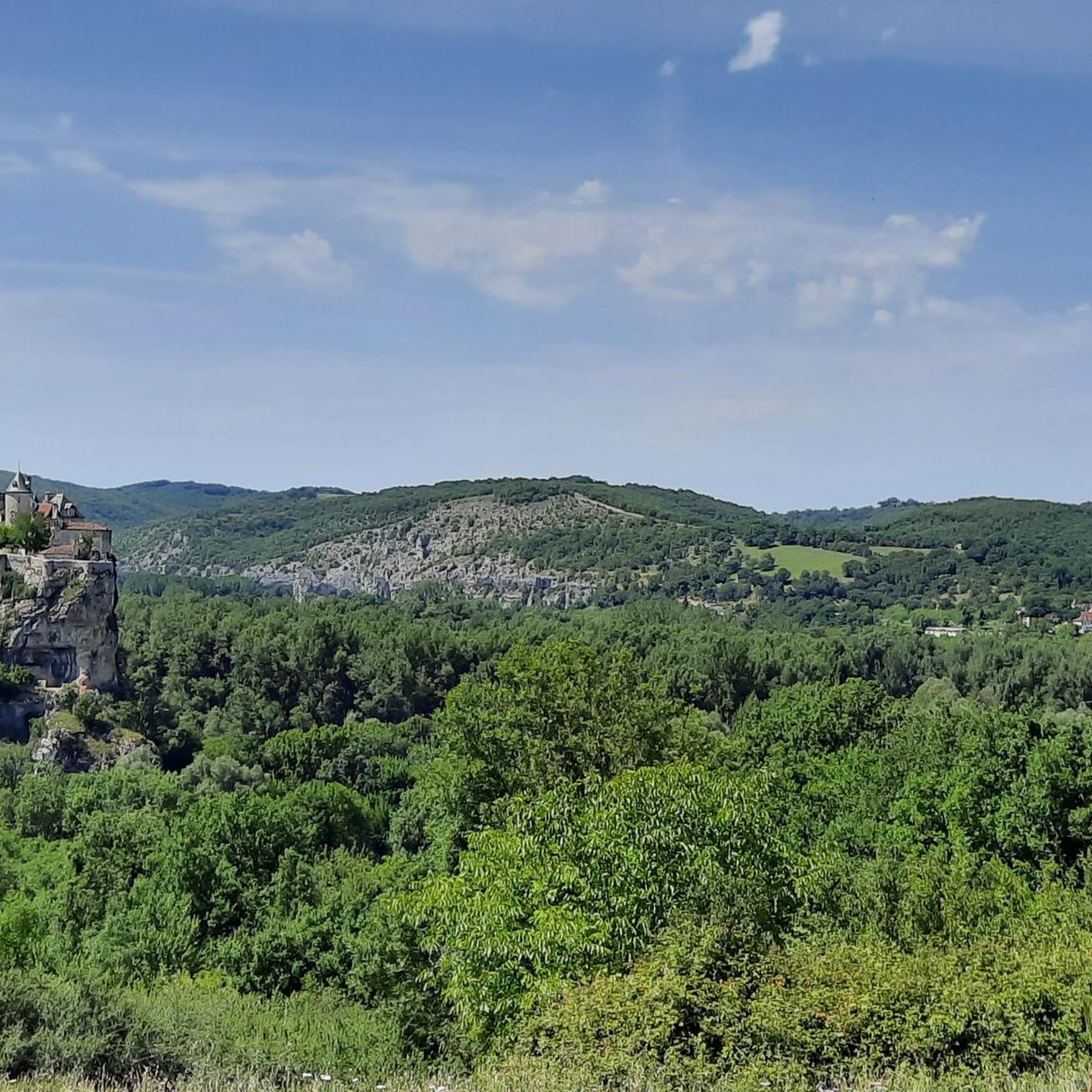
- The most popular attractions is Loubressac Village, a settlement perched high up with views over the Dordogne valley. Its…
Last updated: May 10, 2026
Autoire
Highlight • Historical Site
Translated by Google •
Tip by

Loubressac Village
Highlight • Settlement
Translated by Google •
Tip by
Sign up now to discover places like this
Get recommendations on the best single tracks, peaks, & plenty of other exciting outdoor places.
Sign up for free
Saint Peter's Abbey Church, Beaulieu-sur-Dordogne
Highlight • Religious Site
Translated by Google •
Tip by

Chapel of the Penitents of Beaulieu-sur-Dordogne
Highlight • Religious Site
Translated by Google •
Tip by

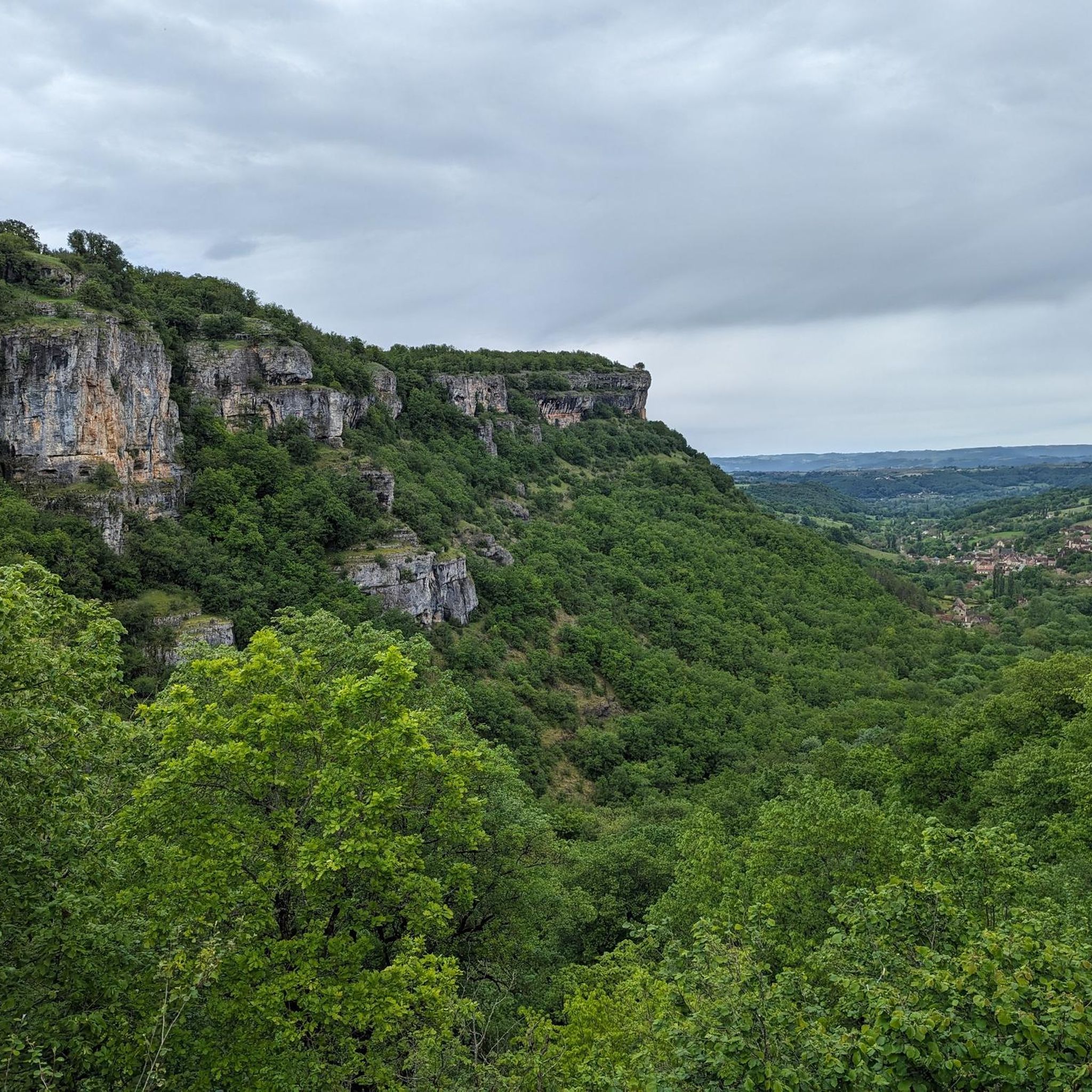
Autoire - one of France's most beautiful villages
Highlight • Other
Translated by Google •
Tip by

Sign up for free to discover even more attractions around Estal.
Sign up for free
Already have an account?
Start today with a free account
Your next adventure awaits.
Login or Signup

Tips from the Community

Fascinating stonework, a very beautiful Romanesque church
0
0

It is one of the 11 most beautiful villages in the region and is adorned with flowers. The small village is a quick walk. The free parking area for motorhomes is about 500 meters outside of the village. Car parking is available just before the end of the village.
1
0
The small village has a very special charm.
1
0

The abbey church of the former Benedictine monastery in Beaulieu dates back to the 12th century. Romanesque at its finest. The south portal is particularly impressive, with its detailed tympanum depicting Christ with his disciples. The adjoining bell tower dates from the 14th century. Only the remains of the monastery walls and the chapter house remain.
0
0

A place worth seeing in a very beautiful landscape. Bar and fountain for refreshment.
0
0


Opening times From June 15, 2024 to September 15 * The chapel is open from mid-June to mid-September for temporary exhibitions and guided tours of the city (information at the tourist office).
1
0
The chapel was built in the 12th century. After being partially damaged during the Hundred Years' War, it was restored thanks to a loan taken out by the consulate from a wealthy family. It was sold as national property during the Revolution. In 1820, it was bought by the Brotherhood of the Blue Penitents. The latter disappeared at the end of the 19th century, after having had a great influence in the city. The chapel is above all remarkable for its magnificent five-bay bell tower with bell locations. The chevet of the chapel is simple with its triplet of apsidioles and its Limousin moldings.
1
0
Frequently Asked Questions
What kind of historical sites can I explore near Estal?
The region around Estal is rich in history. You can visit Loubressac Village, which features a 15th-17th century castle and the Église Saint-Jean-Baptiste. Another significant historical site is Saint Peter's Abbey Church in Beaulieu-sur-Dordogne, a 12th-century Romanesque masterpiece with an impressive south portal. Additionally, the Chapel of the Penitents of Beaulieu-sur-Dordogne, also from the 12th century, is notable for its five-bay bell tower.
Are there any picturesque villages to visit near Estal?
Yes, the area is known for its charming villages. Loubressac Village is perched high with beautiful views over the Dordogne valley and boasts a medieval townscape. Another must-see is Autoire, recognized as one of France's most beautiful villages, featuring medieval architecture with natural stone and half-timbered facades set in a narrow valley.
What natural features or viewpoints are there around Estal?
While Estal itself is rural, the surrounding Lot department offers natural beauty. Loubressac Village provides stunning views over the Dordogne valley. Near Autoire, you can find an 80-meter high waterfall, which is a popular destination for hikers.
What outdoor activities can I do near the attractions around Estal?
The region offers various outdoor activities. You can find numerous cycling routes, including easy to difficult options like the 'Saint-Médard-de-Presque loop' or the 'Teyssieu – Viewpoint loop'. For more details, explore the Cycling around Estal guide. There are also road cycling routes, such as the 'Figeac – View of Autoire loop', detailed in the Road Cycling Routes around Estal guide.
Are there hiking trails available near Estal's attractions?
Yes, the area is excellent for hiking. You can find trails like 'On the lands of the barons of Castelnau' or 'The vineyards of Glanes loop'. For more options and details on difficulty, refer to the Hiking around Estal guide. The village of Autoire also serves as a starting point for hikes, including one to its impressive waterfall.
What do visitors particularly enjoy about the attractions near Estal?
Visitors frequently praise the picturesque and medieval townscapes of villages like Loubressac Village and Autoire, often highlighting their calm and tranquil atmosphere. The historical significance and architectural beauty of sites such as Saint Peter's Abbey Church are also highly appreciated.
Are there any family-friendly attractions in the Estal area?
While specific 'family-friendly' activities are not explicitly detailed for every attraction, the charming villages like Loubressac Village and Autoire offer pleasant environments for family strolls and exploration. The walk to the waterfall near Autoire could also be an enjoyable family outing.
What is the best time of year to visit the attractions around Estal?
While specific seasonal data isn't available, the Lot department, being in south-western France, generally offers pleasant weather from spring to early autumn (April to October) for exploring villages, historical sites, and enjoying outdoor activities like hiking and cycling. Summer months are popular, but spring and autumn can offer milder temperatures and fewer crowds.
Can I find accommodation or dining options near these attractions?
Yes, some attractions offer amenities. For instance, Beaulieu-sur-Dordogne, home to Saint Peter's Abbey Church and the Chapel of the Penitents, is noted as a good place to rest, stay overnight, and eat well. Autoire also has three nice restaurants in its historic town center.
What is the significance of the churches and chapels in the area?
The religious buildings around Estal are significant historical and architectural landmarks. The Abbey Church of Saint Peter in Beaulieu-sur-Dordogne is a prime example of 12th-century Romanesque architecture. The Chapel of the Penitents of Beaulieu-sur-Dordogne, also from the 12th century, has a unique five-bay bell tower. In Loubressac Village, the Église Saint-Jean-Baptiste features a portal with figures of Adam and Eve and Christ.
Are there any castles or châteaux to see near Estal?
Yes, the region has several historical castles. In Loubressac Village, there is a 15th-17th century castle, though it is privately owned and not open for visits. Near Autoire, you can find the Château des Anglais (11th/12th century), the 17th-century Château de Bousqueilles (now a hotel), and the 15th-century Château de Limargue.

Get inspired with the komoot mobile app


Explore more
Still not found the Highlight you’re looking for? See guides of the top attractions in other regions:
