The best walks and hikes around Champ-Laurent
4.6
(175)
2,096
hikers
78
hikes
Hiking around Champ-Laurent offers diverse terrain, from tranquil pastures and woodlands to challenging mountain passes. The region is characterized by its varied elevation, featuring prominent cols like Col de Champlaurent and Col du Grand Cucheron. Historical sites such as Fort Montgilbert and the remains of Château de Montmayeur are integrated into several hiking trails. This area in Savoie provides a range of paths suitable for different fitness levels.
Best hiking trails around Champ-Laurent
- The most popular hiking route is Col…
Last updated: May 4, 2026
4.8
(5)
35
hikers
10.8km
03:05
260m
260m
Moderate hike. Good fitness required. Easily-accessible paths. Suitable for all skill levels.
5.0
(1)
20
hikers
5.54km
01:43
210m
210m
Easy hike. Great for any fitness level. Easily-accessible paths. Suitable for all skill levels.

Sign up for free
4.8
(4)
26
hikers
7.30km
02:23
210m
210m
Moderate hike. Good fitness required. Mostly accessible paths. Sure-footedness required.
4.0
(1)
16
hikers
11.8km
04:04
620m
610m
Moderate hike. Good fitness required. Easily-accessible paths. Suitable for all skill levels.
4.0
(1)
14
hikers
11.1km
03:44
480m
480m
Moderate hike. Good fitness required. Mostly accessible paths. Sure-footedness required.
Get access to more routes and recommendations from other explorers.
Sign up for free
Already have an account?
Our route recommendations are based on thousands of hikes, rides, and runs completed by other people on komoot.
Start today with a free account
Your next adventure awaits.
Login or Signup


Tips from the Community

just magnificent, keep it secret or almost....
0
0

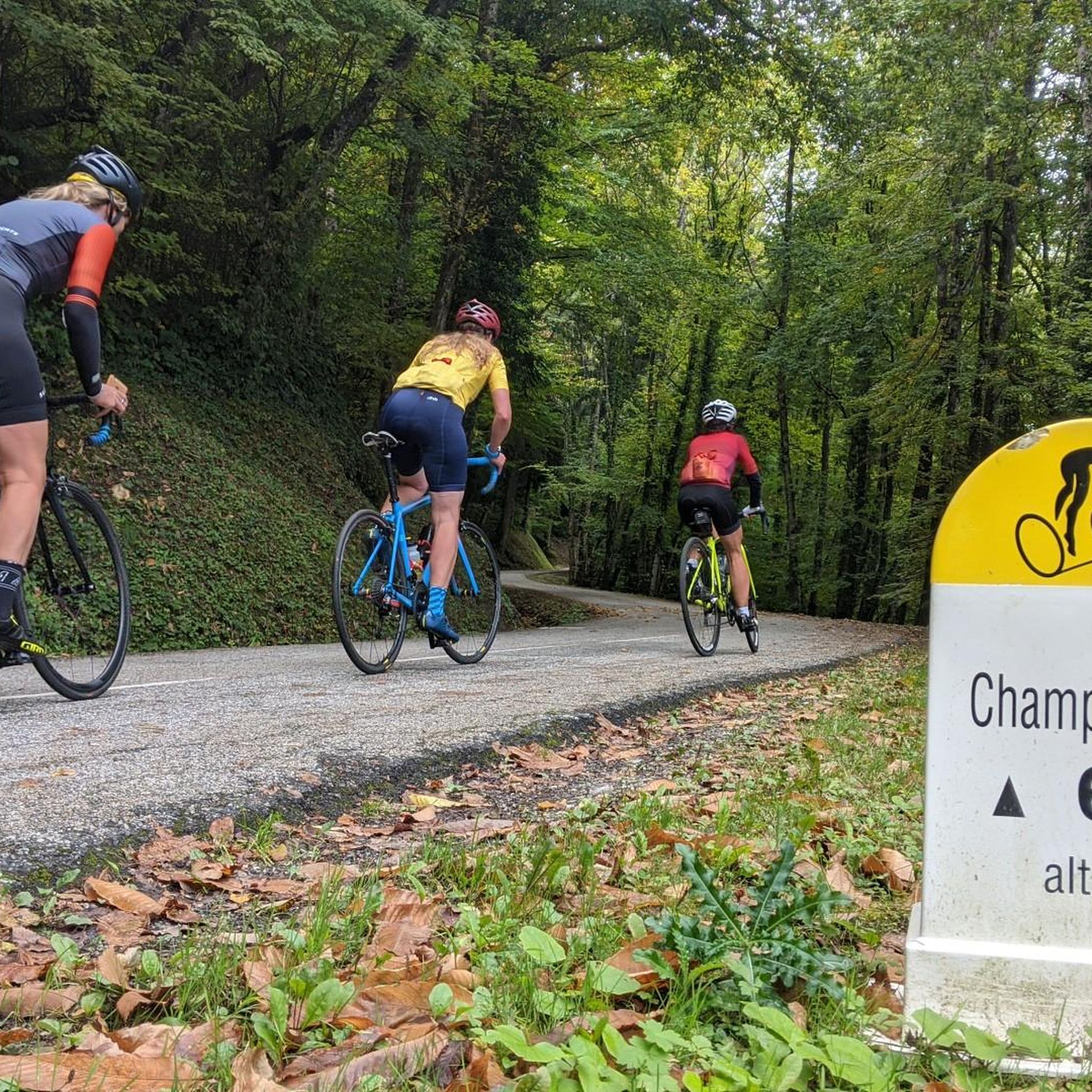
A sustained climb from Chamoux; for those with the best tire equipment (minimum 25" 4 seasons), it's possible to climb all the way to the Fort itself!
0
0

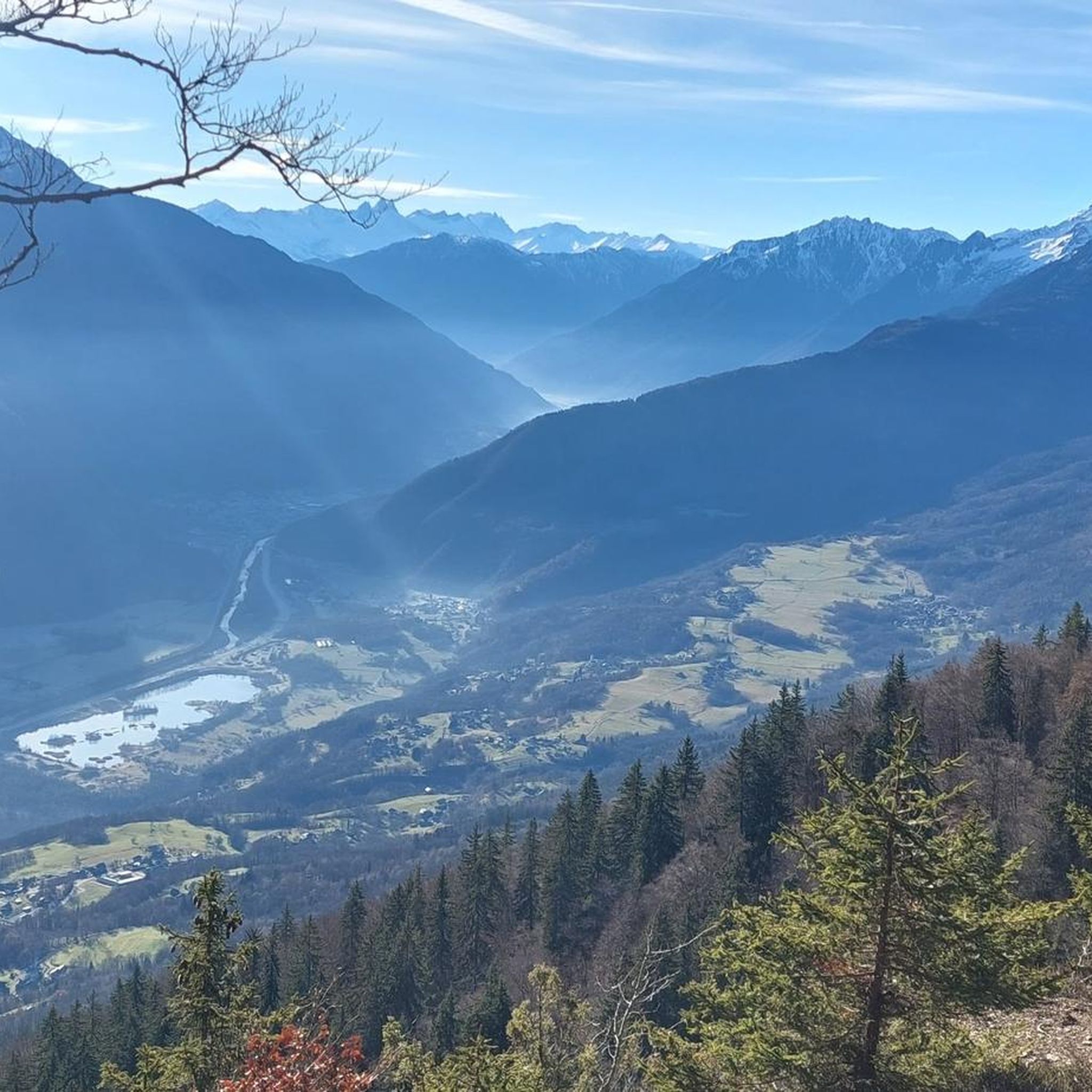
magnificent view of the snow-capped mountains at the end of May
1
0


Large parts of the tour have very little traffic, so you can enjoy the beautiful nature even more.
1
0

The Col de Cochette from La Trinité is 2.99 km long with a total drop of 237 m. The average gradient is 7.9% with maximum gradients of 10%. From Villard-d'Héry, it is 1.89 km with an average gradient of 7.8%. There is a total drop of 148m.
2
0

The Montgilbert fort is located at an altitude of 1,630 meters and dates from the 1880s. It then allowed the surveillance of the Arc valley, the According to valleys and the Cucheron pass. It is no longer possible to visit it, but you can get a good overview by approaching the entrance.
0
0

Lovely col well away from the busy roads of the valley floor and a great picnic spot when the sun is out and legs are tired!
1
0
Frequently Asked Questions
What types of hiking trails are available in Champ-Laurent?
Champ-Laurent offers a diverse range of hiking trails, from tranquil pastures and woodlands to more challenging mountain passes. You'll find paths suitable for various fitness levels, with over 79 routes in total. This includes 18 easy trails, 47 moderate, and 14 difficult options, ensuring there's something for everyone.
Are there any family-friendly hiking routes in Champ-Laurent?
Yes, Champ-Laurent has several family-friendly options. Many trails are easily accessible and suitable for shorter walks with minimal elevation gain. For an easy and scenic option, consider the Col de Champlaurent loop from Champlaurent, which is 3.4 miles (5.5 km) long and features the notable Col de Champlaurent.
What are some notable natural features or landmarks to see while hiking in Champ-Laurent?
The region is rich in natural beauty and historical sites. You can explore prominent mountain passes like Marocaz Pass, Col du Frêne (950 m), and Col du Grand Cucheron, which offer stunning views. Historical sites such as Fort Montgilbert and the remains of Château de Montmayeur are also integrated into several hiking trails, providing a blend of nature and history.
What is the best time of year to go hiking in Champ-Laurent?
Champ-Laurent is enjoyable for hiking across multiple seasons. Late spring is particularly beautiful, with magnificent views of snow-capped mountains from passes like Col de Champlaurent. The trails are generally accessible, but it's always wise to check local conditions, especially for higher elevations, during early spring or late autumn.
Are there any circular hiking routes available?
Yes, many of the trails in Champ-Laurent are designed as loops, offering convenient circular routes. A popular moderate option is the Col du Grand Cucheron loop from Le Pontet, which is 11.8 km long with a 620m elevation gain, requiring good fitness. Another is the Col de Cochette (587 m) – Tower loop from Villard-d'Héry, a 4.5 miles (7.3 km) trail.
What do other hikers say about the trails in Champ-Laurent?
The hiking routes in Champ-Laurent are highly regarded by the komoot community, with an average rating of 4.6 stars from over 160 reviews. Hikers frequently praise the diverse terrain, from tranquil woodlands to challenging mountain passes, and the well-integrated historical sites. Over 1900 hikers have used komoot to explore the area, highlighting its popularity.
Is parking available at the trailheads in Champ-Laurent?
Yes, parking is generally available at many trailheads throughout the Champ-Laurent region. For instance, the Col du Frêne (950 m) is noted as offering parking for hikers and joggers, making it a convenient starting point for many routes.
Are dogs allowed on the hiking trails in Champ-Laurent?
While specific regulations can vary by trail or protected area, generally, dogs are welcome on many hiking trails in the Champ-Laurent region. It's always recommended to keep dogs on a leash, especially in areas with livestock or wildlife, and to follow local signage regarding pet policies.
Are there any historical sites or ruins to explore on the trails?
Absolutely. The region's history is woven into its landscape. You can hike to sites like Fort Montgilbert, which is part of the Col du Grand Cucheron – Fort Montgilbert loop from Le Pontet. Another fascinating spot is the remains of Château de Montmayeur, which offers views of the Belledonne mountain range and Mont Blanc massif.
Are there any lakes or water features along the hiking routes?
Yes, the region offers some beautiful water features. You can find the Étang de Grésy, a tranquil lake that can be a pleasant stop or destination on a hike. Some trails also feature fresh water points, which are useful for longer treks.
What is the elevation gain like on the more challenging trails?
The more challenging trails in Champ-Laurent can involve significant elevation gains. For example, the Scenic Pathway – Tower loop from La Trinité, a moderate route, includes an elevation gain of over 500 meters. Routes like the Col du Grand Cucheron loop can have over 600 meters of ascent, requiring good physical condition.
Do I need any special permits to hike in the Savoie region around Champ-Laurent?
Generally, for day hikes on established trails in the Savoie region around Champ-Laurent, special permits are not required. However, if you plan to venture into specific protected natural reserves or engage in activities like bivouacking, it's always best to check with local authorities or park management for any specific regulations or permit requirements.
Most popular attractions around Champ-Laurent

Get inspired with the komoot mobile app


Explore more
Browse the best Hikes in other regions.
