Attractions and Places To See around Mornac-Sur-Seudre - Top 20
Best attractions and places to see around Mornac-Sur-Seudre include a blend of historical architecture, natural beauty, and cultural heritage in the Charente-Maritime department of western France. Situated on the banks of the Seudre River, the village is recognized for its traditional oyster and salt production. The area features picturesque landscapes, including extensive salt marshes and the tranquil Seudre estuary. Mornac-Sur-Seudre offers a variety of experiences, from exploring medieval streets to engaging with local craftsmanship.
Best attractions and places to see around Mornac-Sur-Seudre
- The most popular attractions is Chay Beach, a beach that offers views of the Cordouan lighthouse. This sandy beach is surrounded by rocky cliffs, providing a sheltered and pleasant environment.
- Another must-see spot is German Bunkers of La Grande Côte, a historical site where visitors can explore well-preserved bunkers from the Second World War. These structures are nestled between the forest and the ocean, offering historical insight and ocean views.
- Visitors also love Conche de Gilet, a beach that is a natural gap in the rocks, offering a narrow and peaceful sandy area. It is accessible at low tide and provides a quiet place to relax.
- Mornac-Sur-Seudre is known for its historical sites, natural landscapes, and cultural points of interest. The region offers a variety of attractions, from fortified churches and medieval market halls to salt marshes and artisan shops.
- The attractions around Mornac-Sur-Seudre are appreciated by the komoot community, with over 220 upvotes and 30 photos across 9 highlights.
Last updated: July 16, 2026
Chay Beach
Highlight • Beach
Translated by Google •
Tip by

Carrelets of Saint Palais sur mer
Highlight • Other
🐟 Origin of the carrelets
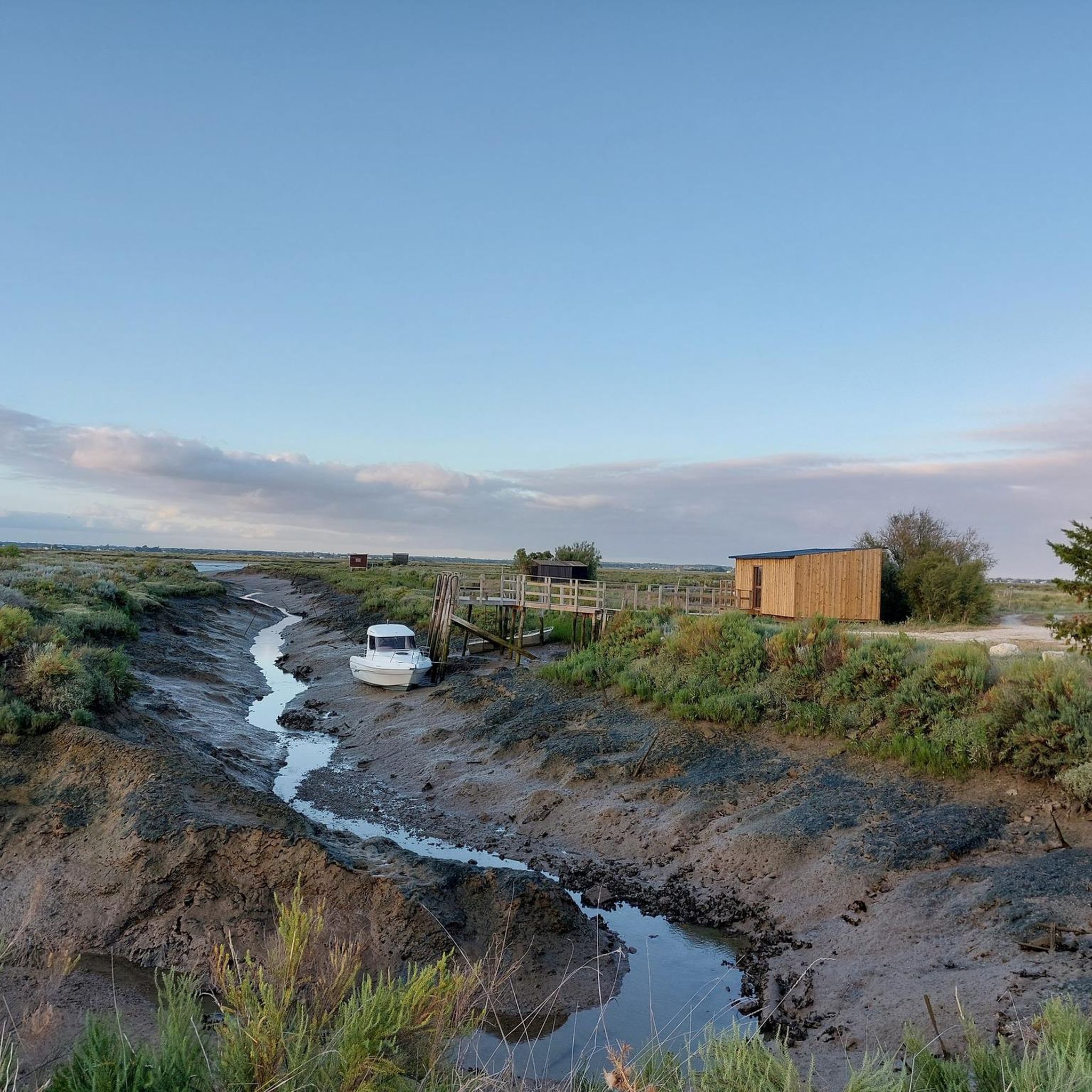
Originally, the word "carrelet" referred to a square fishing net used since the 17th century. A precise description can be found as early as 1769, in the writings of the scholar Henri-Louis Duhamel du Monceau, who mentioned this type of fishing on the Saintonge coast. 👉 At that time, these were not yet the current huts, but simply a net operated from rudimentary structures.
⚓ Artisanal fishing structures
The first local carrelets were simple wooden platforms, built by the fishermen themselves to stand above the water. They were mainly used to catch shrimp, fish, and crabs near the shore, without going out to sea. 👉 It was a family and coastal fishery, less dangerous than sea fishing.
🏖️ 19th – early 20th century: transition to a leisure activity
At the turn of the 20th century, with the rise of seaside resorts like Saint-Palais, the carrelets evolved. Holidaymakers and notable figures adopted this practice: construction of fixed jetties, appearance of huts on stilts. The carrelets then became places for relaxation as much as for fishing. 👉 They already contributed to the postcard image of the coast.
🪵 After 1945: democratization and multiplication
After the Second World War, the number of carrelets increased sharply. They became a symbol of popular leisure and conviviality. The transition was gradually made from a means of subsistence to a recreational activity.
🌊 Storms and reconstruction
The carrelets are fragile in the face of storms:
1999: massive destruction (up to 90% in some areas)
2010 (Xynthia storm): new damage
Many have been rebuilt identically, respecting tradition.
🏛️ Today: protected heritage
In Charente-Maritime, there are about 400 carrelets. They are:
integrated into the public maritime domain
allocated by administrative authorization (often renewed every 5 years)
Since 2018, they have been recognized as cultural heritage of the department.
👉 In Saint-Palais, they can be observed in particular:
at Pont du Diable
at the conche du Concié
at the Puits de l’Auture
Showing Translation
Tip by

Sign up now to discover places like this
Get recommendations on the best single tracks, peaks, & plenty of other exciting outdoor places.
Sign up for free
Our Lady of the Aviators Chapel in Saint-Palais
Highlight • Other
Having become too small to accommodate all the faithful, the chapel underwent some modifications in 1908, in particular an enlargement, and the stone nave gave way to a longer and much wider brick nave. Monsignor Augouard, Bishop of Congo-Brazzaville blesses the Chapel again for the occasion.
Following the feat of Louis Blériot crossing the English Channel in an airplane in 1909, the chapel then dedicated to Notre Dame became the chapel of the Aviators and then a little later that of the Sailors. When Joseph Odelin died in 1927, the chapel was offered to the diocese. During the Second World War and like the Royan coast, the bombings did not spare the chapel of the airmen, rebuilt in 1947.
Created in 2005, the association of Friends of Notre Dame du Platin has the mission of bringing to life and maintaining the Chapel of the Aviators. Masses are celebrated there throughout the summer and the pilgrimage at the end of August closes the summer season.
On the occasion of the guided tour of the Sentier des Douaniers, we invite you to discover the interior of the chapel and admire the models of planes it houses, offerings also called ex-voto.
Translated by Google •
Tip by

Port of Royan
Highlight • Structure
Translated by Google •
Tip by
Conche de Gilet
Highlight • Beach
Translated by Google •
Tip by
Sign up for free to discover even more attractions around Mornac-Sur-Seudre.
Sign up for free
Already have an account?
Start today with a free account
Your next adventure awaits.
Login or Signup

Tips from the Community

The carrelets of Saint-Palais-sur-Mer are among the most emblematic elements of the Charente coastline. Their history blends traditional fishing, tourist development, and local heritage. 🐟 Origin of the carrelets Originally, the word "carrelet" referred to a square fishing net used since the 17th century. A precise description can be found as early as 1769, in the writings of the scholar Henri-Louis Duhamel du Monceau, who mentioned this type of fishing on the Saintonge coast. 👉 At that time, these were not yet the current huts, but simply a net operated from rudimentary structures. ⚓ Artisanal fishing structures The first local carrelets were simple wooden platforms, built by the fishermen themselves to stand above the water. They were mainly used to catch shrimp, fish, and crabs near the shore, without going out to sea. 👉 It was a family and coastal fishery, less dangerous than sea fishing. 🏖️ 19th – early 20th century: transition to a leisure activity At the turn of the 20th century, with the rise of seaside resorts like Saint-Palais, the carrelets evolved. Holidaymakers and notable figures adopted this practice: construction of fixed jetties, appearance of huts on stilts. The carrelets then became places for relaxation as much as for fishing. 👉 They already contributed to the postcard image of the coast. 🪵 After 1945: democratization and multiplication After the Second World War, the number of carrelets increased sharply. They became a symbol of popular leisure and conviviality. The transition was gradually made from a means of subsistence to a recreational activity. 🌊 Storms and reconstruction The carrelets are fragile in the face of storms: 1999: massive destruction (up to 90% in some areas) 2010 (Xynthia storm): new damage Many have been rebuilt identically, respecting tradition. 🏛️ Today: protected heritage In Charente-Maritime, there are about 400 carrelets. They are: integrated into the public maritime domain allocated by administrative authorization (often renewed every 5 years) Since 2018, they have been recognized as cultural heritage of the department. 👉 In Saint-Palais, they can be observed in particular: at Pont du Diable at the conche du Concié at the Puits de l’Auture
0
0
📍 Introducing the Gilet Cove The Gilet Cove is a small, natural beach on the oceanfront, located on Boulevard de la Conche de Gilet / Boulevard de la Falaise, in the town of Vaux-sur-Mer, just before Royan. 🌿 It's a sheltered, rocky cove, appreciated for its tranquility and more intimate setting compared to the larger urban beaches nearby. 🏖️ At high tide, the sea can completely cover this small beach, making the space very limited; at low tide, you can enjoy a patch of sand and rocks for relaxing or swimming. 🧭 Features & Tips 📍 Type of place: small, unsupervised beach, nestled among the rocks with sand and cliffs. 🏖️ Tides: access is best at low tide — at high tide the beach can disappear underwater. 🐶 Animals: prohibited from April 1st to September 30th (subject to municipal regulations). 👣 Access: via stairs from the boulevard above, surrounded by villas with sea views. 🚫 Lifeguard services: no lifeguard station or marked services. 📍 Location La Conche de Gilet is often considered the last small beach in Vaux-sur-Mer before reaching Royan/Pontaillac when following the coastline from Saint-Palais-sur-Mer.
0
0
🏖️ General Overview Chay Beach is a family-friendly, fine sandy beach located in Royan (Charente-Maritime), on the Côte d’Argent promenade between Pigeonnier Beach and Pointe du Chay. It stretches for approximately 200 meters and boasts a pleasant natural setting, with a cove bordered by rocks typical of the Charente coastline. 🏝️ Features • 🌊 Beach type: fine sand, sheltered cove. • 🏄♂️ Atmosphere: relatively calm and family-friendly, ideal for children and vacationers seeking relaxation away from the large urban beaches. • 🐾 Pets: prohibited from April 1st to September 30th. • 🫧 Water quality: excellent (Blue Flag label awarded for 2025). 🧭 Lifeguard and Safety • Swimming is supervised during the season (June to early September), with areas marked by red and yellow flags. • The area is classified as a Category 3 "Supervised Beach" and lifeguards are present during the indicated hours. 🪑 Amenities On-site, you can find: • 🏖️ Sun loungers, parasols, and mattresses for rent. • 🚿 Foot rinse and public restrooms. • 📶 Wi-Fi access, first aid station, and an area accessible to people with reduced mobility (assistance may be required depending on the slope). • 🍴 Beachfront restaurant ("Le Chay" bar-restaurant with sea views). 🚶♂️ Atmosphere and Activities • 🎈 Ideal for families and leisurely strolls. • 🌞 People come here for swimming, playing on the sand, flying kites, or simply relaxing by the ocean. • 🅿️ Parking is available nearby, and the beach is easily accessible on foot or by bike from Royan town center in just a few minutes. 🧭 Practical Tips • 📆 Best time to visit: summer for supervised swimming and full services, but also during the off-season for a more peaceful atmosphere. • ☀️ Arriving early in the morning makes parking easier during peak season. • 🐶 Dogs are not allowed during the summer season; check the signs on site during the off-season.
0
0
The port of Royan is located between the Foncillon district and the Grande Conche beach, in the heart of the city. Ideally located at the mouth of the Gironde, in the immediate vicinity of the Atlantic Ocean and opposite Port-Médoc, it consists of a marina with a thousand rings and a fishing port, specializing in “noble” species (sole, meagre, sea bass, etc.). You will find the harbor master's office, the Fishing Port and the auction, as well as a covered shopping arcade, “Les voûtes du Port”, which extends the shopping arcades of the “Front de Mer”. Port, 1100 sheltered places – Reception pontoon – Secure pontoons. Access pass is 0.30 m above the zero of the nautical charts. Basins after dredging 2.30 m from the zero of the nautical charts. Services: water, electricity (220 V) on pontoon, toilets, WC, showers, handling in closed technical area, recovery of careening water, grey water and black water pumps, maintenance and ship repair workshops, ship chandlers on the port, wifi, 24/24 CB fuel, slipway. V.H.F. 9. The port is sheltered from all winds because it is protected by the landing stage of the ferries which ensure the crossing of the Gironde for the crossings to the Pointe de Grave/Le Verdon-sur-Mer.
1
0
The Chay de Royan beach is a continuation of the Pigeonnier cove on the Côte d'Argent promenade and offers a larger area than the latter. This sandy beach is family-friendly with a restaurant on the beach. It is supervised during the summer season (mid-June to early September) and you can rent mattresses and cabins. The environment of this beach is very pleasant, there are fewer houses than on the other beaches in Royan. A large car park is available near this beach (left side). Access is possible for people with reduced mobility via an inclined plane with assistance (the slope is steep). Dogs are prohibited from April 1st to October 31st.
1
0

A large marina on the Atlantic coast with 1000 berths, the port of Royan is located in the heart of the city. It is protected from all winds, protected by the pier of the ferries that ensure the crossing of the Gironde.
1
0

If you are looking for a quiet and shady place to relax, the Conche de Gilet is a natural gap in the rocks which offers a narrow and peaceful beach. Please note, however, that the beach is only accessible at low tide, as the sea completely covers it at high tide.
2
0
Chay Beach is a sandy beach that offers a breathtaking view of the Cordouan lighthouse. It is surrounded by rocky cliffs and, as such, is sheltered from the wind and is a pleasant place to do your hike.
4
0
Frequently Asked Questions
What historical sites can I visit around Mornac-Sur-Seudre?
The region offers several historical points of interest. You can explore the German Bunkers of La Grande Côte, which are well-preserved structures from the Second World War nestled between the forest and the ocean. Additionally, the Our Lady of the Aviators Chapel in Saint-Palais, originally built in 1904 and later dedicated to aviators and sailors, provides a glimpse into local heritage. Within Mornac-Sur-Seudre itself, the fortified Romanesque Église Saint-Pierre (11th century) and the 16th-century Medieval Market Hall are notable landmarks.
Are there any natural attractions or beaches nearby?
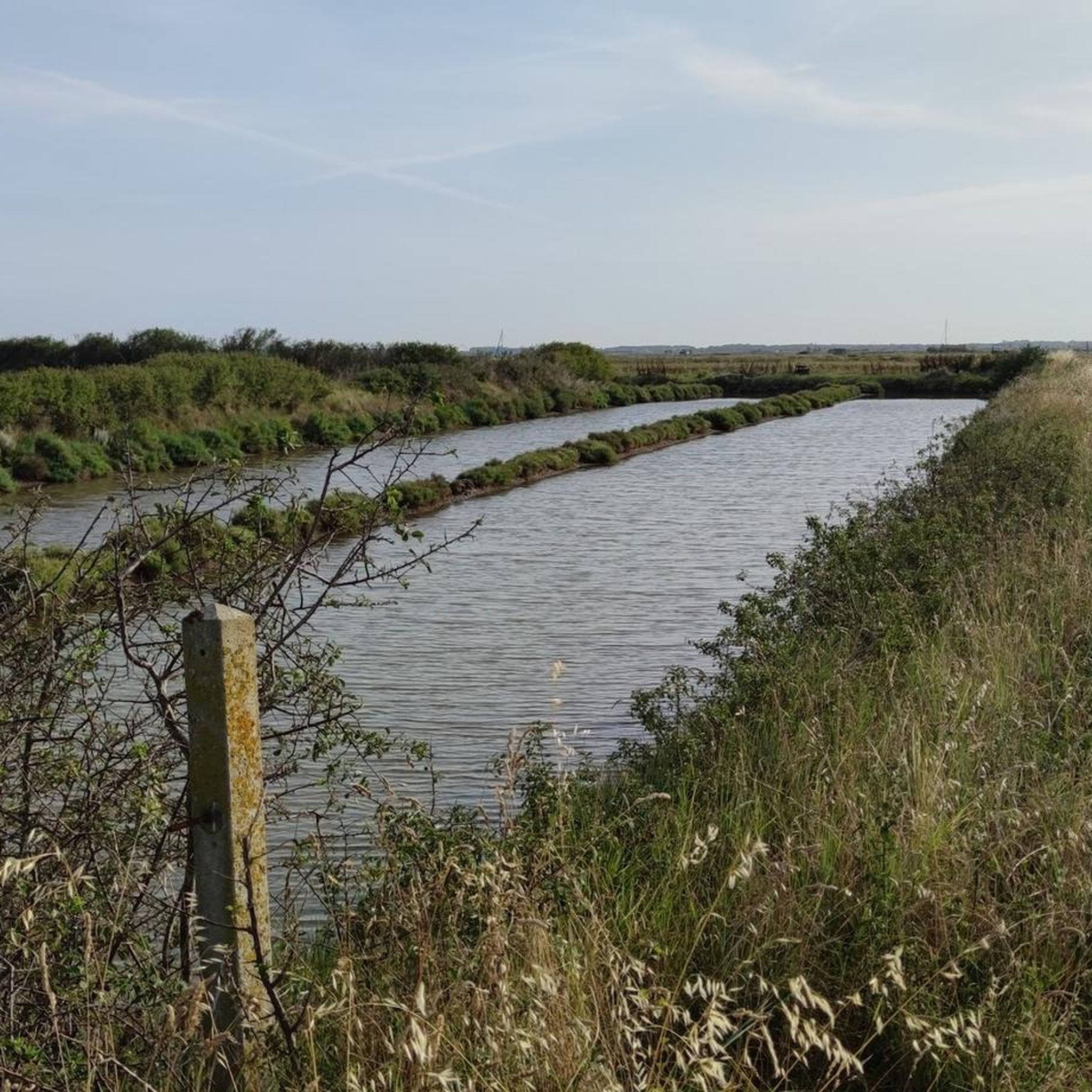
Yes, the area boasts beautiful natural spots and beaches. Chay Beach is a sandy beach offering views of the Cordouan lighthouse, sheltered by rocky cliffs. For a quieter experience, Conche de Gilet is a narrow, peaceful sandy area accessible at low tide, nestled between rocks. Mornac-Sur-Seudre is also surrounded by extensive salt marshes and the tranquil Seudre River and estuary, which offer picturesque walking and cycling paths.
What kind of outdoor activities can I do around Mornac-Sur-Seudre?
The region is ideal for various outdoor activities. You can find numerous hiking trails, including loops through the salt marshes. For cyclists, there are many road cycling and general cycling routes available. Explore options like the 'Mornac-sur-Seudre Marshes Loop' for hiking or the 'Saujon, Pisany, and L'Éguille Loop' for road cycling. You can find detailed routes and guides for these activities on our dedicated pages for Hiking around Mornac-Sur-Seudre, Road Cycling Routes around Mornac-Sur-Seudre, and Cycling around Mornac-Sur-Seudre.
What cultural experiences does Mornac-Sur-Seudre offer?
Mornac-Sur-Seudre is rich in cultural experiences, preserving its traditional trades of oyster farming and salt production. Visitors can learn about these age-old methods and enjoy tastings of local products. As a 'Villes et métiers d'art' labeled village, it hosts many artisan shops and art galleries showcasing local craftsmanship. The village also organizes various cultural events throughout the year, including a comic strip festival, a street arts festival, and the lively Port Festival celebrating oyster culture.
Are there family-friendly activities or attractions in the area?
Yes, the area offers several family-friendly options. Chay Beach is a supervised sandy beach with a restaurant, making it suitable for families. Exploring the picturesque medieval center of Mornac-Sur-Seudre with its narrow streets and whitewashed houses can be an enjoyable stroll for all ages. The traditional market under the medieval market hall is also a vibrant place to visit. Additionally, the 'Train des Mouettes,' a 19th-century steam train operating nearby, offers a scenic ride that families often enjoy.
Where can I experience local traditions and markets?
Mornac-Sur-Seudre is known for its traditional oyster and salt production. You can visit salt works and oyster huts to learn about these age-old methods and sample local products. The village also hosts a traditional market under the 16th-century Medieval Market Hall on Wednesday and Sunday mornings, where you can find local produce like fresh fish, goat cheese, artisanal bread, honey, wine, and, of course, oysters.
What is the best time of year to visit Mornac-Sur-Seudre?
The best time to visit Mornac-Sur-Seudre largely depends on your interests. The summer months (July and August) are lively with festivals like the street arts festival and the Port Festival. For outdoor activities like hiking and cycling, spring and early autumn offer pleasant weather. The traditional market runs year-round on Wednesdays and Sundays, providing a consistent local experience.
Can I explore the Seudre River and its surroundings?
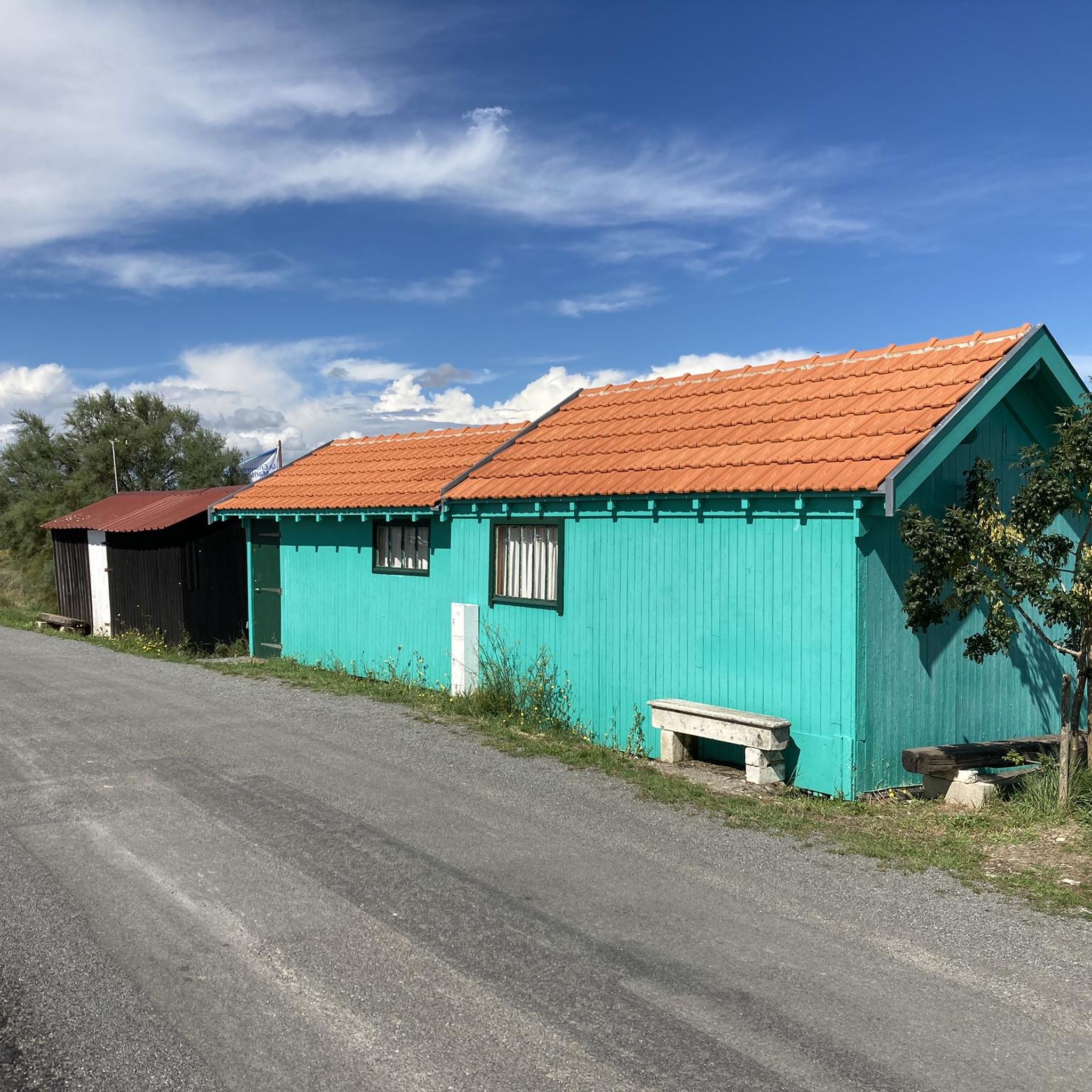
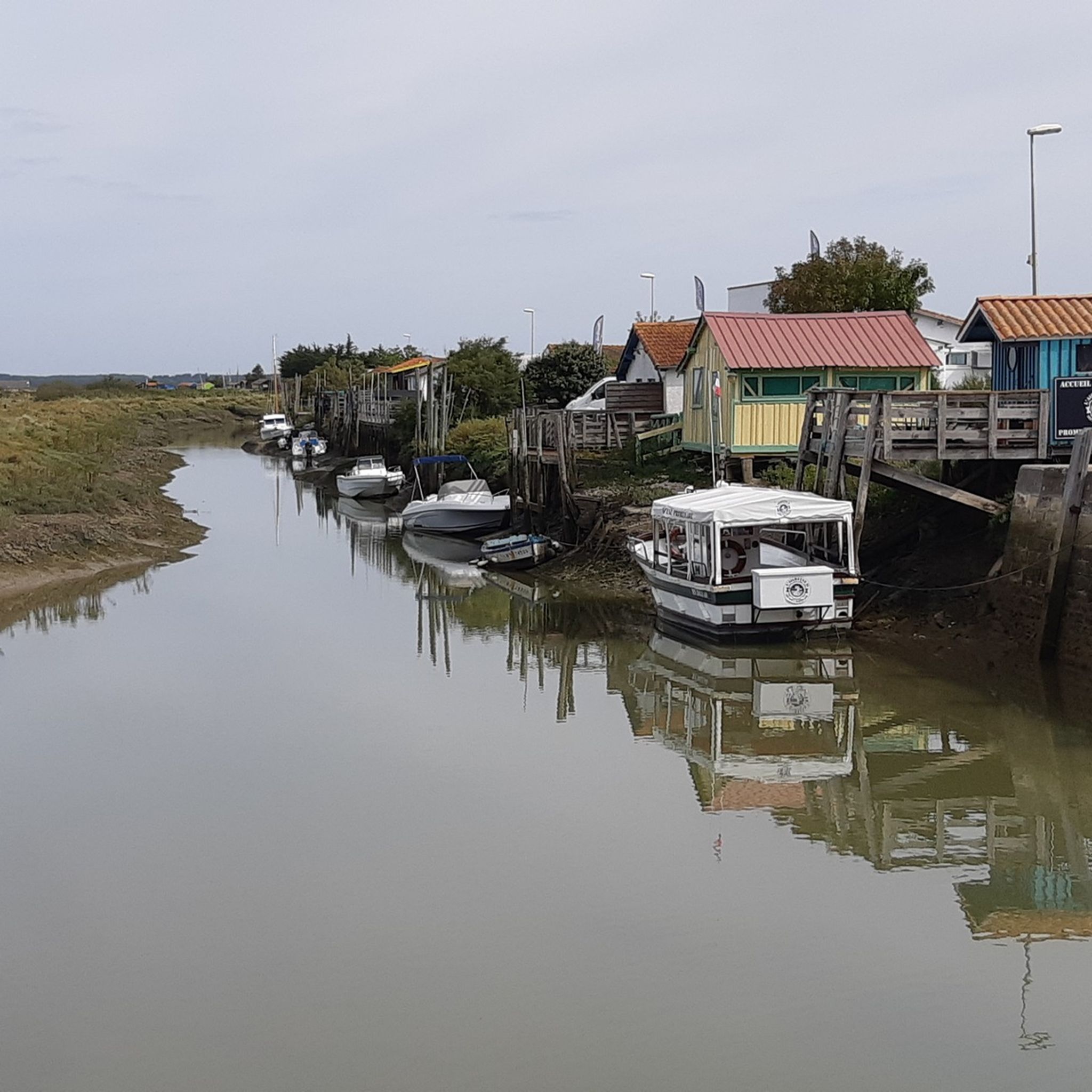
Absolutely. Mornac-Sur-Seudre is nestled along the peaceful Seudre River, which flows through verdant marshes. The port area is a pleasant place for a stroll, featuring small fishing boats and oyster farmer cabins. You can also explore the salt marshes surrounding the village, which offer picturesque walking and cycling paths and are home to diverse flora and fauna. Kayaking and paddleboarding are popular ways to explore the salt marshes and estuary.
What kind of craftsmanship or local products can I find?
As a 'Villes et métiers d'art' labeled village, Mornac-Sur-Seudre is home to many small artisan shops and art galleries. You can find local craftsmanship such as pottery and various art pieces. The traditional market is also an excellent place to discover local products, including fresh seafood, goat cheese, artisanal bread, honey, wine, and the renowned local oysters.
Is there a port or marina nearby?
Yes, the Port of Royan is a significant marina located in the heart of Royan, offering 1000 berths. It's a great place to enjoy the sea breeze and views of boats and the estuary. This port also functions as a fishing port specializing in 'noble' species and has an auction. Additionally, the village of Mornac-Sur-Seudre itself has a charming port area with small fishing boats and oyster cabins.
What are some unique local attractions or 'hidden gems'?
Beyond the main attractions, Mornac-Sur-Seudre offers unique insights into its heritage. You can discover 'La Flèche,' an old fishing and oyster-farming cutter that represents a significant piece of maritime history. Exploring the narrow, winding streets of the medieval center, adorned with whitewashed houses and hollyhocks, can feel like stepping back in time. The remnants of a château that once overlooked the village also add to its historical charm.
Most popular routes around Mornac-Sur-Seudre

Get inspired with the komoot mobile app


Explore more
Still not found the Highlight you’re looking for? See guides of the top attractions in other regions:
