Attractions and Places To See around Saint-Chamant - Top 16
Best attractions and places to see around Saint-Chamant include a blend of historical landmarks and natural features within the Cantal department of Auvergne, France. The village is positioned on the southern slopes of the Bertrande valley, providing access to the Monts du Cantal and the Volcanoes Regional Natural Park. The area is characterized by its traditional elements, such as residential caves in Cors rock, and serves as a base for exploring the surrounding natural environment.
Best attractions and places to…
Last updated: July 2, 2026
Cascade
Highlight • Waterfall
Tip by

Argentat
Highlight • Settlement
Translated by Google •
Tip by

Sign up now to discover places like this
Get recommendations on the best single tracks, peaks, & plenty of other exciting outdoor places.
Sign up for free
Maronne Mill
Highlight • Monument
The heavy millstones …
Translated by Google •
Tip by

Chastang Dam
Highlight • Viewpoint
Translated by Google •
Tip by

The banks of the Dordogne
Highlight • Other
The walk takes about 10 minutes.
Translated by Google •
Tip by

Sign up for free to discover even more attractions around Saint-Chamant.
Sign up for free
Already have an account?
Start today with a free account
Your next adventure awaits.
Login or Signup
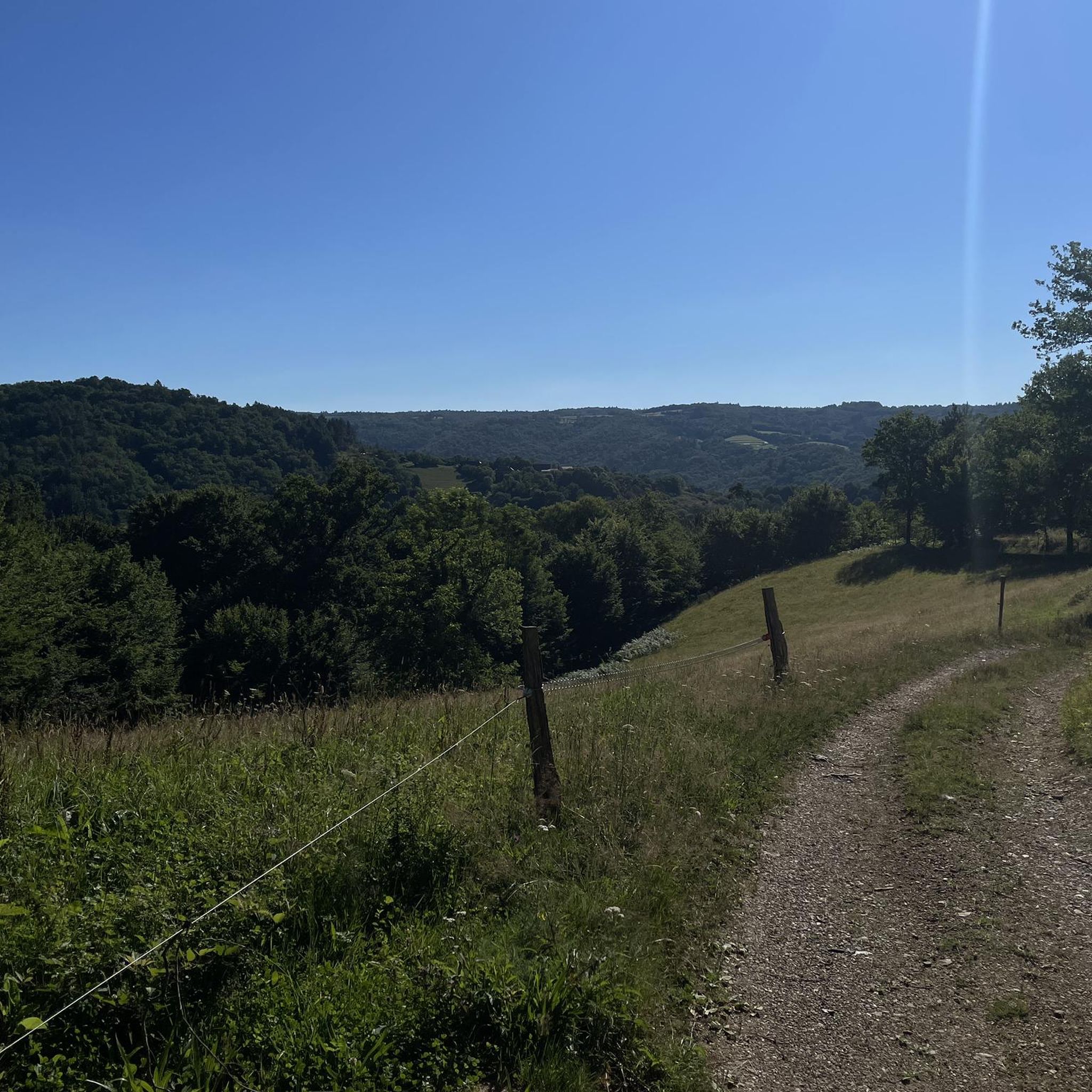
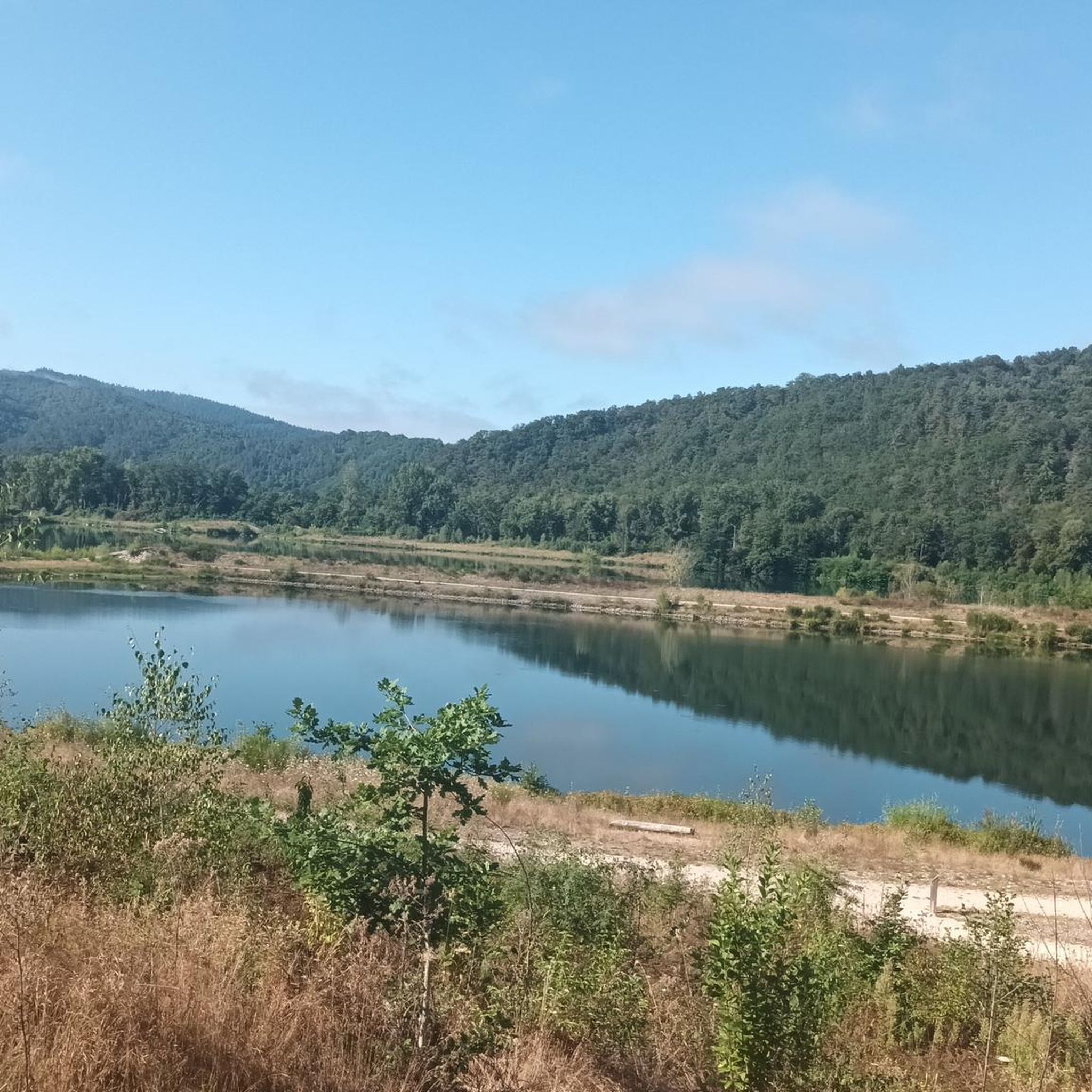
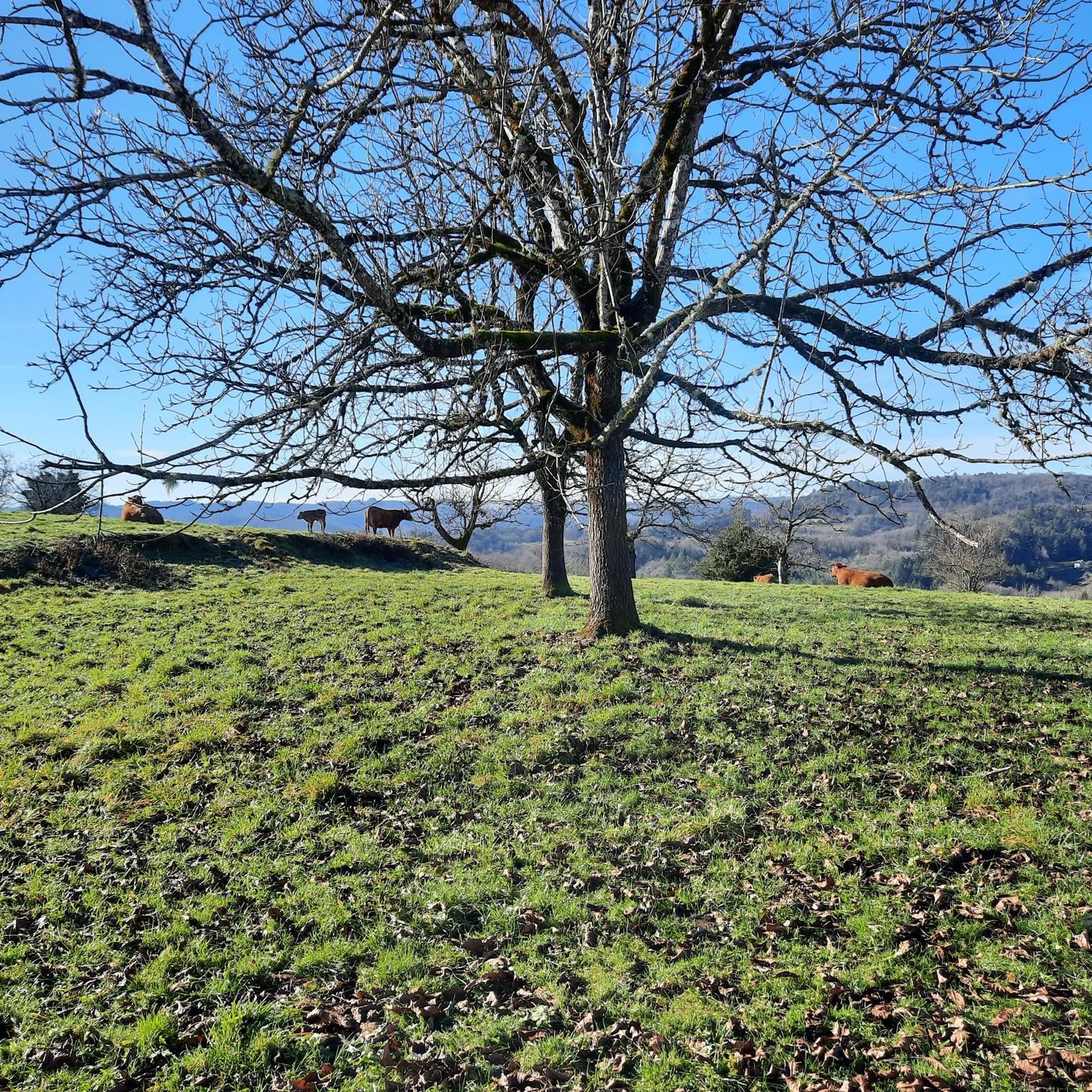

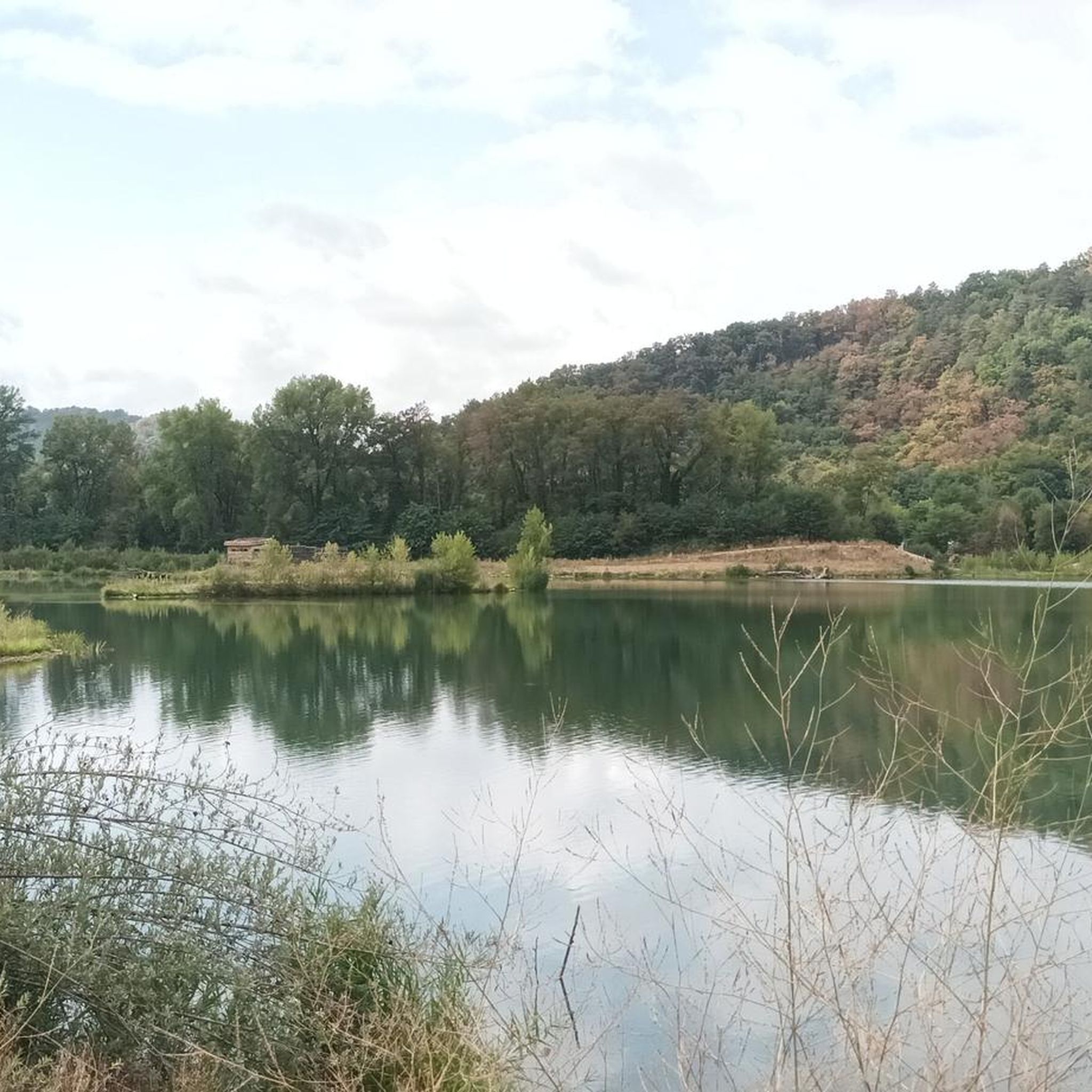
Tips from the Community

A beautiful hike. The waterfalls are magnificent.
0
0

take the time to visit the historic city
0
0
The climb to the Château de Services is worth the detour for the 200m+ sport and some picturesque houses in the village
0
0

The Chastang Dam is a reservoir in the Corrèze department. It has been in operation since 1951. The structure dams the course of the Dordogne between Bort-les-Orgues and Argentat.
0
0

Why Visit the Devil’s Gate? For its spectacular landscape: The unique rock formation and imposing cliffs provide an impressive setting for geology and nature lovers. For its mystical aura: The legend of the Devil’s Gate gives the place a mysterious dimension that fascinates visitors. For hiking and exploration: The site is ideal for walks and hikes, offering magnificent views of the surrounding nature and total immersion in the Cère gorges. The Devil’s Gate is a must-see site for lovers of nature, legends and outdoor adventures. Its unique landscape and mystical atmosphere make it a captivating destination in Corrèze.
1
0
The Devil's Gate is a fascinating natural site located in Corrèze, more precisely in the Gorges de la Cère, near the village of Saint-Julien-aux-Bois. This mysterious place is surrounded by legends and is distinguished by its spectacular rock formations which have earned it its evocative name. Points of Interest of the Devil's Gate: Impressive Geological Formation: Sheer Rocks: The Devil's Gate is characterized by imposing cliffs of volcanic rocks which seem to form a sort of natural passage, hence the name "gate". The site is the result of erosion and tectonic activity, creating a wild and dramatic landscape. Gorges de la Cère: This site is part of the Gorges de la Cère, a place renowned for its steep landscapes and waterfalls, offering a breathtaking natural setting. Legends and Mystery: The Legend of the Devil: According to local legend, the Devil's Gate was created by Satan himself, seeking to defy nature. It is said that he struck the rock to open a passage and leave his mark. This legend contributes to the mysterious aura of the place. Mystical atmosphere: The place, with its dark cliffs and strange shapes, is often perceived as a place of strength and mystery, attracting the curious and lovers of fantastic stories. Hiking and Nature: Hiking around the site: The Devil's Gate is accessible via several hiking trails that allow you to discover the surroundings while enjoying the impressive views of the Cère gorges. The trails are suitable for different levels of walking. Nature observation: The region is rich in fauna and flora, with a varied biodiversity that attracts nature lovers. The surrounding forests and the proximity of the river add to the beauty of the place. Access to other Natural Sites: Waterfalls and viewpoints: Not far from the Devil's Gate, other natural attractions, such as waterfalls and viewpoints, offer magnificent panoramas of the valley and the surrounding gorges. Outdoor exploration: This site is ideal for those looking for an outdoor experience, with the possibility of combining the visit with other activities such as fishing or climbing.
1
0
Why Visit the Murel Waterfalls? For their natural beauty: The waterfalls offer an impressive visual spectacle and are surrounded by a preserved natural setting, ideal for a total immersion in nature. For hiking: The trails allow a beautiful discovery of the three waterfalls, while offering magnificent views of the surrounding forest. To relax: Whether for a family walk, a moment of calm by the water or a refreshing swim, the Murel Waterfalls are perfect for an outdoor getaway. The Murel Waterfalls are a true natural treasure of Corrèze, ideal for lovers of wild landscapes, hikers and those looking for a peaceful place to recharge their batteries in the heart of nature.
1
0
The Cascades de Murel, located in Corrèze near the village of Albussac, are a magnificent set of three waterfalls nestled in the heart of a green forest. These waterfalls, formed by the Franche Valeine stream, offer an exceptional natural spectacle and are a popular place for nature lovers and hikers. Points of Interest of the Cascades de Murel: Three Imposing Waterfalls: Upper Waterfall: The first of the three waterfalls is the highest, with an impressive waterfall that plunges into a natural pool. It is a magnificent place to stop and admire the power of the water. Intermediate Waterfall: Smaller but just as charming, the second waterfall is located a little further downstream and offers a more intimate atmosphere, with rocks and dense vegetation surrounding it. Lower Waterfall: The final, wider waterfall cascades down a steep rock face and forms another pool perfect for relaxing by the water. Hiking Trails: Easy Access: A well-marked trail allows visitors to discover the three waterfalls in a pleasant walk of about 2 to 3 kilometers. This circuit allows you to immerse yourself in nature, through a dense forest, while following the stream. Hiking for All: The route is suitable for different levels of walking, with some steeper passages, but nothing too difficult, making it an accessible hike for families and casual hikers. Preserved Nature: Wild and peaceful setting: The waterfalls are surrounded by lush vegetation, offering a peaceful setting where birdsong and the soothing sound of the waterfalls reign. Biodiversity is rich, with a variety of plants and animals specific to wet environments. Wildlife watching: Along the way, you can observe different species of birds, as well as aquatic plants that flourish around the waterfalls. Outdoor activities: Swimming: In summer, the natural pools formed by the waterfalls are perfect places to cool off. The clear, cool waters are very popular with visitors, although swimming should be done with caution. Picnic: The place is also ideal for a picnic in the middle of nature, with many shaded places to settle down and enjoy the calm surroundings.
1
0
Frequently Asked Questions
What historical sites can I explore in Saint-Chamant?
Saint-Chamant offers several significant historical sites. You can visit the majestic Saint-Chamant Château, which features a 14th-century tower, 17th-century architecture, Aubusson tapestries, and an exhibition of local artist François Couderc de Saint-Chamant's paintings. The village also has the 15th-century Chapter House with its hidden courtyard and the Saint-Chamant Church, known for its colorful 15th-century carved choir stalls. Don't miss the 13th-century Tour de Prallat, the oldest building in the village, located next to the church.
Where can I experience nature and scenic views around Saint-Chamant?
The region around Saint-Chamant is rich in natural beauty. The village itself is perched on the southern slopes of the Bertrande Valley, offering picturesque views. You are also well-placed to explore the Monts du Cantal and the southern part of the Volcanoes Regional Natural Park. For a specific natural highlight, consider visiting Cascade, a waterfall that offers a challenging hike to reach multiple cascades. The banks of the Dordogne River also provide beautiful scenery, particularly The banks of the Dordogne near Argentat.
Are there family-friendly attractions near Saint-Chamant?
Yes, there are several options for families. The settlement of Argentat is considered family-friendly, offering a charming riverside setting with restaurants. The Maronne Mill is another family-friendly historical site, showcasing an ancient craft tradition in an idyllic setting. The English-style gardens of the Saint-Chamant Château, typically open in July and August, can also be a pleasant family outing.
What kind of cycling routes can I find near Saint-Chamant?
The area around Saint-Chamant offers a variety of cycling routes. You can find options ranging from moderate to difficult, including routes like 'The Wanderer Trail' or the 'Chastang Dam – Argentat loop'. For more details and specific routes, you can explore the Cycling around Saint-Chamant guide.
Are there running trails available around Saint-Chamant?
Yes, there are several running trails in the vicinity of Saint-Chamant. You can find routes of varying difficulty, such as 'The winegrowers' path – Argentat loop' or the 'Cascade loop'. For a comprehensive list and details on these trails, refer to the Running Trails around Saint-Chamant guide.
What unique local features or hidden gems can I discover in the Saint-Chamant area?
Beyond the main landmarks, Saint-Chamant and its surrounding hamlets offer unique insights into local heritage. You can discover traditional elements like wash-houses, drinking troughs, bread ovens, and crosses. Notably, look for the fascinating residential caves in the Cors rock found in the hamlets. The Chapter House, with its unassuming exterior concealing an intricate interior courtyard, is also a less obvious but rewarding discovery.
When is the best time to visit Saint-Chamant for outdoor activities and sightseeing?
The best time to visit Saint-Chamant for outdoor activities and sightseeing is generally during the spring, summer, and early autumn months (May to October). During these periods, the weather is typically mild and pleasant, ideal for exploring the natural landscapes of the Monts du Cantal, enjoying the village's historical sites, and participating in cycling or running activities. The Saint-Chamant Château and its gardens are typically open to visitors during July and August afternoons.
What attractions are located along the Dordogne River near Saint-Chamant?
The Dordogne River is a significant feature in the region, offering several attractions. The settlement of Argentat is strategically located on its banks and historically important for river trade. You can also visit the Chastang Dam, a large reservoir on the Dordogne. Further along, the Maronne Mill, an old mill no longer in operation, is idyllically situated by the water. Don't forget to explore The banks of the Dordogne themselves for scenic walks.
What kind of architectural details can I observe in Saint-Chamant's historical buildings?
Saint-Chamant's historical buildings showcase a rich array of architectural details. The Saint-Chamant Château features a grand staircase and a blend of 14th and 17th-century styles. The Chapter House, though modest from the outside, reveals an enclosed courtyard with balconies, towers, ancient fireplaces, and hidden passages. The Saint-Chamant Church is particularly notable for its eight exceptionally colorful 15th-century carved choir stalls, which are a significant example of Auvergne-style Gothic art.
What do visitors enjoy most about the attractions around Saint-Chamant?
Visitors particularly appreciate the blend of historical significance and natural beauty. For instance, Argentat is loved for its strategic location on the Dordogne and its charming riverside restaurants. The Cascade, despite its challenging hike, is highly regarded for its rewarding views of multiple waterfalls. The Maronne Mill is praised for its idyllic setting and historical charm. Overall, the komoot community has upvoted the attractions more than 70 times and shared over 30 photos, highlighting the area's appeal.
Are there opportunities for mountain biking (MTB) near Saint-Chamant?
Yes, mountain biking enthusiasts will find several trails around Saint-Chamant. Routes such as the 'Quais d'Argentat-sur-Dordogne – Argentat loop' and the 'Chastang Dam – Argentat loop' offer moderate to difficult challenges. For a detailed overview of available MTB trails, please consult the MTB Trails around Saint-Chamant guide.

Get inspired with the komoot mobile app


Explore more
Still not found the Highlight you’re looking for? See guides of the top attractions in other regions:
