Attractions and Places To See around Lutzweiler - Top 20
Best attractions and places to see around Lutzweiler include a variety of historical sites, cultural landmarks, and scenic routes. The region features significant architectural remnants and restored historical buildings, reflecting its rich past. Visitors can explore ancient ruins, former monastic complexes, and traditional mills. The landscape also offers opportunities for cycling along well-maintained paths.
Best attractions and places to see around Lutzweiler
- The most popular attraction is Alexanderturm Ruins, a man-made monument that offers a viewing platform. From this…
Last updated: July 6, 2026
Moulin d'Eschviller
Highlight • Restaurant
Translated by Google •
Tip by

Hornbach Abbey
Highlight • Religious Site
Translated by Google •
Tip by

Sign up now to discover places like this
Get recommendations on the best single tracks, peaks, & plenty of other exciting outdoor places.
Sign up for free
Hornbach Town Gate
Highlight • Historical Site
Showing Translation
Tip by

Rimschweiler cycle path
Highlight • Cycleway
Translated by Google •
Tip by

Monastery Gate
Highlight • Historical Site
Translated by Google •
Tip by

Sign up for free to discover even more attractions around Lutzweiler.
Sign up for free
Already have an account?
Start today with a free account
Your next adventure awaits.
Login or Signup
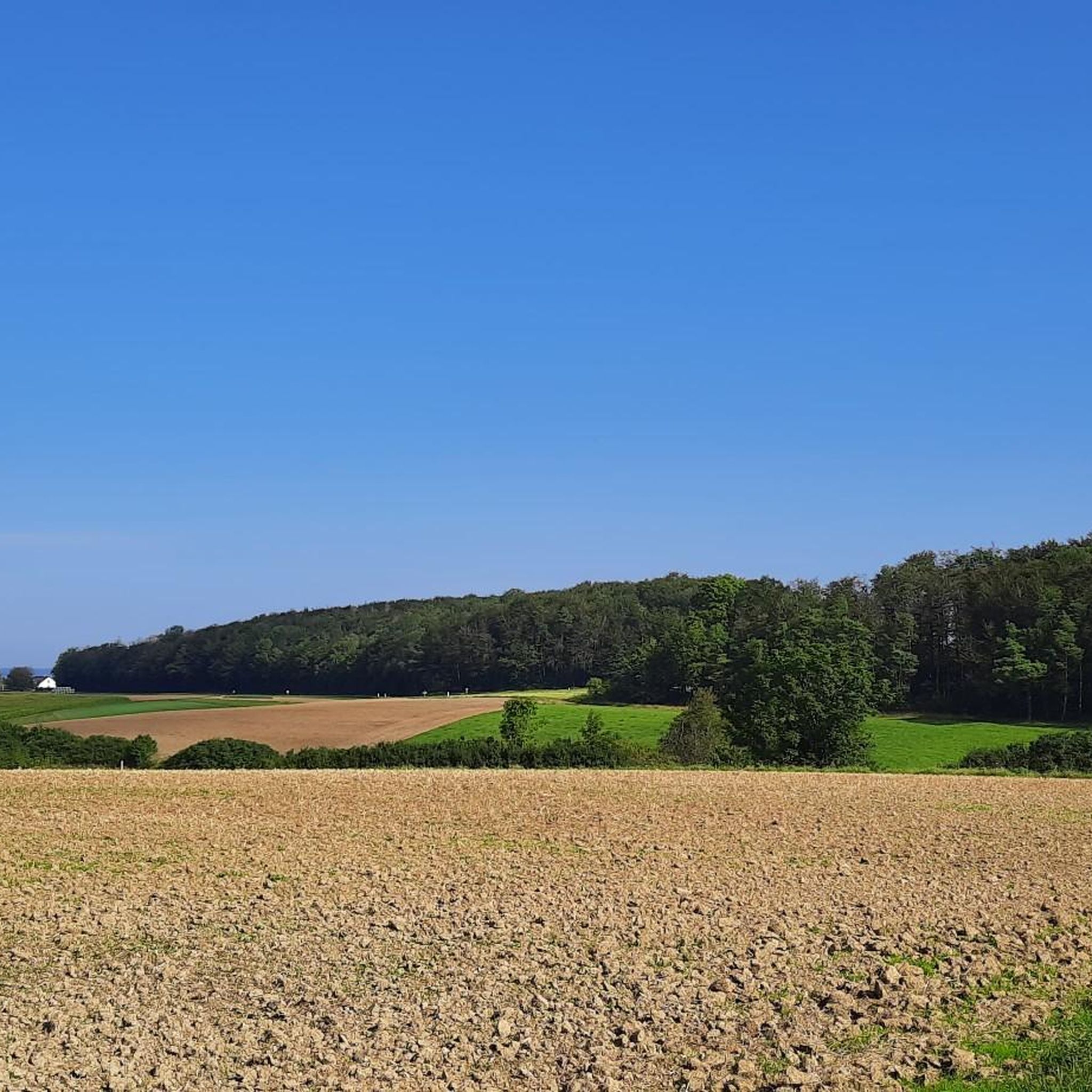
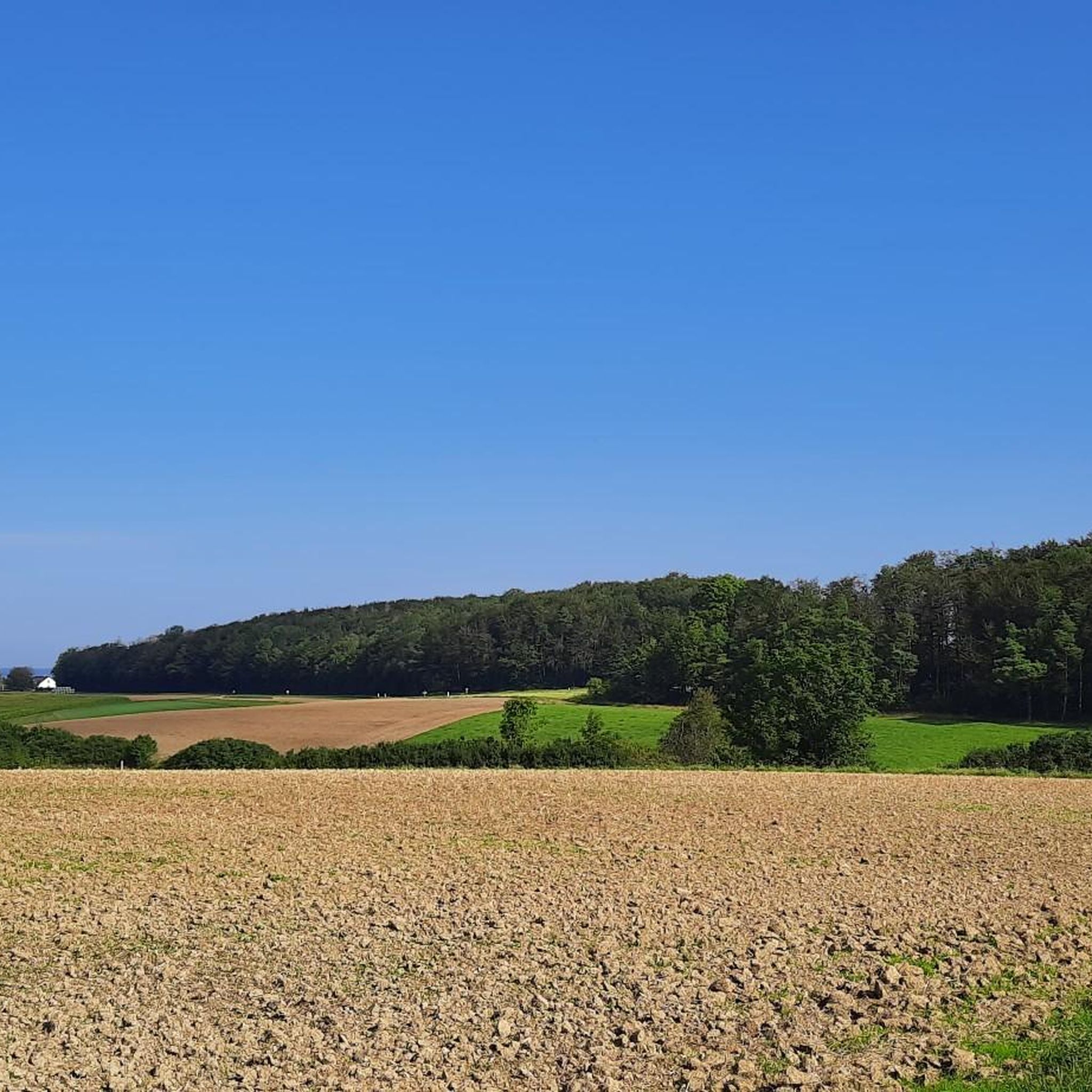
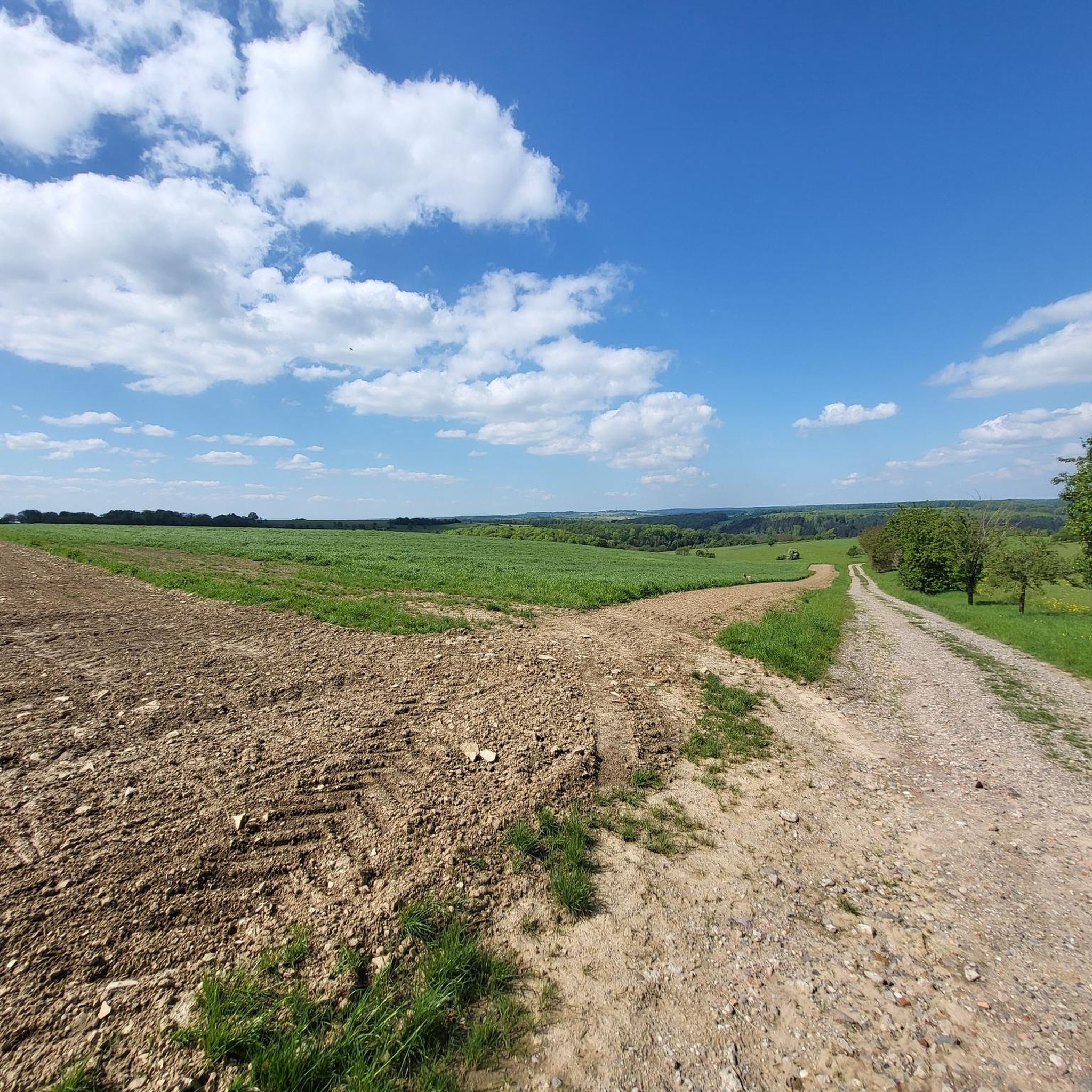
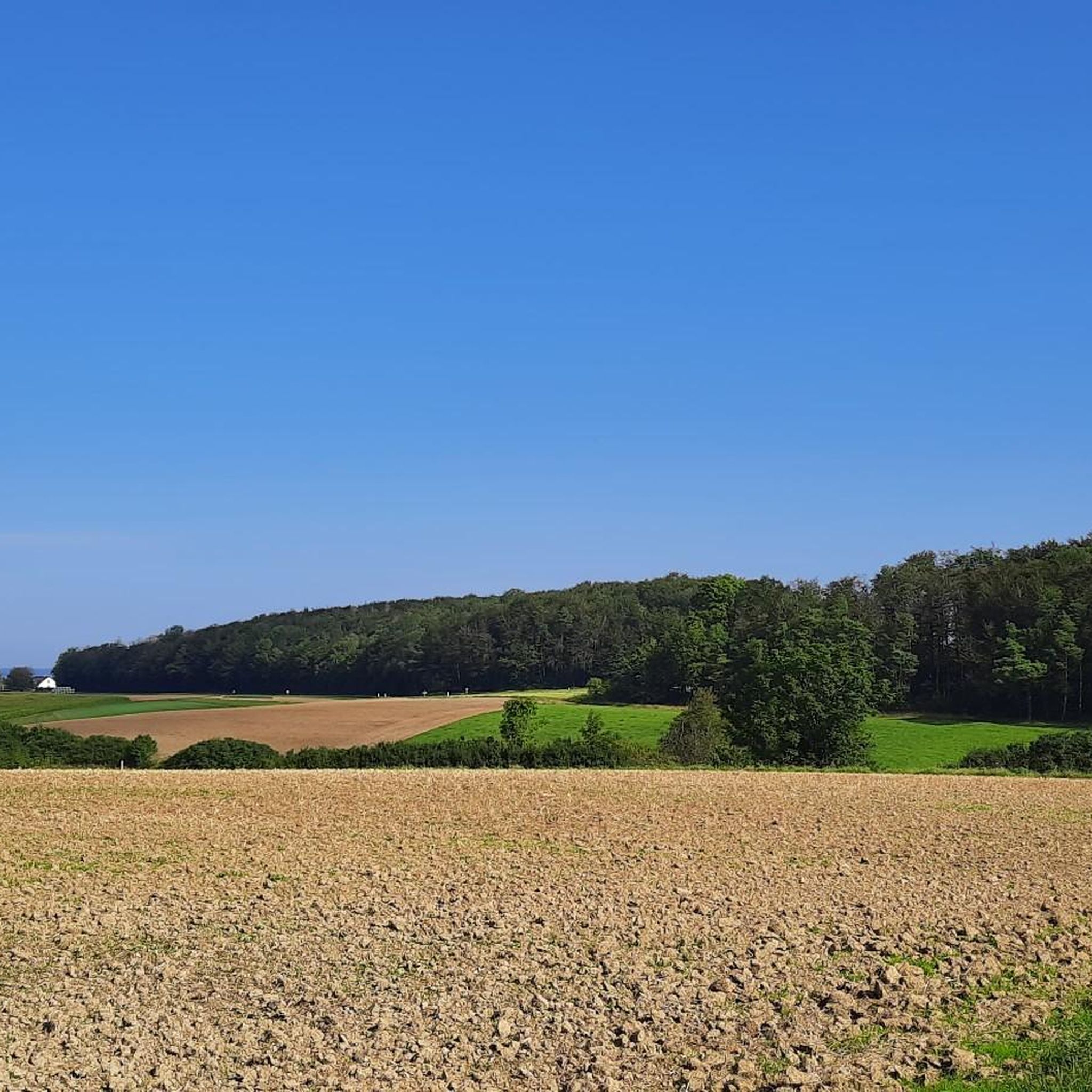

Tips from the Community

Stylish hotel with very good service in stylishly converted buildings of an 8th-century monastery.
5
0
High city gate, structurally connected to the adjacent buildings.
7
0

Small city gate with access to Hornbach.
4
0
Beautiful flat route on the old railway embankment.
4
0
Beautiful entrance to Hornbach.
4
0

great, very well-developed cycle path
1
0

Beautiful monastery in tranquil Hornbach.
4
0

The Moulin d'Eschviller, or the Eschviller Mill, is a historic watermill in the village of Eschviller, part of the commune of Volmunster in the Moselle department in the Grand Est region of France. This mill is a major tourist attraction and an important cultural monument, reflecting the agricultural and industrial history of the region. Dating back to the 18th century, the Moulin d'Eschviller has undergone various modifications and restorations over the centuries. It was originally used to grind grain and played a central role in the local economy and community. Like many other watermills in the region, the mill harnessed the waterpower of nearby rivers to drive the millstones. Today, the Moulin d'Eschviller is a museum open to the public. It offers a variety of activities and excursions. Visitors can take guided tours that explain the history of the mill and how it worked. These tours offer a deep insight into traditional milling technology and rural life from centuries past. The museum features interactive exhibits that are especially interesting for children and families. Here, visitors can learn how grain is milled and processed into flour. There's also a restaurant where you can enjoy a good meal or refreshments.
2
0
Frequently Asked Questions
What historical sites can I explore around Lutzweiler?
The region offers several significant historical sites. You can visit Hornbach Abbey, a religious building with roots dating back to the 8th century, where you can stroll through the cloister and visit the chapel. Another notable site is Moulin d'Eschviller, a historical mill that now houses an inn and a museum, offering insights into its past. Additionally, the Monastery Gate presents ancient walls often used for events.
Are there any viewpoints or scenic spots in the Lutzweiler area?
Yes, for panoramic views, head to Alexanderturm Ruins. This man-made monument features a viewing platform that offers expansive vistas of the Bliestal, and on clear days, you might even see towards Sankt Wendel or Donnersberg.
What outdoor activities are available for cyclists near Lutzweiler?
Cyclists can enjoy the Rimschweiler cycle path, a beautiful, level, and well-paved route that is family-friendly and follows parts of the European mill cycle path. For more cycling options, explore the Cycling around Lutzweiler guide, which includes routes like the 'View of Böckweiler Countryside – View of Pinningen loop' and 'Moulin d'Eschviller – Along the Schwalb loop'.
Are there family-friendly attractions around Lutzweiler?
Absolutely. Many attractions in the area are suitable for families. The Moulin d'Eschviller, a historical mill with a museum, is a great option. Hornbach Abbey also welcomes families to explore its grounds. For outdoor fun, the Rimschweiler cycle path is a family-friendly route, and the Alexanderturm Ruins offer an engaging historical experience with a rewarding view.
Where can I find places to eat or relax near the attractions?
Several attractions offer dining options. Hornbach Abbey houses a hotel and restaurant, with a beer garden perfect for good weather. The Moulin d'Eschviller also features an inn and a museum. Additionally, the Monastery Gate is known for its pleasant restaurant and beer garden.
What kind of hiking trails are available near Lutzweiler's attractions?
You can find various hiking trails in the vicinity. For example, near Moulin d'Eschviller, there are moderate loops like the 'Moulin d'Eschviller – Saint Joseph Chapel loop from Volmunster' (10.18 km) or from Brenschelbach (16.36 km). For more challenging options, consider the 'Stone Bridge – Hornbach Abbey loop from NSG Schwalbaue' (18.57 km). Discover more routes in the Hiking around Lutzweiler guide.
What do visitors enjoy most about the attractions around Lutzweiler?
Visitors particularly appreciate the historical depth and scenic beauty. The Alexanderturm Ruins are loved for their brilliant views of the Bliestal. The historical significance and tranquil atmosphere of Hornbach Abbey, with its cloister and garden, are also highly rated. The well-maintained and family-friendly Rimschweiler cycle path is a favorite for outdoor enthusiasts.
Are there any natural monuments or unique natural features to see?
While the guide focuses on man-made monuments, the Alexanderturm Ruins, though a historical structure, is also categorized as a natural monument, offering a unique blend of history and natural surroundings with its expansive views.
What are the best options for road cycling around Lutzweiler?
Road cyclists have several routes to choose from. The Road Cycling Routes around Lutzweiler guide features options like 'The Green Border – Moulin d'Eschviller loop from NSG Schwalbaue' (77.95 km, moderate) and 'Moulin d'Eschviller – Hornbach Town Gate loop from Volmunster' (35.16 km, moderate). There are also easier routes such as 'Weiskirch – Rue de la Tuilerie loop from Volmunster' (19.22 km).
Can I find accommodation near the main attractions?
Yes, Hornbach Abbey includes a hotel within its complex, offering a unique stay in a historical setting. The Moulin d'Eschviller also operates an inn, providing accommodation alongside its museum and restaurant.
What is the history behind Hornbach Abbey?
Hornbach Abbey has a rich history dating back to the 8th century, founded around 741 by Saint Pirminius. Originally a Benedictine abbey, today only structural remains of the convent buildings exist, supplemented by a monastery museum and a modern chapel housing the founder's historic tomb. It's a place where you can truly connect with centuries of history.
What is the significance of Moulin d'Eschviller?
The Moulin d'Eschviller, originally built in 1731, has a resilient history. It was destroyed by a major fire in 1934 and further damaged during World War II. Rebuilt in the 1980s, it now serves as a historical mill housing an inn and a museum, preserving its heritage and offering insights into its past operations.
Most popular routes around Lutzweiler
Most popular attractions around Lutzweiler

Get inspired with the komoot mobile app


Explore more
Still not found the Highlight you’re looking for? See guides of the top attractions in other regions:
