Attractions and Places To See around Chabrignac - Top 20
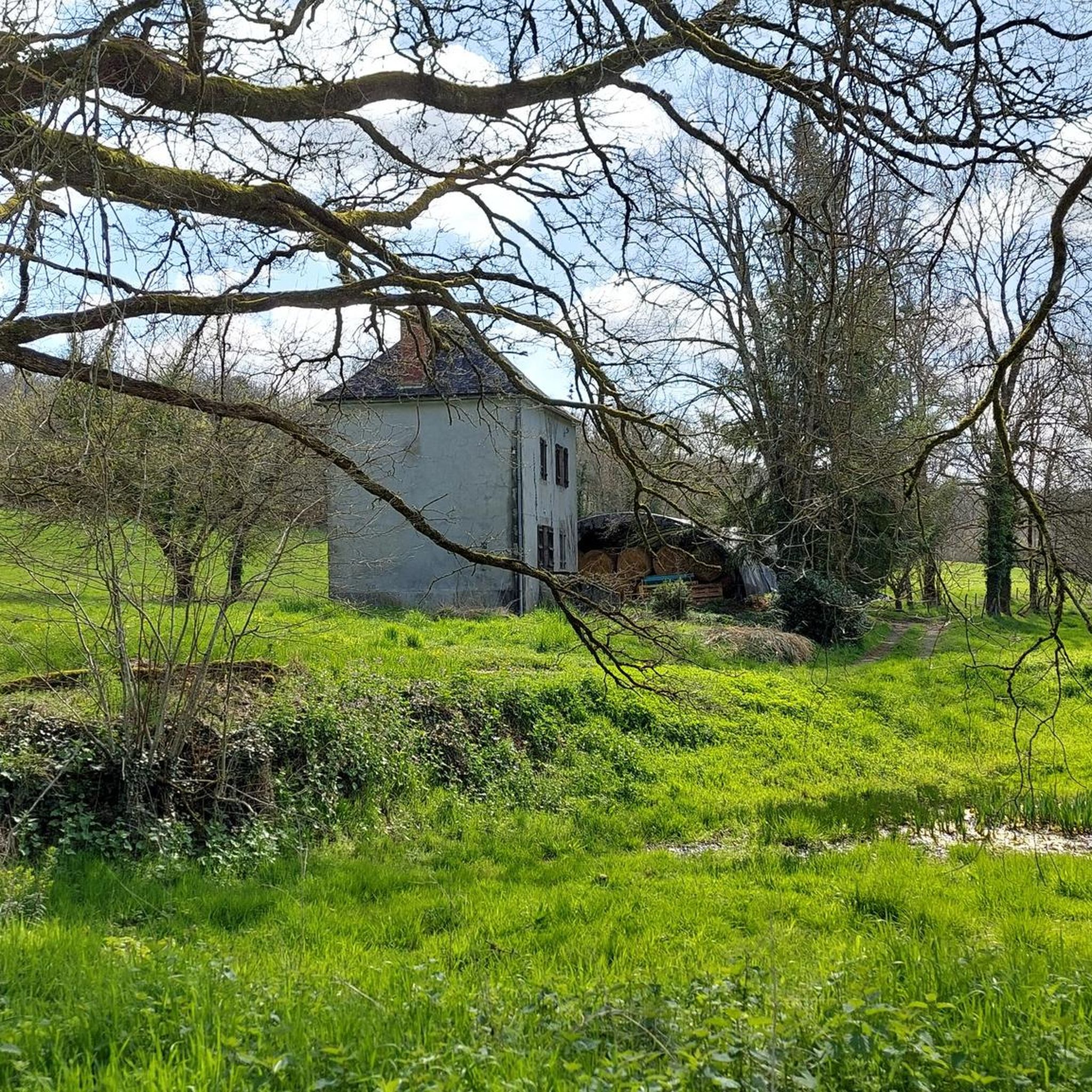
Best attractions and places to see around Chabrignac include a blend of historical landmarks, cultural sites, and natural features. This commune in the Corrèze department of France offers green and hilly landscapes, comprising agricultural land, meadows, and forests. The area is suitable for hiking and mountain biking, with routes connecting to nearby villages.
Best attractions and places to see around Chabrignac
- The most popular attractions is Suspension Bridge Over the Auvézère, a bridge that allows passage over the river.…
Last updated: July 2, 2026
Saut Ruban Waterfall
Highlight • Waterfall
Translated by Google •
Tip by

Church of the Transfiguration of Our Lord
Highlight • Other
Translated by Google •
Tip by

Sign up now to discover places like this
Get recommendations on the best single tracks, peaks, & plenty of other exciting outdoor places.
Sign up for free
Château de Saillant
Highlight • Castle
Translated by Google •
Tip by

Saillant Chapel and Marc Chagall Stained Glass Windows
Highlight • Religious Site
Translated by Google •
Tip by

Suspension Bridge Over the Auvézère
Highlight • Bridge
Translated by Google •
Tip by
Sign up for free to discover even more attractions around Chabrignac.
Sign up for free
Already have an account?
Start today with a free account
Your next adventure awaits.
Login or Signup



Tips from the Community

Super beautiful, rugged, along the river
0
0

beautiful bridge
0
1

Beware of vertigo on this suspension bridge ;) allows you to see beautiful waterfalls
2
3

Why Visit Saut Ruban Waterfall? For the natural setting: This site is perfect for nature lovers seeking serenity and escape, far from the noise of the city. For hiking: The trails around the waterfall are ideal for a pleasant hike in the heart of nature, with varied landscapes. For a moment of relaxation: The soothing sound of the water and the beauty of the place make it a perfect place to relax and enjoy some time outdoors. Saut Ruban Waterfall is therefore a must-see for nature and hiking enthusiasts, offering an enchanting setting and a moment of tranquility in the heart of the Dordogne.
2
0
The Saut Ruban Waterfall is a magnificent natural site located in the Dordogne department. Hidden in the heart of nature, this waterfall offers a soothing spectacle, perfect for those who love hiking and tranquility. Points of Interest at the Saut Ruban Waterfall: Natural Beauty: Picturesque Waterfall: The waterfall gets its name from the appearance of the water flowing down like a "ribbon," creating a delicate and peaceful spectacle. Lush Environment: It is surrounded by lush vegetation, with trees and plants enhancing the wild charm of the place. A Haven of Peace: A Place to Relax: The waterfall is an ideal place to recharge your batteries, with the soothing sound of the falling water creating a relaxing atmosphere. Picnics and Rest: The setting is also ideal for a picnic break or a quiet walk in nature. Hiking: Hiking Trails: To reach the waterfall, several marked hiking trails allow hikers to enjoy the surrounding landscapes before arriving at the site. These paths offer splendid views of the surrounding nature. Moderate Access: The route to reach the waterfall is relatively easy, making it an accessible destination for families and beginner hikers. Wildlife and Flora Observation: Natural Richness: Along the way to the waterfall, you can observe a variety of wildlife and rich flora typical of wetlands, such as birds, small mammals, and aquatic plants.
3
0

This church is not - as is usually the case - dedicated to one of the many people we venerate as saints, or to Mary the Mother of God or her son. Instead, it bears a biblical event as its patronage title, namely the "TRANSFIGURATION de NOTRE SEIGNEUR" (called "Transfiguration of the Lord" in German-speaking countries). => "In the middle of everyday life, three disciples have an Easter experience with Jesus: They see Jesus in a mysterious light, and Moses and Elijah talk to him. In this way, the deepest identity of Jesus as the "beloved son" of God is revealed to the disciples." This is what is said in brief in a work aid from the Bible work for the Feast of Transfiguration, which is celebrated in all Christian denominations on August 6th. This event, which is attested to in the New Testament - see Mark (chapter 9) and Luke (chapter 9) as well as Matthew (chapter 17) - is located on Mount Tabor in Israel. A basilica was built there to commemorate (see https://www.komoot.de/highlight/266239), which can therefore be considered the original church for the patronage of this place of worship.
2
0

This former chapel has the last windows, designed by Chagall. These windows were commissioned by Mr. de Lasteyrie du Saillant, (owner of the 15th century castle, not visited). The stained glass windows (including so famously blue) represent the East: Creation and West: Two bouquets symbolize love. The windows of the nave are representative grisailles fieldwork in Salient sublimated by their symbolic symbol of the Eucharist through the harvest, wine through the harvest, the Shepherd and Servant through Christ's sheep through the fishery. Access to the chapel is open from 9am to 6pm.
1
0
A royal villa under the Merovingians, the land of the Saillant - Orbaciacus - was then a vassal of the Church, dependent in the 9th century on the abbey of Beaulieu and from the 11th century on the bishop of Limoges. The rectangular construction from the 15th century includes the remains of a primitive keep and was originally supposed to be enclosed by corner towers. The powerful stone corbels supporting the roof overhang come from the old machicolations whose upper part has been amputated and adapted to their new role. The cellars preserve remains of the primitive keep with openings in a slightly broken arch or semicircular. On the ground floor there is a monumental fireplace in the hall, the hood of which is decorated with murals. Staggered constructions from the 17th to the 20th century: openings, mansard roof, Periods of construction: 15th century, 17th century, 19th century
2
0
Frequently Asked Questions
What natural features can I explore around Chabrignac?
Chabrignac is characterized by its green and hilly landscapes, offering agricultural land, meadows, and forests. A notable natural site is the Saut Ruban Waterfall, located in the Dordogne department. This picturesque waterfall is perfect for those seeking tranquility and offers a soothing spectacle amidst lush vegetation, ideal for hiking and relaxation.
Are there any significant historical or cultural sites to visit in Chabrignac?
Yes, Chabrignac boasts several historical and cultural sites. You can visit the Saillant Chapel and Marc Chagall Stained Glass Windows, a religious building featuring unique stained glass designs. Other notable sites include the Saint-Denis Church, built on a 12th-century Romanesque foundation, and the Tomb of Empress Nam Phuong in the Chabrignac cemetery. The Maison de la Nature, a beautiful 19th-century building, also hosts various cultural events.
Where can I find hiking trails near Chabrignac?
The green and hilly landscapes around Chabrignac are ideal for hiking. You can find secure routes within the town and connecting to nearby villages. For detailed options, explore the Hiking around Chabrignac guide, which includes routes like the moderate Loyre Gorges loop from Saint-Solve and the easy Chateau d'ayen bas loop from Ayen.
What cycling or mountain biking opportunities are available around Chabrignac?
The region around Chabrignac is well-suited for both cycling and mountain biking, with numerous routes available. For road cycling, check out the Cycling around Chabrignac guide, featuring routes such as the difficult Bike loop from Saint-Solve. Mountain biking enthusiasts can explore the MTB Trails around Chabrignac guide, with options like the moderate Gateway – Saillant Bridge loop from Objat.
Is there a unique attraction offering interesting views or experiences?
Absolutely. The Suspension Bridge Over the Auvézère offers a unique experience, allowing passage over the river with views of waterfalls. Be aware that it can induce vertigo, adding to the thrill. It's a popular spot for its scenic beauty and distinctive crossing.
Are there any family-friendly activities or attractions in the Chabrignac area?
Yes, several attractions cater to families. The Saillant Chapel and Marc Chagall Stained Glass Windows is considered family-friendly. Additionally, the general area with its green landscapes and accessible hiking trails, such as the moderate route to the Saut Ruban Waterfall, provides opportunities for outdoor family enjoyment. For equestrian activities, the Ferme des Maisons Rouges offers lessons and activities for children.
What is the best time to visit Chabrignac for outdoor activities?
The region's green and bucolic landscapes make it pleasant for outdoor activities throughout much of the year. Summer offers guided tours through the 'Vézère Ardoise' Land of Art and History. Early October is notable for the annual Pumpkin Festival (Fête de la Citrouille) in nearby towns, adding a cultural element to your visit. Spring and early autumn generally provide comfortable temperatures for hiking and cycling.
Can I visit historical castles or religious buildings in the vicinity?
Yes, you can. While the Château de Chabrignac is a private residence, the Château de Saillant, a rectangular construction from the 15th century, is another historical castle in the area. For religious buildings, the Church of the Transfiguration of Our Lord, mentioned as early as 1264, offers historical significance. Don't miss the Saint-Denis Church in Chabrignac itself, with its 12th-century Romanesque foundations and a bell over 500 years old.
Are there any unique local traditions or events in Chabrignac?
While specific events for Chabrignac itself are not detailed, the broader region hosts local markets in nearby towns for regional produce. Notably, the annual Pumpkin Festival (Fête de la Citrouille) is held in early October in the surrounding area, offering a vibrant local experience.
What kind of landscapes can I expect to see around Chabrignac?
Chabrignac is characterized by its green and hilly landscapes. You'll find a mix of agricultural land, expansive meadows used for livestock, and dense forests. These natural surroundings are complemented by various waterways, creating a picturesque and tranquil environment ideal for exploring on foot or by bike.
What do visitors enjoy most about the attractions around Chabrignac?
Visitors particularly appreciate the blend of historical landmarks, cultural sites, and natural beauty. The tranquility offered by sites like the Saut Ruban Waterfall and the unique artistic value of the Saillant Chapel and Marc Chagall Stained Glass Windows are frequently highlighted. The opportunity for peaceful hikes and scenic views, such as those from the Suspension Bridge Over the Auvézère, also receives high praise from the community.
Most popular routes around Chabrignac

Get inspired with the komoot mobile app


Explore more
Still not found the Highlight you’re looking for? See guides of the top attractions in other regions:
