Top 8 Castles around Großblittersdorf
Best castles around Großblittersdorf are found in the Saarland region of Germany and the neighboring Moselle department in France. This cross-border area offers a landscape characterized by rivers, forests, and historical sites. Großblittersdorf serves as a starting point for exploring various historical fortifications. The region's history is reflected in its diverse architectural heritage, including remnants of medieval fortresses and more recent palatial structures.
Best castles around Großblittersdorf
- The most popular castles is Saarbrücken Palace Square, a historical site that…
Last updated: July 6, 2026
Mithras Cave (Heathen Chapel) on the Halberg
Highlight • Cave
Translated by Google •
Tip by

Fountain in Front of Saarbrücken Castle
Highlight • Monument
Translated by Google •
Tip by

Sign up now to discover places like this
Get recommendations on the best single tracks, peaks, & plenty of other exciting outdoor places.
Sign up for free
Saar Historical Museum
Highlight • Historical Site
Translated by Google •
Tip by
Baroque Castle Garden Saarbrücken
Highlight • Historical Site
Translated by Google •
Tip by

Stiefeler Schloss Ruins
Highlight • Historical Site
Source: Information board on site
Translated by Google •
Tip by

Sign up for free to discover even more castles around Großblittersdorf.
Sign up for free
Already have an account?
Start today with a free account
Your next adventure awaits.
Login or Signup
Popular around Großblittersdorf
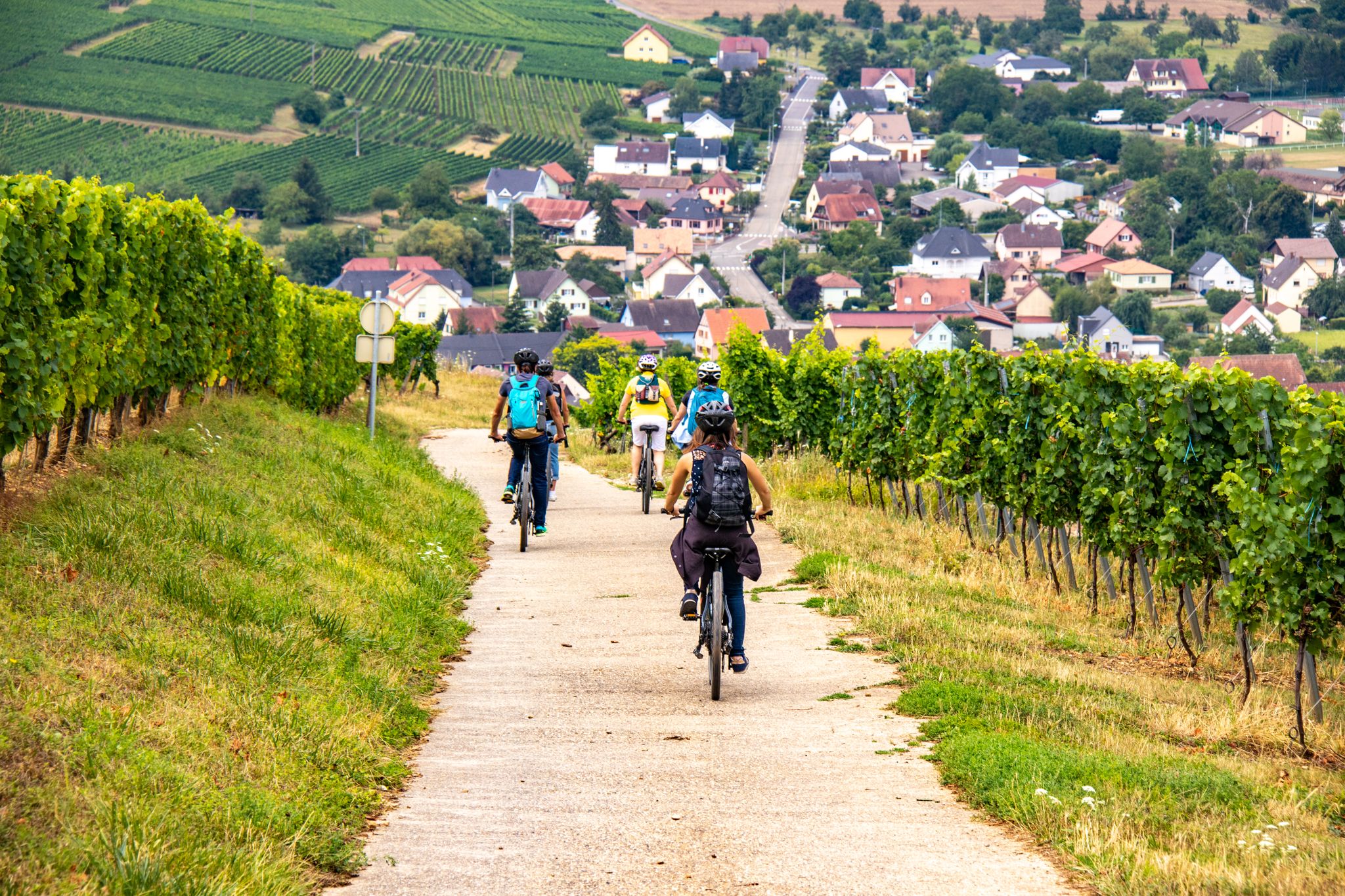
EuroVelo 5 - Via Romea (Moselle - Alsace)
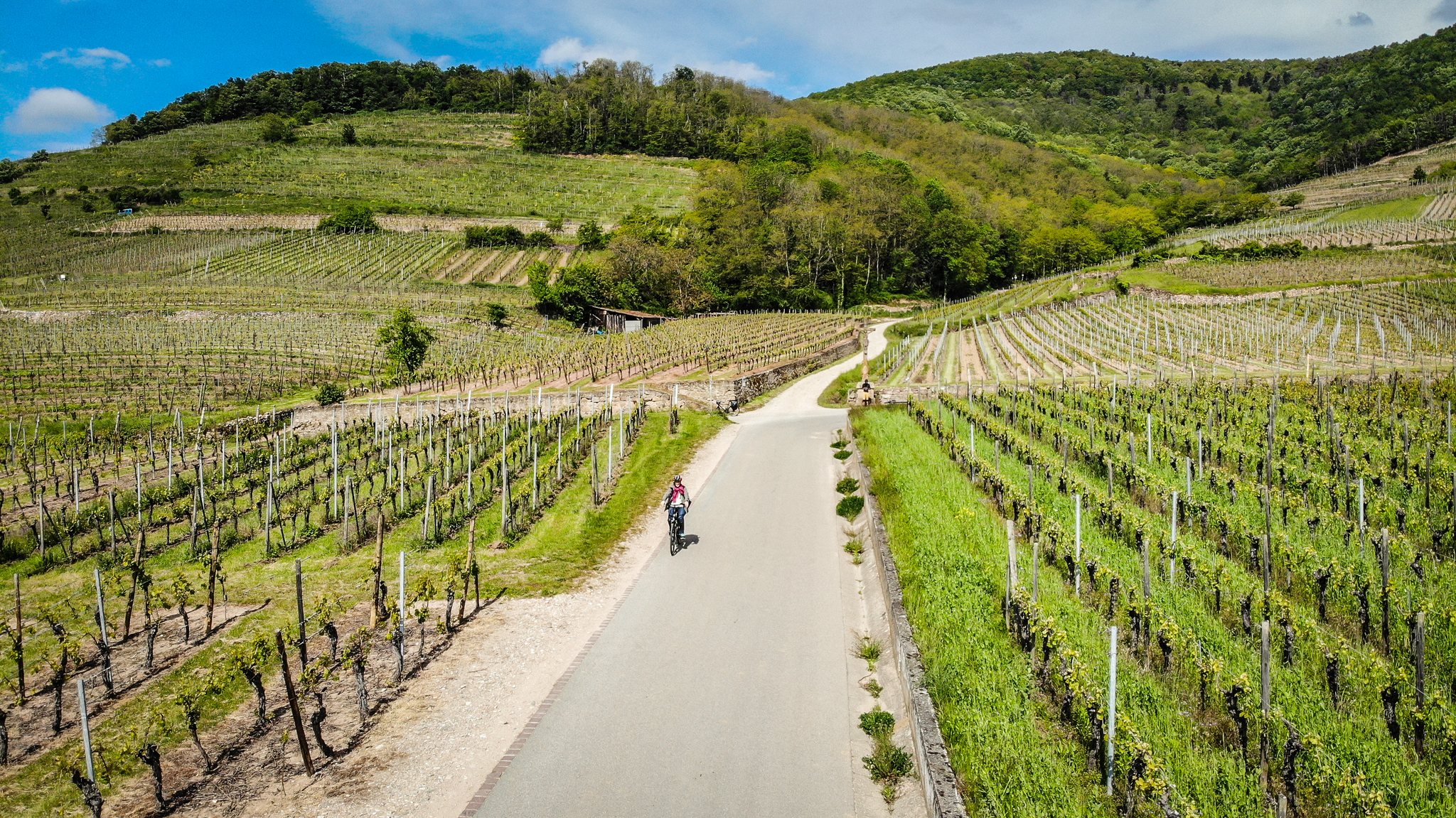
L’Alsace à Vélo - Entre canaux, vignoble et vallées vosgiennes
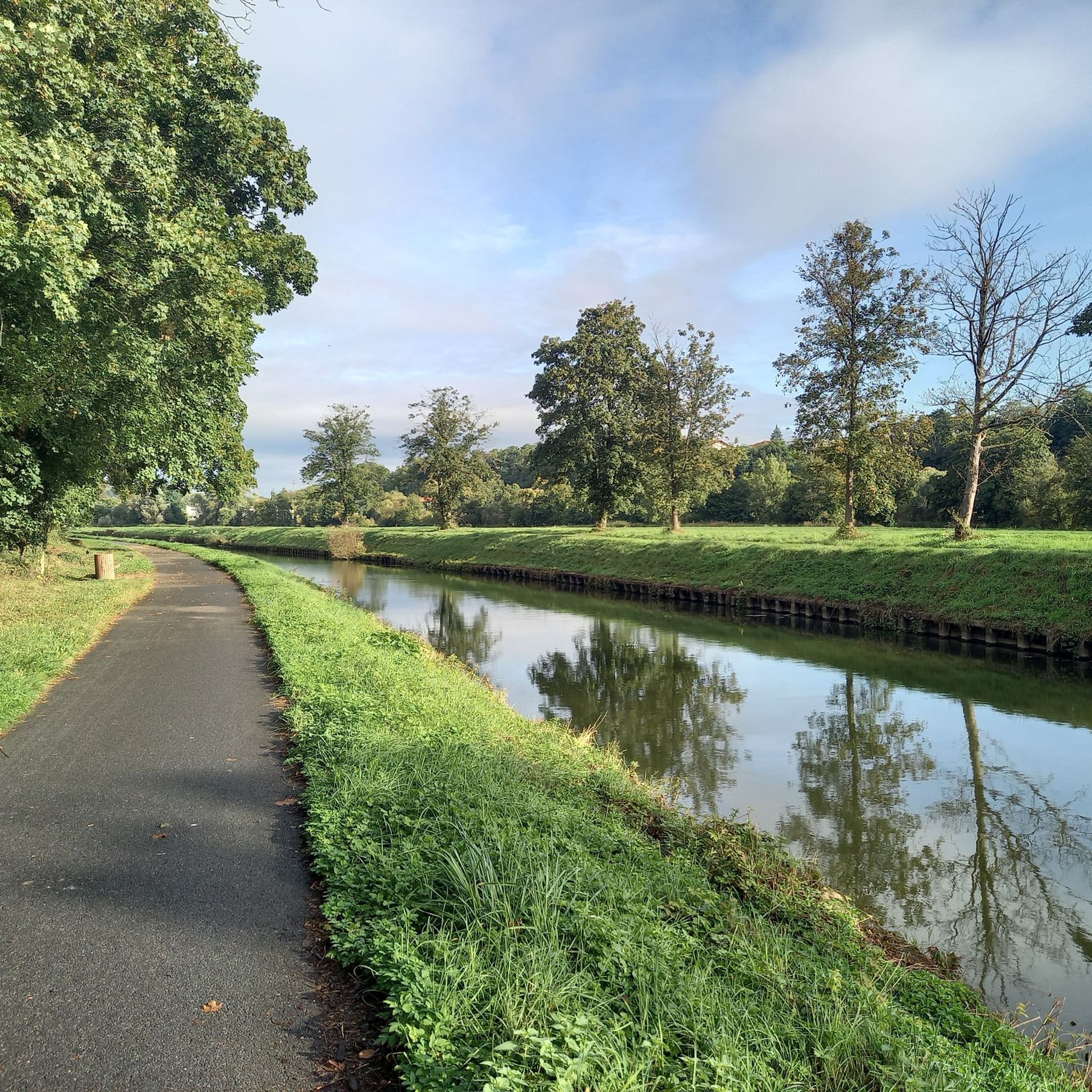
Cycling around Großblittersdorf
Running Trails around Großblittersdorf
MTB Trails around Großblittersdorf
Hiking around Großblittersdorf
Road Cycling Routes around Großblittersdorf
Gravel biking around Großblittersdorf

Tips from the Community

The fountain house on Schlossplatz was designed by Gottfried Böhm in 1989. It combines a modern steel and glass construction with historical elements. Inside is a historical figure of the Apostle Paul, which originally comes from the famous Ludwigskirche.
0
0


Unfortunately, there is hardly anything left to see of the castle.
1
0

The Cologne architect Prof. Gottfried Böhm, who won the competition for Saarbrücken Castle with his solution of restoring the baroque wings and placing a glass casing over the Dihm central structure, also designed the fountain house in its forecourt. In reference to the former guardhouses on the Schlossplatz, which are preserved in a painting by an unknown hand from 1765, Böhm initially planned two fountain houses, which was ultimately rejected.
0
0

The place is very interesting and the visit to the museum is very interesting.
0
0
The place is very interesting and the visit to the museum is very interesting.
0
0
The place is very interesting and the visit to the museum is very interesting.
0
0

Mithraeum (Latin mithraeum, plural mithraeen) is the name given to the temples of the Mithras cult. Mithraeums were usually built underground or carved into rock. A relatively small cult room was sufficient for the Mithras communities, which had only one to two dozen members. The largest known mithraeum had space for 80 believers. In contrast to Christianity, where larger churches were built in larger communities, in Mithraism the number, not the volume, was increased. At the height of the Mithras cult in the 3rd century, there were supposedly 800 mithraeums in Rome alone. However, since the individual mithraeums were usually not in use for long, this high number says nothing about the number of followers. To date, the remains of over 1000 mithraeums have been archaeologically proven throughout the entire Roman Empire.
1
0
Frequently Asked Questions
What are some notable castles to visit near Großblittersdorf?
The region around Großblittersdorf offers several historical castles. In France, you can explore the Château Fort de Forbach, a 13th-century castle with scenic views, or the Château des Ducs de Lorraine in Sierck-les-Bains, known for its tours and events. In Germany, Saarburg Castle, one of the oldest fortresses in the western region, provides magnificent panoramic views. Closer to Großblittersdorf, you'll find Saarbrücken Castle and its adjacent Palace Square, which are significant historical sites.
Are there family-friendly castles around Großblittersdorf?
Yes, several castles in the area are suitable for families. Saarbrücken Castle and Saarbrücken Palace Square are listed as family-friendly. The Château des Ducs de Lorraine in Sierck-les-Bains offers guided tours and escape games that can engage children. Saarburg Castle is freely accessible and features landscape-maintaining goats, which can be a fun attraction for younger visitors.
Which castles offer panoramic views?
For breathtaking views, consider visiting the Château Fort de Forbach, which stands on the heights of Forbach and provides excellent vistas. Saarburg Castle is also highly recommended; you can ascend over 100 steps to a viewing platform for magnificent panoramic views of the Saar valley. Additionally, Saarbrücken Palace Square offers great views over Saarbrücken and the Saar river.
What historical sites, besides castles, can I explore near Großblittersdorf?
Beyond the castles, the region offers other significant historical sites. The Saarbrücken Palace Square is home to an 'invisible memorial' commemorating Jewish cemeteries. You can also visit the Mithras Cave (Heathen Chapel) on the Halberg, a preserved Roman sanctuary from ancient times.
Are there hiking trails near these castles?
Yes, the area around Großblittersdorf is well-suited for hiking. While specific trails directly around each castle vary, you can find numerous routes in the wider region. For example, the Churbelunpfad near Saarburg Castle offers lovely views on a short walk. For more extensive options, explore the hiking guide for Großblittersdorf, which includes routes like the 'Brandenbusch Forest and Quarry Loop' and the 'Spicheren Memorial Cross' loop.
What is the best time to visit castles around Großblittersdorf?
The best time to visit is generally from spring to autumn (April to October) when the weather is mild and most attractions, including castle grounds and facilities, are fully accessible. During these months, the Château des Ducs de Lorraine and Saarbrücken Castle often have extended opening hours and host various events. Winter visits are possible, but some outdoor areas might be less comfortable, and opening hours could be reduced.
Are there accessible castles for visitors with mobility challenges?
Yes, efforts have been made to improve accessibility at some sites. Saarburg Castle, for instance, offers a wheelchair lift to its lower viewing platform. Saarbrücken Castle and the Fountain in Front of Saarbrücken Castle are also noted as wheelchair accessible.
Can I find cafes or restaurants near the castles?
Yes, you will typically find cafes and restaurants in the towns where the castles are located. For example, Saarbrücken, where Saarbrücken Castle is situated, offers a wide range of dining options. Similarly, the towns of Forbach and Sierck-les-Bains, home to the Château Fort de Forbach and Château des Ducs de Lorraine respectively, have local eateries. Saarburg also provides various options for refreshments and meals.
What kind of outdoor activities can I do near these castles?
Besides exploring the castles, the region offers diverse outdoor activities. You can find numerous routes for mountain biking and gravel biking. Check out the MTB Trails around Großblittersdorf guide or the Gravel biking around Großblittersdorf guide for specific routes. Hiking is also very popular, with many trails available in the surrounding forests and along the Saar river, as detailed in the Hiking around Großblittersdorf guide.
What do visitors enjoy most about the castles in this region?
Visitors frequently appreciate the historical significance and the scenic beauty of the castles. For instance, the well-kept grounds and views over Saarbrücken from Saarbrücken Palace Square are highly praised. The commanding position and verdant sanctuary of Château Fort de Forbach are also highlights. Many enjoy the opportunity to delve into the past and experience the unique blend of German and French history in this cross-border region.
Are there any castle ruins to explore near Großblittersdorf?
Yes, you can visit the Stiefeler Schloss Ruins near Kleinblittersdorf. While only a former watchtower, it offers a glimpse into the region's past, having served to observe trade routes in the Grumbach and Scheidterbach valleys. It's a great spot for those interested in smaller, more intimate historical remnants.
How far is Saarburg Castle from Großblittersdorf and what makes it unique?
Saarburg Castle is approximately 37 km from Großblittersdorf, about a 30-40 minute drive. It's one of the oldest and most imposing fortresses in the western region, built in 964. What makes it unique are its remnants dominating the Saar valley, the picturesque views from its viewing platform, and its free accessibility. It also features landscape-maintaining goats and evening illuminations, adding to its charm.
Most popular routes around Großblittersdorf
Most popular attractions around Großblittersdorf

Get inspired with the komoot mobile app


Explore more
Looking for the best castles somewhere else? Discover other guides around Großblittersdorf:
