Top 5 Castles around La Souterraine
Best castles around La Souterraine include historical sites and medieval remnants. La Souterraine, located in the Creuse department of Nouvelle-Aquitaine, features a medieval past with fortifications and a notable medieval castle. The area offers a mix of ancient ruins and more recent historic structures. Visitors can explore sites that connect to the region's history.
Best castles around La Souterraine
- The most popular castles is View of the medieval site of Bridiers, a historical site and viewpoint that features the…
Last updated: June 29, 2026
Bridiers Tower
Highlight • Castle
Translated by Google •
Tip by

View of the medieval site of Bridiers
Highlight • Castle
Translated by Google •
Tip by

Sign up now to discover places like this
Get recommendations on the best single tracks, peaks, & plenty of other exciting outdoor places.
Sign up for free
Cazine Castle
Highlight • Castle
Translated by Google •
Tip by
Ruins of the Chamborand keep
Highlight • Castle
Translated by Google •
Tip by

Château de Saint-Germain-Beaupré
Highlight • Castle
This castle is classified as a historical monument, but it is not possible to visit it.
Translated by Google •
Tip by

Start today with a free account
Your next adventure awaits.
Login or Signup
Popular around La Souterraine
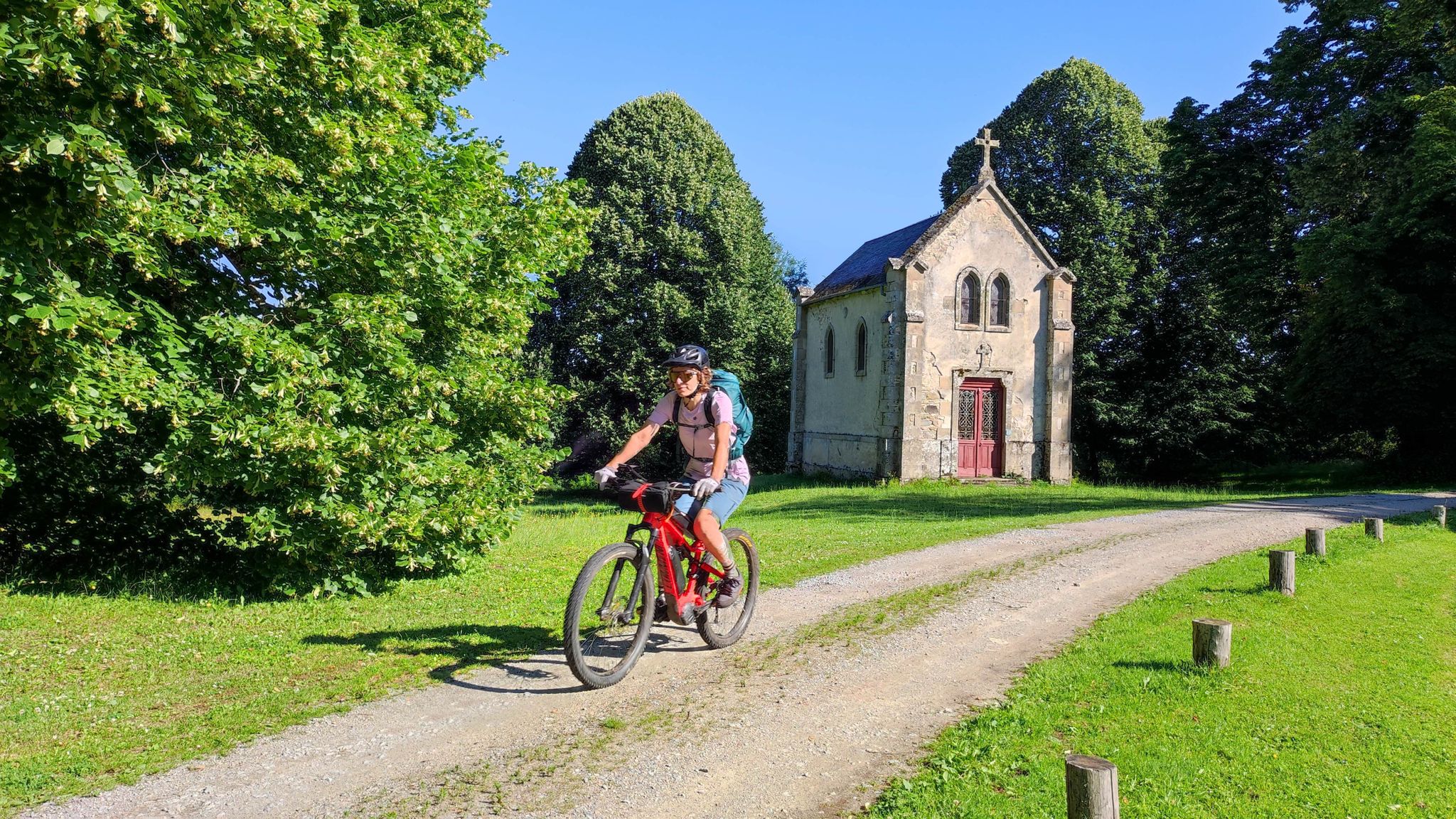
13 days to go green in France – La Grande Traversée de la Creuse by MTB
Off the beaten track in France — the Tour de Creuse by bike
Cycling around La Souterraine
Running Trails around La Souterraine
Hiking around La Souterraine
Road Cycling Routes around La Souterraine
MTB Trails around La Souterraine

Gravel biking around La Souterraine


Tips from the Community

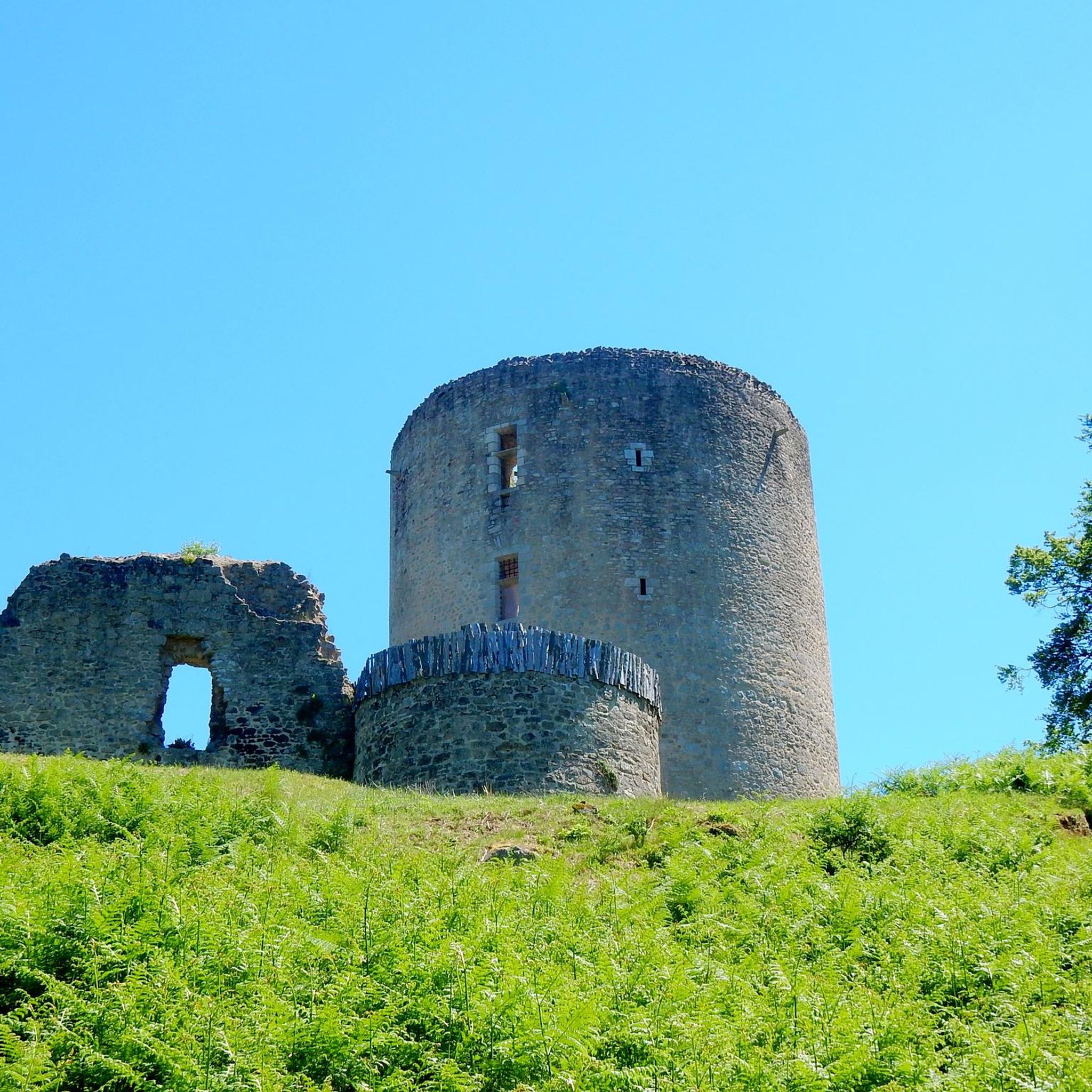
The Tour de Bridiers is what remains of a medieval castle from the 12th–13th centuries. What you see now is mainly the enormous round keep—and it's not subtle. What makes it cool: That tower is over 30 meters high. That's seriously impressive when you stand next to it. It stands slightly apart from the landscape, giving it an almost cinematic feel. The castle was part of a major trade route between Limoges and Berry. So this wasn't a romantic fairytale castle, but a pure display of power. In the summer, a historical evening show is held here with lights, projections, and knights. Then the ruins literally come back to life. What almost no one knows: The name "Bridiers" probably comes from "bride" (rein). The castle was intended to keep the region in check.
0
0

This castle, also called Château de la Fôt, was built in 1894 under the aegis of Viscount Paul de Curel, then owner. He called on the architects Louis Chauvet and Alfred Coulomb. Absolutely remarkable, it was transformed into a hotel in the 1980s.
0
0
It is the Bridiers Tower which makes this site famous. Dating from the 12th and 13th centuries, the site had a defensive function. It has been the subject of conservation since 1993 and excavations. These made it possible to discover the pentagonal fortress located at the foot of the tower. There is no guided tour, but access to the site is free. Climbing the tower is organized by the municipality and requires a modest payment of two euros.
1
0

In the 12th century, a tower was built on this site. But not the one you see today, it was built in the 13th and 14th centuries. What happened to the first tower? According to a written chronicle dating from 1202, it collapsed!
2
0

Ruins of the old medieval castle of Chamborand, dating from the 12th century, listed as a historical monument. On the edge of the pond of La Chaise.
2
0

The Château de Saint-Germain-Beaupré was built in the 16th century in a Renaissance style, while it replaced a fortified castle built on this site. This castle is classified as a historical monument, but it is not possible to visit it.
1
0
Frequently Asked Questions
What types of castles can I explore around La Souterraine?
The region around La Souterraine offers a mix of medieval ruins and more recent historic structures. You can find remnants of 12th and 13th-century fortified castles like the Bridiers Tower, as well as 19th-century châteaux such as Cazine Castle. There are also other medieval vestiges like the 12th-century Ruins of the Chamborand keep.
What is the historical significance of the Bridiers Tower?
The Bridiers Tower is the most prominent remnant of a medieval fortified castle, constructed between the late 12th and 13th centuries by the viscounts of Aubusson. It was strategically important, serving a defensive function and being part of a major trade route between Limoges and Berry. Archaeological work continues to reveal its pentagonal structures, and its sheer size, over 30 meters high, was a pure display of power in its time.
Can I visit the Bridiers Tower, and what are its notable features?
Yes, the Bridiers Tower is public property and open to visitors year-round. While access to the site is free, climbing the tower is organized by the municipality and requires a modest payment. Notable features include the restored upper parts offering panoramic views, a glass floor, and a medieval garden. The site is also known for hosting the 'Fresque Historique de Bridiers' medieval show in August.
Are there any events or special experiences at the castles in La Souterraine?
The Bridiers Tower hosts the 'Fresque Historique de Bridiers,' a medieval show held annually in August. This event brings the ruins to life with lights, projections, and knights, offering a lively historical experience for visitors.
What are the parking options for visiting the Bridiers Tower?
Access to the Bridiers Tower is convenient by road. You can also reach it via a pedestrian walk from the Étang du Cheix, which likely has parking facilities nearby.
What is the best time of year to visit the castles around La Souterraine?
The summer months, particularly August, are popular due to events like the 'Fresque Historique de Bridiers' at the Bridiers Tower. However, many sites, including the Tower, are open year-round, allowing for visits in quieter seasons. The panoramic views from the Tower are exceptional in clear weather.
Are there outdoor activities or routes near the castles?
Yes, several routes pass by or near the castles. For instance, the 'Porte Saint-Jean – Bridiers Tower loop from La Souterraine' is a moderate 26 km cycling route. You can find more cycling options in the Cycling around La Souterraine guide. For runners, 'The Tour Bridiers - running loop' is a moderate 5 km option. Explore more running trails in the Running Trails around La Souterraine guide.
Can I stay overnight in a castle near La Souterraine?
Yes, Château Lezat, an elegant historic house built in 1901, operates as charming bed and breakfast accommodations. It offers family rooms with private bathrooms, balconies, and garden views, providing a unique opportunity to stay within a château structure.
Are there other historical sites in La Souterraine worth seeing besides castles?
Beyond the castles, La Souterraine boasts other significant medieval remnants. You can explore the 13th-century Porte Saint-Jean and Porte du Puycharraud, which are impressive vestiges of the ancient ramparts. The Notre-Dame church, built between the 11th and 13th centuries, also blends Romanesque and Gothic styles and is a main monument of the town.
What about castles that are not medieval ruins, like Cazine Castle?
Cazine Castle, also known as Château de la Fôt, was built in 1894 in a remarkable style. While not a medieval fortress, it offers a glimpse into later aristocratic life and was transformed into a hotel in the 1980s, providing a different historical perspective compared to the older ruins.
Are any of the castles around La Souterraine accessible for visitors with mobility challenges?
Information on specific wheelchair accessibility for all castles is limited. However, the Bridiers Tower site is undergoing preservation and excavation, and while the upper parts of the tower offer panoramic views, access to these might involve stairs. It's advisable to check with local tourism offices for the most up-to-date accessibility information for specific sites.
What do visitors enjoy most about the castles in the La Souterraine area?
Visitors particularly appreciate the tangible connection to the region's medieval history offered by sites like the Bridiers Tower. The impressive height of the tower, its cinematic feel, and the historical evening shows in summer are often highlighted. The blend of ancient ruins and more modern châteaux also provides a diverse historical experience.
Are there any lesser-known castle ruins to discover?
Yes, beyond the prominent Bridiers Tower, you can discover the Ruins of the Chamborand keep. This old medieval castle, dating from the 12th century, is listed as a historical monument and is situated on the edge of the pond of La Chaise, offering a picturesque and perhaps quieter historical exploration.
Most popular routes around La Souterraine
Most popular attractions around La Souterraine

Get inspired with the komoot mobile app


Explore more
Looking for the best castles somewhere else? Discover other guides around La Souterraine:
