Attractions and Places To See around Felletin - Top 16
Best attractions and places to see around Felletin include historical, cultural, and natural sites in the Creuse department of central France. The town is recognized for its tapestry heritage and serves as a gateway to the Regional Natural Park of Millevaches. Felletin features a distinctive architectural heritage and is traversed by the Creuse River.
Best attractions and places to see around Felletin
- The most popular attractions is Aubusson — Tapestry Capital, a settlement recognized for its historical know-how in…
Last updated: July 6, 2026
Terrade Bridge
Highlight • Bridge
Translated by Google •
Tip by

Church of La Nouaille
Highlight • Religious Site
Translated by Google •
Tip by

Sign up now to discover places like this
Get recommendations on the best single tracks, peaks, & plenty of other exciting outdoor places.
Sign up for free
Roby bridge
Highlight • Other
Translated by Google •
Tip by

Aubusson — Tapestry Capital
Highlight • Settlement
Recognized for its historical know-how in tapestries, Aubusson is named International Tapestry City and a museum is dedicated to it. More information: cite-tapisserie.fr
Translated by Google •
Tip by

Felletin Historic Center
Highlight • Historical Site
This ancient city is home to many historic …
Translated by Google •
Tip by
Sign up for free to discover even more attractions around Felletin.
Sign up for free
Already have an account?
Start today with a free account
Your next adventure awaits.
Login or Signup


Other adventures around Felletin

Tips from the Community

Overcrowded tourist village
0
0

This bridge is emblematic of Aubusson. Originally made of wood, it was essential for commercial exchanges on the road from Limoges to Clermont-Ferrand. It was rebuilt with stones from the castle (itself dismantled on the orders of Rochelieu). There remains a castle (from the 15th century) on the left bank, which formerly housed the archers in charge of the defense of the building.
1
0

Be careful if you have to go visit the museum, call before, they can close to the public without warning on the site.
0
0

The Pont de la Terrade in Aubusson was until the 18th century, the only crossing point of the Creuse on the main road leading to Limoges. This passage was gradually abandoned in favor of the later, larger Récollets bridge. Thus the Terrade bridge remains today in a remarkable state of conservation. It has undergone very few modifications related to the development of modern transport. Originally made of wood, it is deployed across the river from a stone pile. Natural rot, bad weather and the importance of the Creuse wines, the bridge became dangerous due to its dilapidated state despite various repairs from the middle of the 16th century. The need for reconstruction is felt. It was replaced by a stone bridge built between 1638 and 1641 with materials from the ruins of the old medieval castle of the first Viscounts of Aubusson, the Chapter. This Huguenot defensive stronghold was destroyed on the orders of Richelieu in 1632. The Pont de la Terrade, property of the town, was listed in the inventory of historical monuments on June 15, 1926. Carefully restored in 2009, this building preserved charm illustrates the typicality of the architecture of Aubusson.
0
0
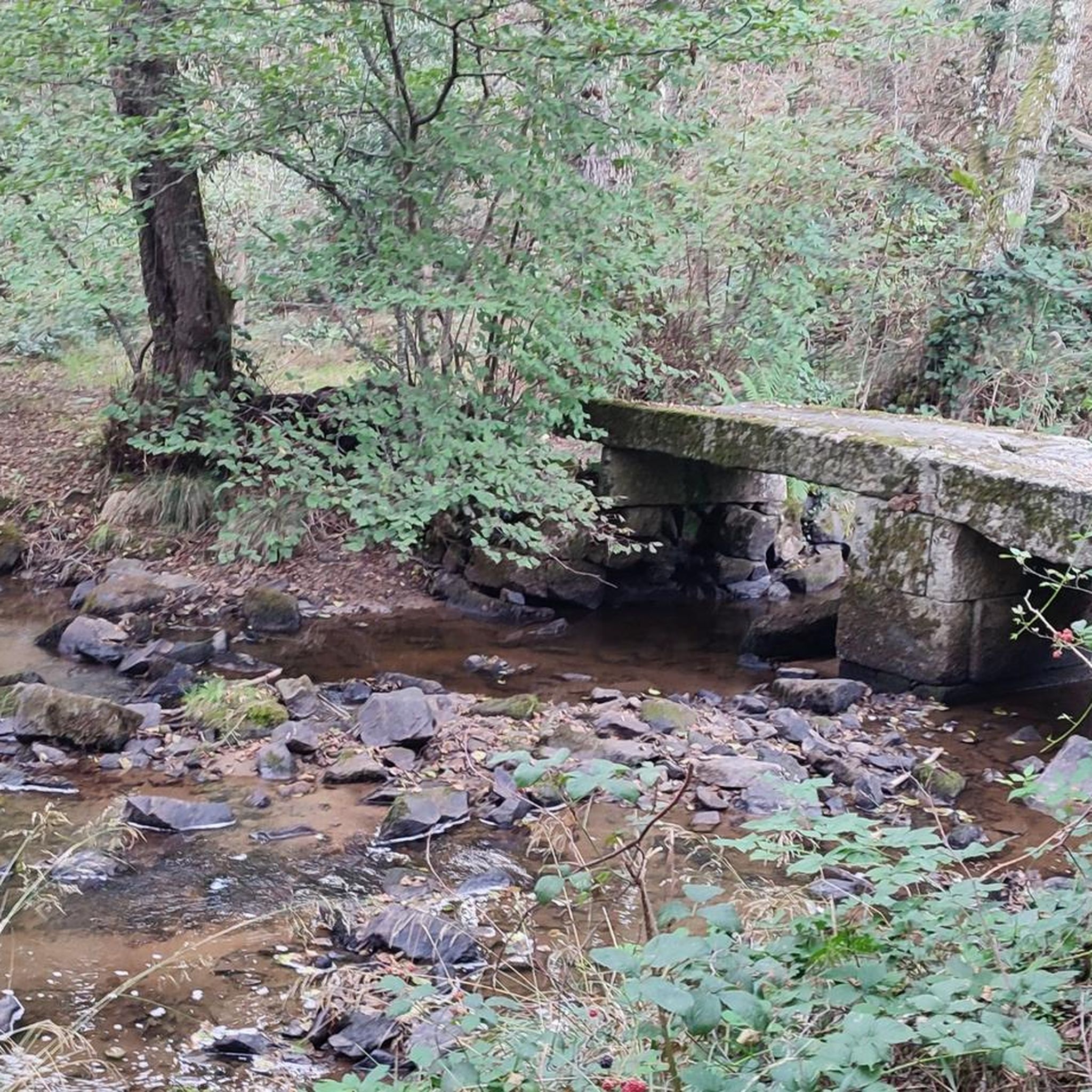
This medieval bridge, known as the 'Soubre Bridge' and made up of four arches, those at the ends in a semi-circular arch, the other two in a pointed arch, bears the name of a tapestry manufacturer whose workshops were located nearby. In the 16th century, Felletin was a prosperous town which saw the development of a significant number of industries: flour milling, tanning, paper milling, dyeing, etc. The river provided the energy necessary for the operation of the numerous mills. Next to the bridge, we notice the toll terminal symbolizing the duty that had to be paid to bring certain goods and foodstuffs into the city. Listed as a Historic Monument in 1926. Source: https://www.tourisme-creuse.com/
0
0
The building from the end of the 12th century is composed of a nave with three bays, a transept and a choir with a flat apse. In the nave, the barrel vault with beams rests on broken arch arcades supported by capitals with crossettes and fluted bases. Four half-columns with capitals with foliage and heads decorate the transept and receive the arches of the pointed vault as well as that of the choir. The molding dates from the 14th century. The bedside window is decorated with a trefoil tracery. The chapel created between two buttresses to the north, vaulted in broken cradle, dates from the 14th century. 14th century door with tympanum carved with oak leaves. The door on the east facade dates from the 18th century. The isolated bell tower dates from the end of the 12th century. The four buttresses placed in the middle of the faces do not appear to have been added afterwards. The old arrow presents a regional type. Source: https://www.tourisme-creuse.com
0
0

Medieval bridge bearing the name of an upholsterer from Felletin and listed as a Historic Monument.
1
0

Felletin is a small town of 1,700 inhabitants, located in Creuse at the gates of the Millevaches regional natural park in Limousin. This ancient city is home to many historic buildings, generally well preserved. Like Aubusson, Felletin is also renowned for its historic expertise in Tapestries.
2
0
Frequently Asked Questions
What historical landmarks can I explore in Felletin?
Felletin boasts a rich history. You can visit the Felletin Historic Center with its charming streets and half-timbered houses. Don't miss the medieval Roby bridge, a listed Historic Monument, or the intriguing 13th-century Lantern of the Dead. The Moutier Church, dating from the 12th and 15th centuries, features magnificent frescoes, and the Church of the Castle regularly hosts tapestry exhibitions.
Where can I experience Felletin's famous tapestry heritage?
Felletin is known as the 'Cradle of the Tapestry.' You can explore traditional tapestry workshops, such as the Pinton workshops, to witness this ancient craft firsthand. The nearby town of Aubusson — Tapestry Capital, recognized as an International Tapestry City, also offers a dedicated museum to this art form.
Are there any natural attractions or parks near Felletin?
Yes, Felletin serves as a gateway to the expansive Regional Natural Park of Millevaches. This park offers wild, authentic landscapes, including peat bogs, heather moors, forests, lakes, and streams. The Creuse River flows through Felletin, and the Dam of the Combes is a popular spot for fishing. You can also find the Dolmen of Pierre-la-Fade and the Valley of the Tranloup nearby, which are areas of ecological interest.
What outdoor activities are available around Felletin?
The region around Felletin is ideal for outdoor enthusiasts. You'll find numerous hiking trails, with maps available at the Tourist Office. For cycling, explore the Road Cycling Routes around Felletin or the MTB Trails around Felletin. If you enjoy running, check out the Running Trails around Felletin.
Where can I find scenic views in Felletin?
For splendid panoramas, head to the Belvedere on Rue Gustave Degaine. From here, you can enjoy views of the Lycée des Métiers du Bâtiment, the town of Felletin, and the sprawling Millevaches plateau. The Pont de Senoueix, near Gentioux-Pigerolles, is also an enchanting site known for its scenic beauty.
Are there family-friendly attractions in Felletin?
The Felletin Historic Center is a pleasant area for families to explore. For outdoor fun, the Regional Natural Park of Millevaches offers opportunities for walks and experiencing nature. Lavaud-Gelade Lake in Saint Marc a Loubaud is a protected site ideal for unsupervised swimming and fishing, which can be a great family activity.
What is the significance of the bridges in Felletin?
Felletin's bridges are historically important. The medieval Roby bridge, also known as 'pont Soubre,' is a listed Historic Monument named after a local tapestry manufacturer. The Terrade Bridge, originally made of wood and later rebuilt with stones from a dismantled castle, was essential for commercial exchanges on the road from Limoges to Clermont-Ferrand.
What cultural events take place in Felletin?
Felletin hosts the 'Festival Dances, Music and Voices of the World' in early August, which is a significant cultural event. Additionally, the Church of the Castle regularly features tapestry exhibitions, blending historical architecture with local artistic tradition.
Where can I find a peaceful garden or green space in Felletin?
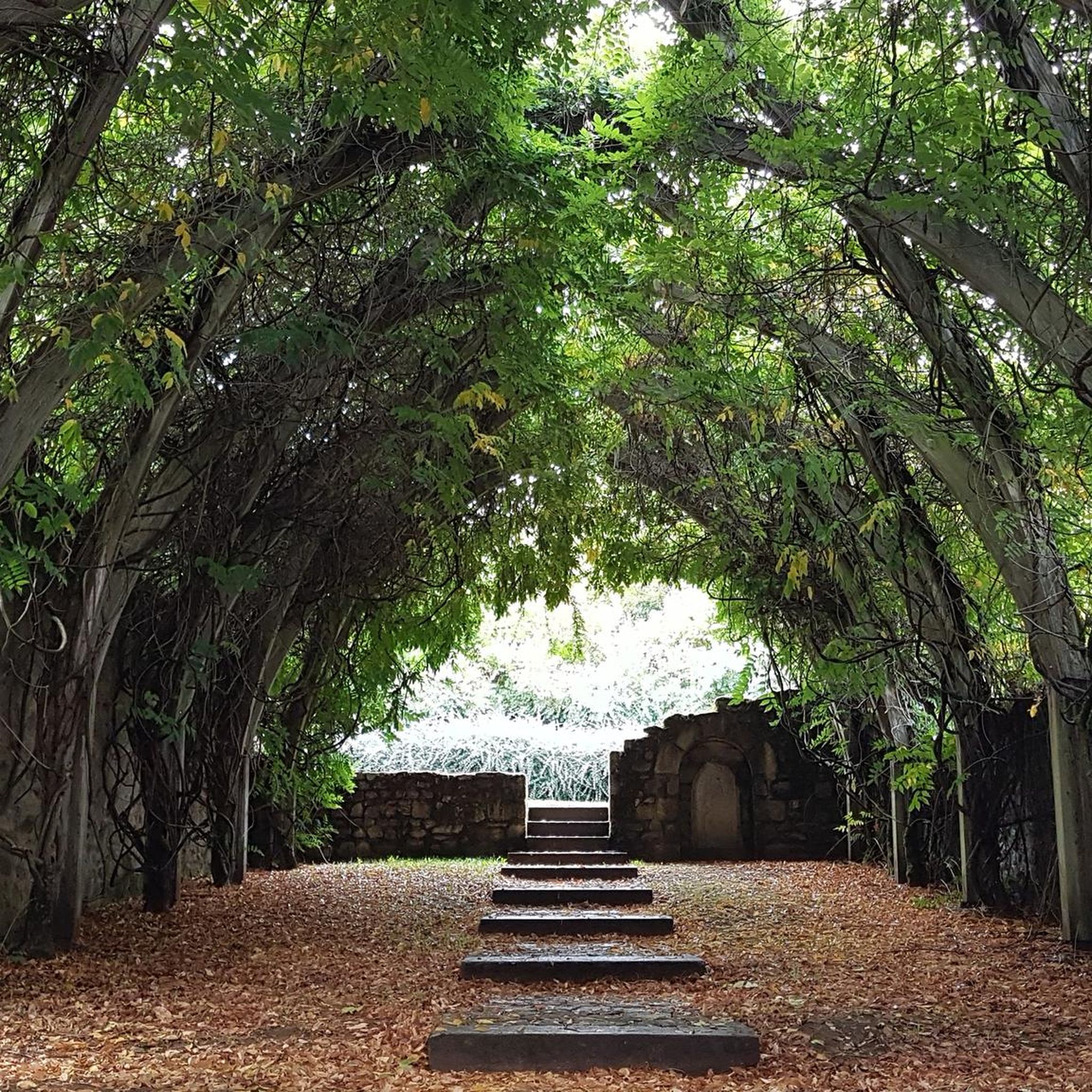
For a serene experience, visit the Cloister Garden, which adjoins the Moutier Church. Another unique spot is the Garden of the White Chapel (Jardin de la Chapelle Blanche), created to preserve the ruins of an old 1625 chapel, offering a blend of history and tranquility.
What is the Lycée des Métiers du Bâtiment and why is it notable?
The Lycée des Métiers du Bâtiment is a nationally recognized school in Felletin with a unique architectural design. Its construction, which began in 1947, was carried out by students as part of their training, making it a distinctive landmark showcasing the town's character as a 'village of builders'.
Are there any ancient religious sites to visit?
Yes, the Moutier Church, dating from the 12th and 15th centuries, is a beautiful edifice featuring magnificent 15th-century frescoes. Another notable religious site is the Church of La Nouaille, a 12th-century building with a nave, transept, and choir, featuring a 14th-century door with a carved tympanum.
What is the best way to get information about guided tours or local trails?
The Aubusson-Felletin Tourist Office is a valuable resource. They can provide information on guided tours of Felletin's heritage, details on tapestry workshops, architectural and religious circuits, and maps for hiking trails in the area.

Get inspired with the komoot mobile app


Explore more
Still not found the Highlight you’re looking for? See guides of the top attractions in other regions:
