The best walks and hikes around Birgland
4.6
(1469)
4,583
hikers
166
hikes
Hiking around Birgland offers diverse landscapes, characterized by a mix of the Hersbrucker Schweiz and the Oberpfälzer Frankenjura. The region features varied terrain, including extensive forest areas and picturesque valleys. Many routes lead through these natural settings, providing a range of experiences for hikers. This geological diversity contributes to the scenic beauty and varied hiking experiences available.
Best hiking trails around Birgland
- The most popular hiking route is Hansel and Gretel Rocks – Turk's Rock loop from Burgruine Lichtenegg,…
Last updated: November 22, 2026
4.9
(15)
47
hikers
18.0km
05:09
350m
570m
Hard hike. Very good fitness required. Easily walkable paths.
4.8
(277)
719
hikers
4.23km
01:12
100m
100m
Easy hike. Easily walkable paths.

4.7
(109)
368
hikers
Moderate hike. Good fitness required. Mostly walkable paths. Sure-footedness required.
4.8
(348)
941
hikers
4.77km
01:22
110m
110m
Easy hike. Easily walkable paths.
4.5
(35)
149
hikers
11.9km
03:25
280m
280m
Moderate hike. Good fitness required. Easily walkable paths.
Get access to more routes and recommendations from other explorers.
Already have an account?
Our route recommendations are based on thousands of hikes, rides, and runs completed by other people on komoot.
Start today with a free account
Your next adventure awaits.
Popular around Birgland
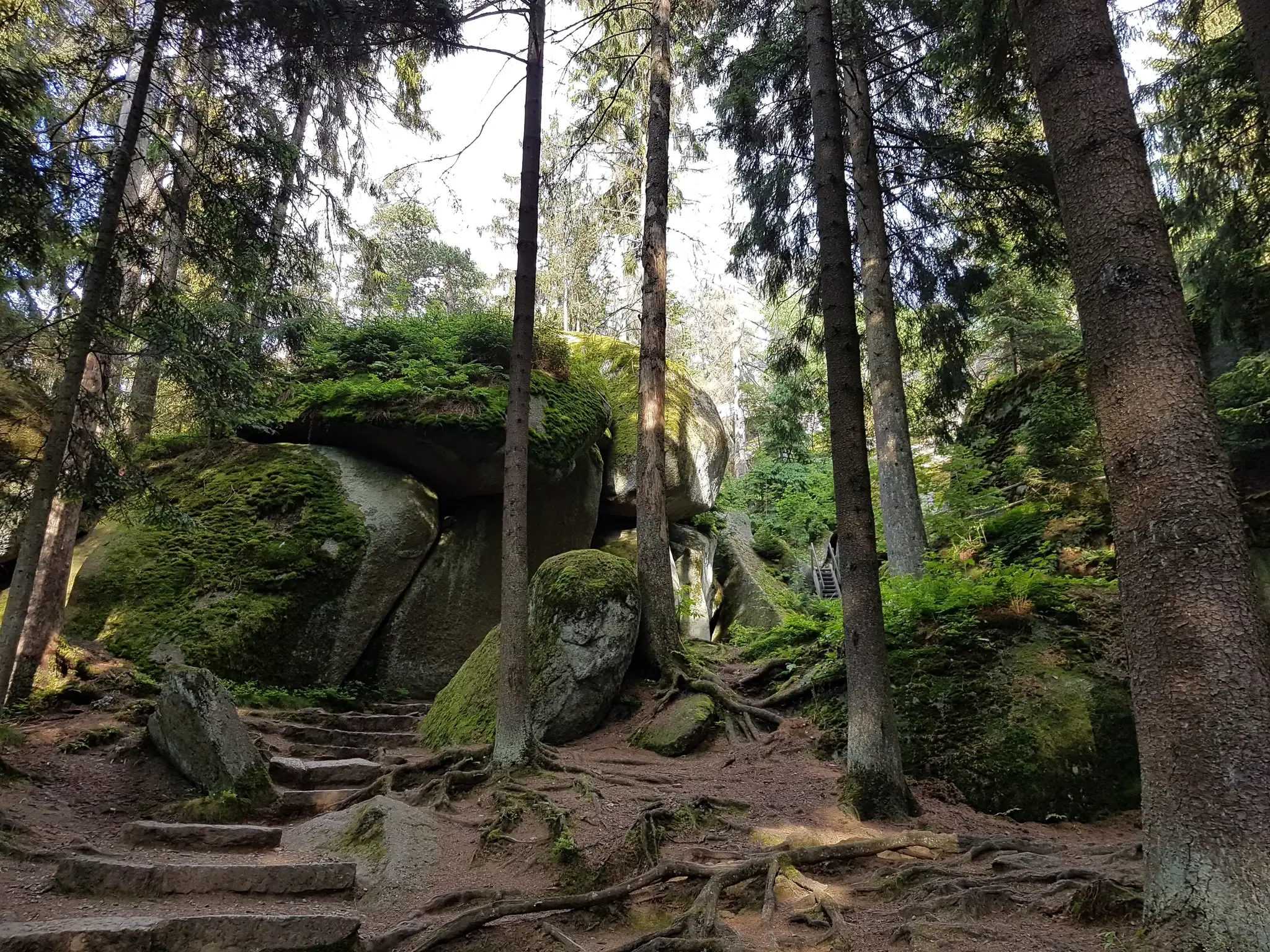
Nature, the outdoors and adventure – hiking through the VGN's nature parks
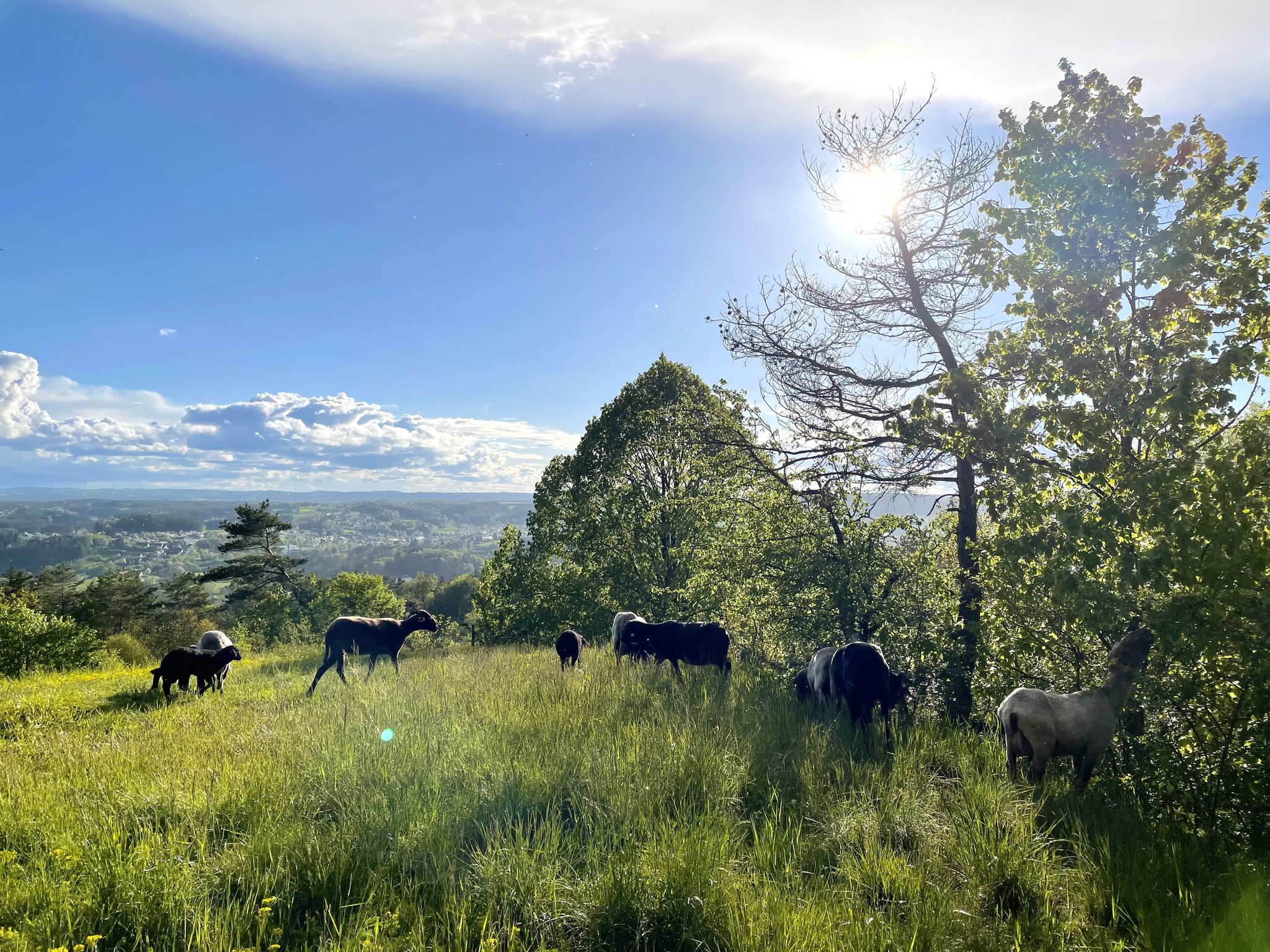
11 Days on the Erzweg Quality Hiking Trail
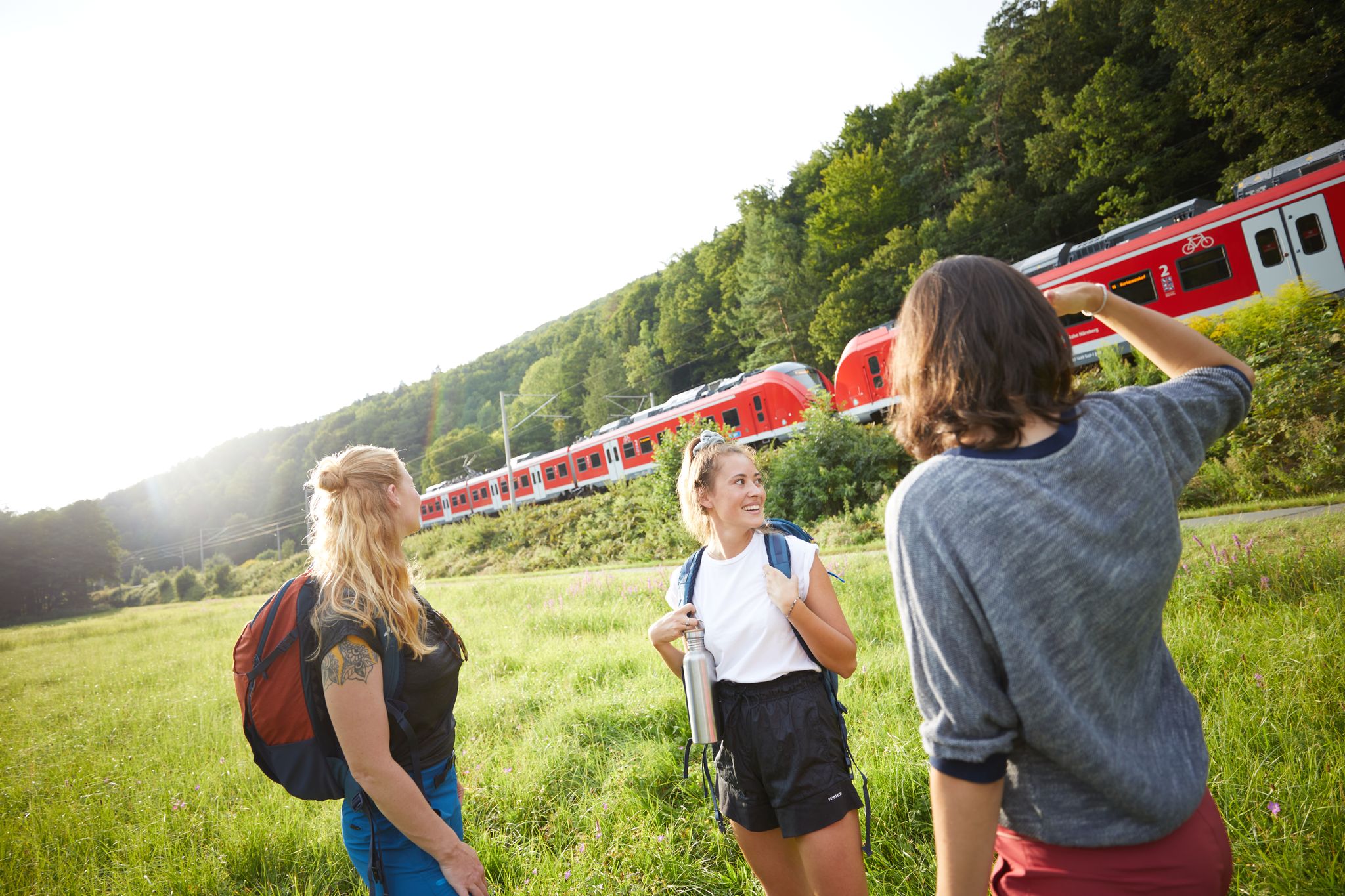
All aboard for summer hiking with Germany’s VGN
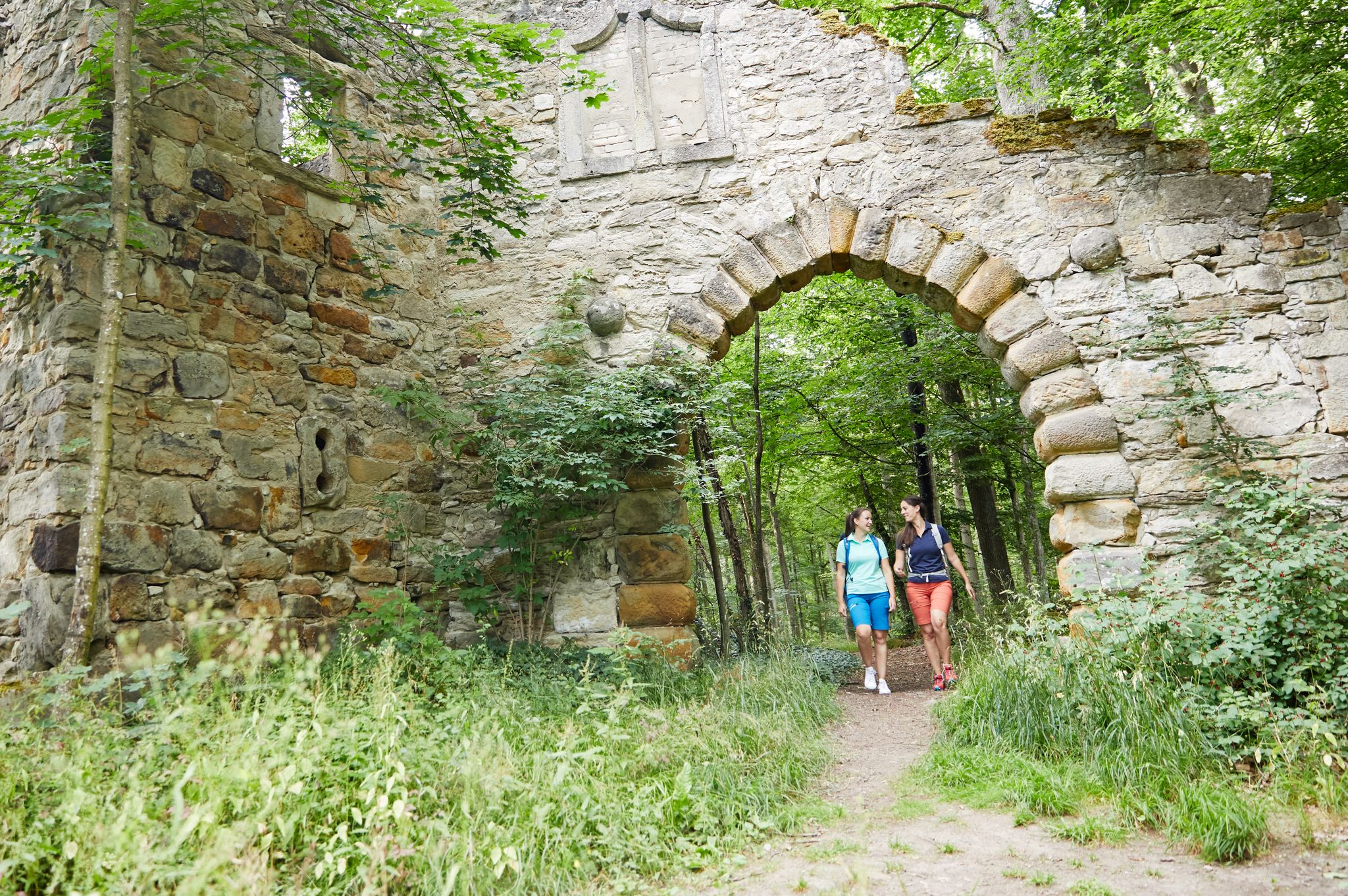
Full of views and fun – VGN leisure tips 2022
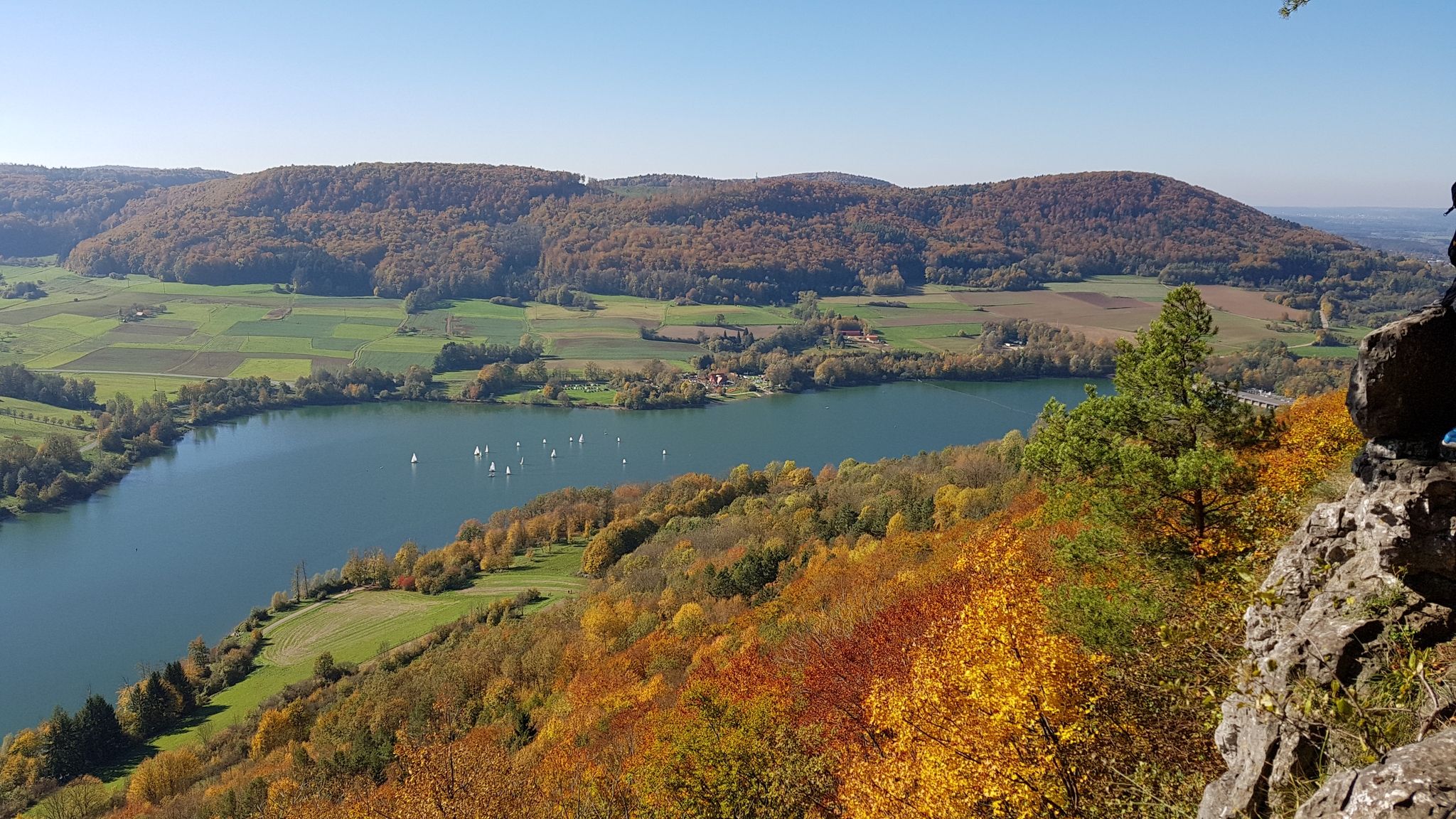
Colourful leaves & gentle hills – hiking in autumn in Franconia
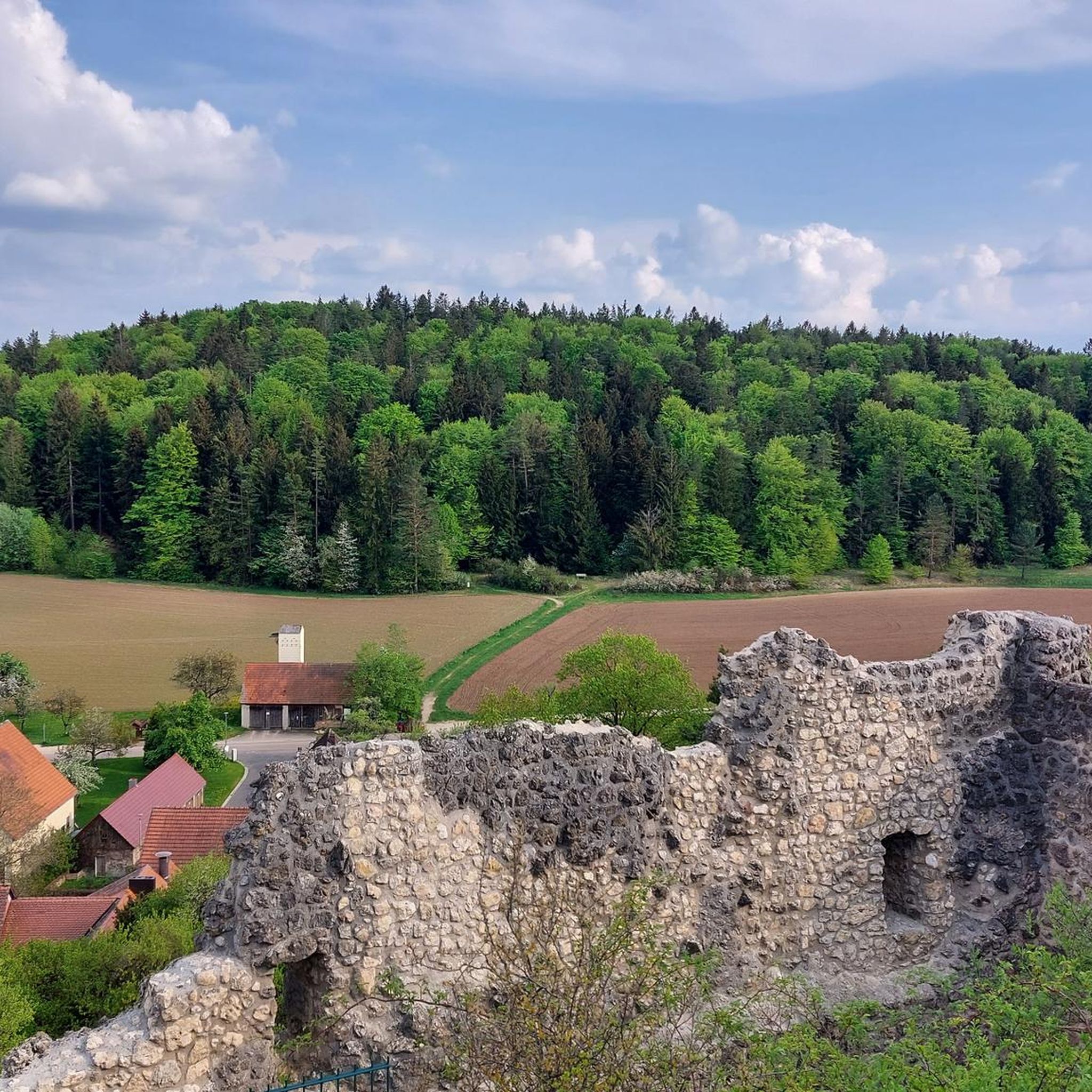
Cycling around Birgland
Road Cycling Routes around Birgland
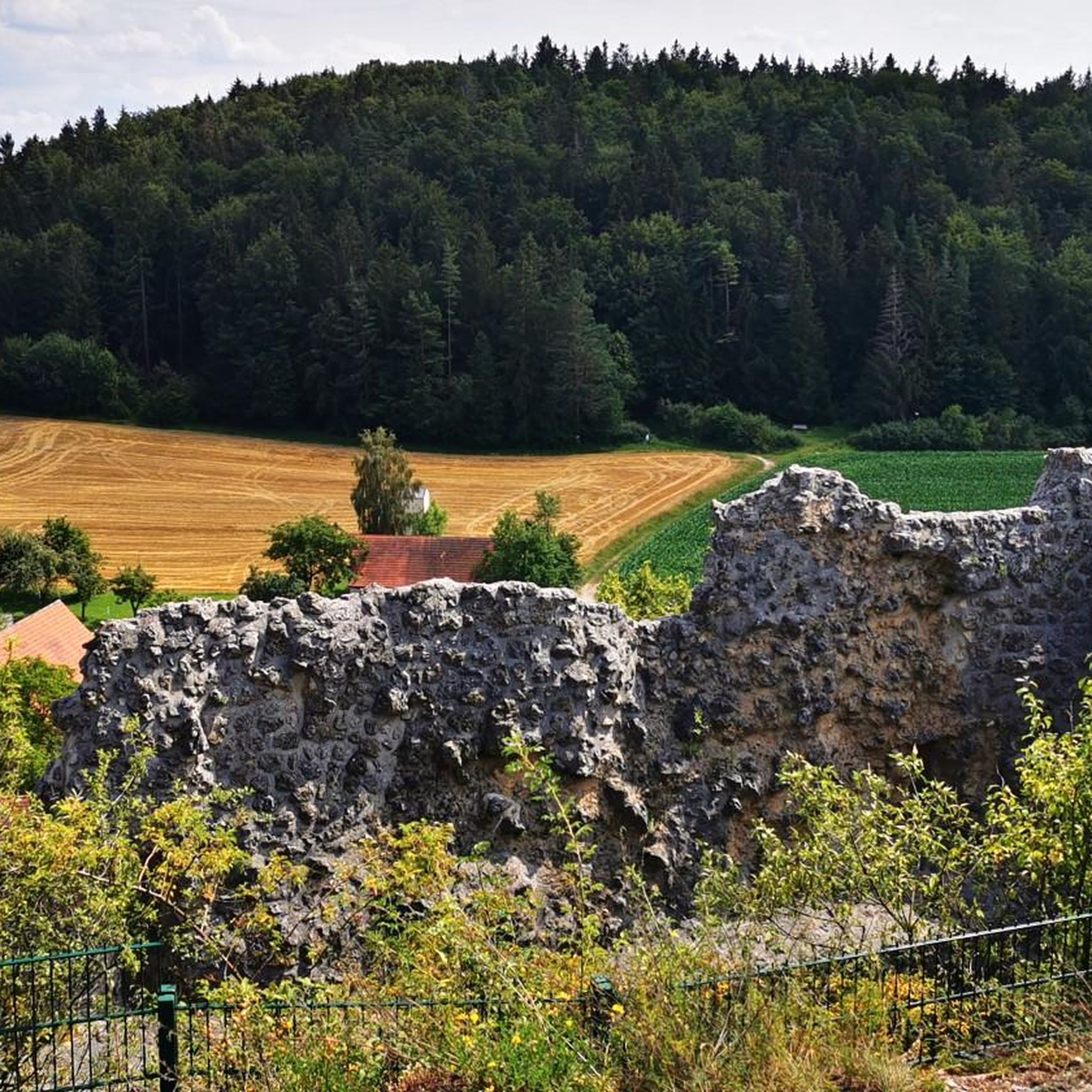
MTB Trails around Birgland
Running Trails around Birgland
Mountain Hikes around Birgland
Other adventures around Birgland


Tips from the Community

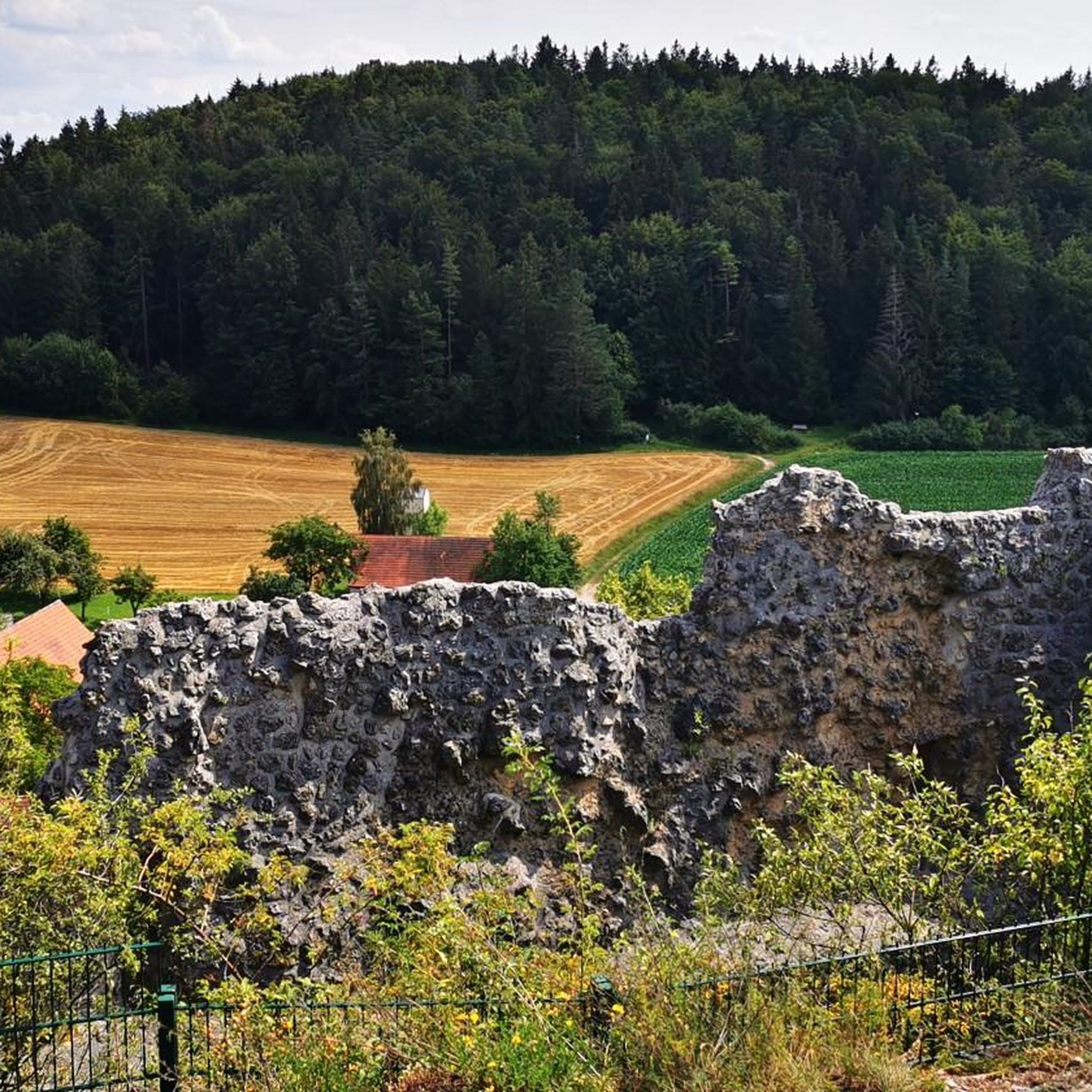
Lichtenegg Castle Ruins The hill was already inhabited in the late Stone Age: excavations just outside the castle grounds revealed a stone axe and several shards, pointing to the Corded Ware culture around 3000 BC. These finds represent one of the earliest signs of settlement in the Amberg region. The "Burck ze lichteneckke" first appears around 1300 in the Nuremberg Reichssalbüchlein. It was held as a fief by Konrad Truchsess von Sulzbach, a ministerialis of the Bavarian dukes. In 1353, Lichtenegg was pawned to King Charles IV, who established an administrative office here, which however reverted to the Bavarian dukes as early as 1373. They subsequently pawned the castle multiple times, including in 1395 to Count Palatine Ruprecht III. From then on, the castle continued to be pawned as a Palatinate fief, held by the Kemnather family until 1428/29. As the castle disappears from written records before 1443, destruction by the Hussites in 1427 is likely. The remains visible today largely date from 1562. In 1562, the Sulzbach registrar Sebastian Sedlmayer acquired the castle ruins completely, but committed to rebuilding them. In that year, he informed his feudal lord, Count Palatine Philipp Ludwig, that he had rebuilt Lichtenegg anew. The sales of the castle, severely damaged by lightning in 1575, in 1576 to the wealthy merchant Hans IV. von Furtenbach and in 1580 to Hans Sigmund von Preysing, were accompanied by fierce disputes, which apparently prevented construction activities on the burnt-down castle. In 1998, the Förderverein Burgruine Lichtenegg e.V. (Lichtenegg Castle Ruins Support Association) was founded, which has been renovating Lichtenegg together with the municipality since 2000. Two upstream earth ramparts made of stacked fieldstones surround the actual castle complex. The castle essentially consisted of a high palas and a keep with a ring wall in front. Access was through a simple, slightly elevated opening in the rounded ring wall. The ascent was protected by a round tower located on the left, the foundations of which are still visible. The path to the core castle leads to the right along the ring wall through a narrow passage to the residential building, which today defines the exterior of the ruins. In the northwest, sparse remains of a keep made of rubble masonry have survived, the foundations of which were recently rebuilt. Source: Excerpts from www.burgenseite.de
2
0

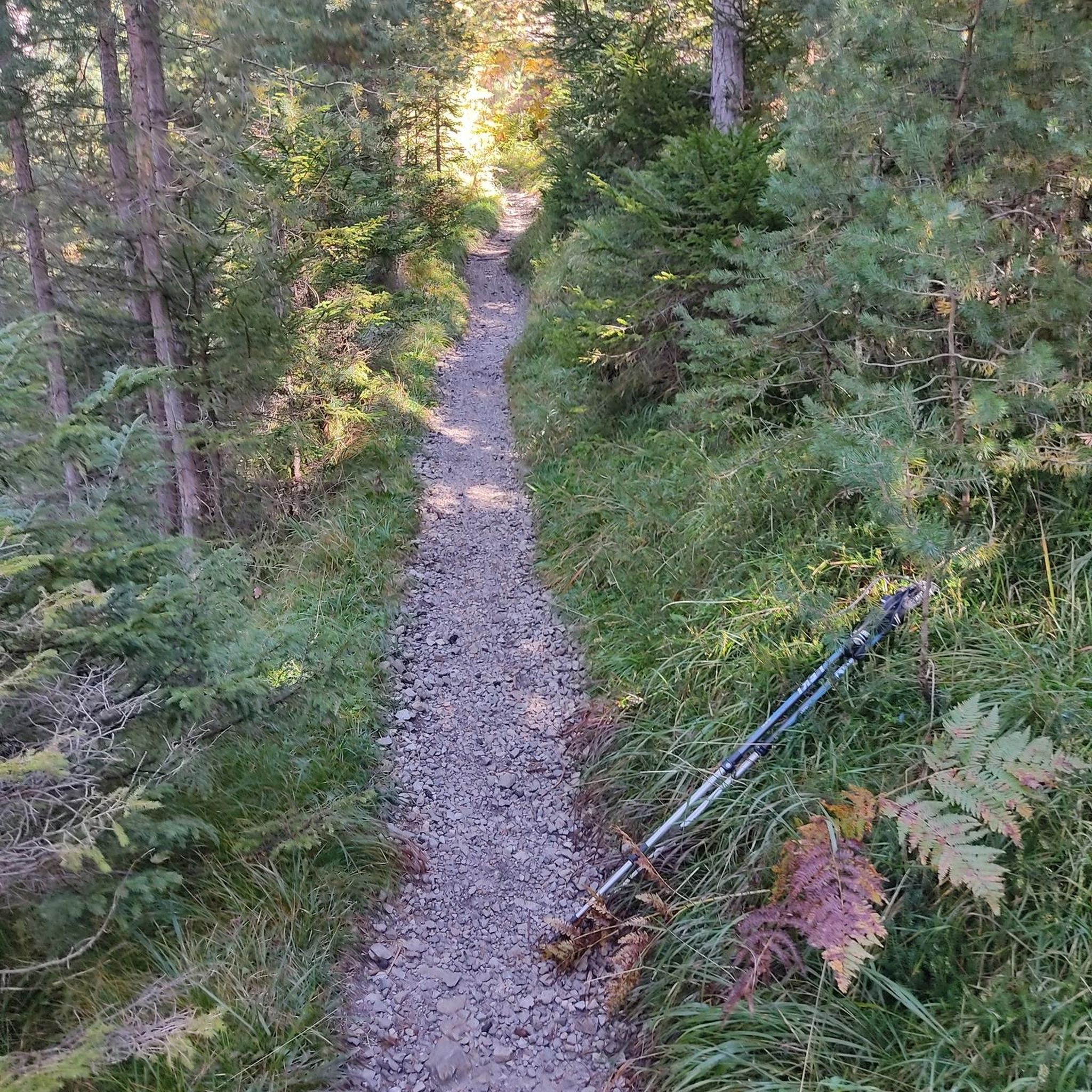
The Birgland circular trail repeatedly leads over beautiful paths.
1
0


Only when we looked more closely at the lower edge of the path were they visible.
0
0

Bench directly on the hiking trail
0
0
Very nicely located, beautiful place
0
0
Frequently Asked Questions
How many hiking trails are available in Birgland?
Birgland offers a wide selection of hiking opportunities, with over 160 routes available for exploration. These trails cater to various preferences, ranging from easy strolls to more challenging treks.
What kind of landscapes can I expect to see while hiking in Birgland?
Birgland's landscape is incredibly diverse, characterized by a mix of the picturesque Hersbrucker Schweiz and the Oberpfälzer Frankenjura. You'll encounter varied terrain, including extensive forest areas, idyllic valleys like the Schottental, and impressive rock formations. The region's geological diversity ensures a scenic and varied hiking experience.
Are there any family-friendly hiking options in Birgland?
Yes, Birgland is well-suited for families. The region offers many easy routes, with 76 trails classified as easy. A notable option mentioned in the region research is the 'Adventure Trail "Adventure in the Forest"', which is specifically designed for families with children, offering playful learning opportunities amidst nature.
What do other hikers enjoy most about the trails in Birgland?
The hiking trails in Birgland are highly regarded by the komoot community, boasting an average rating of 4.6 stars from over 1,200 reviews. Hikers frequently praise the varied terrain, dense woodlands, and the presence of historical landmarks like castle ruins, which add a unique charm to the routes.
Are there any circular hiking routes in Birgland?
Yes, Birgland is known for its beautiful and varied circular routes. Many trails are designed as loops, allowing you to start and end at the same point. Examples include the Hansel and Gretel Rocks – Turk's Rock loop from Burgruine Lichtenegg and the Turk's Rock – Lichtenegg Castle Ruins loop from Wurmrausch.
What historical landmarks can I discover on a hike in Birgland?
Birgland is rich in historical landmarks. The Lichtenegg Castle Ruins are a significant historical site, with various routes leading to or past them. You can also find the Poppberg Castle Ruins, which are part of a beautiful circular hike from Eckeltshof. The long-distance Jurasteig trail also offers opportunities to discover historical sights like castles and palaces.
Are there any natural attractions or viewpoints along the trails?
Absolutely. Birgland features several natural attractions and stunning viewpoints. The Moss-covered rock formations on the Hochberg are a notable natural monument. You can also find impressive vistas from the viewpoint rock "Alte Fritz" near Hellberg, and enjoy views of Happurger See from Hohler Fels or the Mühlkoppe.
Can I hike with my dog in Birgland?
While specific regulations for dogs on every trail are not detailed, generally, dogs are welcome on hiking trails in Germany. It's always recommended to keep your dog on a leash, especially in nature reserves or near wildlife, and to clean up after them. Please respect local signage regarding dog access.
Are there any longer, more challenging hikes available?
Yes, for experienced hikers seeking a challenge, Birgland offers several difficult routes. One such option is the VGN Nature Park hike – Birgland Trail, an 11.2-mile (18.0 km) path that provides a comprehensive experience of the region's varied landscapes, including forests and open fields.
Are there any unique natural features like caves or lakes to explore?
Yes, Birgland has unique natural features. The "Spurzlgrub Cave" near Hofstetten is a natural monument and an insider tip for hikers. Additionally, the Hirschwaldsee lake is a notable natural feature, offering a scenic spot for lingering, picnics, and a refreshing swim on warm days. The route to the lake passes through lovely forest areas and past vantage points.
What is the best time of year to go hiking in Birgland?
Birgland offers enjoyable hiking experiences throughout much of the year. Spring brings blooming wildflowers, including orchids on trails like the "Enchanted Forest Orchid Trail." Summer is ideal for enjoying the Hirschwaldsee lake. Autumn provides beautiful foliage, and even winter can offer serene, snow-covered landscapes, though some trails might be more challenging. Always check local weather conditions before heading out.
Most popular routes around Birgland
Most popular attractions around Birgland

Get inspired with the komoot mobile app


Explore more
Browse the best Hikes in other regions.
