The best cycling routes around La Houssière
4.4
(392)
3,280
riders
175
rides
Touring cycling around La Houssière, located in the Vosges department of France's Grand Est region, offers routes through a scenic valley. The area is characterized by the river Neuné, which flows through the commune, and is surrounded by dense woods. Elevations in La Houssière range from 436 to 750 meters, providing varied terrain for touring cyclists. The landscape includes riverine settings and forests, contributing to diverse cycling opportunities.
Best touring cycling routes around La Houssière
- The most popular touring cycling…
Last updated: July 13, 2026
3.8
(5)
43
riders
36.0km
02:22
460m
460m
Hard bike ride. Very good fitness required. Mostly paved surfaces. Suitable for all skill levels.
4.2
(10)
35
riders
31.1km
02:00
390m
390m
Moderate bike ride. Good fitness required. Mostly paved surfaces. Suitable for all skill levels.

Sign up for free
4.0
(3)
13
riders
18.0km
01:25
330m
330m
Moderate bike ride. Good fitness required. Mostly paved surfaces. Suitable for all skill levels.
4.5
(2)
13
riders
22.2km
01:29
350m
350m
Moderate bike ride. Good fitness required. Mostly paved surfaces. Suitable for all skill levels.
4.7
(3)
30
riders
52.7km
03:37
930m
930m
Hard bike ride. Very good fitness required. Mostly paved surfaces. Suitable for all skill levels.
Get access to more routes and recommendations from other explorers.
Sign up for free
Already have an account?
Our route recommendations are based on thousands of hikes, rides, and runs completed by other people on komoot.
Start today with a free account
Your next adventure awaits.
Login or Signup
Tips from the Community

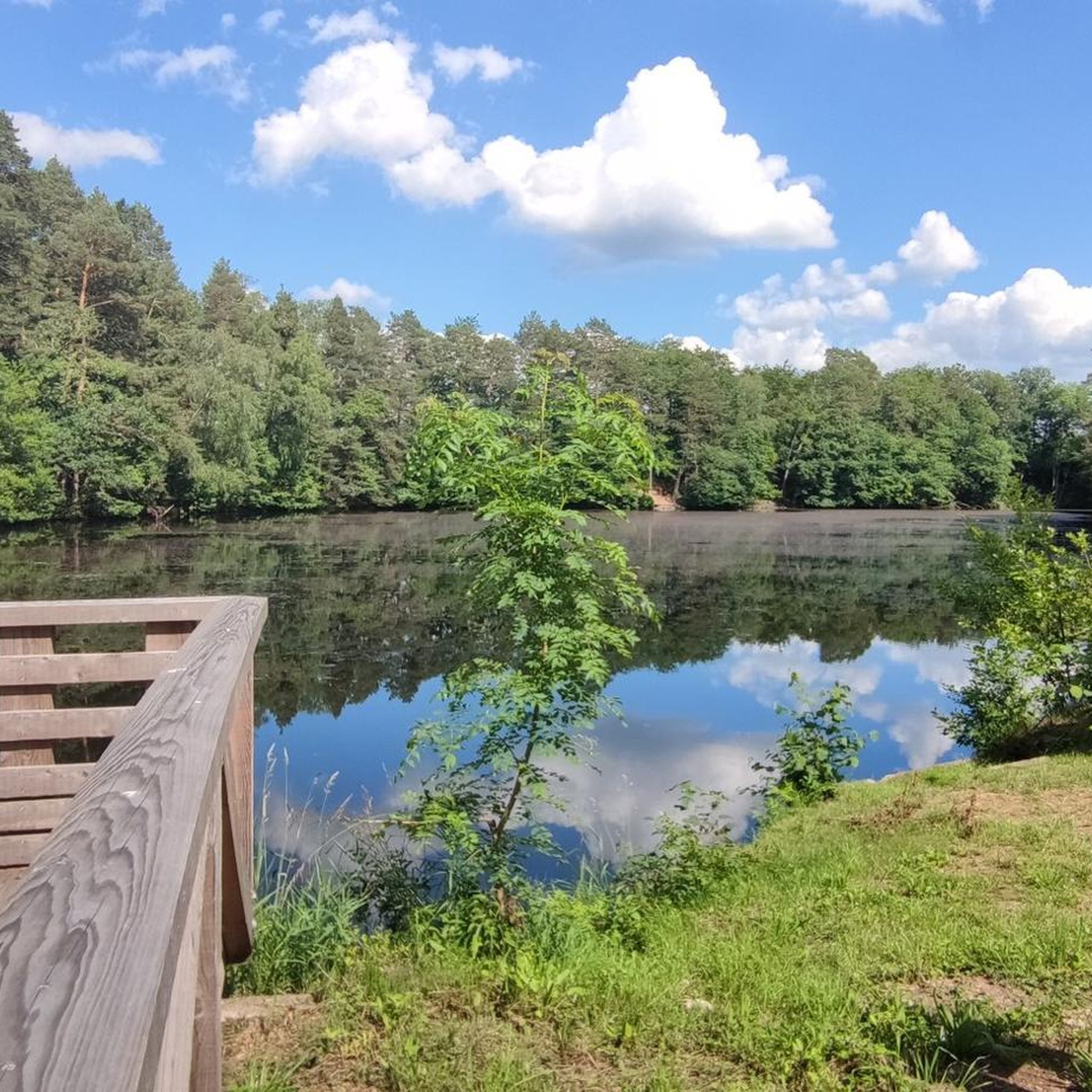
Here at the quay, there's a beautiful view the length of the lake, several boat rentals, a small free swimming area at the southern end, and a short promenade at the northern end that leads to the lido. Of course, you'll also find restaurants with lake views here.
1
0

We first hiked the route along the upper slope, bringing some food and water. It was a beautiful walk, and on the way back, we made a nice stop in the village. Be sure to check the restaurant opening hours.
0
0

Parish church built in 1783 by the locals. It features a soaring bell tower, 19th-century stained-glass windows, and remarkable interior heritage, including a painting of Saint Nicholas by Joseph Augustin. A place of faith and history in the heart of the village.
2
0
This short greenway, built on a former railway line, offers a flat course that is perfect for cyclists. It links Anould to Fraize and then continues along a pleasant path to Plainfaing, in the heart of the Meurthe Valley. A peaceful route between nature and the heritage of the Vosges.
7
0

This is the largest natural lake in the Vosges Mountains. The setting is simply splendid. You can enjoy a wide range of water activities here. Swimming is only permitted in supervised areas. A hiking trail has been developed to encircle the lake.
2
0

The only safe and reasonable route from Plainfaing to Saint Léonard.
2
0
Beautiful road with little traffic outside of tourist periods, be careful however in winter some shady parts can remain frozen all day.
1
0

As a memorial to the many dead, such a "MONUMENT AUX MORTS" (usually called a "Central Memorial" or "War Memorial" in German-speaking countries) is still very important today. "Now, Lord, you let your servant depart in peace, as you have said..." it says in the so-called "Hymn of Praise of Simeon" (Luke's Gospel, Chapter 2, Verse 29). However, the people who are remembered here did not depart in peace, but became victims of war and tyranny. Therefore, the term "fallen memorial" is now sometimes used instead of the "war memorial" that was previously common in German. In the French-speaking world, however, this aspect of commemoration of the dead has long been included in the most commonly used term "MONUMENT AUX MORTS". Regardless of language and nation, such a memorial has two important and at the same time everlasting tasks: -1- To keep alive the memory of the suffering and horror of war, -2- and to remind people of the need to maintain peace in the long term.
0
0
Frequently Asked Questions
What kind of terrain can I expect when touring cycling around La Houssière?
La Houssière is nestled in a scenic valley within the Vosges department, characterized by the flowing Neuné and Mortagne rivers and surrounded by dense woods. You can expect varied terrain, with elevations ranging from 436 to 750 meters, offering both challenging climbs and more leisurely stretches through picturesque riverine settings and forests.
How many touring cycling routes are available in La Houssière?
There are 16 touring cycling routes available around La Houssière, catering to various skill levels. The komoot community has highly rated these routes, with over 1800 touring cyclists having explored the area.
What are the difficulty levels of touring cycling routes in La Houssière?
The routes around La Houssière primarily offer moderate to difficult challenges. There are 4 moderate routes and 12 difficult routes, making it an ideal destination for cyclists looking for a good workout and scenic climbs.
Are there any circular touring cycling routes in La Houssière?
Yes, many of the touring cycling routes in La Houssière are designed as loops. For example, you can enjoy the challenging La route des crêtes – The ridge road loop from Corcieux-Vanémont or the scenic View of Lake Gérardmer – Gérardmer Lake Quay loop from Corcieux-Vanémont.
What is the best time of year for touring cycling in La Houssière?
Given its location in the Vosges mountains, the best time for touring cycling in La Houssière is typically from spring through early autumn (May to October). During these months, the weather is generally milder, and the natural landscapes are at their most vibrant, offering ideal conditions for exploring the valleys and woods.
Are there any routes with significant viewpoints or natural features?
Absolutely. The region is rich in natural beauty. Routes like La route des crêtes – Grand Ballon loop from Corcieux-Vanémont offer extensive views, while the View of Lake Gérardmer – Gérardmer Lake Quay loop from Corcieux-Vanémont provides stunning vistas of Lake Gérardmer. You can also find numerous viewpoints and natural monuments nearby, such as La Roche Saint-Martin and View of Saint-Dié or Roche de Boslimpré.
What kind of landmarks or natural monuments can I explore near the cycling routes?
Beyond the routes themselves, the area around La Houssière offers several interesting natural monuments and mountain passes. You can visit unique geological formations like Champ de Roches or the Pointhaie Rocks. There are also several mountain passes to discover, such as Col de Mandray and Col du Pré de Raves.
Are there family-friendly touring cycling routes in La Houssière?
While many routes in La Houssière are rated moderate to difficult due to the varied elevation, there are options suitable for families looking for a less strenuous ride. The region's scenic valleys and river paths can offer gentler sections. For a moderate option, consider the Church loop from Corcieux-Vanémont, which is shorter and has a manageable elevation gain.
Are dogs allowed on touring cycling routes in La Houssière?
Generally, dogs are welcome on many outdoor trails in the Vosges region, provided they are kept on a leash, especially in forested areas or near wildlife. It's always best to check local signage or specific park regulations for any particular route you plan to take to ensure a pleasant experience for everyone.
What do other touring cyclists enjoy the most about touring cycling in La Houssière?
The area is highly rated by the komoot community, with an average score of 4.2 stars from over 175 reviews. Cyclists frequently praise the diverse landscapes, from river valleys to dense woods, and the challenging yet rewarding climbs that offer breathtaking views. The well-maintained routes and the sense of immersion in nature are also commonly highlighted.
Are there any routes that pass through mountain passes?
Yes, the region around La Houssière is known for its mountain passes. While specific routes may not be exclusively dedicated to them, you can find passes like Col de Mandray and Arrentes Pass that are part of the broader cycling network, offering additional challenges and panoramic views.
Can I find routes that offer a good challenge for experienced touring cyclists?
Absolutely. La Houssière is an excellent destination for experienced touring cyclists seeking a challenge. With 12 difficult routes, including the extensive La route des crêtes – The ridge road loop from Corcieux-Vanémont (118.2 km with over 2100m elevation gain) and the La route des crêtes – Grand Ballon loop from Corcieux-Vanémont (124.9 km with over 1900m elevation gain), you'll find plenty of opportunities to test your endurance and climbing skills.
Most popular routes around La Houssière
Most popular attractions around La Houssière

Get inspired with the komoot mobile app


Explore more
Browse the best Cycling routes in other regions.
