Top 20 Natural Monuments around Egelshardt
Best natural monuments around Egelshardt are found within a region known for its natural beauty, including the Northern Vosges Regional Natural Park. This area features diverse ecosystems with undulating hills, glades, lakes, and extensive forests. The landscape is characterized by impressive sandstone formations and protected natural reserves. Egelshardt offers access to a variety of natural features for exploration.
Best natural monuments around Egelshardt
- The most popular natural monuments is Altschloss Rocks, a natural monument featuring spectacular rock formations. Millions…
Last updated: September 29, 2026
Altschlossfelsen (with rock passage)
Highlight • Natural Monument
Translated by Google •
Tip by

Altschlossfelsen Trail
Highlight (Segment) • Natural Monument
Translated by Google •
Tip by

Sign up now to discover places like this
Get recommendations on the best single tracks, peaks, & plenty of other exciting outdoor places.
Altschlossfelsen Sandstone Formations
Highlight • Natural Monument
Translated by Google •
Tip by
Altschlossfelsen — Southern Section
Highlight • Natural Monument
An absolute natural spectacle and highlight.
Showing Translation
Tip by

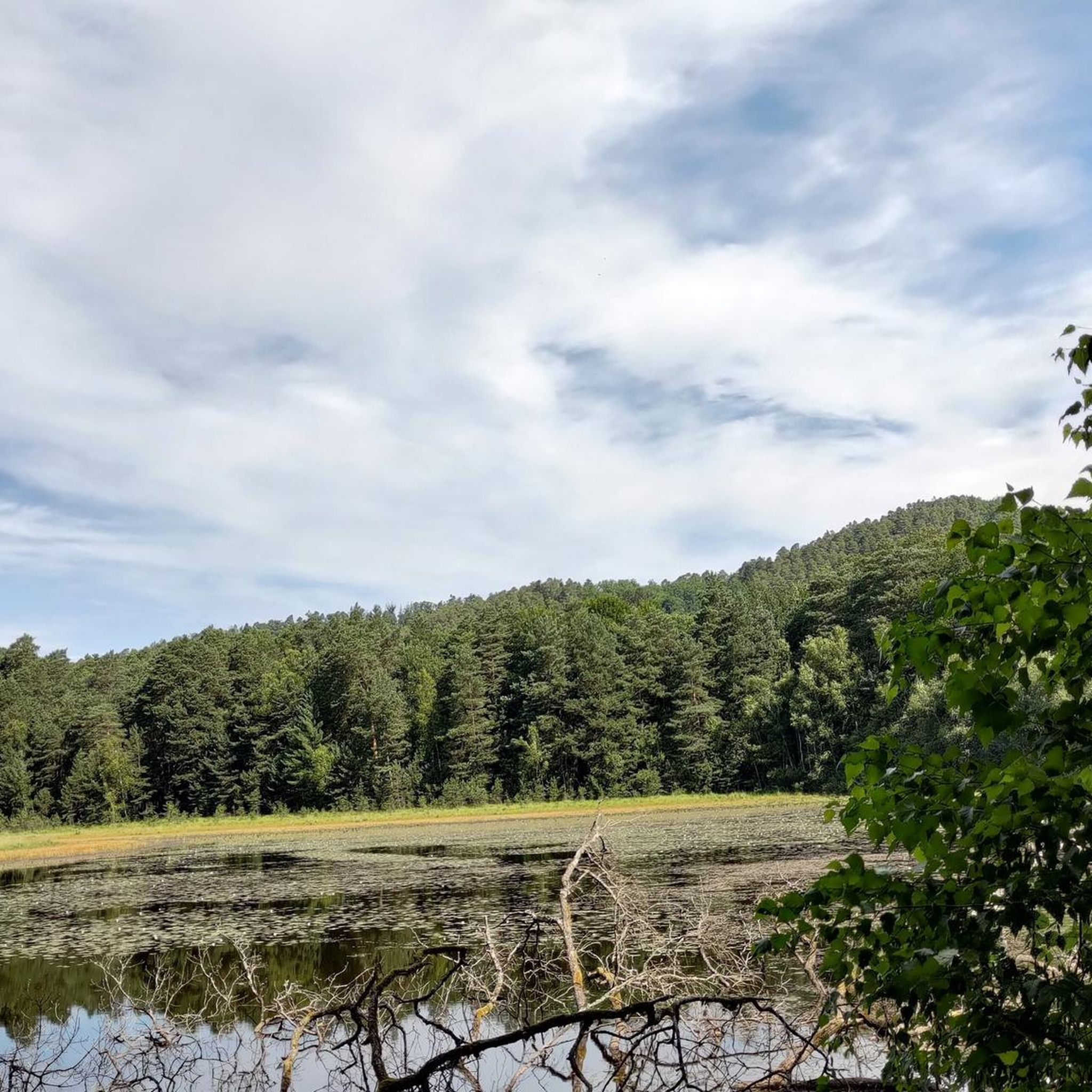
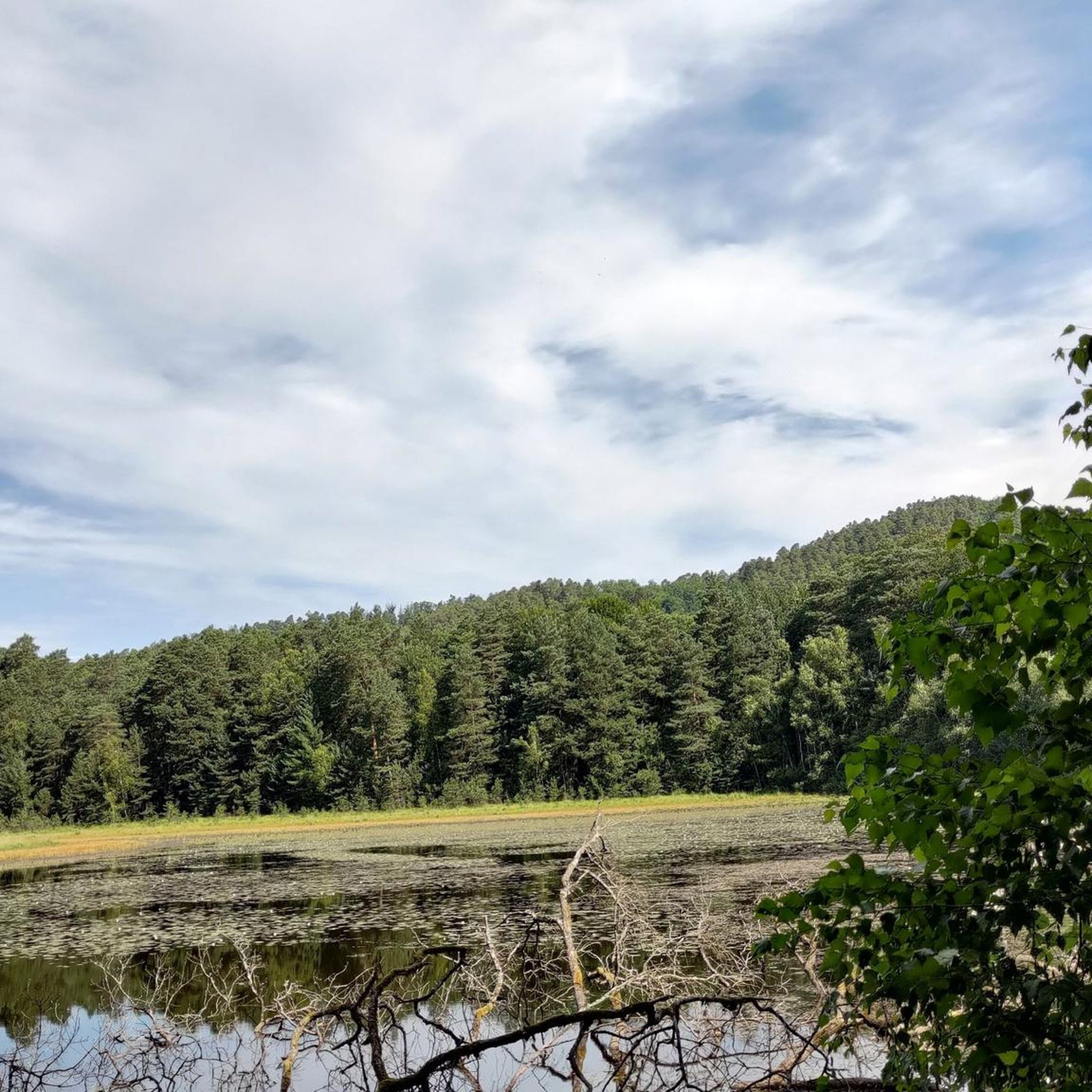
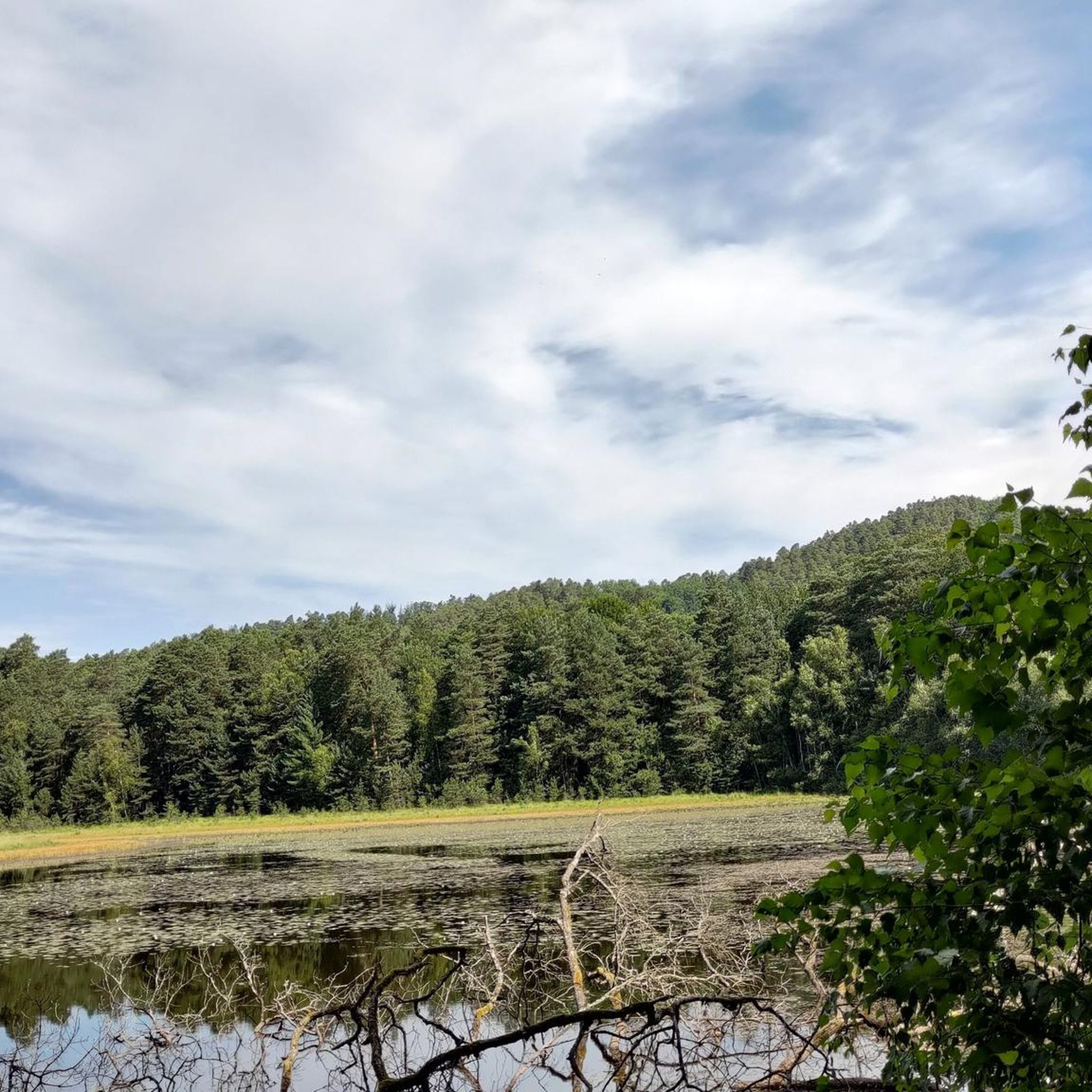
Rössels Pond
Highlight • Lake
This NSG is approximately 39 hectares.
What I liked best was that the …
Translated by Google •
Tip by

Sign up for free to discover even more natural monuments around Egelshardt.
Already have an account?
Start today with a free account
Your next adventure awaits.
Tips from the Community

A play of colors that is second to none. From strong red, depending on the light, orange, between gray and mossy rocks. And again and again the different shapes, caves and passages.
5
0
In the early morning or evening, the light is particularly beautiful and it is quieter. We were there at midday, so the light, depending on the location, was sometimes more intense or paler on the rocks. Nevertheless, a great nature experience. Sturdy footwear is recommended.
9
0
The rocks are only accessible on foot, e.g. from Eppenbrunn or nearby hiking parking lots. An absolute natural spectacle and highlight.
7
0

The Altschlossfelsen (also known as Eppenbrunn Castle) are a group of red sandstone rocks designated as a natural monument (ND) ND-7340-205 and a cultural monument (KD) in the municipality of Eppenbrunn in the Palatinate Forest on the border with France, and are the largest rock formation in the Palatinate. They are located on the eastern slope of the Brechenberg (406 m) near Eppenbrunn and Roppeviller at an elevation of approximately 365 m above sea level at the northeast end and 380 m above sea level at the southwest end of the rock band. The Altschlossfelsen are a group of red sandstone rocks approximately one and a half kilometers long and up to 30 meters high. The group consists of sandstone towers and walls. The Altschlossfelsen are crisscrossed by cracks and joints, some of which are wide enough to climb through. They are known primarily for their diverse weathering phenomena and rare lichens. The summit plateau can be reached from the north and south on narrow paths. There, you'll find a sparse forest and moss-covered rocks. A special lighting situation created by the sun, the "rock glow," is best seen around 7:00 p.m. in the first half of April, depending on weather conditions, vegetation, and the position of the sun. In the morning hours, the glow occurs around 8:45 a.m. Finds from the Hallstatt and Roman periods attest to earlier settlement of the rock group. In 1964, for example, shards from the La Tène period (c. 450–50 BC) were found. Traces of a medieval castle from the 11th or 12th century are found on the four main rocks. These include the remains of a stepped structure, post holes, remains of masonry, and notches for beams in the rock. A depression with a diameter of four meters is located on a rock, which may have served as a cistern. Additionally, on the southern and northern slopes around the rock formation, humped blocks, which may have originated from the structure of a former castle, as well as shards from the High Middle Ages were found in a wall groove. A more precise dating of the castle complex is difficult, as the castle was not mentioned before 1297 or later in the 1605 border description between Lorraine and the County of Hanau-Lichtenberg. Source: https://de.wikipedia.org/wiki/Altschlossfelsen
2
0
The Altschlossfelsen (also known as Eppenbrunn Castle) are a group of red sandstone rocks designated as a natural monument (ND) ND-7340-205 and a cultural monument (KD) in the municipality of Eppenbrunn in the Palatinate Forest on the border with France, and are the largest rock formation in the Palatinate. They are located on the eastern slope of the Brechenberg (406 m) near Eppenbrunn and Roppeviller at an elevation of approximately 365 m above sea level at the northeast end and 380 m above sea level at the southwest end of the rock band. The Altschlossfelsen are a group of red sandstone rocks approximately one and a half kilometers long and up to 30 meters high. The group consists of sandstone towers and walls. The Altschlossfelsen are crisscrossed by cracks and joints, some of which are wide enough to climb through. They are known primarily for their diverse weathering phenomena and rare lichens. The summit plateau can be reached from the north and south on narrow paths. There, you'll find a sparse forest and moss-covered rocks. A special lighting situation created by the sun, the "rock glow," is best seen around 7:00 p.m. in the first half of April, depending on weather conditions, vegetation, and the position of the sun. In the morning hours, the glow occurs around 8:45 a.m. Finds from the Hallstatt and Roman periods attest to earlier settlement of the rock group. In 1964, for example, shards from the La Tène period (c. 450–50 BC) were found. Traces of a medieval castle from the 11th or 12th century are found on the four main rocks. These include the remains of a stepped structure, post holes, remains of masonry, and notches for beams in the rock. A depression with a diameter of four meters is located on a rock, which may have served as a cistern. Additionally, on the southern and northern slopes around the rock formation, humped blocks, which may have originated from the structure of a former castle, as well as shards from the High Middle Ages were found in a wall groove. A more precise dating of the castle complex is difficult, as the castle was not mentioned before 1297 or later in the 1605 border description between Lorraine and the County of Hanau-Lichtenberg. Source: https://de.wikipedia.org/wiki/Altschlossfelsen
5
0

Over time, wind and weather have shaped the red sandstone massif, consisting of the Trippstadt and Karlstal layers, creating bizarre rock formations. Four towers standing close together and the actual main rock are clearly visible. Traces of a former fortification, probably built by the Counts of Zweibrücken-Bitche after 1279, can be found on the towers. By 1605, all traces of the castle had disappeared. In 1991, the rock massif was listed as a historical monument. A special lighting phenomenon created by the sun, the "rock glow," is best seen around 7 p.m. in the first half of April on the southeast side of the third rock from the east (from Eppenbrunn), depending on weather conditions, vegetation, and the position of the sun.
0
0

A beautiful hiking trail along the historic rock formations near the border
3
0
A beautiful hiking trail along the historic rock formations near the border
4
0
Frequently Asked Questions
What unique geological features can I find among Egelshardt's natural monuments?
The region around Egelshardt is renowned for its impressive sandstone formations. The most prominent is the Altschloss Rocks, a natural monument featuring spectacular rock formations sculpted by millions of years of erosion into unique shapes, overhangs, and natural arches. Another notable geological feature is Kastenfels, part of the five impressive Rumberg rocks, known for its dramatic appearance.
Are there family-friendly natural monuments around Egelshardt?
Yes, several natural monuments are suitable for families. Rössels Pond, located within a nature reserve, offers a tranquil setting to observe local wildlife and is considered family-friendly. Similarly, Sägmühl Pond is also family-friendly, with seating options and shallow waters, making it a popular spot for swimming with a permit.
What outdoor activities can I do near these natural monuments?
The area around Egelshardt offers a variety of outdoor activities. You can explore numerous running trails, such as the 'Alsatian Castles Path' or loops around Étang de Hanau. For mountain biking enthusiasts, there are challenging routes like the 'Erbsenfelsen – Waldeck Pond loop'. Hikers can enjoy mountain hikes, including the 'Altschloss Rocks – Altschlossfelsen loop'. You can find more details on these activities in the Running Trails around Egelshardt, MTB Trails around Egelshardt, and Mountain Hikes around Egelshardt guides.
What is the best time to visit the natural monuments around Egelshardt?
The natural monuments around Egelshardt, particularly the rock formations, are captivating year-round. For the Altschloss Rocks, the 'Felsenglühen' phenomenon, where the sandstone glows with intense colors, is best observed in the late afternoon sun, especially from mid-April when light conditions are ideal. Generally, spring and autumn offer pleasant temperatures for hiking and exploring the diverse landscapes of the Northern Vosges Regional Natural Park.
Are there any historical or cultural sites integrated with the natural monuments?
Yes, the region blends natural beauty with rich history. The Altschloss Rocks, for instance, show traces of ancient human activity with archaeological finds from the La Tène period and medieval fortifications. The broader Northern Vosges Regional Natural Park, a UNESCO World Biosphere Reserve, also integrates historical elements, including mysterious fortified castles and charming villages with traditional architecture, alongside its natural allure.
What do visitors enjoy most about the natural monuments in this area?
Visitors frequently highlight the spectacular and unique rock formations, especially the dramatic play of light on the sandstone at places like the Altschloss Rocks. The tranquility and opportunity to observe wildlife at spots like Rössels Pond are also highly appreciated. Many enjoy the well-maintained trails and the blend of natural beauty with historical context.
Can I bring my dog to the natural monuments and trails?
While specific rules for each monument may vary, the Northern Vosges Regional Natural Park generally welcomes dogs. However, it is always recommended to keep dogs on a leash to protect wildlife and ensure a pleasant experience for all visitors. Please check local signage for any specific restrictions at individual sites or nature reserves.
Are there accessible natural monuments for visitors with limited mobility?
The terrain around Egelshardt, particularly near the impressive rock formations like Altschloss Rocks and Kastenfels, can be challenging with steep climbs and uneven paths. However, areas around the ponds, such as Rössels Pond and Sägmühl Pond, may offer flatter, more accessible paths for leisurely walks. It's advisable to check specific trail conditions before visiting.
How can I reach the natural monuments around Egelshardt by public transport?
Egelshardt is situated in a rural area, and public transport options directly to all natural monuments might be limited. While the Northern Vosges Regional Natural Park is accessible, reaching specific trailheads or remote sites often requires a combination of public transport to nearby towns and then walking or cycling. It is recommended to check local bus routes and schedules for connections from larger towns in the Moselle department.
Where can I find parking near the natural monuments?
Parking is generally available near popular starting points for trails leading to the natural monuments. For instance, if you plan to hike the Rumberg-Steig to see Kastenfels, the village square of Ludwigswinkel serves as a starting point, likely with parking options. For the pond areas, designated parking spots are usually available close to the nature reserves. Always look for official parking areas to avoid inconvenience.
What is the Northern Vosges Regional Natural Park and its significance?
The Northern Vosges Regional Natural Park is a vast protected area near Egelshardt, encompassing woodlands, wetlands, farmlands, and historical sites. It holds the prestigious UNESCO World Biosphere Reserve title due to its rich natural landscape and exceptional biodiversity. The park features diverse ecosystems, abundant wildlife, and an extensive network of marked trails, making it an ideal destination for nature lovers and hikers.
Are there any specific tips for visiting the Altschloss Rocks?
When visiting the Altschloss Rocks, aim for a visit in the late afternoon, especially from mid-April, to witness the 'Felsenglühen' phenomenon where the iron-rich sandstone glows with fiery red, orange, or violet hues. Take time to observe the beautiful patterns sculpted by rainfall over centuries. Don't miss the 'sky view' a bit southwest for another perspective.
Most popular routes around Egelshardt
Most popular attractions around Egelshardt

Get inspired with the komoot mobile app


Explore more
Extend your search for the best caves by checking out these guides of the top ones around Egelshardt:
