Top 6 Castles around Bischingen
Castles around Bischingen offer a journey through centuries of military architecture and strategic importance. The region features historical sites characterized by robust fortifications and commanding viewpoints. These structures are often situated on rocky outcrops, providing natural defensive advantages and panoramic views of the surrounding landscape. The area's history is deeply intertwined with these defensive works, reflecting periods of conflict and architectural evolution.
Best castles around Bischingen
- The most popular castles is Citadel of Belfort, a historical site that reflects…
Last updated: July 8, 2026
Citadel of Belfort
Highlight • Historical Site
Translated by Google •
Tip by

Fort de Vézelois
Highlight • Historical Site
Translated by Google •
Tip by

Sign up now to discover places like this
Get recommendations on the best single tracks, peaks, & plenty of other exciting outdoor places.
Sign up for free
Lion of Belfort
Highlight • Monument
Translated by Google •
Tip by

Citadel of Belfort and Lion of Belfort
Highlight • Historical Site
Translated by Google •
Tip by

View of the Belfort citadel
Highlight • Castle
Translated by Google •
Tip by
Sign up for free to discover even more castles around Bischingen.
Sign up for free
Already have an account?
Start today with a free account
Your next adventure awaits.
Login or Signup

Tips from the Community

This is completely in the wrong place! It is nowhere near the citadel or the lion
0
0

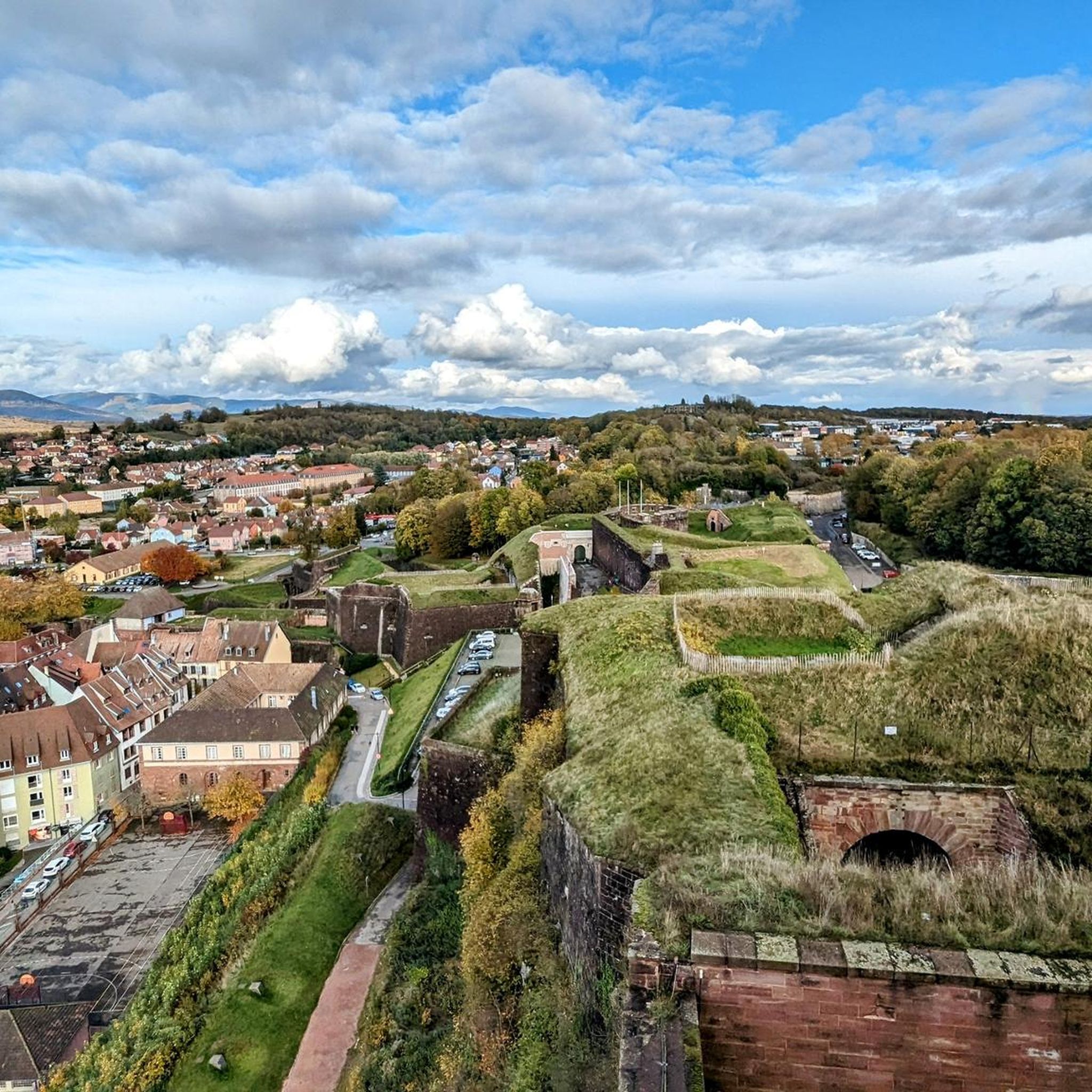
The Citadel of Belfort is a historically complex building, reflecting five centuries of fortifications. It was built after the conquest of the city in 1687, replacing a medieval castle that previously stood on this rocky outcrop.
5
0

impressive Vauban work , free access except for the museum
0
0

Beautiful sculpture and coat of arms of Belfort, below the fortress.
0
0

Impressive complex with the lion towering over it. Well-paved paths lead through the complex. From the top you have a great view of the city of Belfort. At night the lion and the fortress are illuminated. Simply beautiful.
3
0

It is a monumental sculpture from 1880 created by Frédéric Auguste Bartholdi, the sculptor of the Statue of Liberty. Completed in 1880, it is entirely made of red sandstone. The blocks that make it up were sculpted individually, then moved to the cliff below Belfort Castle to be assembled there. Twenty-two meters long and 11 meters high, the colossal work dominates the local landscape.
5
1

imposing large fortress with a great view of the city and the surrounding area. Visiting the entire complex without the museums is free.
3
0

Allow enough time, lots of steps and last entry at 5:30 p.m
0
0
Frequently Asked Questions
What are some of the most historically significant castles and fortifications around Bischingen?
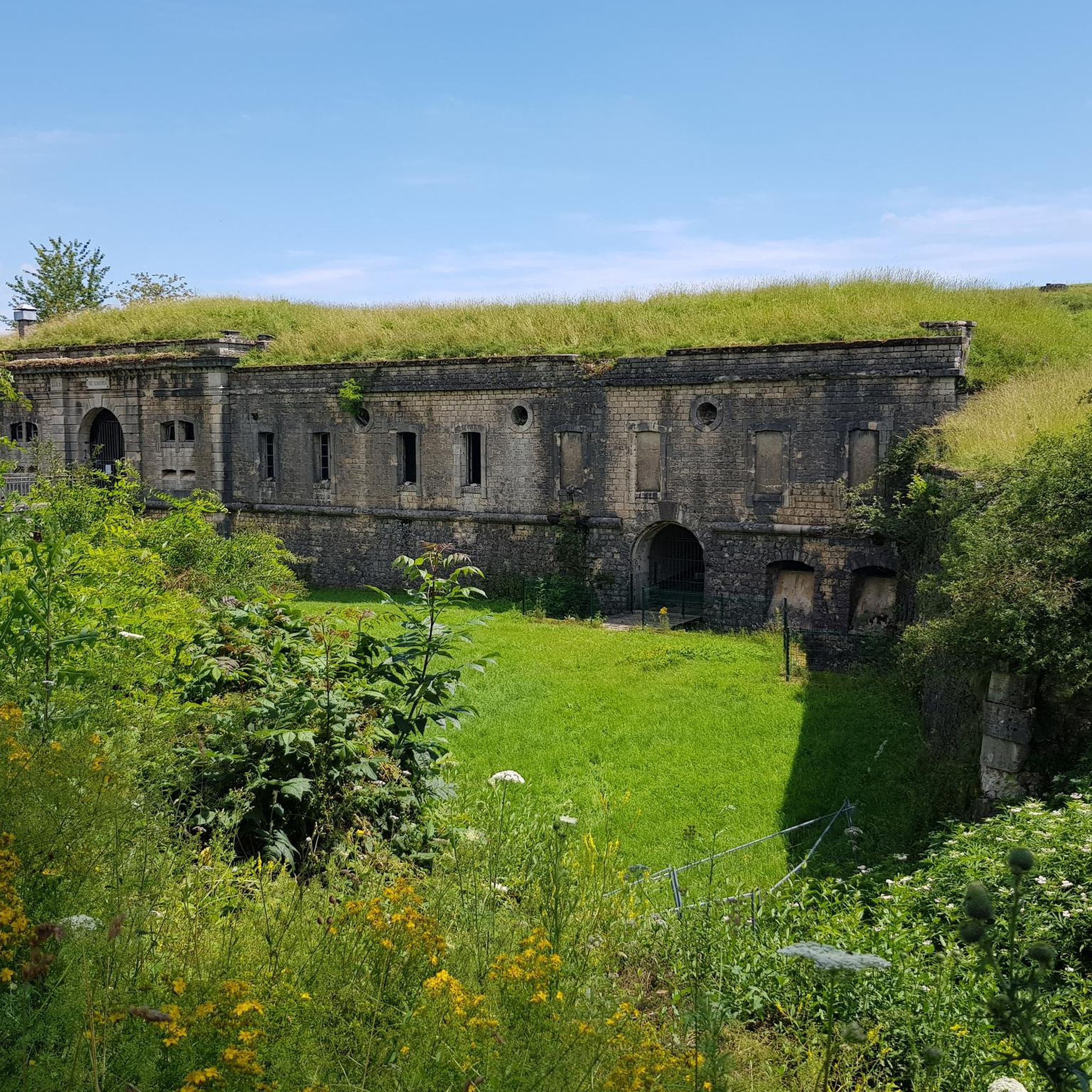
The region around Bischingen, particularly Belfort, is rich in historical fortifications. Key sites include the Citadel of Belfort, which reflects five centuries of fortifications and was built after the city's conquest in 1687. Another significant site is Fort de Vézelois, built between 1883 and 1886 as part of the fortified system designed by General Sere de Rivière. The Citadel of Belfort and Lion of Belfort also represents a powerful ensemble of fortifications from 1687, playing a crucial role in the Franco-Prussian War.
Are there good viewpoints among the castles and fortifications in the Bischingen area?
Yes, several sites offer magnificent views. The Miotte Tower provides stunning panoramas of the Vosges mountains and the Etang des Forges. The Citadel of Belfort offers great views of the city and its surroundings, while the View of the Belfort citadel highlight specifically points out an excellent vantage point to appreciate the citadel itself.
What kind of architectural styles can I expect to see in the castles and forts around Bischingen?
The fortifications around Bischingen showcase a range of architectural styles, from medieval origins to 19th-century enhancements. You'll find robust bastioned towers, intricate underground passages, and defensive systems designed by military engineers like Vauban, Haxo, and Séré de Rivières. These structures reflect centuries of military architecture and strategic evolution.
Are there family-friendly options among the castles near Bischingen?
The View of the Belfort citadel is categorized as family-friendly, suggesting it's a suitable spot for visitors of all ages to enjoy the historical views. Exploring the grounds of the larger citadels can also be an engaging activity for families, though specific child-focused activities may vary by site.
What outdoor activities can I do near these castles?
The area around Bischingen offers various outdoor activities. You can find numerous routes for gravel biking, road cycling, and running. For example, there are gravel biking routes like 'La porte d'Alsace' and 'Fort Senarmont, Bessoncourt – Fort de Vézelois loop'. Road cyclists can explore routes such as 'Col du Ballon d'Alsace loop' and 'EuroVelo 6 at Bourogne'. Runners have options like the 'Étang du Moulin des Bois loop'. You can find more details on these activities in the respective guides: Gravel biking around Bischingen, Road Cycling Routes around Bischingen, and Running Trails around Bischingen.
Are there hiking trails near the castles around Bischingen?
While specific hiking trails directly linked to the castles aren't detailed in the provided data, the presence of various cycling and running routes suggests that the surrounding natural landscape is suitable for walks and hikes. Many fortifications are situated on rocky outcrops, implying scenic paths leading to them. For more structured routes, consider exploring the running guides which often include walking-friendly paths, such as those found in Running Trails around Bischingen.
What do visitors enjoy most about the castles and fortifications in the Bischingen region?
Visitors frequently appreciate the historical depth and strategic importance of these sites. The Citadel of Belfort is noted for its 'imposing large fortress with a great view of the city and the surrounding area.' The powerful ensemble of fortifications and monuments like the Lion of Belfort also leaves a strong impression, symbolizing the city's resilience. The scenic views from elevated points like the Miotte Tower are also highly valued.
Is there an entrance fee for the castles and fortifications?
Access to the entire complex of the Citadel of Belfort, excluding museums, is generally free. However, specific attractions like the Miotte Tower have an admission fee and limited opening hours (e.g., EUR 5 on Sundays between 10:00 and 12:00). It's advisable to check the specific site for current entry requirements and opening times.
What are the opening hours for the main fortifications?
For the Citadel of Belfort, opening hours are typically from 8am to 6:30pm daily from September 1st to June 30th (except Tuesdays at 5pm), and extended from 8am to 8pm daily from July 1st to August 31st. The Miotte Tower has more restricted access, usually open only on Sundays between 10:00 and 12:00. Always confirm specific opening times before your visit.
Are there any unique features or hidden gems among the fortifications?
The Citadel of Belfort is noted for its ingenious defensive system, including bastioned towers with two floors of fire, counter-guards, and large underground passages. Fort de Vézelois, also known as Fort Ordener, has a fascinating history, having been inactive during both World Wars and later used as an ammunition depot before being bought by the municipality for restoration. The llamas around the Miotte Tower are also mentioned as a unique, unexpected sight.
What is the significance of the Lion of Belfort?
The Lion of Belfort, part of the Citadel of Belfort and Lion of Belfort ensemble, is a monumental sculpture created by Auguste Bartholdi in 1880. It serves as a powerful symbol of the city's resistance during the siege of Belfort in the Franco-Prussian War, commemorating its status as an 'impregnable' fortress.
Can I reach these castles and forts by public transport?
While specific public transport routes to each individual fort are not detailed, the fortifications are generally located around the city of Belfort. Public transport within Belfort would likely provide access to the vicinity of these sites, especially for those closer to the city center like the Citadel. For more remote forts, a combination of public transport and walking or cycling might be necessary.
Most popular routes around Bischingen
Most popular attractions around Bischingen

Get inspired with the komoot mobile app


Explore more
Looking for the best castles somewhere else? Discover other guides around Bischingen:
