Top 15 Mountain Passes around Montricher-Albanne
Best mountain passes around Montricher-Albanne are located in the French Alps, offering diverse terrain for outdoor activities. The region features numerous passes with varying altitudes and characteristics, making it suitable for different types of exploration. These mountain passes provide access to elevated viewpoints and connect valleys within the Alpine landscape.
Best mountain passes around Montricher-Albanne
- The most popular mountain pass is Col du Télégraphe, a mountain pass that sits at an altitude of 1,565 meters. This pass is often…
Last updated: July 23, 2026
Col du Télégraphe
Highlight • Mountain Pass
Translated by Google •
Tip by

Ascent to the Col du Télégraphe from Saint-Michel-de-Maurienne
Highlight (Segment) • Climb
Translated by Google •
Tip by

Sign up now to discover places like this
Get recommendations on the best single tracks, peaks, & plenty of other exciting outdoor places.
Sign up for free
Mollard Pass
Highlight • Mountain Pass
Translated by Google •
Tip by

Col d'Arves
Highlight • Mountain Pass
Translated by Google •
Tip by

Col du Sapey
Highlight (Segment) • Mountain Pass
In my opinion, more suitable as a descent than as …
Translated by Google •
Tip by

Sign up for free to discover even more mountain passes around Montricher-Albanne.
Sign up for free
Already have an account?
Start today with a free account
Your next adventure awaits.
Login or Signup

Tips from the Community

Grandiose ascent on the D110, great view at the pass.
2
0

Even more beautiful downhill
3
0


I must say that this climb is no joke with its gradients, very beautiful.
20
0
After the Galibier, if that's not enough for you, you can also get the Tèlègraphe.
21
1

The views at the top of this pass are definitely worth the detour 👍
0
0

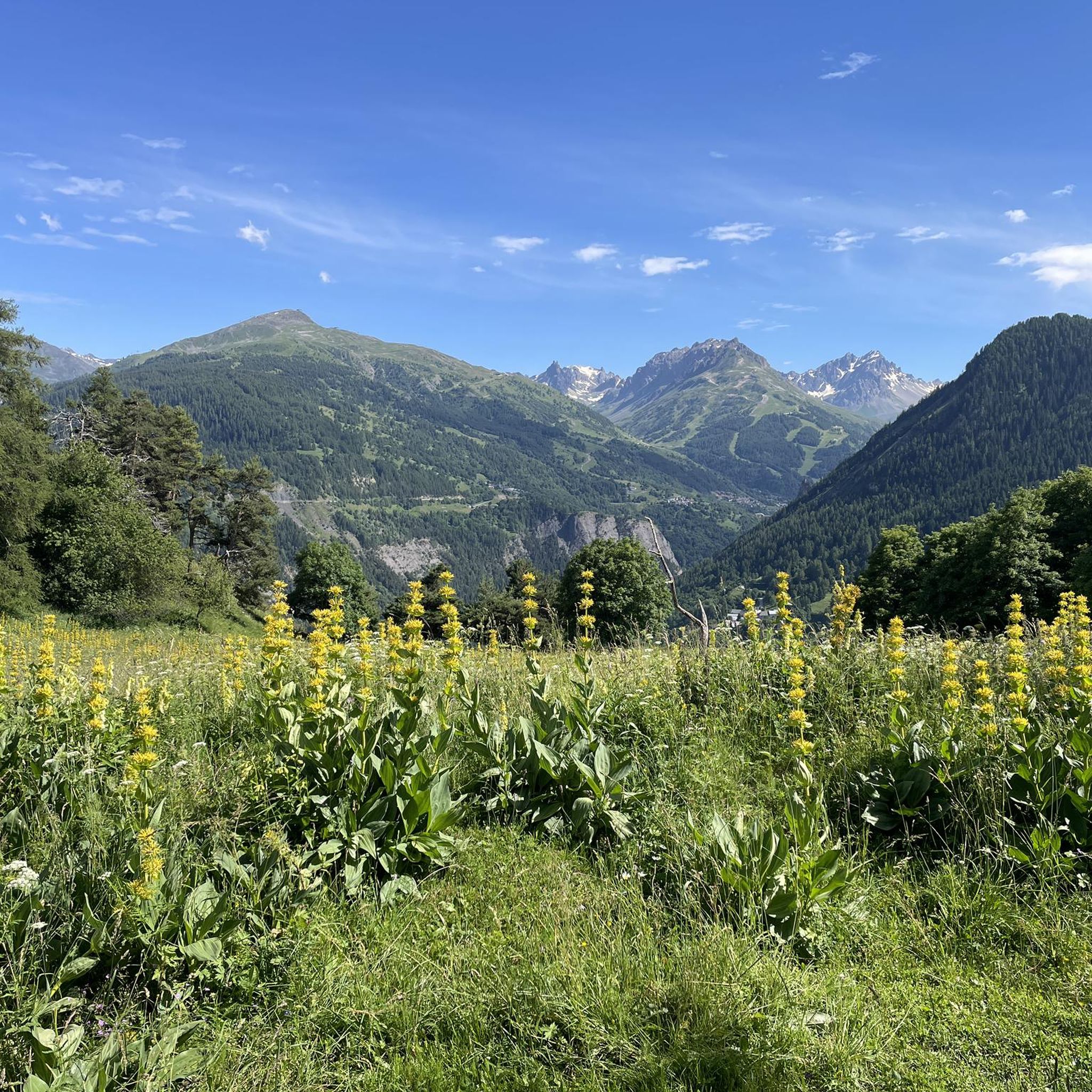
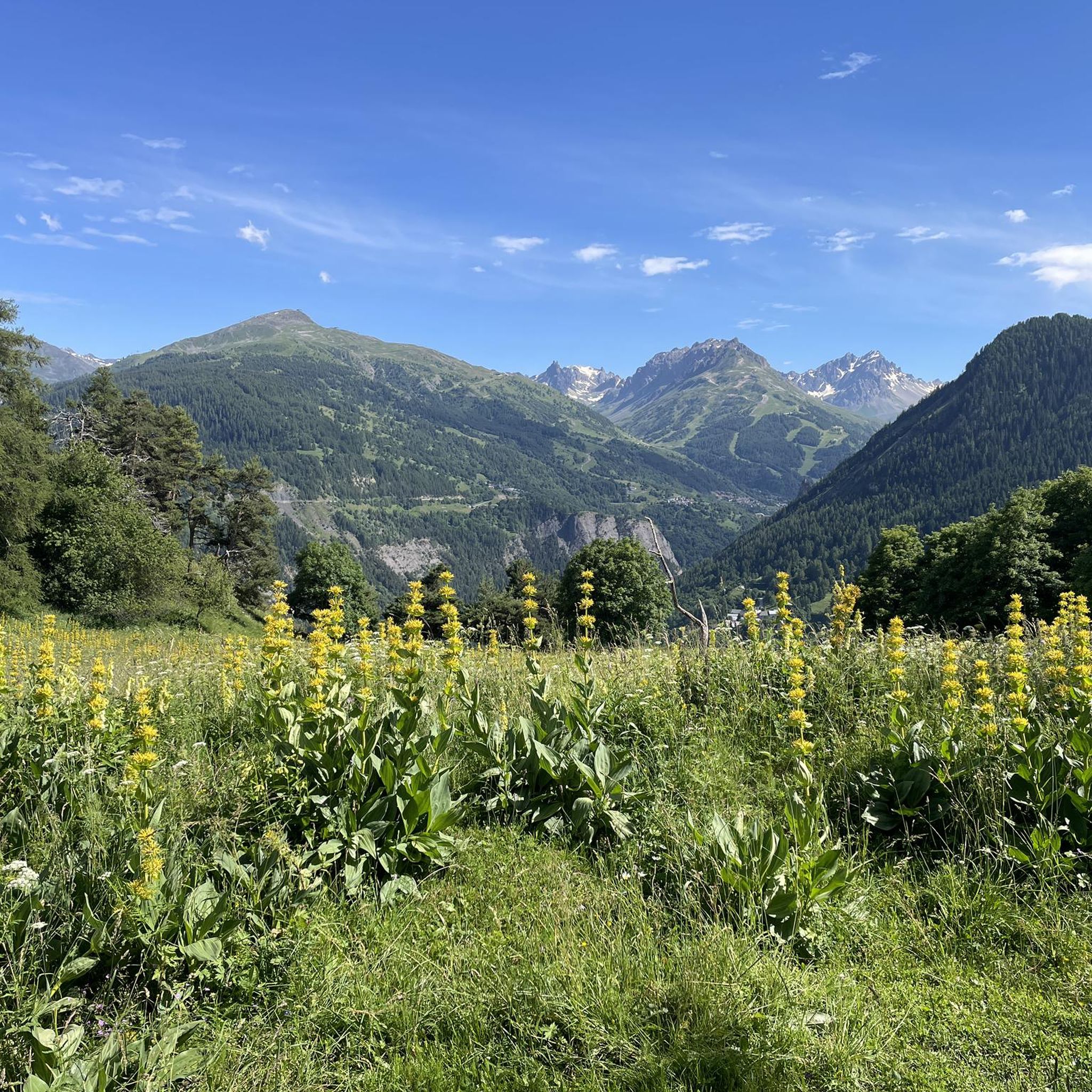
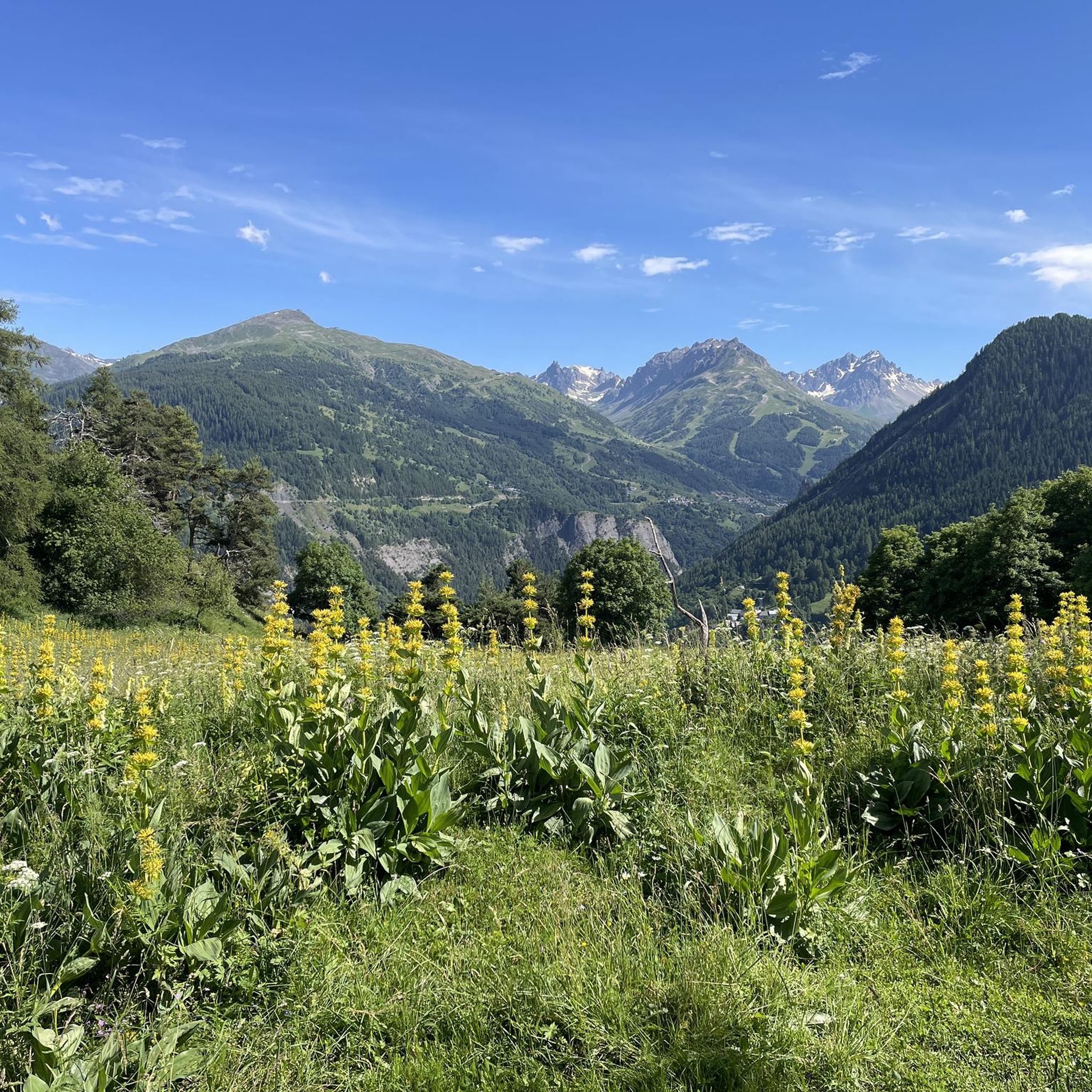
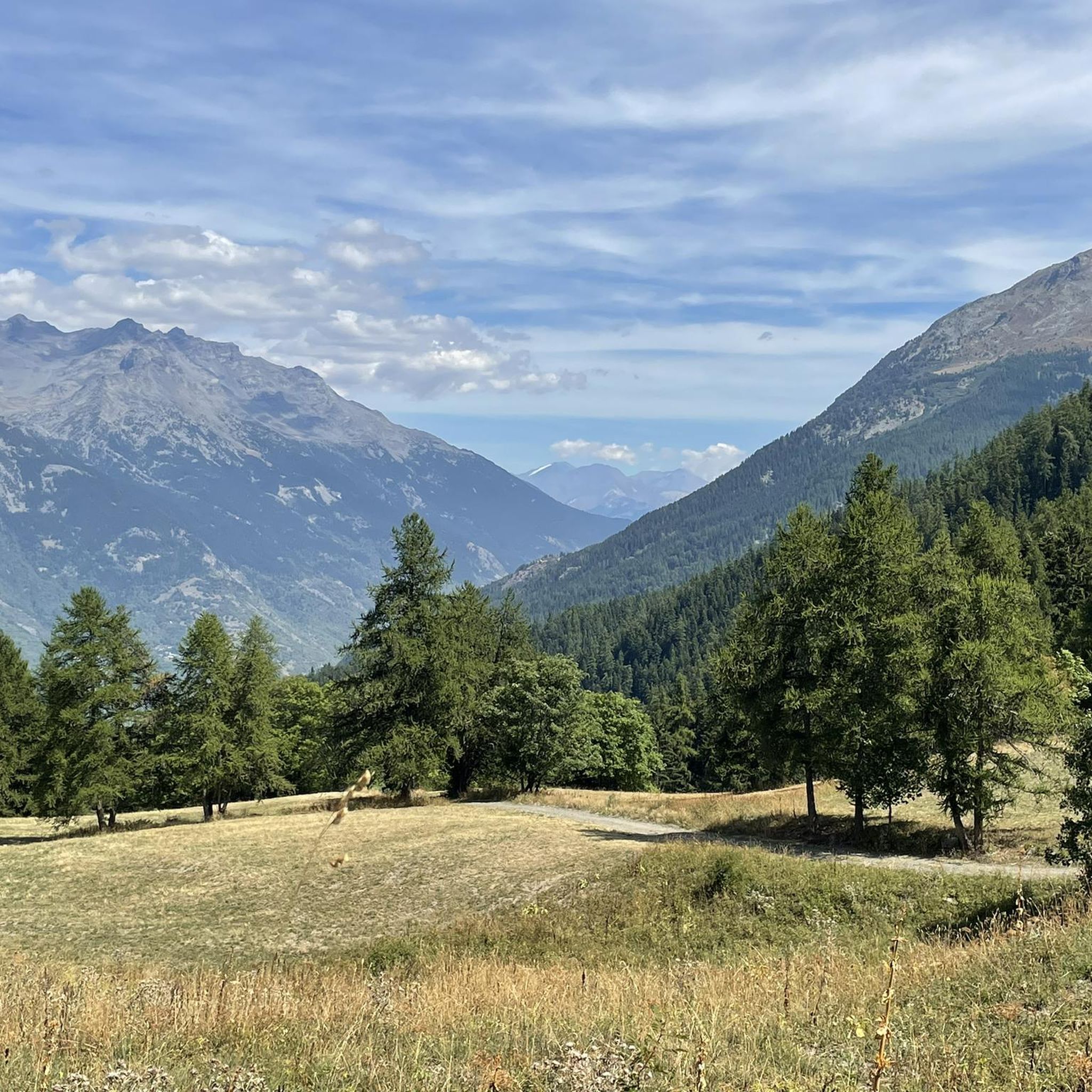
The Col d’Arves, perched at an altitude of 2,100 metres, offers a breathtaking panorama of the majestic Aiguilles d'Arves and the surrounding Alpine peaks. This Alpine pass, accessible by hiking trails, is a privileged place for mountain lovers in search of tranquility and grandiose landscapes. The alpine meadows and green valleys that stretch as far as the eye can see contrast with the snow-capped peaks.
1
0

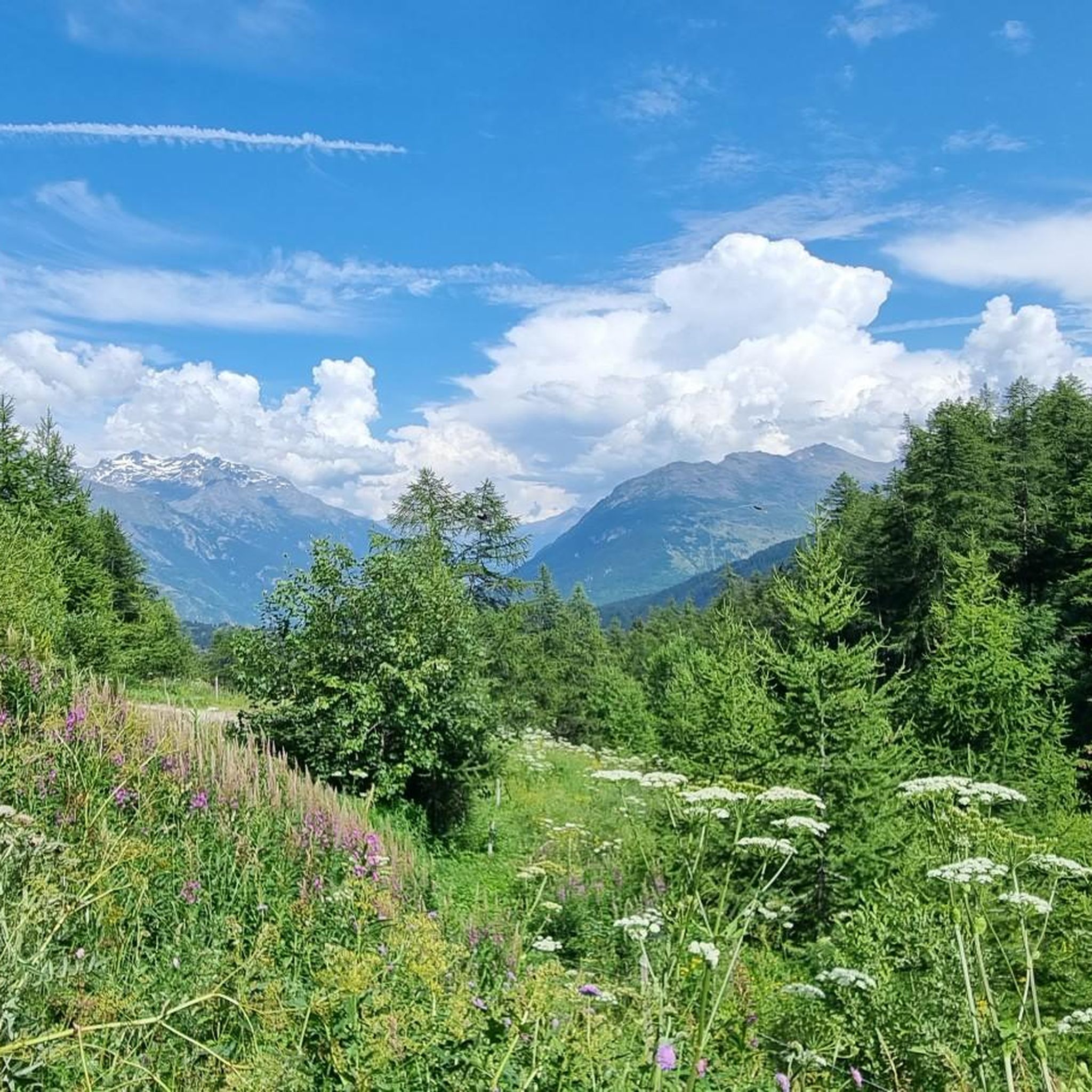
The Col du Télégraphe is the eternal 'little brother' of the famous and much higher Col du Galibier. This is the approach to the pass.
2
0
Frequently Asked Questions
What are some of the most scenic mountain passes in the Montricher-Albanne area?
The region offers several passes with stunning views. The Col d'Arves, perched at 2,100 meters, provides breathtaking panoramic views of the majestic Aiguilles d'Arves and surrounding Alpine peaks. The Mollard Pass also offers an 'awesome' view of the jagged Aiguilles d'Arves at 1,638 meters. Additionally, the Col du Sapey features a road winding along rock faces with great views and little traffic.
Which mountain passes are popular for cycling near Montricher-Albanne?
Cyclists frequently visit several passes in the wider Maurienne Valley. The Col du Télégraphe is a significant pass often tackled before the more challenging Col du Galibier. Other popular cycling destinations include the Col de Tougnète, which has a dedicated cycle path, and the famous Col de la Madeleine and Col du Glandon, both frequently featured in the Tour de France. You can find various cycling routes in the area, including those around the Cycling around Montricher-Albanne guide.
Are there mountain passes suitable for hiking around Montricher-Albanne?
Yes, several mountain passes are excellent for hiking. The Col d'Arves is accessible via hiking trails and is a tranquil spot for mountain lovers. You can explore various hiking routes that incorporate these passes, such as those found in the Hiking around Montricher-Albanne guide, which includes routes like the Lake Pramol loop and the Albanne Pass loop.
What are the highest mountain passes in the region?
While not directly in Montricher-Albanne, the nearby Col du Galibier reaches 2,642 meters and is one of the highest road passes in the Alps. Further afield in the Maurienne Valley, the Col de l'Iseran is considered Europe's highest road pass at 2,764 meters, offering spectacular high-altitude scenery.
Do any mountain passes near Montricher-Albanne have historical significance?
Yes, the Col du Télégraphe is named after a fort built there between 1885 and 1893, though the fort no longer exists. The Col du Mont Cenis, located on the border between France and Italy at 2,083 meters, is also historically significant as an important passageway through the Alps.
Can I find refreshments or facilities at the mountain passes?
At the Col du Télégraphe, the Relais du Télégraphe provides refreshments, supplies, and meals for visitors, making it a convenient stop during your journey.
When is the best time to visit the mountain passes around Montricher-Albanne?
The best time to visit is typically during the warmer months, from late spring to early autumn (roughly June to September), when the passes are free of snow and accessible. Roads to higher passes like the Col du Galibier are typically closed during winter due to snow.
Are there challenging mountain passes for experienced cyclists or hikers?
Absolutely. The Col du Sapey offers a strenuous climb with sections reaching up to 25% gradient, making it a rewarding experience for those seeking a challenge. The Col du Galibier is also renowned for its demanding sections. For cyclists, the Col de Tougnète presents a challenging climb with an average gradient of 8.5% over 8.35 kilometers.
What outdoor activities can I do near these mountain passes?
Beyond cycling and hiking, the Montricher-Albanne area offers various outdoor activities. You can explore mountain biking trails, with options ranging from moderate to difficult, as detailed in the MTB Trails around Montricher-Albanne guide. The diverse terrain provides opportunities for different levels of adventure.
Are there any less crowded mountain passes to explore?
The Mollard Pass is often described as being off the main routes and more of a secret, especially when approached from Villargondran with its quiet, scenic climb. The Col du Sapey also features very little traffic, offering a more serene experience.
What kind of terrain can I expect on the mountain passes around Montricher-Albanne?
The terrain varies significantly. You'll find winding roads along rock faces, challenging ascents with steep gradients, and dedicated cycle paths. For hikers, there are trails leading through alpine meadows and green valleys, contrasting with snow-capped peaks, particularly around the Col d'Arves.
Most popular routes around Montricher-Albanne
Most popular attractions around Montricher-Albanne

Get inspired with the komoot mobile app


Explore more
See even more epic mountain passes by checking out these guides around Montricher-Albanne:
