The best road cycling routes around Dolus-D'Oléron
4.2
(203)
4,439
riders
16
rides
Road cycling routes around Dolus-D'Oléron are characterized by the predominantly flat terrain of the Île d'Oléron, making it accessible for various skill levels. The region features an extensive network of dedicated cycle paths, winding through diverse landscapes. Cyclists encounter coastal stretches, salt marshes, and pine forests, with minimal elevation changes across the island.
Best road cycling routes around Dolus-D'Oléron
- The most popular road cycling route is Tour of the Île d'Oléron, a 40.8 miles (65.7 km) moderate trail that…
Last updated: October 19, 2026
4.0
(4)
96
riders
65.7km
02:31
110m
110m
Moderate road ride. Good fitness required. Mostly well-paved surfaces and easy to ride.
4.6
(5)
199
riders
82.1km
03:16
230m
230m
Moderate road ride. Good fitness required. Mostly well-paved surfaces and easy to ride.

3.8
(4)
64
riders
Moderate road ride. Good fitness required. Some segments of this route may be unpaved and difficult to ride.
4.5
(2)
57
riders
32.0km
01:29
60m
60m
Moderate road ride. Some segments of this route may be unpaved and difficult to ride.
4.0
(1)
55
riders
40.0km
01:58
80m
80m
Moderate road ride. Some segments of this route may be unpaved and difficult to ride.
Get access to more routes and recommendations from other explorers.
Already have an account?
Our route recommendations are based on thousands of hikes, rides, and runs completed by other people on komoot.
Start today with a free account
Your next adventure awaits.

Tips from the Community


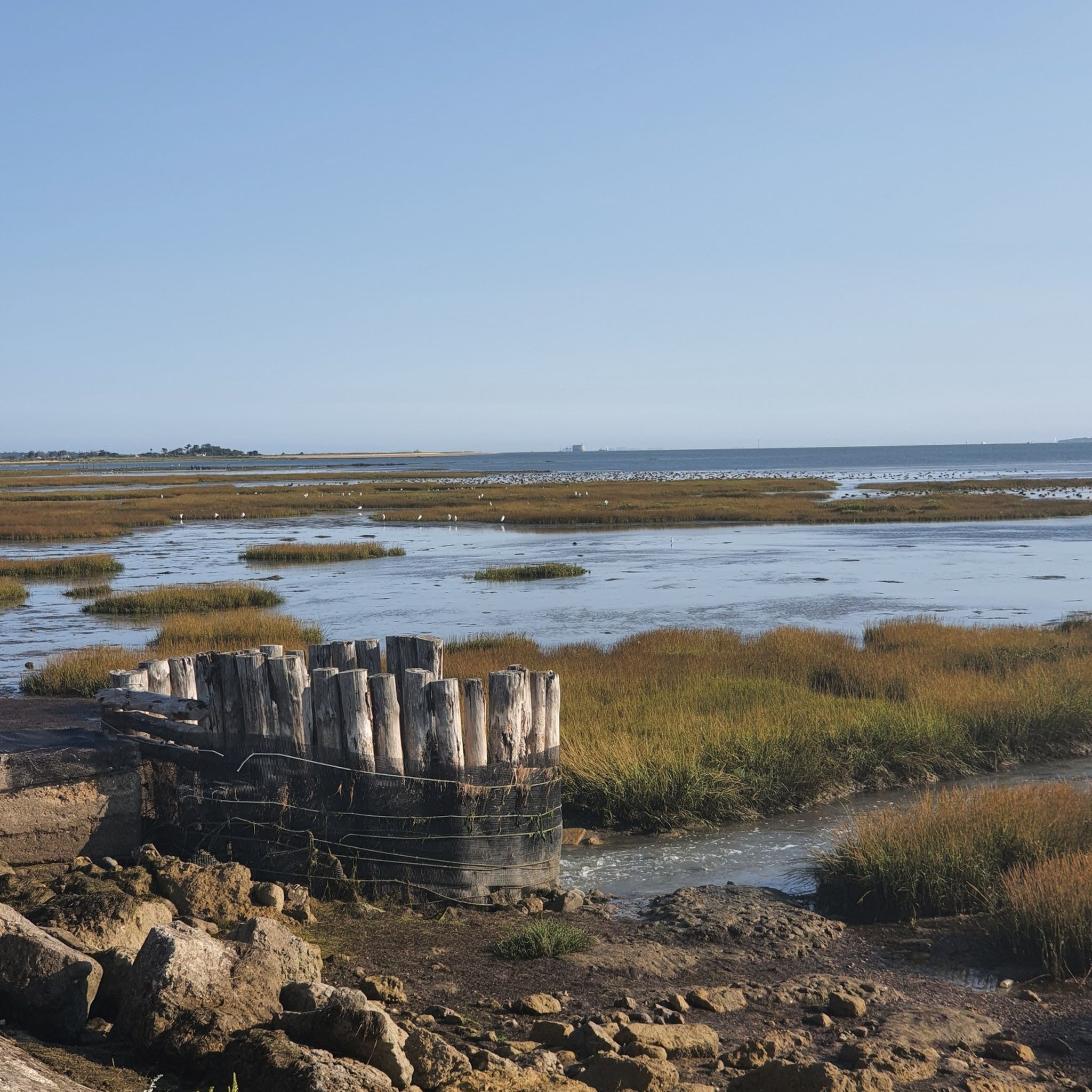
The port of Douhet, located in the commune of Saint-Georges-d’Oléron, is today a pleasant marina, but its history is intimately linked to the salt and wine trade. Origins Until the 19th century, the region's products (notably salt from the salt marshes and wine from Oléron) were difficult to transport by sea. To remedy this, a vast project was launched in the 1840s: a channel over 3 km long was dug between Saint-Georges-d’Oléron and the ocean, opening onto the new port of Douhet. An active commercial port The port quickly became an export center: * barges loaded salt and wine barrels there; * boats also brought building materials and various goods intended for the island. In the 1870s, there were around 400 ship movements per year, with several thousand tons of goods imported and exported. The decline At the end of the 19th century, several factors led to its decline: * the gradual abandonment of the salt marshes; * the improvement of roads and then the arrival of the tram on the island; * the regular silting up of the channel. After the First World War, the channel silted up almost completely and commercial traffic gradually disappeared. The revival In the late 1980s, the basin was completely rehabilitated and transformed into a marina. It now accommodates around 350 to 400 boats and is one of the main marinas on the island of Oléron. Its location, in the cove of Malconche, offers a remarkable view of Fort Boyard and the Île d’Aix. The old channel, although no longer navigable to the village, continues to supply seawater to the old salt marshes and today constitutes a pleasant walking or cycling route. It is a place where the traces of Oléron's maritime past can still be read in the landscape: the quays, the bridge, the channel, and the old hydraulic structures bear witness to the era when salt was the island's main wealth.
0
0

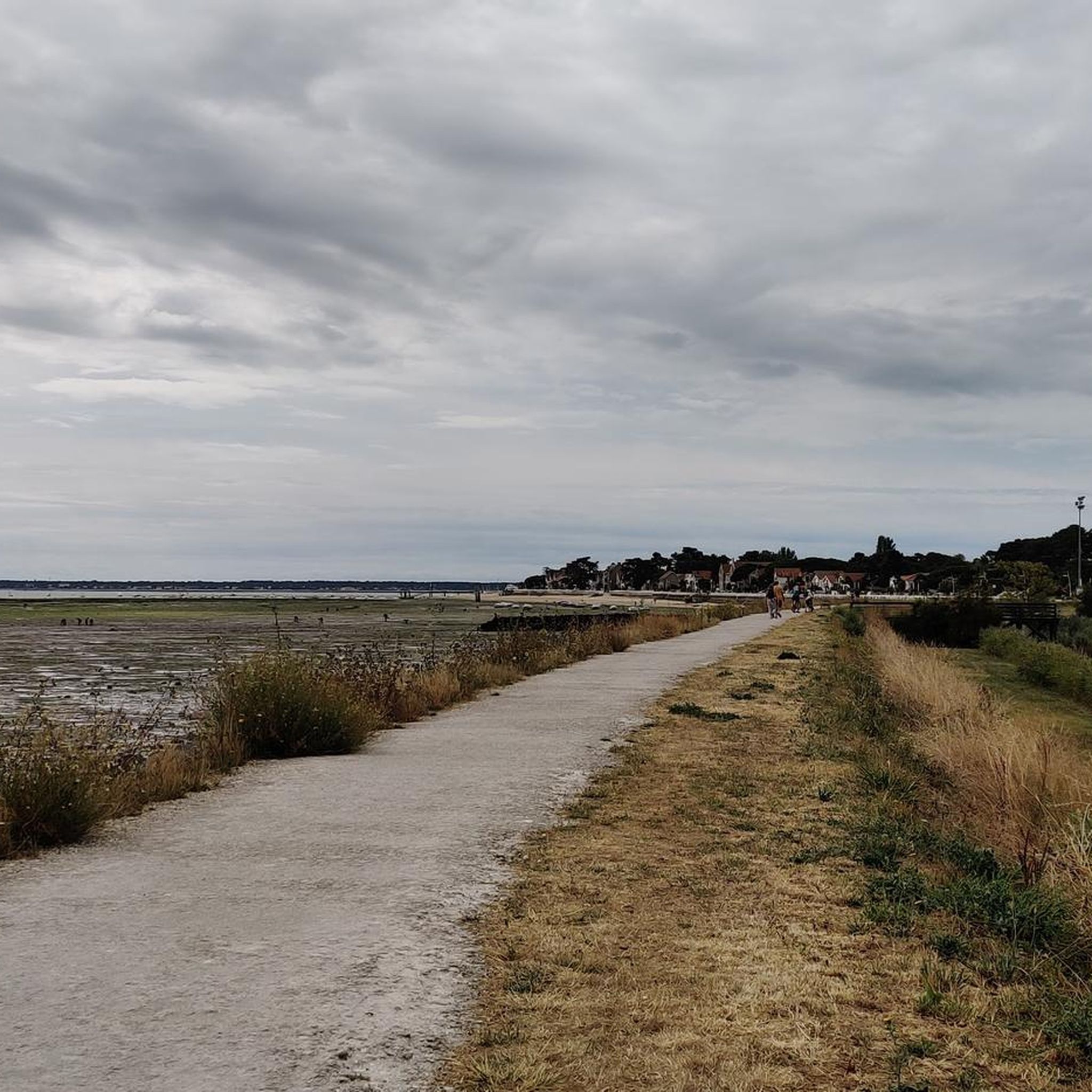
The view of the fort from the bridge is striking despite the grey weather this morning.
0
0


A unique and peaceful spectacle.
0
0
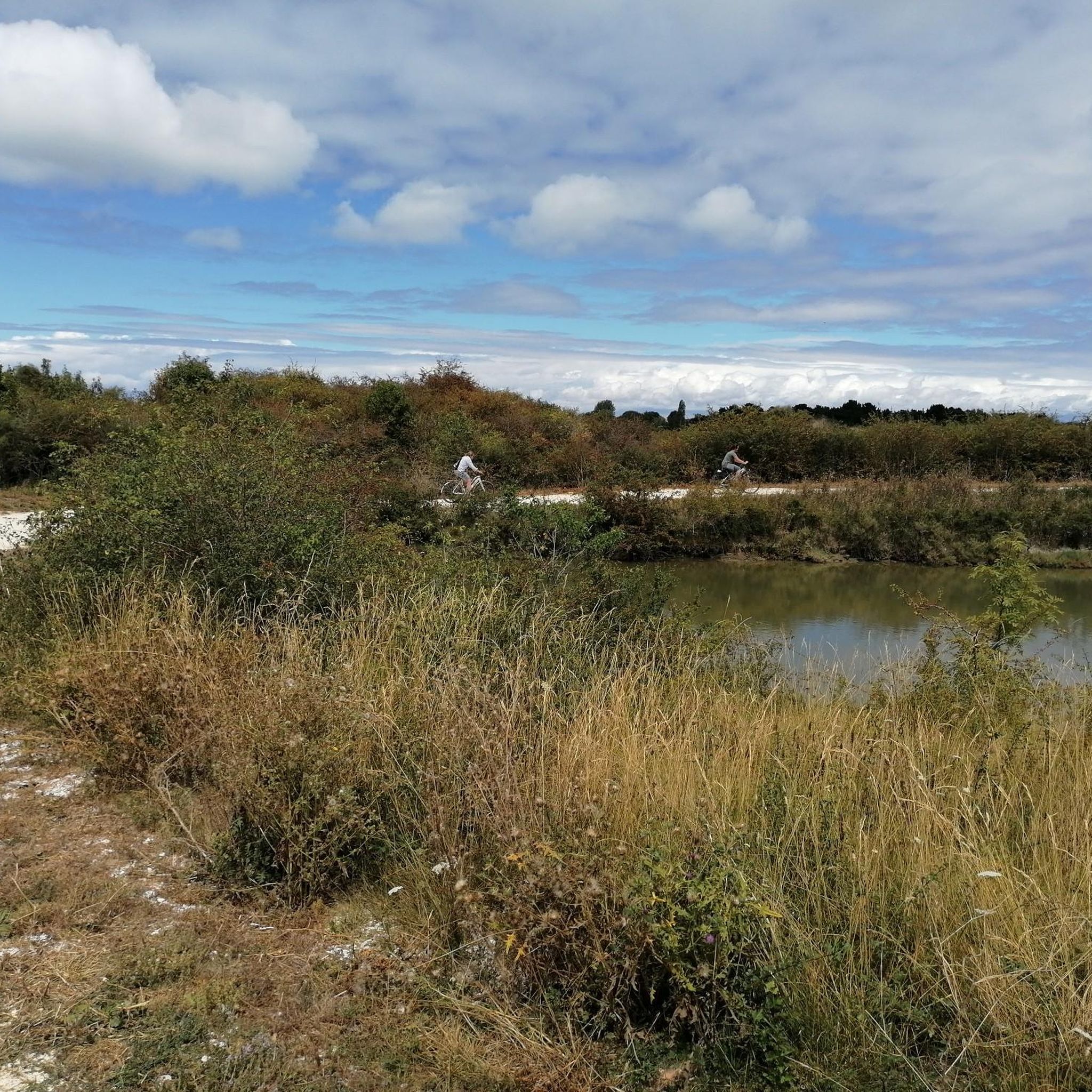
Enjoy cycling in this remarkable dune forest, covering almost 700 hectares. It's the result of a large-scale reforestation campaign in the 19th century, aimed at halting the dune advance, which was gradually encroaching on villages.
1
0
Frequently Asked Questions
How many road cycling routes are available around Dolus-D'Oléron?
Dolus-D'Oléron offers a wide array of road cycling options, with over 80 routes available on komoot. These are part of the Île d'Oléron's extensive network, boasting over 160 kilometers of dedicated cycle paths across the island.
What is the typical terrain like for road cycling in Dolus-D'Oléron?
The terrain around Dolus-D'Oléron and the Île d'Oléron is predominantly flat, making it accessible for cyclists of all abilities. You'll experience minimal elevation changes, allowing for enjoyable and leisurely rides through diverse landscapes.
Are there any easy road cycling routes suitable for beginners or families?
Yes, the flat terrain makes many routes suitable for beginners and families. Komoot lists 16 easy routes. While specific family-friendly routes aren't detailed here, the island's well-developed and signposted infrastructure is designed for enjoyable rides for everyone.
What kind of scenic views can I expect along the road cycling routes?
Cyclists can expect diverse and beautiful scenery. Routes often follow the Atlantic coastline, offering magnificent ocean views and access to sandy beaches. You'll also cycle through sparkling salt marshes, past traditional oyster farms, and into tranquil pine forests. Distant views of iconic landmarks like Fort Boyard are also common.
Are there any circular road cycling routes around Dolus-D'Oléron?
Yes, many routes are designed as loops. A popular option is the Tour of the Île d'Oléron, a 40.8-mile (65.7 km) route that circles the entire island, offering varied coastal and inland views. Another great choice is the Oyster farms loop from Dolus-d'Oléron, guiding you through traditional oyster farms and scenic salt marshes.
What interesting landmarks or attractions can I see while cycling?
You can explore several interesting landmarks. Consider cycling past the historic Château-d'Oléron Citadel, or the picturesque Baudissière Huts, some of which are now artists' studios. The Chenal du Douhet also offers scenic views. Many coastal routes provide impressive distant views of Fort Boyard.
Where can I find parking for my car when starting a cycling route?
While specific parking locations aren't detailed here, the Île d'Oléron is well-equipped for cyclists. During peak season, cycling is often recommended to avoid traffic congestion, implying that parking facilities are available, particularly in towns and near popular starting points for routes.
Is bike rental available in Dolus-D'Oléron?
Yes, bike rental is widely available in Dolus-D'Oléron and across the Île d'Oléron. This makes it convenient for visitors who wish to explore the island's extensive cycling network without bringing their own equipment.
What do other road cyclists enjoy most about road cycling in Dolus-D'Oléron?
The area is highly rated by the komoot community, with an average score of 4.4 stars from over 50 reviews. Cyclists often praise the diverse landscapes, from coastal paths to salt marshes and pine forests, and the extensive network of well-maintained cycle paths that cater to various ability levels.
Are there routes that pass through the famous oyster farming areas?
Absolutely. The island is renowned for its oyster farming. Routes like the Baudissière Huts – Boyardville fishing harbor loop from Dolus-d'Oléron will take you through areas with traditional oyster farms and the colorful Baudissière channel, offering opportunities to stop at oyster huts for fresh tastings.
Can I cycle through pine forests for shaded routes?
Yes, the island features beautiful pine forests that provide shaded and tranquil riding experiences. The Saumonards forest near Boyardville and the forest around Saint-Trojan are notable examples where you can enjoy cooler, more serene cycling.
What is the best time of year to go road cycling in Dolus-D'Oléron?
The Île d'Oléron is generally pleasant for cycling for much of the year. The well-developed cycling infrastructure and diverse landscapes make it enjoyable, though specific seasonal recommendations would depend on personal preference for weather and crowd levels.
Most popular routes around Dolus-D'Oléron
Most popular attractions around Dolus-D'Oléron

Get inspired with the komoot mobile app


Explore more
Browse the best Road cycling routes in other regions.
