Attractions and Places To See around Saint-Pierre-D'Oléron - Top 20
Best attractions and places to see around Saint-Pierre-D'Oléron include a diverse range of historical landmarks, cultural sites, and natural features. As the main town of Île d'Oléron, it serves as a central point for exploring the island's heritage and landscapes. Visitors can discover sites related to the island's history, traditional trades, and unique natural environments. The area offers opportunities for exploring coastal areas, salt marshes, and forests.
Best attractions and places to see around Saint-Pierre-D'Oléron
- The most popular attractions is…
Last updated: August 30, 2026
Port of Douhet
Highlight • Other
Translated by Google •
Tip by

Chenal du Douhet
Highlight • Other
Translated by Google •
Tip by

Sign up now to discover places like this
Get recommendations on the best single tracks, peaks, & plenty of other exciting outdoor places.
Sign up for free
Château-d'Oléron Citadel
Highlight • Castle
Translated by Google •
Tip by

Saumonards State Forest
Highlight • Forest
Translated by Google •
Tip by

La Brée Mill
Highlight • Monument
Translated by Google •
Tip by
Sign up for free to discover even more attractions around Saint-Pierre-D'Oléron.
Sign up for free
Already have an account?
Start today with a free account
Your next adventure awaits.
Login or Signup

Tips from the Community


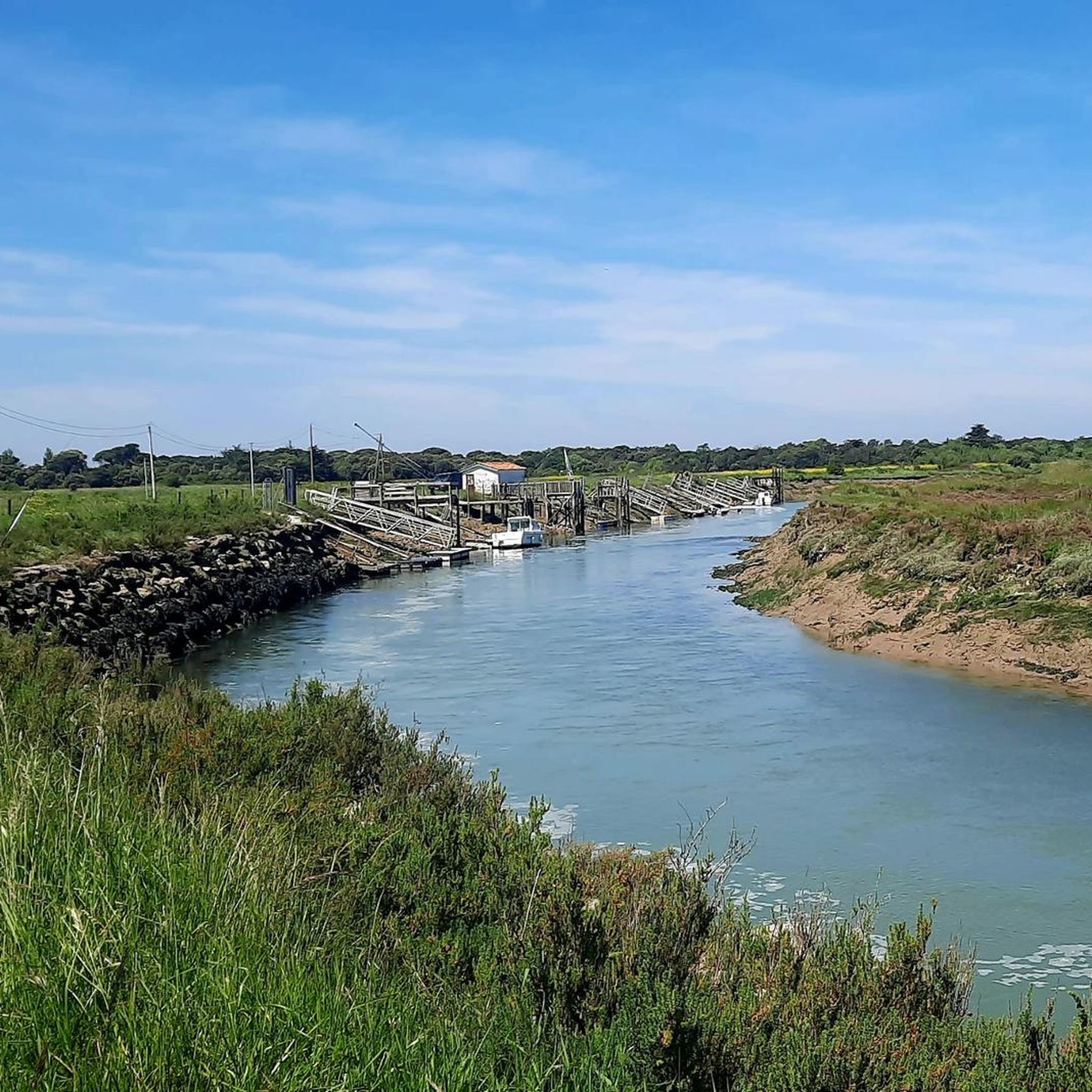
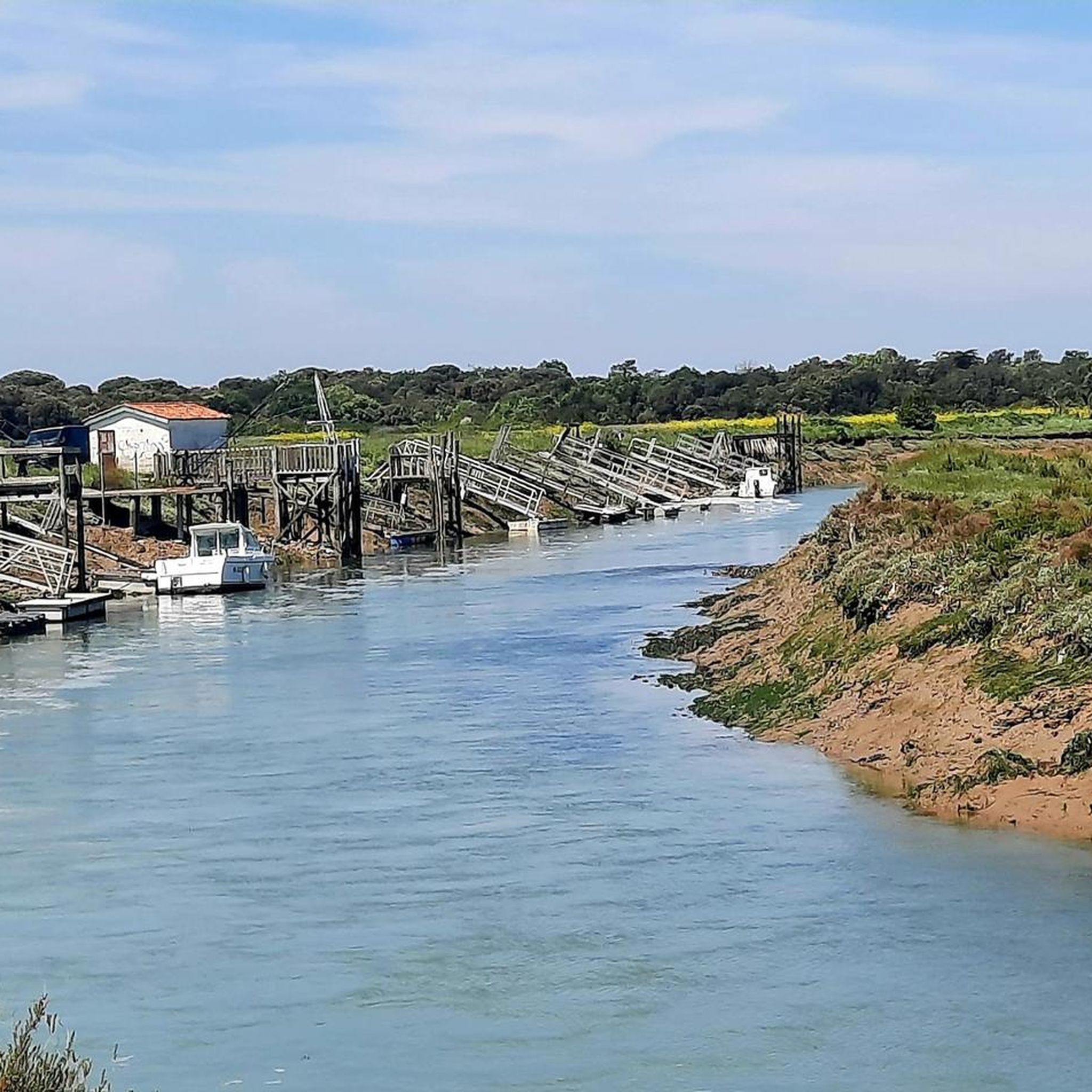
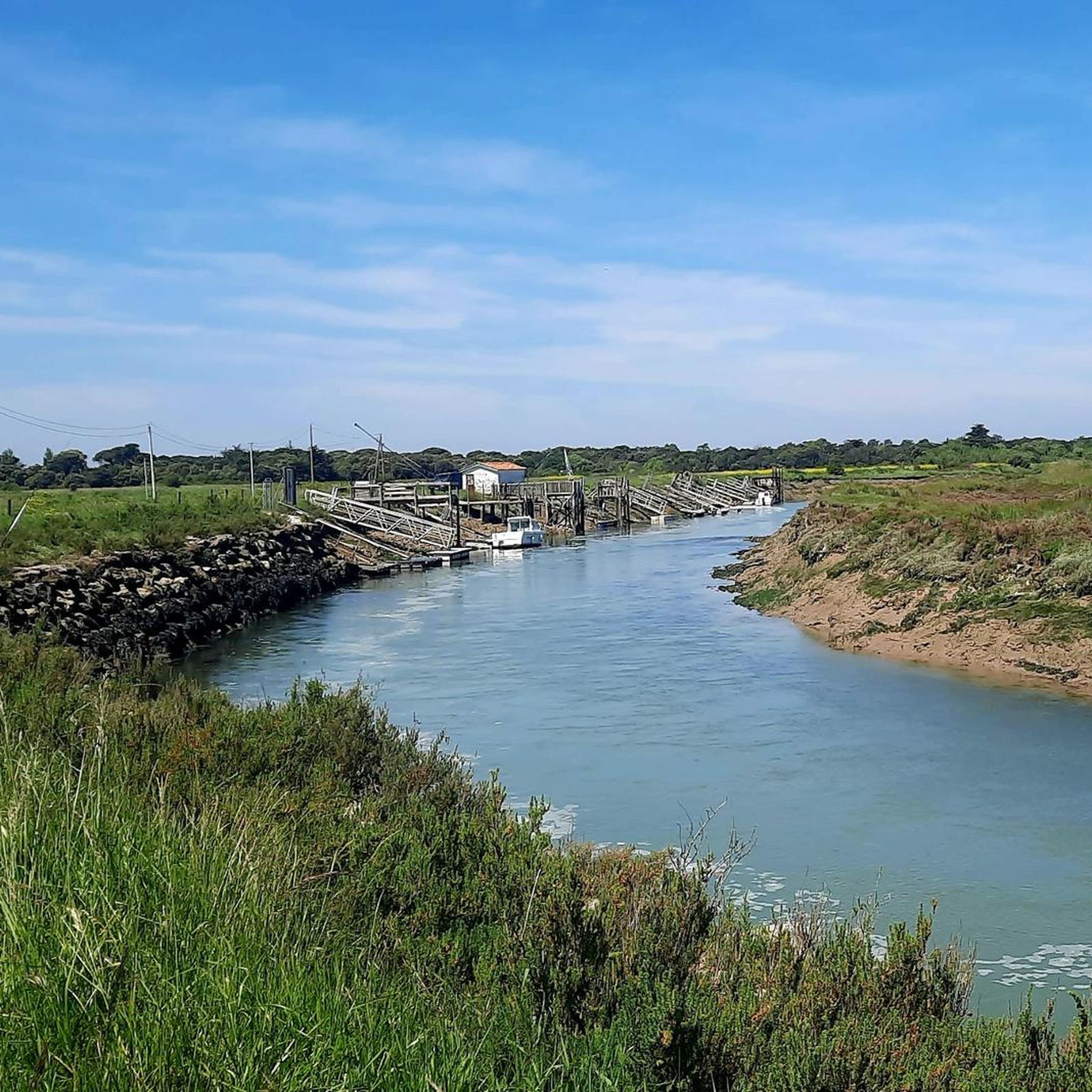
The port of Douhet, located in the commune of Saint-Georges-d’Oléron, is today a pleasant marina, but its history is intimately linked to the salt and wine trade. Origins Until the 19th century, the region's products (notably salt from the salt marshes and wine from Oléron) were difficult to transport by sea. To remedy this, a vast project was launched in the 1840s: a channel over 3 km long was dug between Saint-Georges-d’Oléron and the ocean, opening onto the new port of Douhet. An active commercial port The port quickly became an export center: * barges loaded salt and wine barrels there; * boats also brought building materials and various goods intended for the island. In the 1870s, there were around 400 ship movements per year, with several thousand tons of goods imported and exported. The decline At the end of the 19th century, several factors led to its decline: * the gradual abandonment of the salt marshes; * the improvement of roads and then the arrival of the tram on the island; * the regular silting up of the channel. After the First World War, the channel silted up almost completely and commercial traffic gradually disappeared. The revival In the late 1980s, the basin was completely rehabilitated and transformed into a marina. It now accommodates around 350 to 400 boats and is one of the main marinas on the island of Oléron. Its location, in the cove of Malconche, offers a remarkable view of Fort Boyard and the Île d’Aix. The old channel, although no longer navigable to the village, continues to supply seawater to the old salt marshes and today constitutes a pleasant walking or cycling route. It is a place where the traces of Oléron's maritime past can still be read in the landscape: the quays, the bridge, the channel, and the old hydraulic structures bear witness to the era when salt was the island's main wealth.
0
0

Renovated, always in operation and possibility to visit
0
0

The citadel of Château-d'Oléron is a military fortress
0
0

Enjoy cycling in this remarkable dune forest, covering almost 700 hectares. It's the result of a large-scale reforestation campaign in the 19th century, aimed at halting the dune advance, which was gradually encroaching on villages.
1
0

A must-see for anyone visiting the island of Oléron. Richelieu ordered its construction, which began in 1630 on the remains of the old medieval castle. The work was led by the engineer Pierre d'Argencourt, who ordered the first bastion, and Louis Nicolas de Clerville later modified and enlarged the structure. The citadel and the town were completed in 1700 under the orders of Vauban. During this final phase of construction, part of the old village was razed to make way for a new fortified town, built on a grid pattern around the parade ground. A fortress with a defensive function, the citadel also housed disciplinary bodies, civilian and religious inmates during the Reign of Terror, and political prisoners in 1870. On April 17, 1945, an aerial bombardment destroyed many parts of the citadel. From 1959 to 1970, an initial restoration began. The stronghold was restored from 1988.
1
0
The port of Douhet is essentially the mouth of the Douhet Canal. There are several nice restaurants nearby.
1
0
Frequently Asked Questions
What historical and cultural sites can I explore in Saint-Pierre-D'Oléron?
Saint-Pierre-D'Oléron offers a rich history. You can visit the Museum of Île d'Oléron to learn about the island's heritage, climb the bell tower of Saint Peter's Church for panoramic views, and see the ancient La Lanterne des Morts. The 14th-century Château de Bonnemie also features beautiful grounds. Don't miss the imposing Château-d'Oléron Citadel, a significant historical site with an impressive fortress and charming fishermen's houses.
Where can I experience the natural beauty and unique landscapes of the island?
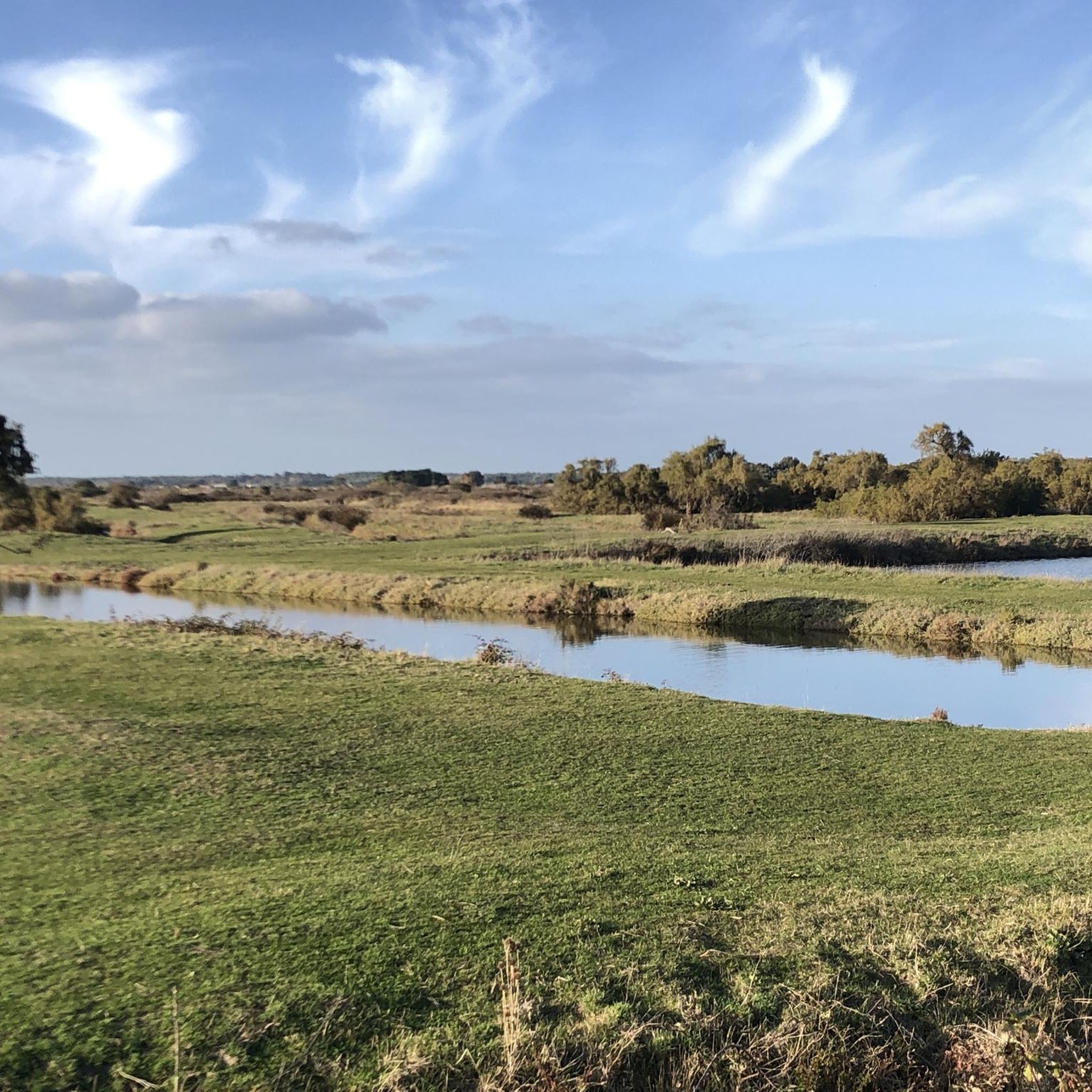
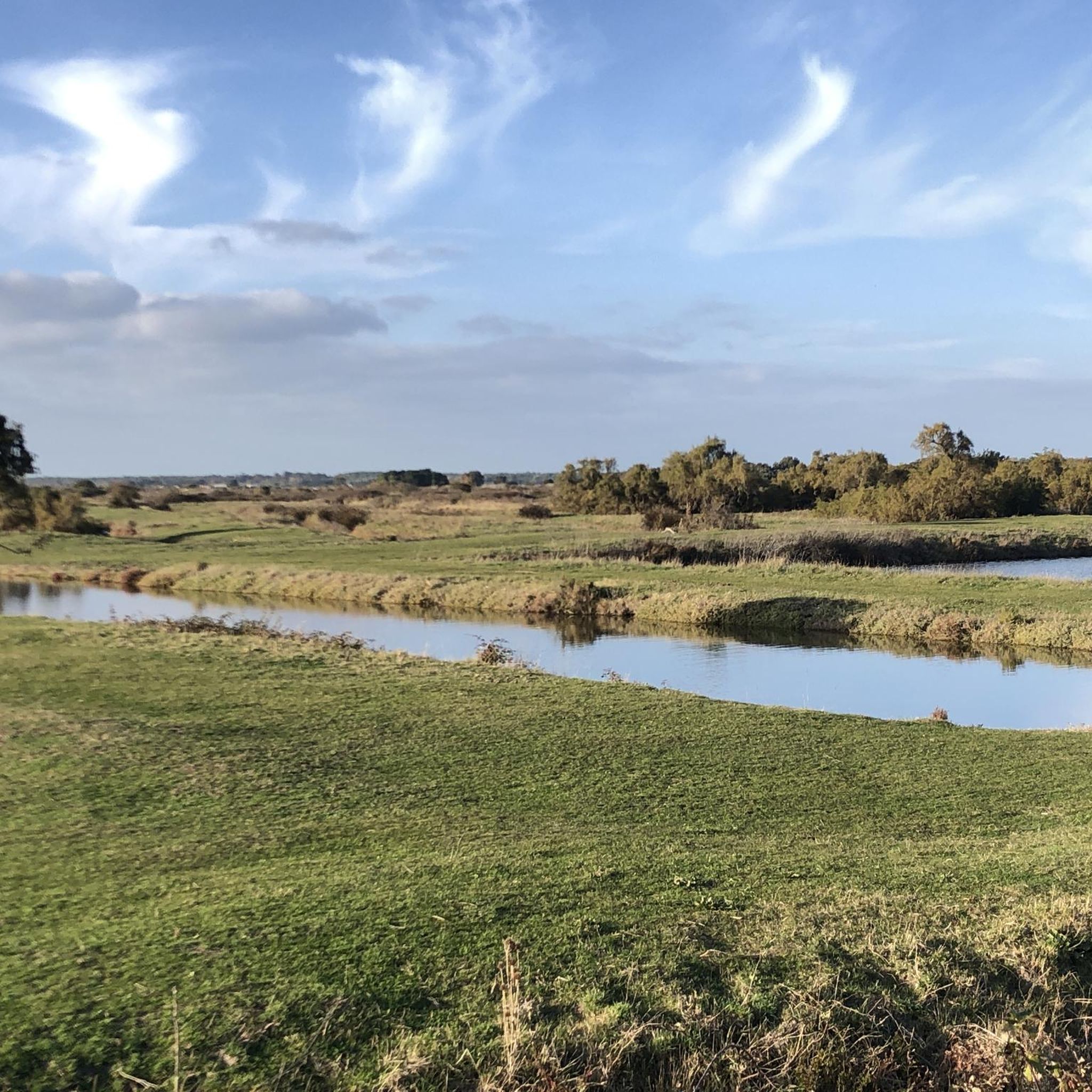
The region boasts diverse natural beauty. Explore the Port des Salines, an eco-museum dedicated to salt production, or visit the Fort Royer Oyster Site to learn about traditional oyster farming. The Pôle-Nature Marais aux Oiseaux is a nature reserve perfect for observing wildlife. For peaceful strolls, discover Les Jardins de la Boirie, or cycle through the extensive Saumonards State Forest. The Chenal du Douhet also offers picturesque marsh landscapes ideal for bike rides.
Are there family-friendly attractions suitable for children?
Yes, several attractions are great for families. The Museum of Île d'Oléron provides an accessible learning experience for all ages. Children will enjoy exploring the impressive Château-d'Oléron Citadel. The restored La Brée Mill offers insights into traditional milling and even allows you to sample products. The Pôle-Nature Marais aux Oiseaux is also a wonderful place for families to observe diverse wildlife.
What cycling opportunities are available near Saint-Pierre-D'Oléron?
Île d'Oléron is excellent for cycling. You can enjoy bike rides along the Chenal du Douhet, which features dedicated cycle paths. The Saumonards State Forest offers scenic trails through maritime pines. For more routes, explore the Cycling around Saint-Pierre-D'Oléron guide, which includes routes like the 'Saltworks Port – Greenway Along the Ocean Dike loop'.
Where can I find good walking or hiking trails?
The region offers various walking and hiking opportunities. The Saumonards State Forest provides nearly 700 hectares of trails through dune forests. The Eguille Marsh is another protected natural area ideal for walking. For more detailed options, check out the Running Trails around Saint-Pierre-D'Oléron guide, which features routes like the 'Saumonards State Forest – Saumonards State Forest loop'.
What is the Port de La Cotinière known for?
The Port de La Cotinière is the primary fishing port of Charente-Maritime and one of the most picturesque spots on the island. Visitors can witness colorful fishing boats, explore lively quays with shops and restaurants, and even attend the fish auction, especially during the summer months.
Are there any unique architectural or historical structures to see?
Beyond the main church and citadel, you can visit La Brée Mill, a restored 17th-century windmill that now houses a museum. The Kiosk, built in 1899, is also notable as the only municipal brass band kiosk in any of the island's villages. Additionally, Fort Louvois is a historic fort accessible at low tide or by ferry, offering views of the coastal areas.
What are the colorful Baudissière Huts and what can I do there?
The Baudissière Huts are very photogenic, colorful cottages. They often house artists and craftsmen, making them a great place to find local artisanal crafts and souvenirs. You can also enjoy fresh seafood and oysters at restaurants in the area, such as the famous 'Chez Mamelou'.
What do visitors enjoy most about the attractions around Saint-Pierre-D'Oléron?
Visitors frequently appreciate the blend of historical significance and natural beauty. The imposing fortress and charming fishermen's houses of Château-d'Oléron Citadel are highly rated. The picturesque setting of Chenal du Douhet, with its marsh landscapes and cycling paths, is also a favorite. Many enjoy the opportunity to explore unique sites like the restored La Brée Mill and the vibrant Baudissière Huts.
Can I learn about the island's traditional industries?
Absolutely. The Port des Salines is an excellent eco-museum where you can delve into the island's history of salt production, which is still a thriving industry. You can learn about the process, explore colorful salt farmers' houses, and even take boat trips through the marshes. Additionally, the Fort Royer Oyster Site offers insights into traditional oyster farming, complete with guided tours and tastings.
Are there any places to see wildlife or nature reserves?
Yes, the Pôle-Nature Marais aux Oiseaux is a 10-hectare nature reserve where you can observe diverse wildlife, including wild and domestic animals, across various habitats. It also serves as a conservation facility for distressed wild birds. The Eguille Marsh is another protected natural area, offering a unique environment where land and sea converge, ideal for observing local flora and fauna.
Most popular routes around Saint-Pierre-D'Oléron

Get inspired with the komoot mobile app


Explore more
Still not found the Highlight you’re looking for? See guides of the top attractions in other regions:
