Attractions and Places To See around Sully-Sur-Loire - Top 20
Best attractions and places to see around Sully-Sur-Loire include historical sites and natural features along the River Loire. This charming town in the Loiret department is known for its medieval architecture and rich history. The area offers a blend of cultural landmarks and picturesque natural environments, including a significant departmental nature reserve. Visitors can explore ancient fortresses, religious sites, and scenic riverbanks.
Best attractions and places to see around Sully-Sur-Loire
- The most popular attractions is Sully-sur-Loire Castle, a castle that is a UNESCO World Heritage site and a prominent example of medieval architecture. This fortified castle, with construction dating back to 1396, features imposing towers, moats, and conical roofs.
- Another must-see spot is Basilica of Saint Benedict at Fleury, a religious site that houses a community of monks and the relics of Saint Benedict. This 11th-century abbey can be visited outside of services.
- Visitors also love Châteauneuf-sur-Loire Bridge, a bridge offering scenic views over the Loire River. It is known for its illuminations, with different colors depending on the time of year.
- Sully-Sur-Loire is known for its historical castles, religious sites, and natural river landscapes. The region offers a variety of attractions to explore, from ancient fortresses to scenic viewpoints and cycling routes.
- The attractions around Sully-Sur-Loire are appreciated by the komoot community, with more than 600 upvotes and 300 photos shared across 6 highlights.
Last updated: August 26, 2026
Sully-sur-Loire Castle
Highlight • Castle
Translated by Google •
Tip by

Old railway bridge
Highlight • Bridge
Thanks to the work, cyclists can cross the Loire between Saint-Père-sur-Loire and Sully-sur-Loire in complete safety. Take your time to appreciate the magnificent views of the Château de Sully and the Loire!
Translated by Google •
Tip by

Sign up now to discover places like this
Get recommendations on the best single tracks, peaks, & plenty of other exciting outdoor places.
Sign up for free
Basilica of Saint Benedict at Fleury
Highlight • Other
Translated by Google •
Tip by
Dampierre-en-Burly Castle
Highlight • Castle
Translated by Google •
Tip by

Saint-Père-sur-Loire viaduct - former railway bridge
Highlight • Other
Thanks to the work, everyone can cross the Loire between Saint-Père-sur-Loire and Sully-sur-Loire in complete safety. Take your time to appreciate the magnificent views of the Château de Sully and the Loire!
Translated by Google •
Tip by
Sign up for free to discover even more attractions around Sully-Sur-Loire.
Sign up for free
Already have an account?
Start today with a free account
Your next adventure awaits.
Login or Signup
Popular around Sully-Sur-Loire
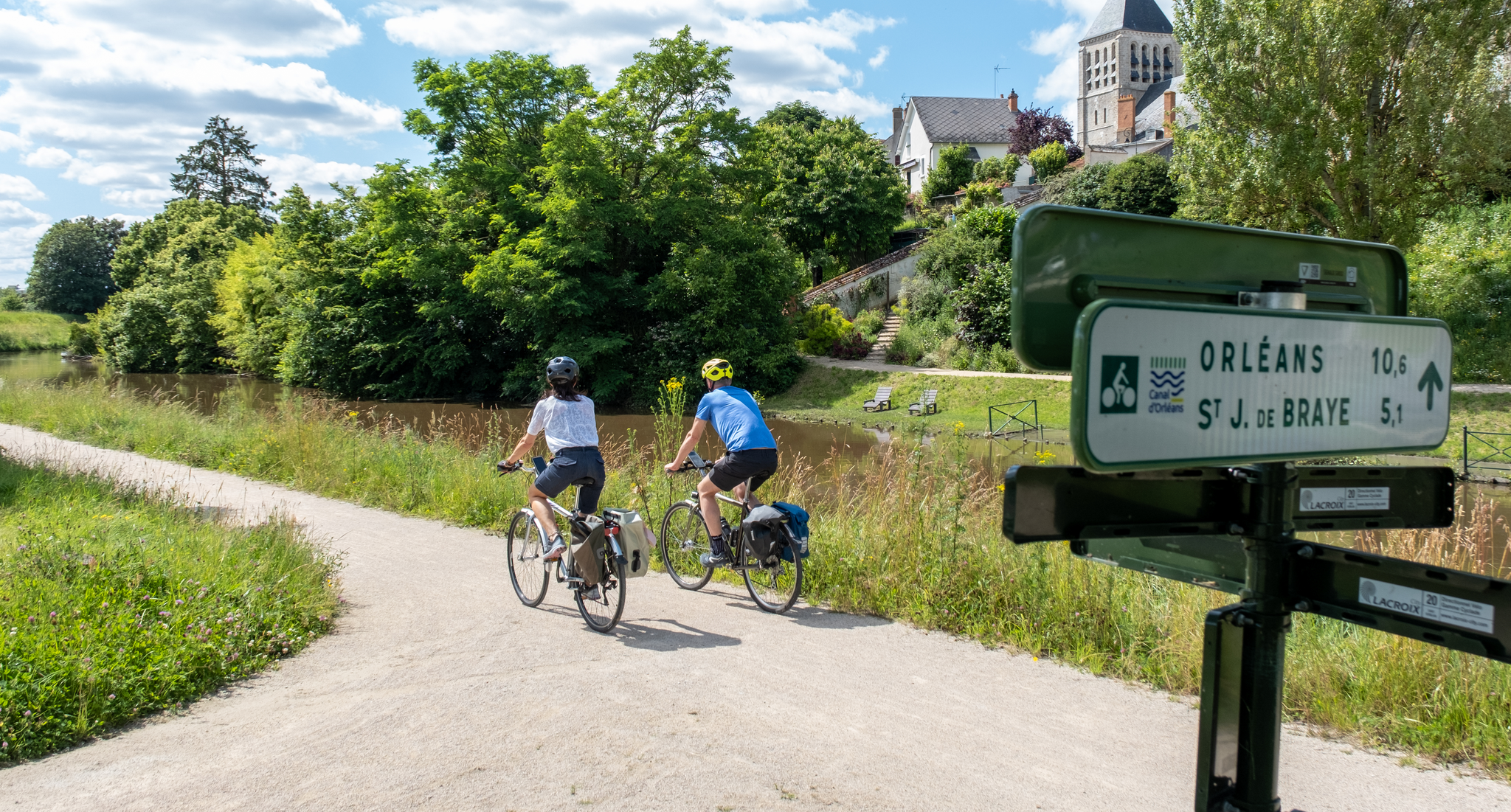
Loiret along the water — a loop from Orléans, Montargis or Briare
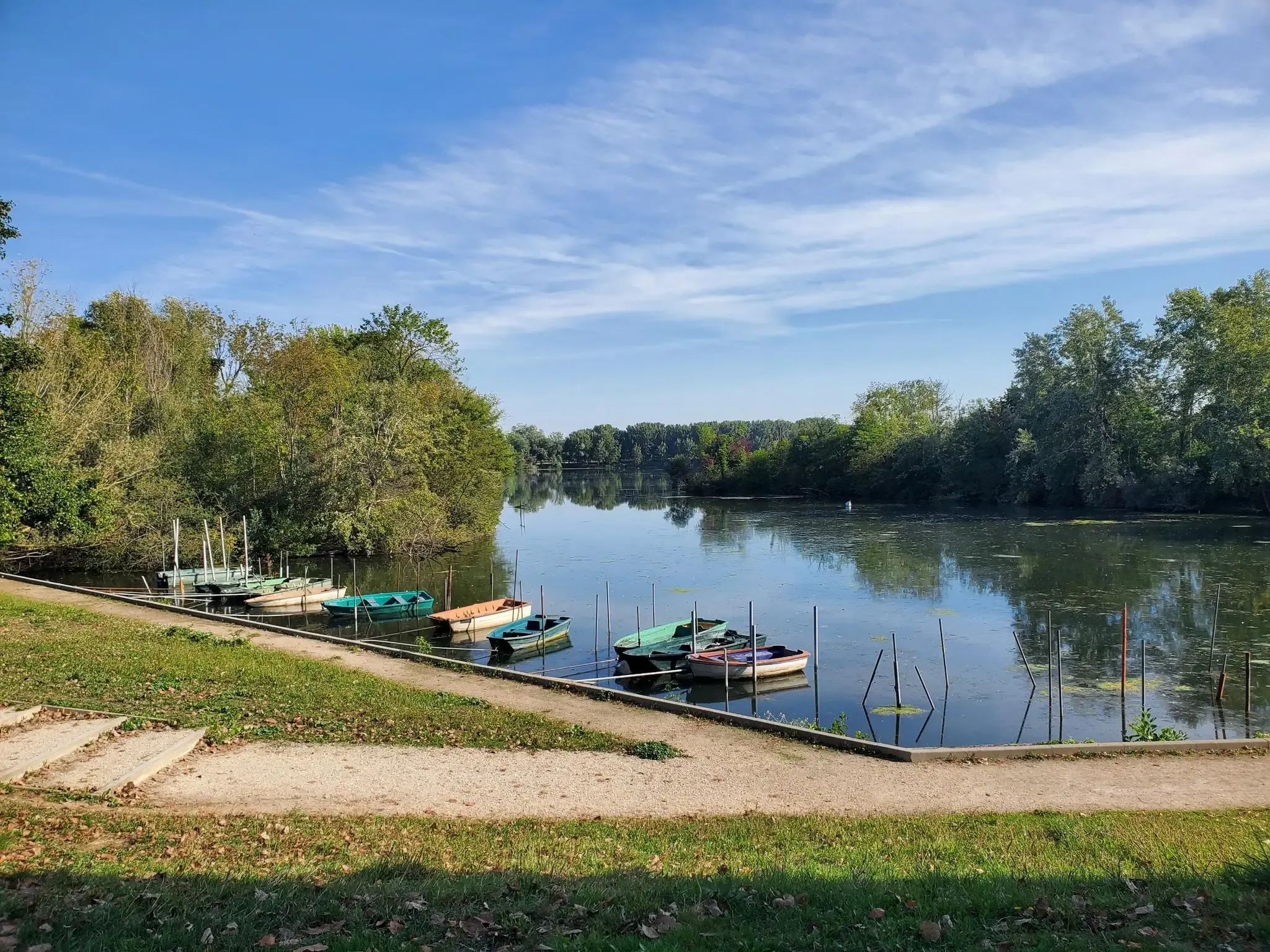
Cycle from Paris to Orléans – Scandibérique along the water
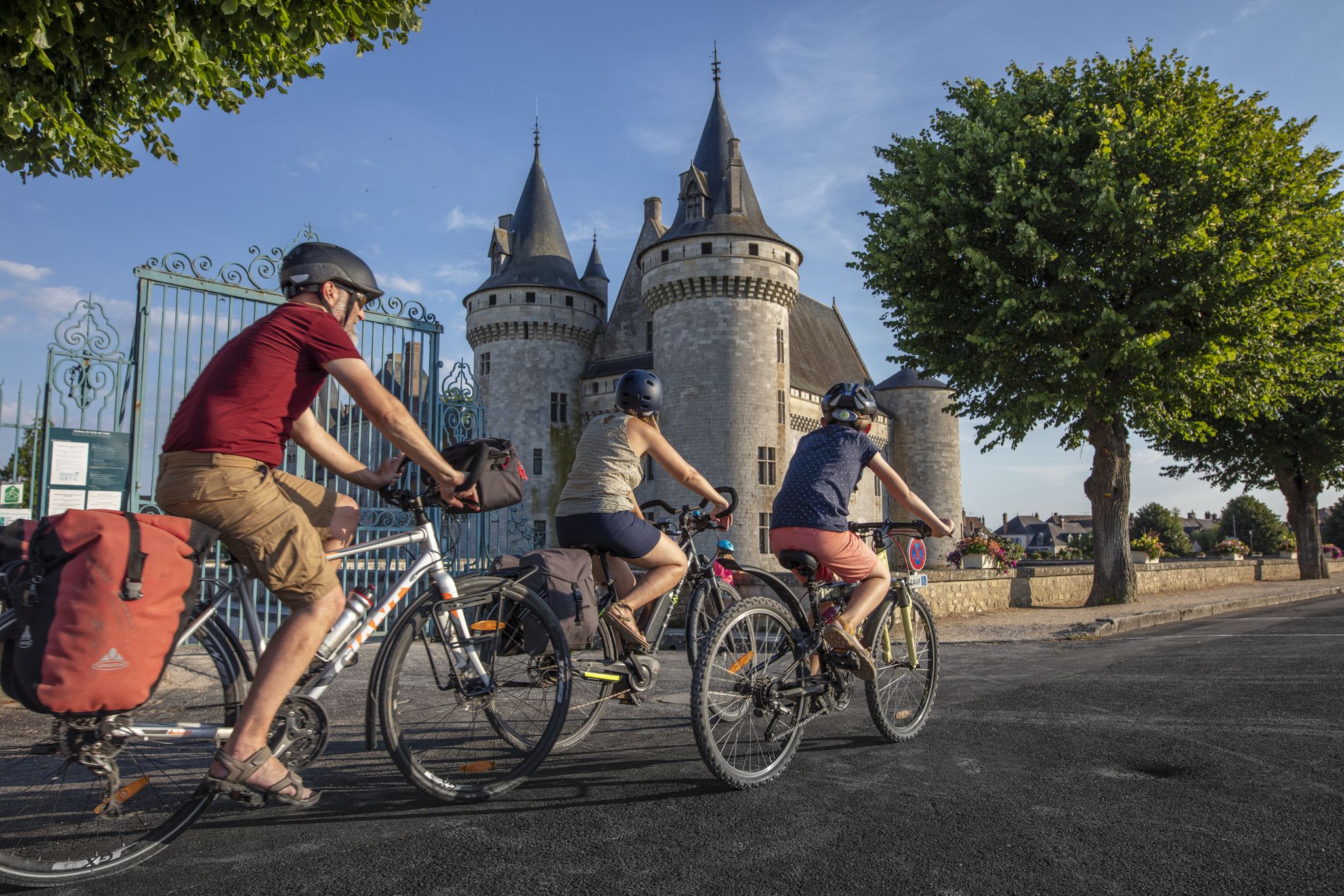
Explore the Loire Valley by bike — a family adventure in the Loiret
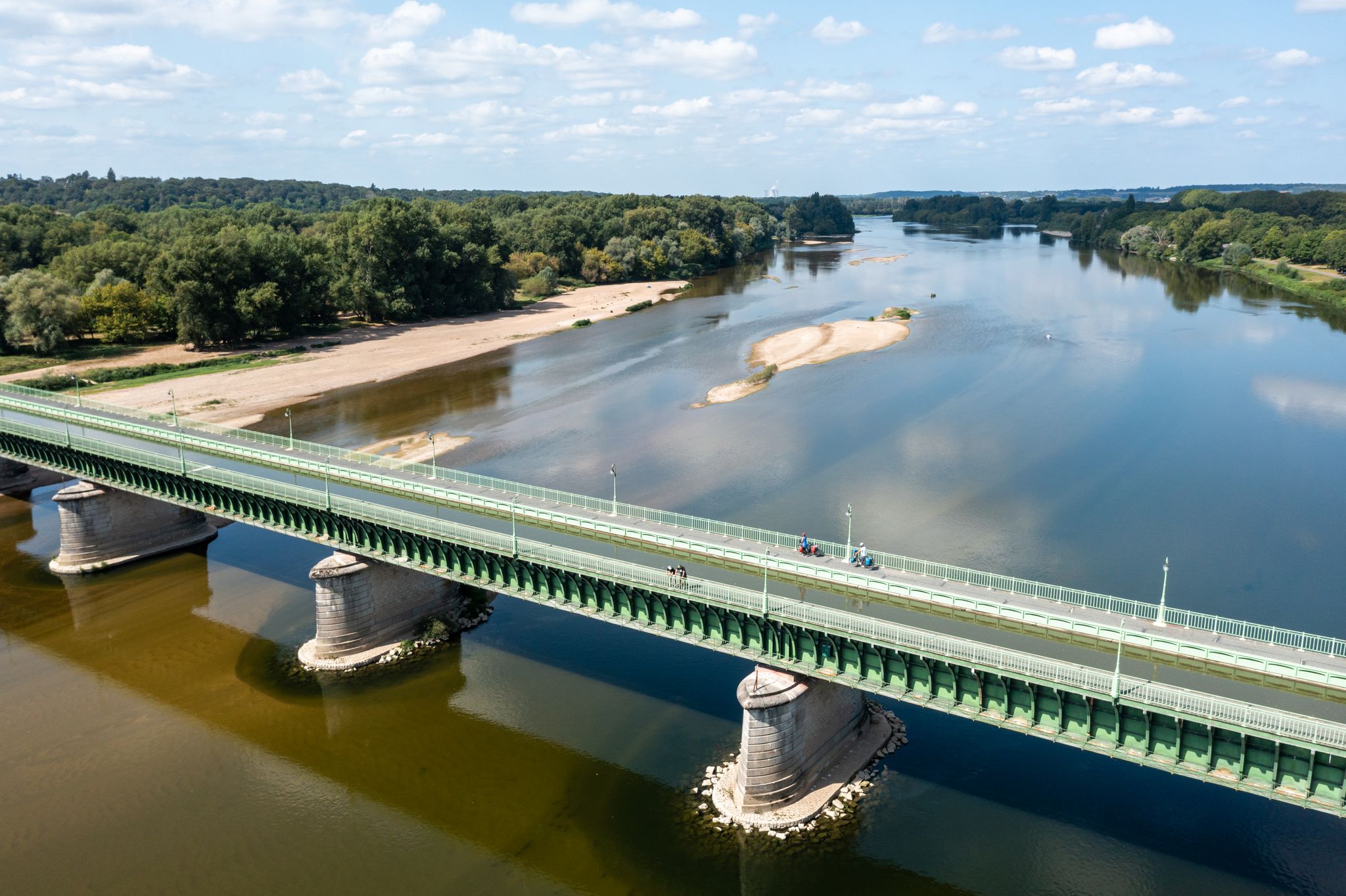
The Loire Valley to the Gâtinais canals — the Loiret along the river
Road Cycling Routes around Sully-Sur-Loire
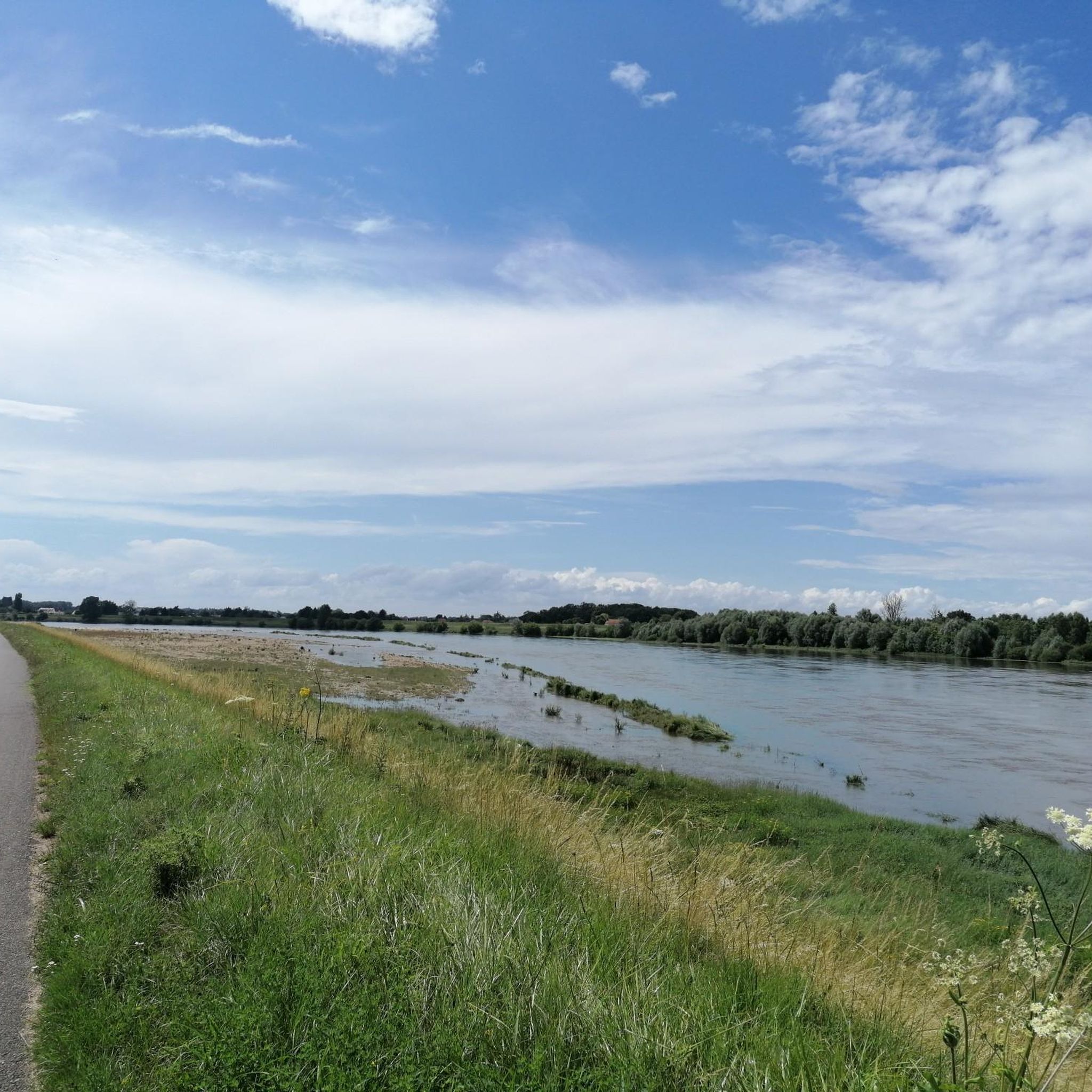
MTB Trails around Sully-Sur-Loire
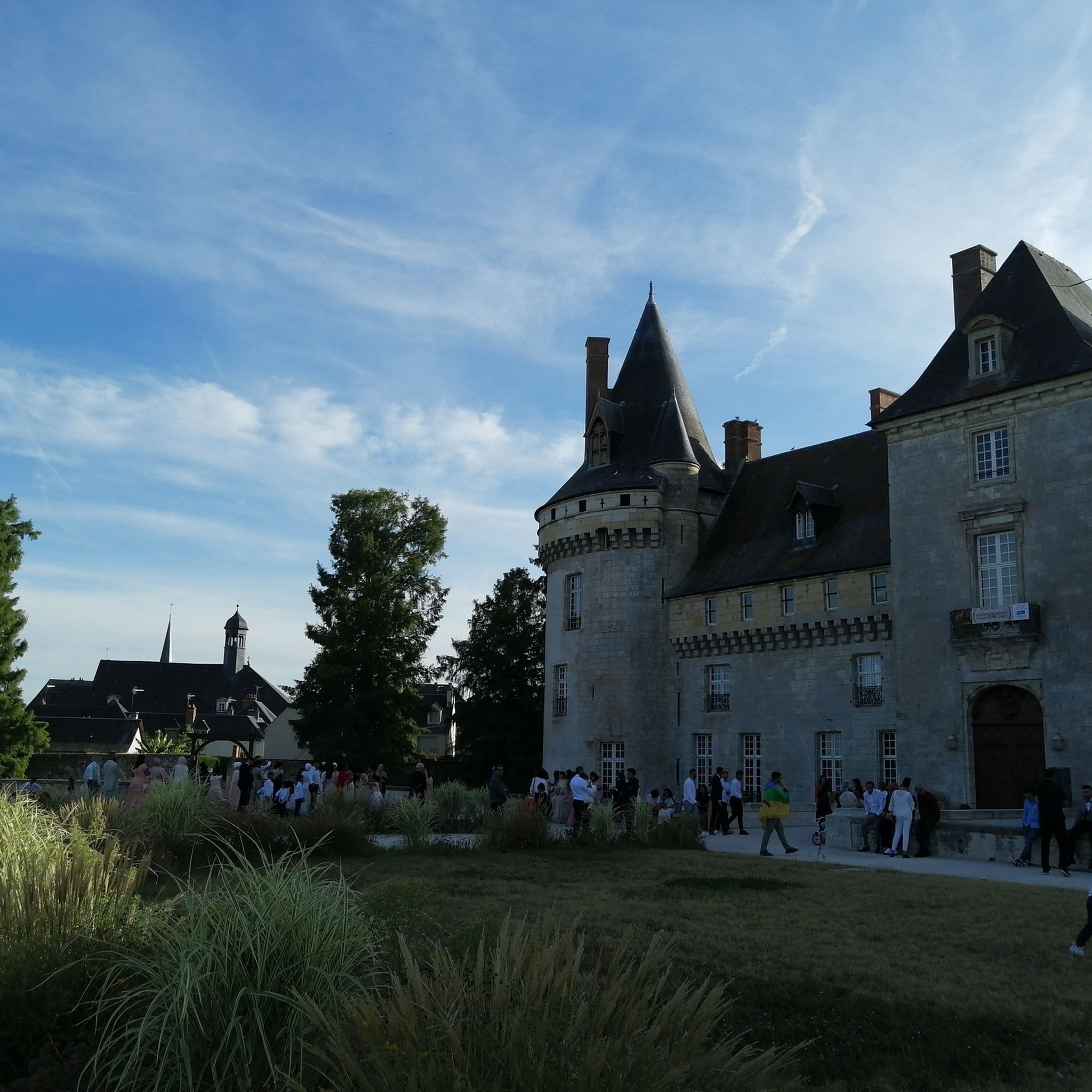
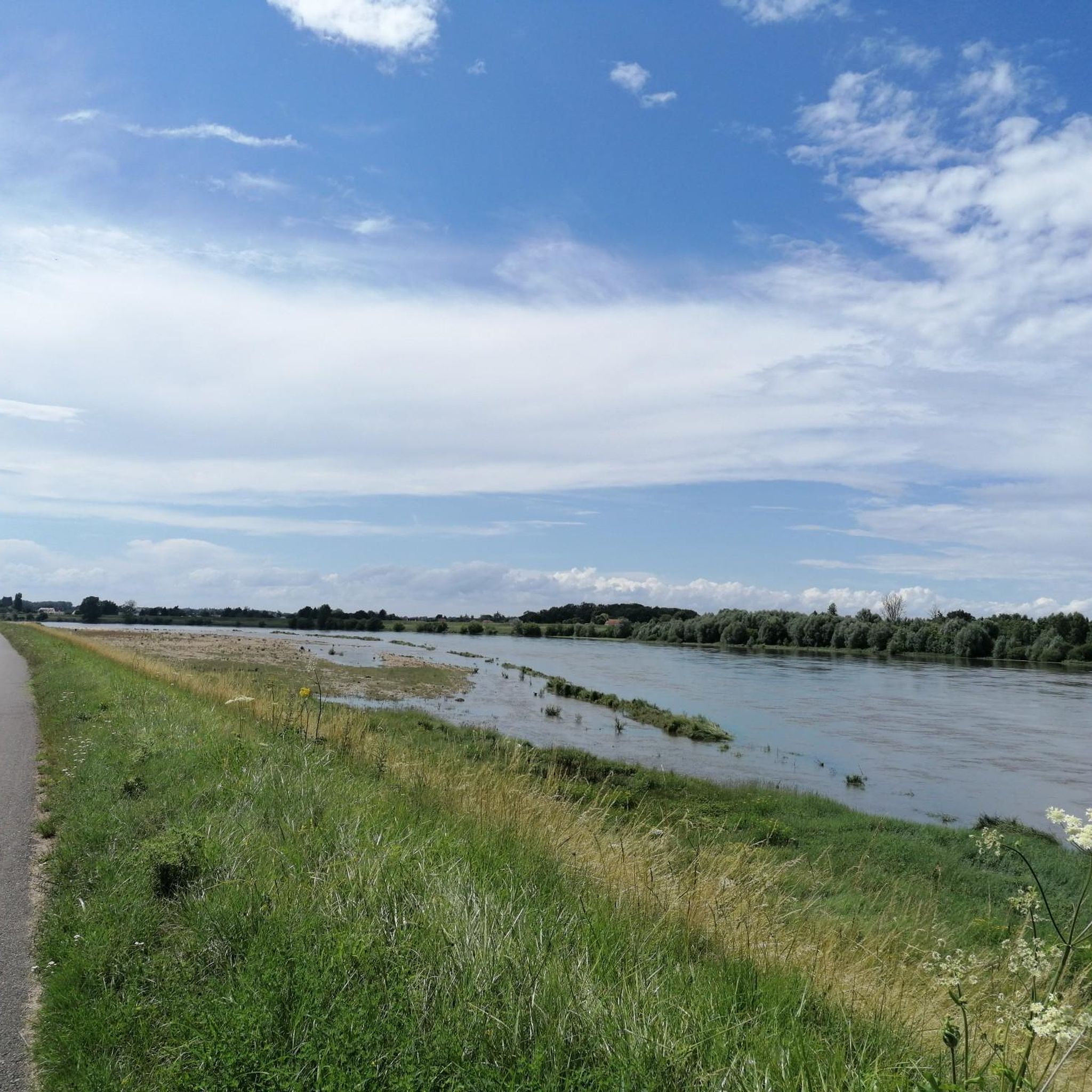
Cycling around Sully-Sur-Loire
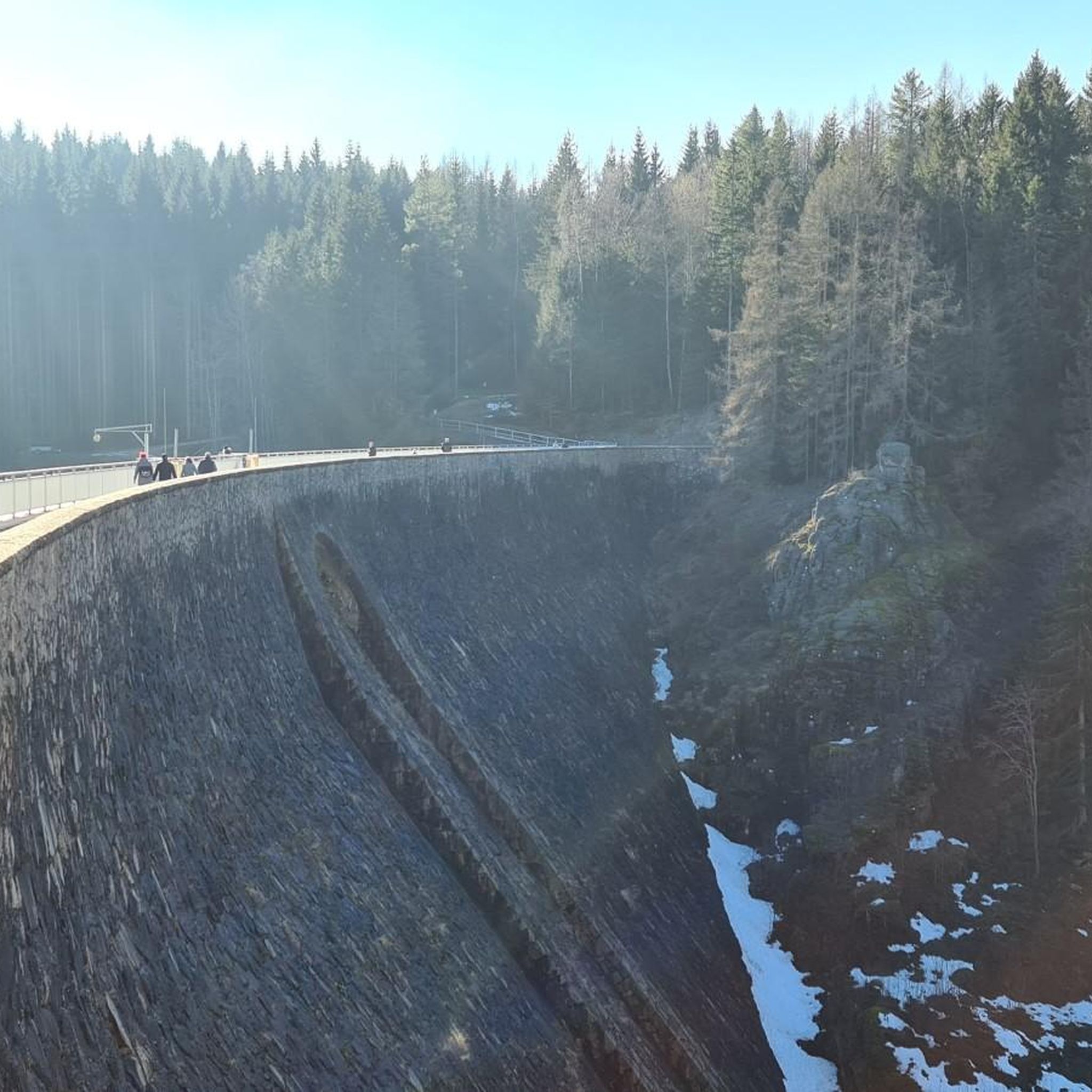
Running Trails around Sully-Sur-Loire
Hiking around Sully-Sur-Loire

Gravel biking around Sully-Sur-Loire
Other adventures around Sully-Sur-Loire


Tips from the Community

Nestled in a meander of the Loire, the town of Saint-Benoît-sur-Loire is home to one of the most beautiful jewels of Romanesque architecture: an 11th and 12th century basilica including the porch tower, decorated with twelve historic capitals. , the monumental portal and the nave constitute the most remarkable elements. Founded around 650 on the grounds of an ancient Gallo-Roman villa, Fleury Abbey has housed the relics of Saint Benedict, founder of Western monasticism and patron saint of Europe, since 672. During the 8th century, the patronage of the Prince of the Apostles was abandoned for that of Saint Benedict. This event is at the origin of the rapid expansion, prosperity and influence of the abbey which became Saint-Benoît de Fleury, while the village later became that of Saint-Benoît-sur-Loire. In the 9th century, after the ordeal of the Norman invasions which pillaged and destroyed the monastery, Fleury Abbey flourished again. The 10th and 11th centuries were the great era of Fleury's spiritual, intellectual and artistic influence. The construction of Fleury was probably completed in 1218. A few centuries later, the Hundred Years' War and the Wars of Religion ruined the monastery and disrupted regular life, the community's numbers collapsed. The French Revolution will end up dispersing the community of Fleury Abbey. But in 1944, a community of around forty monks resettled in the area and undertook the reconstruction of the monastery. A community of thirty-three monks lives there today under the direction of Father Abbot Etienne Ricaud. In 1947, the fourteenth centenary of the death of Saint Benedict led the abbey to be elevated to the status of a basilica. The visitor is invited to admire the fabulous historic capitals present in the porch tower, the nave and the choir; the magnificent paving which extends around the altar as well as the crypt where the relics of the patron saint rest. Not to be missed is the north portal and its monumental lintel carved in high relief.
1
0

We already find traces of a monastery in Fleury in the year 620. In 660, relics of Saint-Benoît were brought there and the abbey became Saint-Benoît de Fleury. Around the year 1000, the abbey experienced a golden age and the construction of the current basilica was launched. It will be consecrated in 1218. From the 16th to the 18th century, wars and the Revolution damaged the monastery. However, a community of 24 monks still lives there today.
0
0

This railway viaduct was built between 1877 and 1880. Since 2011, no rail traffic has used the bridge. Transformation work began in 2019 and, since May 2020, the bridge has been dedicated to bicycles and pedestrians. Thanks to the work, everyone can cross the Loire between Saint-Père-sur-Loire and Sully-sur-Loire in complete safety. Take your time to appreciate the magnificent views of the Château de Sully and the Loire!
0
0

The castle of Dampierre-en-Burly dates from the 15th and 16th centuries, when it belonged to the Cugnac family. Decorated by the painter Michel Dorigny, it was destroyed during the French Revolution. Only the clock tower, which serves as the entrance, remains of the original building. The current castle was rebuilt in the 19th century by Amédée de Béhague, an agronomist who created an estate of 2,000 hectares. The castle is not open to the public, but you can admire its architecture and gardens from the outside. You can also discover the neighboring village of Dampierre-en-Burly, which has remains of fortifications from the Middle Ages.
2
0
Built in the 17th century on the base of an old fortification, the castle of Dampierre-en-Burly was completely renovated in the 19th century. Listed as historical monuments since 1928, it retains all its brilliance. However, it is not open to the public.
1
0
This railway viaduct was built between 1877 and 1880. Since 2011, no more railway traffic uses the bridge. Transformation works started in 2019 and, since May 2020, the bridge has been dedicated to bicycles and pedestrians. Thanks to the works, everyone can cross the Loire between Saint-Père-sur-Loire and Sully-sur-Loire in complete safety. Take your time to enjoy the magnificent views of the Château de Sully and the Loire!
1
0
Fleury Abbey, whose foundation dates back to the seventh century, still hosts 25 monks today. Its basilica (Saint-Benoît) can be visited outside the services. The monastery also welcomes pilgrims in search of silence, seeking to return to the presence of God.
2
0

The fortified castle of Sully-sur-Loire is located on the banks of the Loire, along the Eurovélo 6 cycle path. The construction of the current castle began in 1396 but traces of castles at this location date back to 1102. Nowadays, the castle, its moats and its park are perfectly maintained and it is possible to visit the castle alone or on a guided tour.
0
0
Frequently Asked Questions
What historical sites can I visit in Sully-sur-Loire?
Beyond the magnificent Sully-sur-Loire Castle, you can explore the Saint-Ythier Collegiate Church, notable for housing the tomb of Saint Ythier, and the imposing Saint-Germain Church, which served as the parish church for mariners. The 16th-century House of Henry IV is also a beautiful historical building to admire.
Are there other significant castles or religious sites near Sully-sur-Loire?
Yes, just 7 km away, you can visit the Basilica of Saint Benedict at Fleury, an 11th-century abbey housing the relics of Saint Benedict. While not open to the public, the 17th-century Dampierre-en-Burly Castle is also a listed historical monument whose architecture can be admired from the outside.
What natural attractions are there to explore around Sully-sur-Loire?
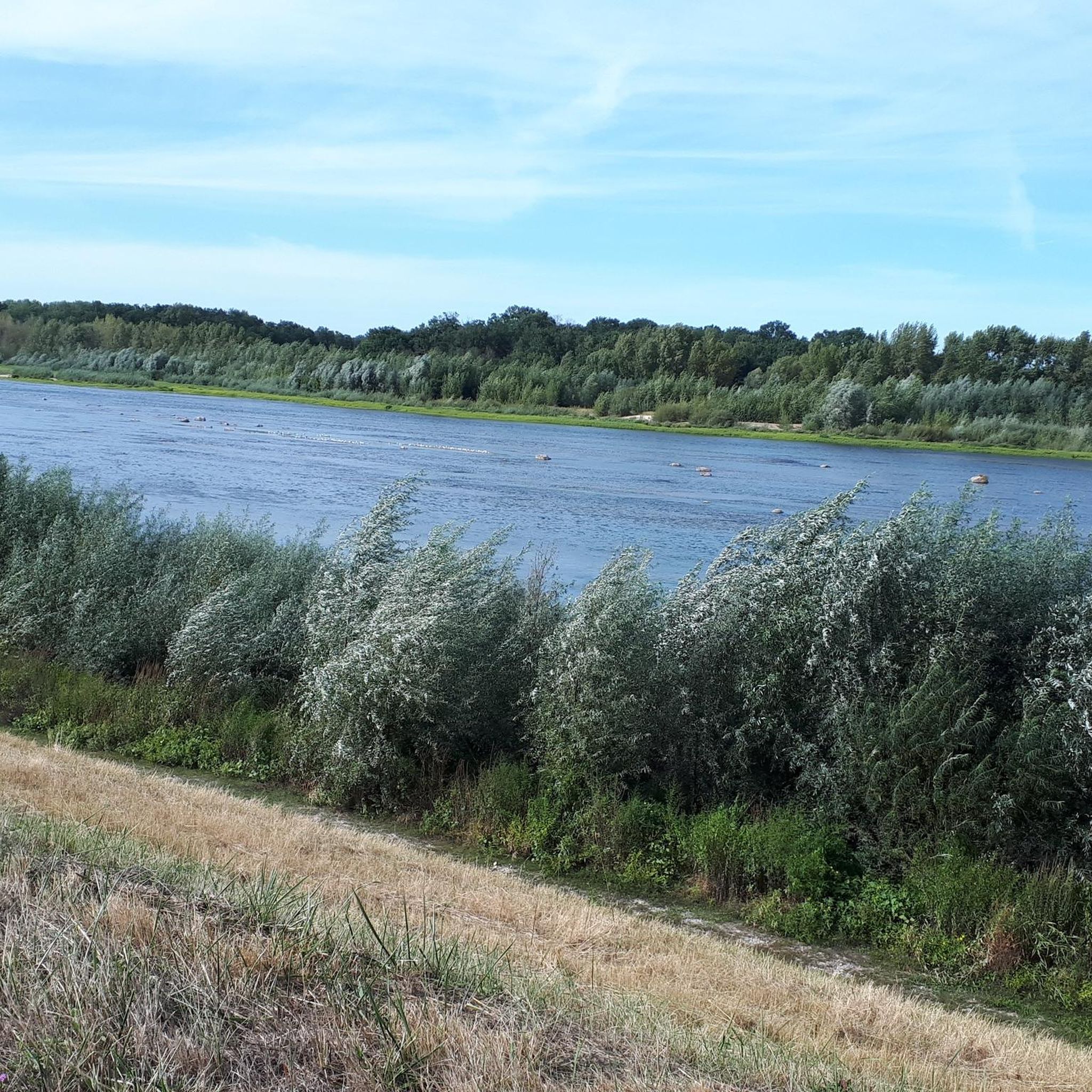
The town is beautifully situated along the River Loire, offering scenic walks along its banks. The Sully Castle's Natural Park, a 42-hectare departmental nature reserve surrounding the château, features 19th-century trees, diverse plant and animal species, and hiking trails. You can also find the Marçon ponds and a unique 'Lourdes cave' within the park.
What kind of hiking trails can I find near Sully-sur-Loire?
The area offers a variety of hiking trails, including easy options like the 'Trail to Meet the Migratory Birds (P16)' (6.5 km) or the 'Sully-sur-Loire Castle – Sully-sur-Loire Castle loop' (4.1 km). For more challenging routes, consider the 'Sully-sur-Loire Castle – Old railway bridge loop' (20 km). You can find more details and routes on the Hiking around Sully-Sur-Loire guide.
Are there opportunities for cycling along the Loire River?
Absolutely. Sully-sur-Loire is located on the EuroVelo 6 cycle path, making it an excellent spot for cycling enthusiasts. You can enjoy scenic rides along the banks of the Loire. Routes like the 'Sully-sur-Loire Castle – Route along the Loire loop' (20.4 km) offer moderate road cycling experiences. Explore more options on the Road Cycling Routes around Sully-Sur-Loire guide.
Are there family-friendly activities or attractions in Sully-sur-Loire?
Many attractions are suitable for families, including the Sully-sur-Loire Castle, which offers guided tours and a park to explore. The Basilica of Saint Benedict at Fleury and the Châteauneuf-sur-Loire Bridge are also listed as family-friendly. The Sully Castle's Natural Park has hiking trails and a fitness trail for active families. During summer, Sully Plage offers popular events from early July to early August.
What is the best time to visit Sully-sur-Loire?
Sully-sur-Loire is charming throughout the year. Summer (July-August) is popular for events like Sully Plage and extended castle opening hours. Spring and autumn offer pleasant weather for outdoor activities like hiking and cycling, with fewer crowds. The castle also hosts a music festival and various events, including comic strip exhibitions, throughout the year.
Where can I find parking near the Sully-sur-Loire Castle?
Parking is generally available near the Sully-sur-Loire Castle. The castle, its moats, and its park are well-maintained, and visitor facilities are typically provided to accommodate guests.
What do visitors enjoy most about Sully-sur-Loire?
Visitors frequently praise the impressive Sully-sur-Loire Castle, noting its well-preserved moats and park, and the option for guided tours. The scenic views along the Loire River, especially from the Châteauneuf-sur-Loire Bridge with its illuminations, are also highly appreciated. The overall blend of historical sites and tranquil natural environments makes it a memorable destination.
Are there any local markets or festivals in Sully-sur-Loire?
Yes, Sully-sur-Loire hosts a weekly market every Monday, offering local produce and a taste of local life. Additionally, gastronomic events such as the Festival of the Blood take place in September, and the Saint-Hubert Festival in November.
Can I find cafes or accommodation in Sully-sur-Loire?
Yes, Sully-sur-Loire offers various amenities for visitors. You can find cafes and restaurants within the town, particularly near the castle and along the main streets. Accommodation options, including hotels and guesthouses, are also available to suit different preferences.
What is the <a href="https://www.komoot.com/highlight/4475064" target="_blank" rel="noopener">Châteauneuf-sur-Loire Bridge</a> known for?
The Châteauneuf-sur-Loire Bridge is known for its scenic views over the Loire River and its distinctive illuminations. The bridge is lit by LEDs, with different colors and patterns depending on the time of year, especially during summer, enhancing its visual appeal.
Most popular routes around Sully-Sur-Loire

Get inspired with the komoot mobile app


Explore more
Still not found the Highlight you’re looking for? See guides of the top attractions in other regions:
