The best road cycling routes in Bistrița-Năsăud
5.0
(5)
99
riders
11
rides
Road cycling in Bistrița-Năsăud offers diverse terrain across the Eastern Carpathian Mountains and the Transylvanian Plateau. The region features challenging mountain ascents through ranges like Rodna and Călimani, alongside more gentle rides across plateaus and river valleys. Cyclists can explore routes along the Bistrița River and around Colibița Lake, providing varied experiences from demanding climbs to scenic, flatter sections. This landscape composition provides a range of road cycling routes suitable for different fitness levels.
Best road cycling routes in Bistrița-Năsăud
…Last updated: May 6, 2026
5.0
(1)
12
riders
46.4km
02:08
460m
460m
Moderate road ride. Good fitness required. Mostly well-paved surfaces and easy to ride.
5.0
(1)
12
riders
36.7km
01:32
230m
230m
Easy road ride. Great for any fitness level. Mostly well-paved surfaces and easy to ride.

Sign up for free
5.0
(2)
14
riders
58.9km
02:49
520m
520m
Moderate road ride. Good fitness required. Some segments of this route may be unpaved and difficult to ride.
7
riders
77.6km
03:23
660m
660m
Moderate road ride. Good fitness required. Mostly well-paved surfaces and easy to ride.
10
riders
49.1km
02:18
400m
400m
Moderate road ride. Good fitness required. Some segments of this route may be unpaved and difficult to ride.
4
riders
52.4km
02:13
250m
250m
Moderate road ride. Good fitness required. Some segments of this route may be unpaved and difficult to ride.
4
riders
100km
04:19
740m
740m
Moderate road ride. Good fitness required. Some segments of this route may be unpaved and difficult to ride.
5
riders
16.6km
00:49
70m
70m
Easy road ride. Great for any fitness level. Mostly well-paved surfaces and easy to ride.
Get access to more routes and recommendations from other explorers.
Sign up for free
Already have an account?
Our route recommendations are based on thousands of hikes, rides, and runs completed by other people on komoot.
Start today with a free account
Your next adventure awaits.
Login or Signup
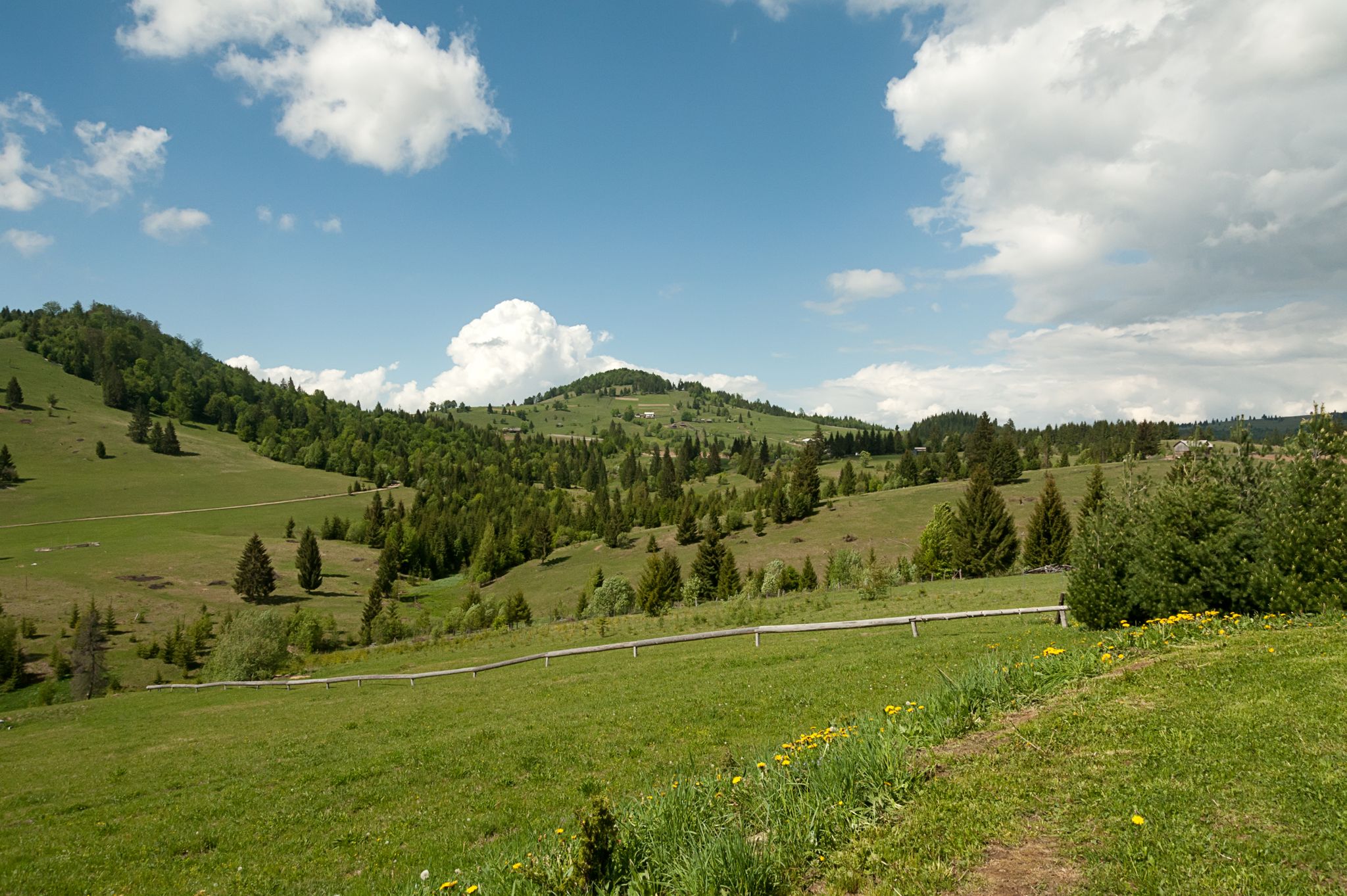
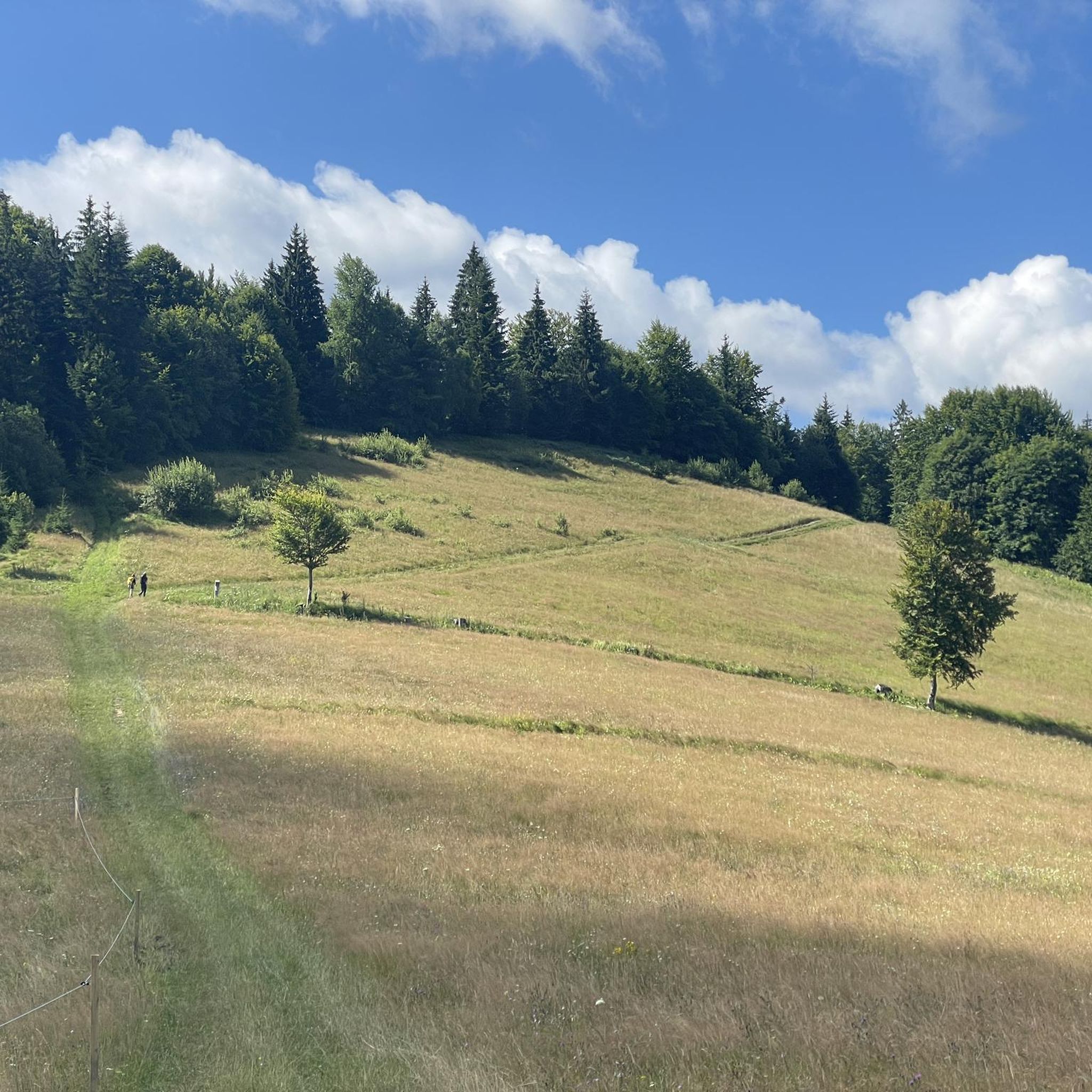
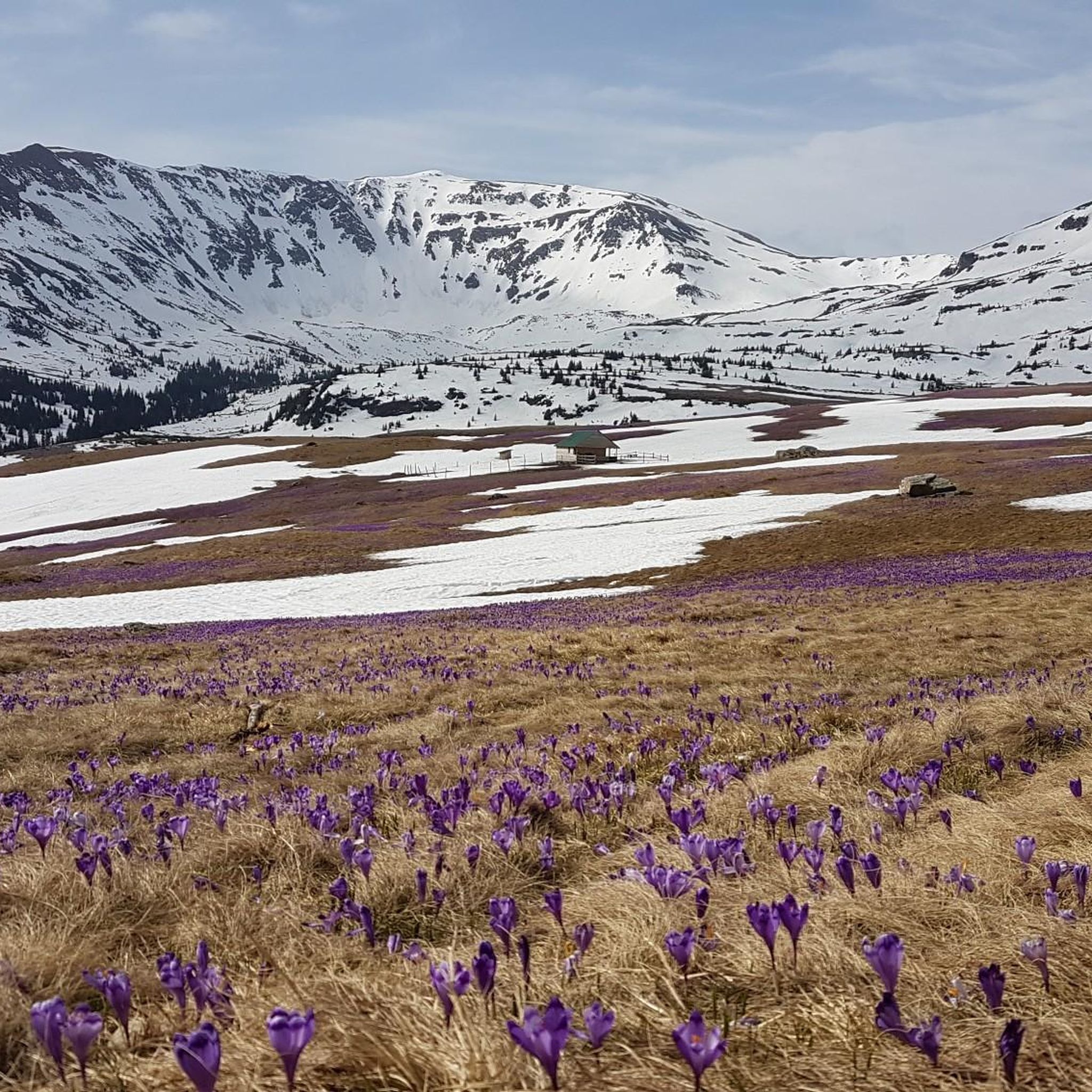
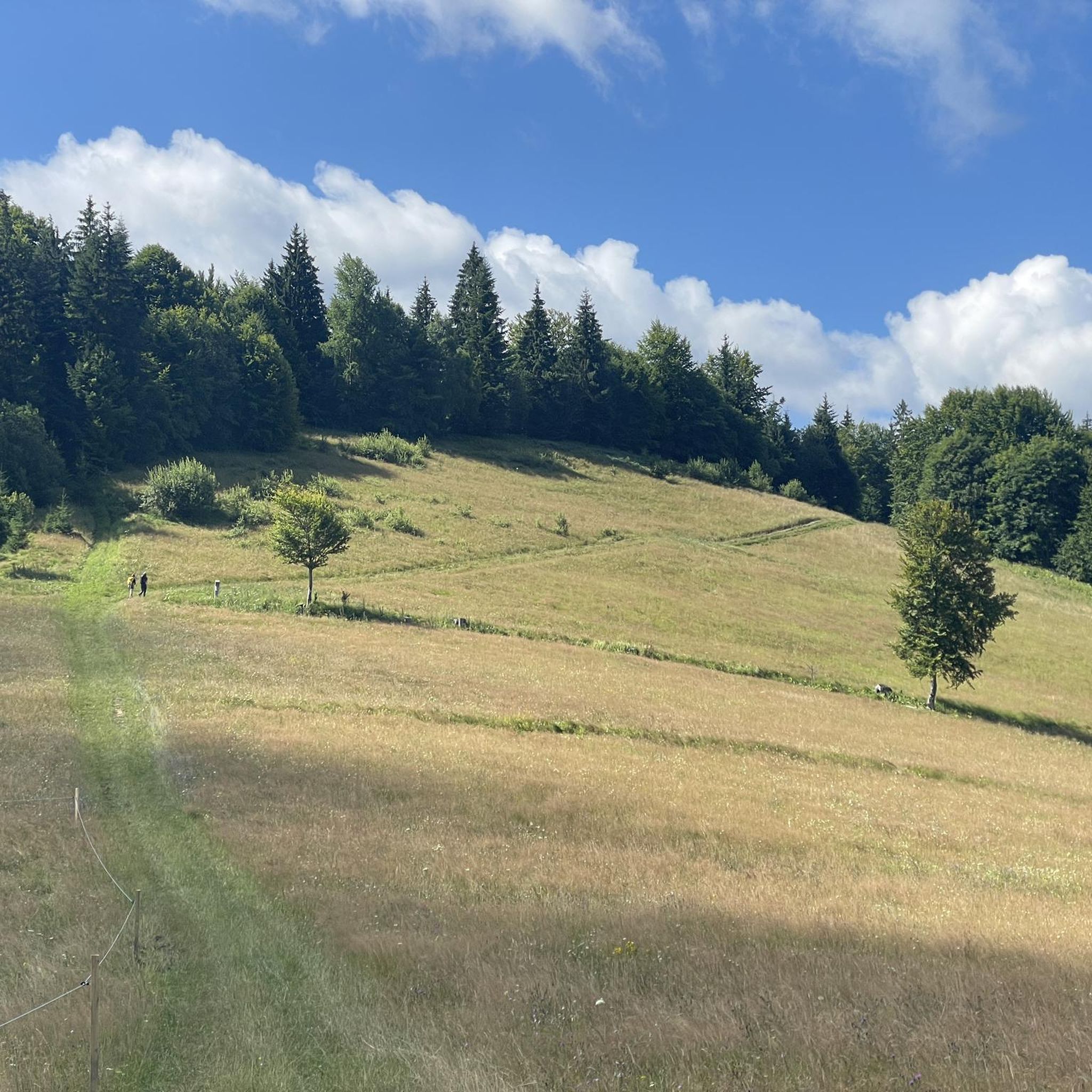
Other adventures in Bistrița-Năsăud

Tips from the Community

Ovidenia is the old name of the holiday in the Orthodox calendar on November 21, which corresponds to the Entry of the Mother of God into the Church. The main Orthodox church of Bistrița is dedicated to this day. The building was originally the church of the Minorite Monastery of "St. Andrei", also called the Crown Church, which dates back to the 13th century. It is a hall church with cross vaults and pointed arches, representative of the early Transylvanian Gothic of Cistercian origin. The church was bought by the United Romanian Parish (Greek Catholic) in 1895. In 1948, with the proscription of the United Romanian Church by the communist regime, the entire complex (church and monastery) was handed over to the Romanian Orthodox Church.
12
0
Bistrița is located in a wide depression, surrounded by rolling hills that dominate the landscape. The settlement was founded when the region in the north-eastern corner of Transylvania, which at the beginning of the Middle Ages lay between the royal possessions, was settled by settlers from Hungary, but above all by groups of Flemish, Walloons, Saxons and Bavarians, who were later grouped together under the name "Transylvanian Saxons". Through the Golden Bull of the Saxons of 1224, they were endowed with a number of rights and freedoms that brought them high social status and economic privileges. The first mention of the place dates back to 1241, when in the codes of the Echternach monastery, between the settlements destroyed by the Mongols, "oppidum Nosna" is mentioned, the name given by the settlers to the settlement founded on the banks of the Bistrita river.
14
0


This natural curiosity was discovered by John Chintauan several decades ago. He originally wanted to call it Soldiers' Ravine, because the stones, he said, looked lined up like soldiers ready to go into battle. But after further research, he realized that the stones looked more like Russian dolls. The nature reserve known as “ravin aux dolls” has only two hectares and is made up of a vertical wall with compact sands, on which we can observe marly clays, marls, and concretionary sandstones. These layers form all kinds of patterns, which look like dolls, mushrooms, and even animal heads.
1
0
Bistrița is one of the seven Saxon fortresses in Transylvania. This city has an interesting history which can still be read through the architectural style of the many buildings and religious complexes. The evangelical church is the emblem of Bistrița. It is located in the center of the city. It is an architectural monument representative of the transition from Gothic to Renaissance style in Transylvania. The church tower is perched 75 meters high. It is one of the tallest towers in Romania. You can go to the top of the church by taking an elevator. Admiring the panorama of a city helps you better understand its layout and also helps you get your bearings.
3
0
The interior of this church is worth a detour. The Orthodox never take half measures in terms of religious art.
1
0
It is a very beautiful synagogue in the neo-Gothic style. Now a historic monument, the religious building reminds us of the vibrant life of the Jewish community living in the Bistrita of yesteryear, in the middle of a once multi-ethnic city.
3
0
Doroléa is a village which is part of the commune of Livezile. This town is an ancient Saxon colony. The Saxons have long since disappeared from the village, but the architecture remains. In the middle of the village, on a small promontory, stands the parish church in classical style. The village is part of a group of three with the same structures and the same historical development. It is a good example of what was a border village of the Austro-Hungarian Empire.
0
0
Frequently Asked Questions
What kind of terrain can I expect for road cycling in Bistrița-Năsăud?
Bistrița-Năsăud offers a diverse range of terrain for road cycling. You'll find challenging mountain ascents through the Eastern Carpathian Mountains, including ranges like Rodna and Călimani, as well as more gentle rides across sections of the Transylvanian Plateau and along river valleys. This mix provides varied experiences, from demanding climbs to scenic, flatter sections.
Are there road cycling routes suitable for beginners in Bistrița-Năsăud?
Yes, Bistrița-Năsăud has routes suitable for beginners. For example, the Doll Ravine – Bistrița loop from Bistrița is an easy 22.8-mile (36.7 km) path offering a relaxed ride with less elevation gain. Another easy option is the Bistrița-Năsăud loop from Bistrița Nord, which is 16.4 km long with minimal elevation.
What are some of the more challenging road cycling routes in the region?
While the provided routes are mostly moderate, the region's Carpathian Mountains offer opportunities for more demanding rides. The Bistrița – Bistrita Synagogue loop from Chintelnic, at over 100 km with significant elevation, provides a good challenge. The region's diverse mountain ranges like Rodna and Călimani are known for their challenging ascents.
What natural features can I see along the road cycling routes?
Road cycling routes in Bistrița-Năsăud often pass through stunning natural landscapes. You can explore areas around the Bistrița River and Colibița Lake, or venture into the Rodna Mountains National Park. Notable natural attractions include Ineu Peak and Gârgălău Peak, as well as the scenic Cailor Waterfall in Rodnei Mountains National Park and the unique Doll Ravine.
Are there any historical landmarks or points of interest to visit while cycling?
Yes, many routes offer opportunities to explore historical sites. The city of Bistrița itself, one of Transylvania's oldest towns, features historical sites like the Evangelical Church. You can also find Historic Houses in Bistrița's Old Town. Some routes, like the Bistrita Synagogue – Bistrița loop from Bistrița Nord, pass by significant cultural landmarks.
What is the best time of year for road cycling in Bistrița-Năsăud?
May and August are particularly popular months for cycling in Bistrița-Năsăud. The region offers pleasant conditions during late spring, summer, and early autumn, allowing cyclists to enjoy the diverse landscapes without extreme weather. Always check local forecasts before heading out.
Are there many circular road cycling routes available?
Yes, many road cycling routes in Bistrița-Năsăud are designed as loops, making them convenient for starting and ending in the same location. Examples include the Bistrița – Bistrita Synagogue loop from Bistrița and the Bistrița – Bistrita Synagogue loop from Bistrița Fabrici.
How long do road cycling routes typically take in Bistrița-Năsăud?
The duration of road cycling routes varies significantly based on distance and difficulty. Shorter, easier loops like the Bistrița-Năsăud loop from Bistrița Nord can be completed in under an hour, while moderate routes such as the Bistrita Synagogue – Bistrița loop from Bistrița Nord typically take around 2 hours. Longer, more challenging routes can extend to 3 hours or more, like the Bistrița – Bistrita Synagogue loop from Bistrița.
What do other road cyclists say about the routes in Bistrița-Năsăud?
The road cycling routes in Bistrița-Năsăud are highly regarded by the komoot community, holding an average rating of 5.0 stars from 4 reviews. Over 90 road cyclists have used komoot to explore the region, often praising the varied terrain and scenic beauty offered by the mountains and plateaus.
Are there any specific areas known for scenic road cycling?
The areas around Colibița Lake and the Bistrița River valley are particularly scenic for road cycling, offering beautiful views and a mix of paved and gravel sections. The routes traversing the Transylvanian Plateau also provide picturesque, gentler rides, contrasting with the dramatic mountain backdrops of the Eastern Carpathians.
Can I find routes that combine both asphalt and gravel sections?
Yes, many routes in Bistrița-Năsăud combine asphalt and gravel, offering a varied cycling experience. This allows for challenging climbs and high-speed descents with impressive views, particularly in areas around Colibița Lake and within the mountain ranges.
How many road cycling routes are available in Bistrița-Năsăud?
There are over 1,343 cycle routes in Bistrița-Năsăud, with 11 specifically categorized as road cycling routes on komoot. This extensive network provides numerous options for various ability levels and preferences.
Most popular attractions in Bistrița-Năsăud

Get inspired with the komoot mobile app


Explore more
Browse the best Road cycling routes in other regions.
