The best cycling routes around Saint-Maurice
4.3
(4818)
56,169
riders
1,133
rides
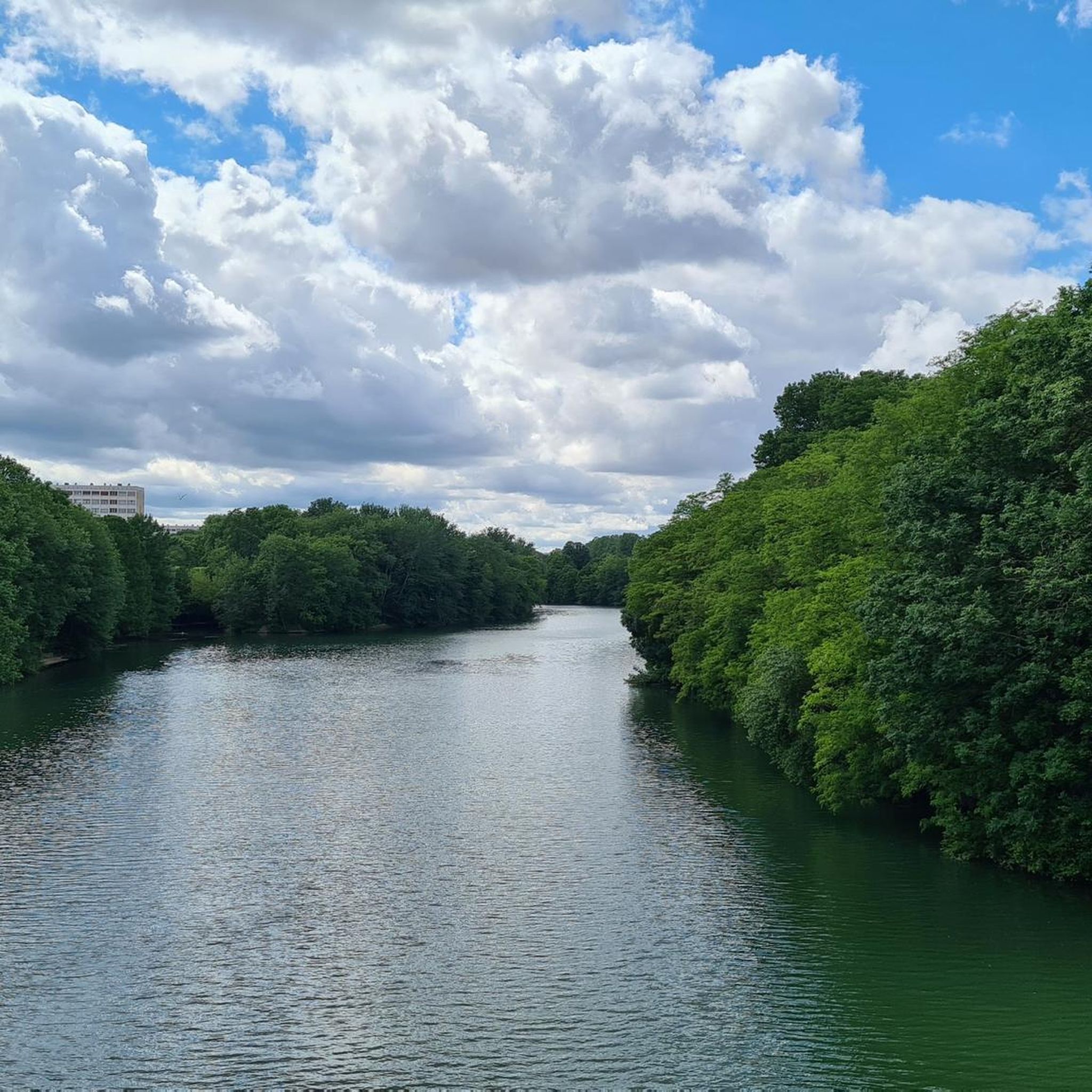
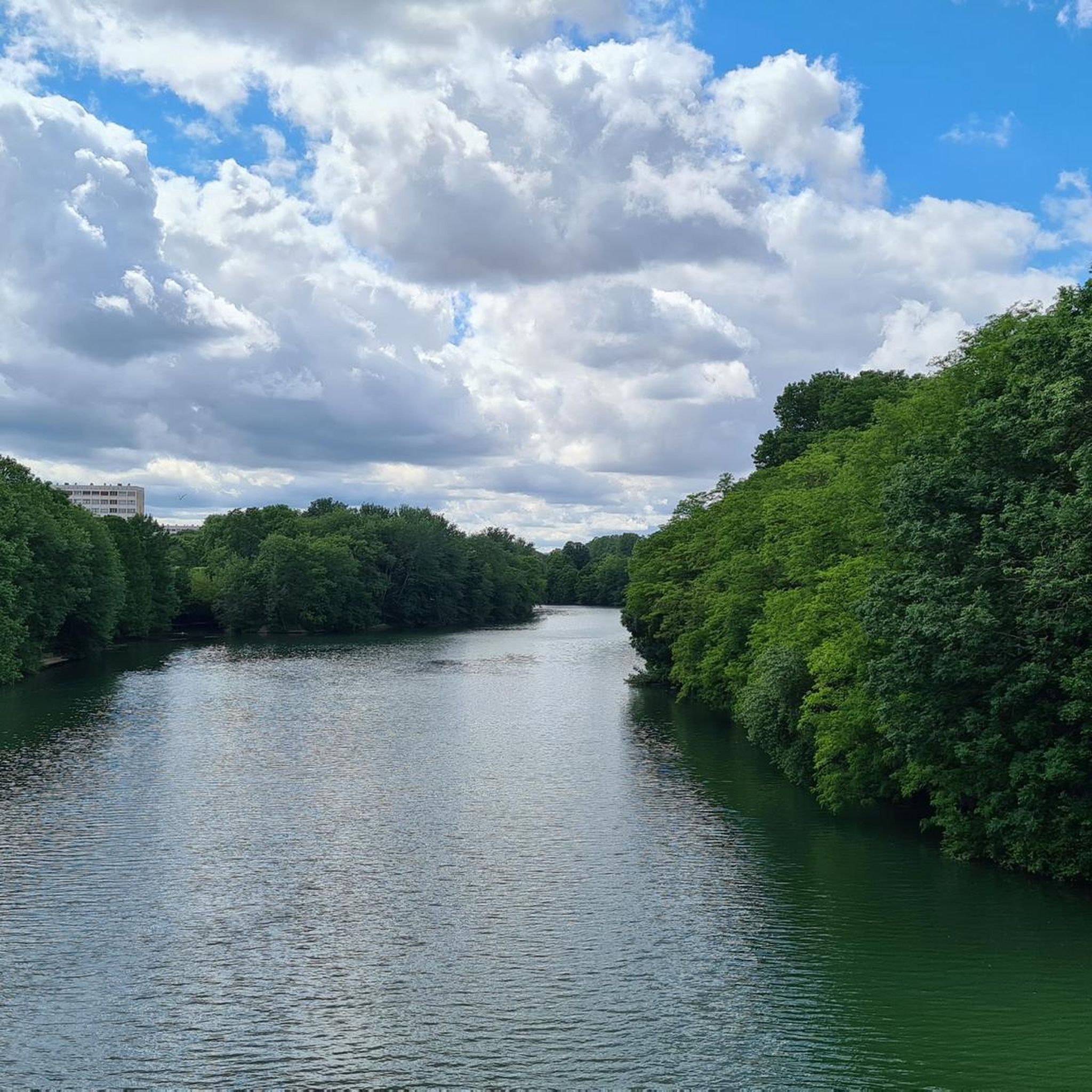
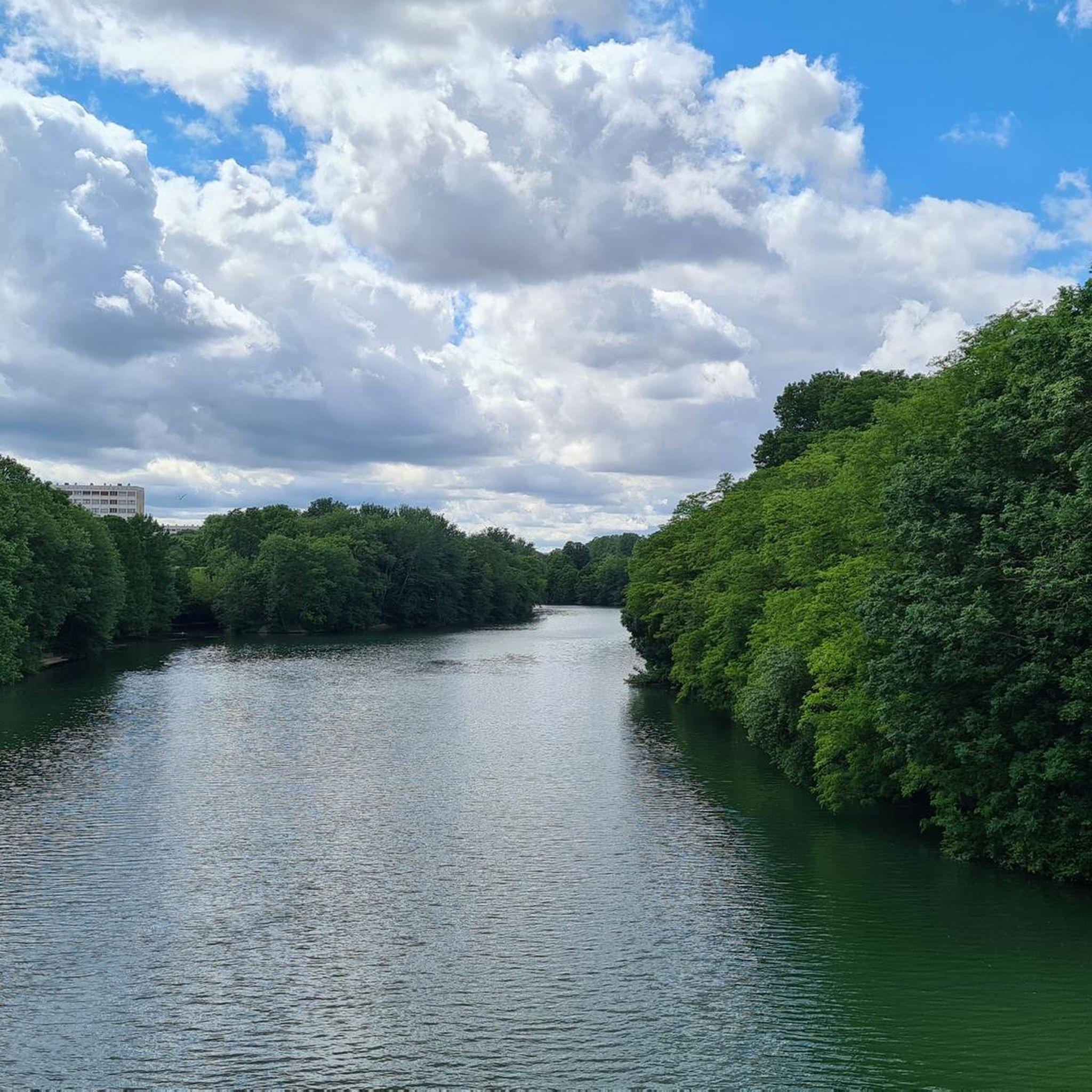
Touring cycling routes around Saint-Maurice are characterized by a predominantly flat urban and suburban landscape, featuring scenic riverbanks and canals. The area offers numerous paths along the Marne River and Canal Saint-Martin, providing accessible cycling experiences. Routes often connect green spaces and city landmarks, with minimal elevation changes. This environment is well-suited for leisurely rides and exploring the local surroundings by bike.
Best touring cycling routes around Saint-Maurice
- The most popular touring cycling route is Alexandre III Bridge – Eiffel…
Last updated: July 7, 2026
4.5
(71)
566
riders
32.4km
01:55
120m
120m
Easy bike ride. Great for any fitness level. Mostly paved surfaces. Suitable for all skill levels.
4.8
(6)
69
riders
28.8km
01:43
140m
140m
Easy bike ride. Great for any fitness level. Mostly paved surfaces. Suitable for all skill levels.

Sign up for free
4.3
(11)
65
riders
Easy bike ride. Great for any fitness level. Mostly paved surfaces. Suitable for all skill levels.
5.0
(1)
56
riders
Easy bike ride. Great for any fitness level. Mostly paved surfaces. Suitable for all skill levels.
5.0
(4)
64
riders
Moderate bike ride. Good fitness required. Mostly paved surfaces. Suitable for all skill levels.
Get access to more routes and recommendations from other explorers.
Sign up for free
Already have an account?
Our route recommendations are based on thousands of hikes, rides, and runs completed by other people on komoot.
Start today with a free account
Your next adventure awaits.
Login or Signup

Tips from the Community

The Luxor Obelisk on the Place de la Concorde is the oldest monument in Paris. It is well over 3,000 years old and originally came from Egypt. Here are the most important facts about its history and the monument: Origin and Age Location in Egypt: It originally stood with a second obelisk in front of the entrance to the Luxor Temple. Time: It was made during the reign of Pharaoh Ramses II (13th century BC). The Gift: The viceroy of Egypt, Muhammad Ali Pasha, gave the obelisk to France in 1829 as a sign of friendship. The second obelisk remained in Egypt and was only officially "returned" by France in the 1990s (so it is still in Luxor). Transport to Paris The Journey: The transport was a technical masterpiece. The over 220-ton monolith of granite had to be shipped across the Nile, the Mediterranean Sea, and the Atlantic Ocean to Paris. The journey took almost three years. Erection: It was finally erected in 1836 under King Louis-Philippe I in the center of the Place de la Concorde. This location was deliberately chosen as a "neutral" monument to cover up the bloody history of the square during the French Revolution. Special Features Hieroglyphs: The inscriptions praise the deeds of Ramses II. The Golden Tip: The original tip was missing (it was probably stolen in ancient times). In 1998, France placed a new pyramid tip covered with gold leaf on the obelisk, as it would have looked in ancient Egypt. The Base: Diagrams are engraved on the base, explaining with which lifting devices and machines the obelisk was erected in the 19th century. Dimensions It is about 23 meters high and consists of a single piece of yellow granite.
0
0

Because of the good relations with Egypt, Mehemet Ali, the viceroy of Egypt, presented them with the 3,000-year-old obelisk from Luxor. Its four sides depict the deeds of Ramesses II, dating back to the 13th century BC. King Louis-Philippe, in gratitude for the obelisk, presented Mehemet Ali with a clock, which now stands in the courtyard of the Mohammed Ali Mosque in Cairo. The 23-meter-high, 230-ton colossus was a significant undertaking to bring to France. This is why it is proudly inscribed on the obelisk's pedestal. And rightly so, since we are, of course, talking about 1836. It's a good thing, by the way, that French people generally can't read hieroglyphs, otherwise it would never have been erected. The deeds of Ramesses II, which are described on the Obelisk, in some cases concern his sexual acts and, according to ‘the needle’ (The Obelisk), these were not insignificant.
1
0

The Petit Palais is a former exhibition pavilion of the 1900 Universal Exposition held in Paris. It was built between 1897 and 1900 and now houses the municipal Museum of Fine Arts. It is one of the 14 museums of the city of Paris.
6
0

Paris center on a sunny Sunday
1
1

A beautiful Parisian park in the 14th arrondissement. The Paris Observatory is located here. Across the street is the Cité Universitaire.
0
0

From the Port de la Bastille to La Villette, this canal offers you spots for a picnic, bars and cafes, places to dance in the summer or even play boules.
1
1

Frequently Asked Questions
How many touring cycling routes are available around Saint-Maurice?
There are over 1000 touring cycling routes available around Saint-Maurice, catering to various skill levels. You'll find a wide selection, from easy riverside paths to more moderate urban explorations.
What kind of terrain can I expect on touring cycling routes in Saint-Maurice?
Touring cycling routes around Saint-Maurice are predominantly flat, characterized by urban and suburban landscapes. You'll often find scenic paths along the Marne River and Canal Saint-Martin, with minimal elevation changes, making for accessible and enjoyable rides.
Are there easy touring cycling routes suitable for beginners or families in Saint-Maurice?
Yes, Saint-Maurice offers many easy touring cycling routes perfect for beginners and families. For example, the Marne Loop – Marne riverbank cycle path loop from Joinville-le-Pont is an easy 12.0-mile (19.4 km) path that follows tranquil riverbanks, providing a relaxed cycling experience.
Can I find more challenging touring cycling routes around Saint-Maurice?
While the area is largely flat, there are moderate routes that offer longer distances and more varied urban exploration. The Alexandre III Bridge – Eiffel Tower and Quai d'Orsay loop from Joinville-le-Pont is a moderate 23.2-mile (37.4 km) route that takes you past iconic Parisian landmarks.
What are some notable landmarks or attractions I can see while cycling in Saint-Maurice?
Many routes in Saint-Maurice connect green spaces and city landmarks. You can cycle past significant historical sites like Vincennes Castle, explore the beautiful Luxembourg Palace and Gardens, or enjoy views of the Louvre Museum Square. Routes along the Seine also offer glimpses of iconic Parisian architecture.
Are there any circular touring cycling routes in Saint-Maurice?
Yes, many of the touring cycling routes around Saint-Maurice are designed as loops, offering convenient circular journeys. Examples include the Marne Loop – Marne riverbank cycle path loop from Joinville-le-Pont and the Montsouris Park – Issy-les-Moulineaux Bridge loop from Charenton-Écoles.
Are there routes that follow riverbanks or canals?
Absolutely. Touring cycling around Saint-Maurice is defined by its riverbank and canal-side routes. You'll find numerous paths along the Marne River and Canal Saint-Martin, providing picturesque and flat cycling experiences. The Canal Saint-Martin – Vincennes Castle loop from Joinville-le-Pont is a great example.
What do other cyclists say about touring cycling in Saint-Maurice?
The routes in Saint-Maurice are highly rated by the komoot community, with an average score of 4.2 stars from over 4800 reviews. Cyclists often praise the accessible riverbank paths, urban green spaces, and the ability to explore city landmarks by bike.
What is the best time of year for touring cycling in Saint-Maurice?
Given the urban and riverbank nature of the routes, touring cycling in Saint-Maurice is enjoyable for much of the year. Spring and autumn offer pleasant temperatures and beautiful scenery, while summer can be great for longer days, though it can get warm. Winter cycling is also possible, especially on clear days.
Are there any routes that offer views of iconic Parisian landmarks?
Yes, several routes provide excellent opportunities to see iconic Parisian landmarks. The Alexandre III Bridge – Eiffel Tower and Quai d'Orsay loop from Joinville-le-Pont is a prime example, offering views of the Eiffel Tower and other famous sights along the Seine.
Are there any parks or green spaces accessible by bike in Saint-Maurice?
Yes, the routes often connect various green spaces and urban parks. For instance, the Montsouris Park – Issy-les-Moulineaux Bridge loop from Charenton-Écoles takes you through urban parks, offering a refreshing break from city streets.
Most popular routes around Saint-Maurice
Most popular attractions around Saint-Maurice

Get inspired with the komoot mobile app


