The best road cycling routes around Champeaux
4.5
(79)
2,229
riders
395
rides
Road cycling around Champeaux, located in Normandy, France, offers routes through a landscape characterized by its dramatic coastline and views of Mont Saint-Michel Bay. The region features granite cliffs, ranging from 60 to 80 meters in height, providing undulating terrain for cyclists. Beyond the immediate coastal area, the surrounding Norman countryside presents rolling hills and picturesque rural landscapes. This diverse environment supports varied road cycling experiences.
Best road cycling routes around Champeaux
- The most popular road cycling route is View…
Last updated: July 15, 2026
25
riders
64.3km
02:43
420m
420m
Moderate road ride. Good fitness required. Some segments of this route may be unpaved and difficult to ride.
10
riders
43.6km
01:59
330m
330m
Moderate road ride. Good fitness required. Mostly well-paved surfaces and easy to ride.

Sign up for free
12
riders
65.3km
02:52
470m
470m
Moderate road ride. Good fitness required. Some segments of this route may be unpaved and difficult to ride.
10
riders
80.5km
03:34
740m
740m
Moderate road ride. Good fitness required. Mostly well-paved surfaces and easy to ride.
10
riders
66.4km
02:54
440m
440m
Moderate road ride. Good fitness required. Some segments of this route may be unpaved and difficult to ride.
Get access to more routes and recommendations from other explorers.
Sign up for free
Already have an account?
Our route recommendations are based on thousands of hikes, rides, and runs completed by other people on komoot.
Start today with a free account
Your next adventure awaits.
Login or Signup
Tips from the Community

The Town Hall (15th century-1904), located place de la Mairie. Its bell tower dates from 1534. It is the former church transformed into a town hall by the mayor-châtelain, Jacques le Cardinal de Kernier, at the beginning of the 20th century. The latter had built a new church for the inhabitants of Val-d'Izé.
0
0
The church was built from 1889 to 1895, in sandstone, granite, and limestone. With a Latin cross plan, the building is composed of three naves. The main nave is covered by domes on pendentives, and the crossing of the transept features a lantern tower. The overall design of the ensemble is neo-Romanesque with a bichromy of materials and different stonework. The domed roof, the multiple decorative details, and the play of polychrome materials reflect a mastered art of the Romanesque architecture of Angoumois.
0
0
The old church of Broons was destroyed in 1843. A new building, consecrated in 1846, was built on its site. Plans from 1839 of the church tower signed by Auguste Marchand are kept in the departmental archives.
0
0
Old church mentioned as early as 1160 and rebuilt in the 16th and 17th centuries (old tower dated 1582). The current church was entirely built to the plans of Arthur Regnault in 1904 (date and attribution by source). He uses the model of the so-called Plantagenet vaulted ceiling for the covering of the nave and aisles, but for the bell tower, he draws inspiration from Cornish bell walls. Two windows from the late 15th and 16th centuries of the old church were reused on the south side of the nave. This church, rebuilt in the Breton flamboyant style, is representative of the architect's style during this period.
0
0
The bell tower is visible from afar and has long dominated the town and its surroundings. The Saint-Pierre church has retained its impact on the local landscape for over a century. It was indeed in 1888 that the Fabrique Council decided to entrust Arthur Régnault, the diocese's architect, with the project for a new construction. His plan was accepted and work began in October 1889, before the blessing of the first stone on March 13, 1890. As an anecdote, the stones are extracted from the quarry of La Bouëxière. Quickly, the inhabitants discovered its citadel-like appearance, Arthur Régnault having wanted to honor the city of Châteaubourg which had not had a castle for a long time! The structural work was completed on March 28, 1893, but due to lack of funds, the bells would wait until 1894. The work on the woodwork and the construction of the high altar took place in 1911, the church being due to host the important Eucharistic congress of 1913. Maintenance work continued over the years, the church having become the property of the municipality since 1905. During the bombings of the summer of 1944, the church was spared. The inhabitants would not forget it: on May 9, 1945, the day after the armistice, the men carried Notre Dame de Boulogne in procession and paraded barefoot through the streets. The centenary was celebrated in 1992 with the decision to install the current organ. The church of Châteaubourg has thus traversed local history from the 15th century – the date of construction of the previous, much smaller church – to that designed by Arthur Régnault.
0
0
15th-century church. Choir remodeled in the 17th century during the construction of the altarpiece. North transept arm built in 1662. Nave remodeled in the 19th century: vaulting, side walls, enlargement of a bay with reuse of the portal, repair of the buttresses. In 1903, restoration of the roof and masonry by Arthur Regnault, choir mosaics by Odorico recently covered. 16th-century enclosure cross.
0
0
This parish belonged to the Collegiate Church Notre Dame de VITRE until the year 1116. It was then handed over to the Abbey of Saint Melaine (in RENNES). SAINT-DIDIER, the patron saint of the Parish, is undoubtedly the holy bishop of RENNES who lived at the end of the 7th century. His statue is part of the altarpiece of the high altar (1721), as well as that of Saint GOLVEN.
0
0

A prosperous trading town since the Middle Ages, Vitré has preserved its well-preserved heritage. With its fortified castle, cobbled streets, and half-timbered houses, the town offers plenty to see and do, making it perfect for a stroll. It's the perfect place to soak up the Breton atmosphere.
0
0
Frequently Asked Questions
How many road cycling routes are available in Champeaux?
Champeaux offers a wide variety of road cycling routes. There are over 380 routes available, catering to different preferences and skill levels.
What is the general difficulty level of road cycling routes in Champeaux?
The road cycling routes in Champeaux are predominantly moderate, with 305 routes falling into this category. There are also 67 easy routes and 14 more challenging options, ensuring there's something for every rider.
What scenic viewpoints or landmarks can I expect to see while road cycling in Champeaux?
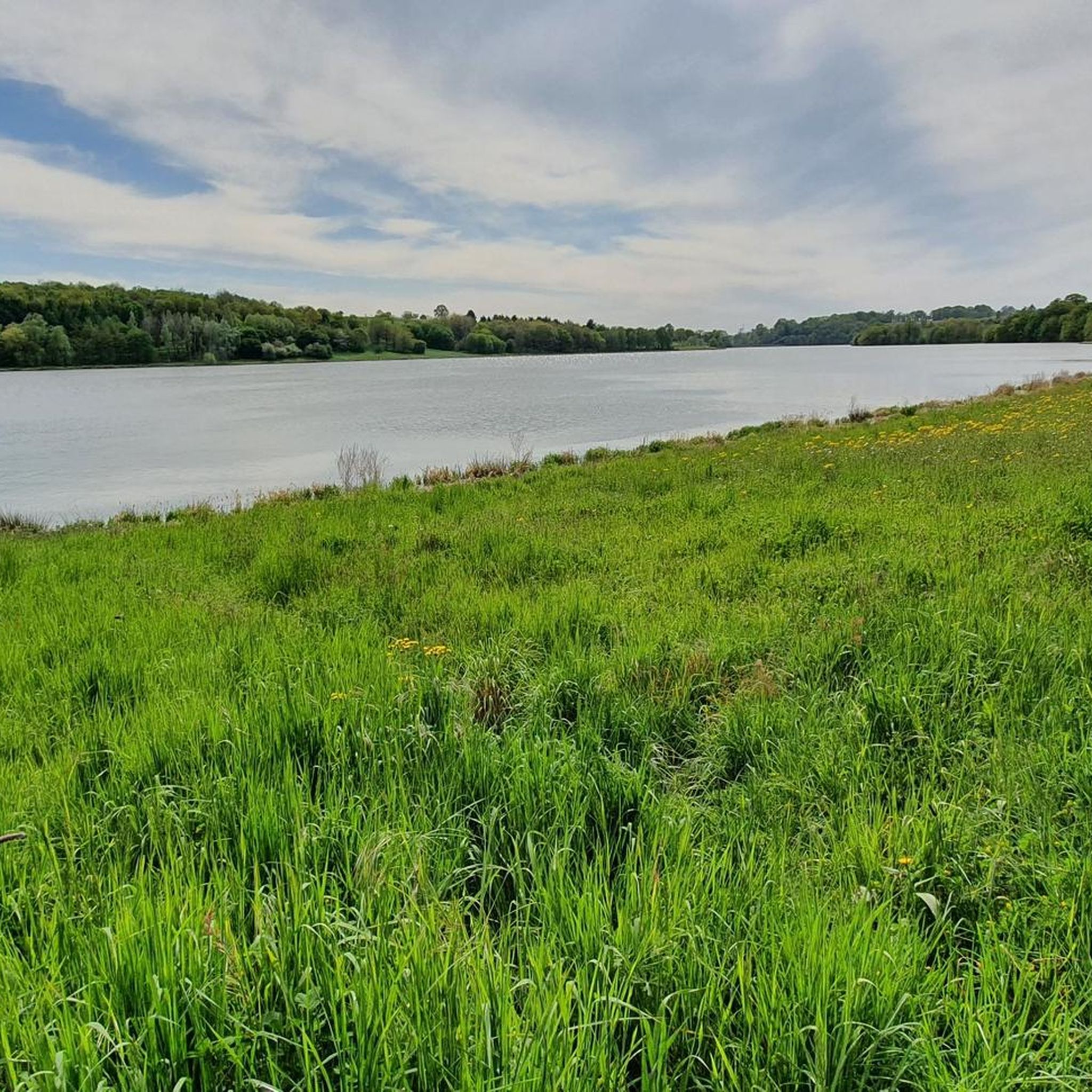
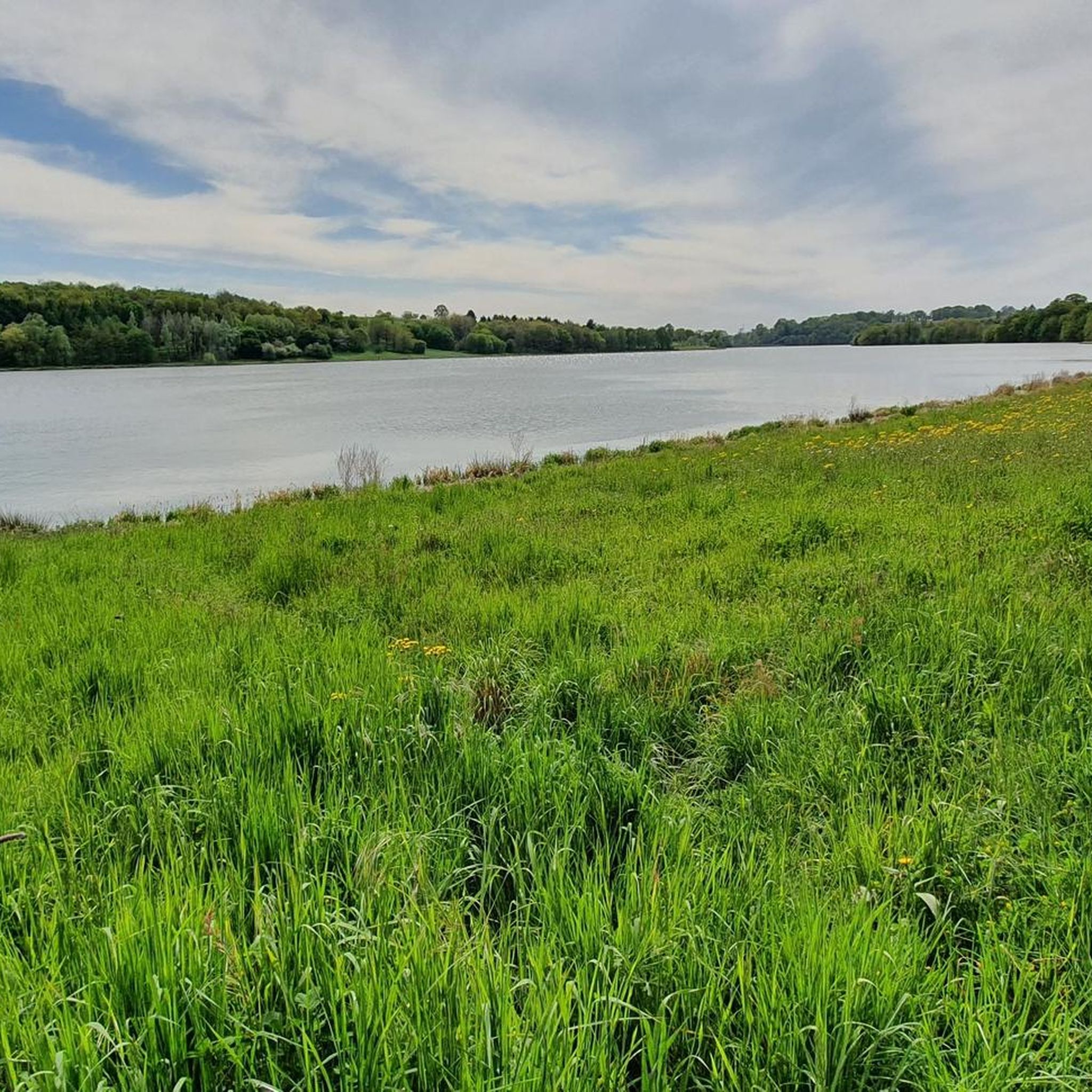
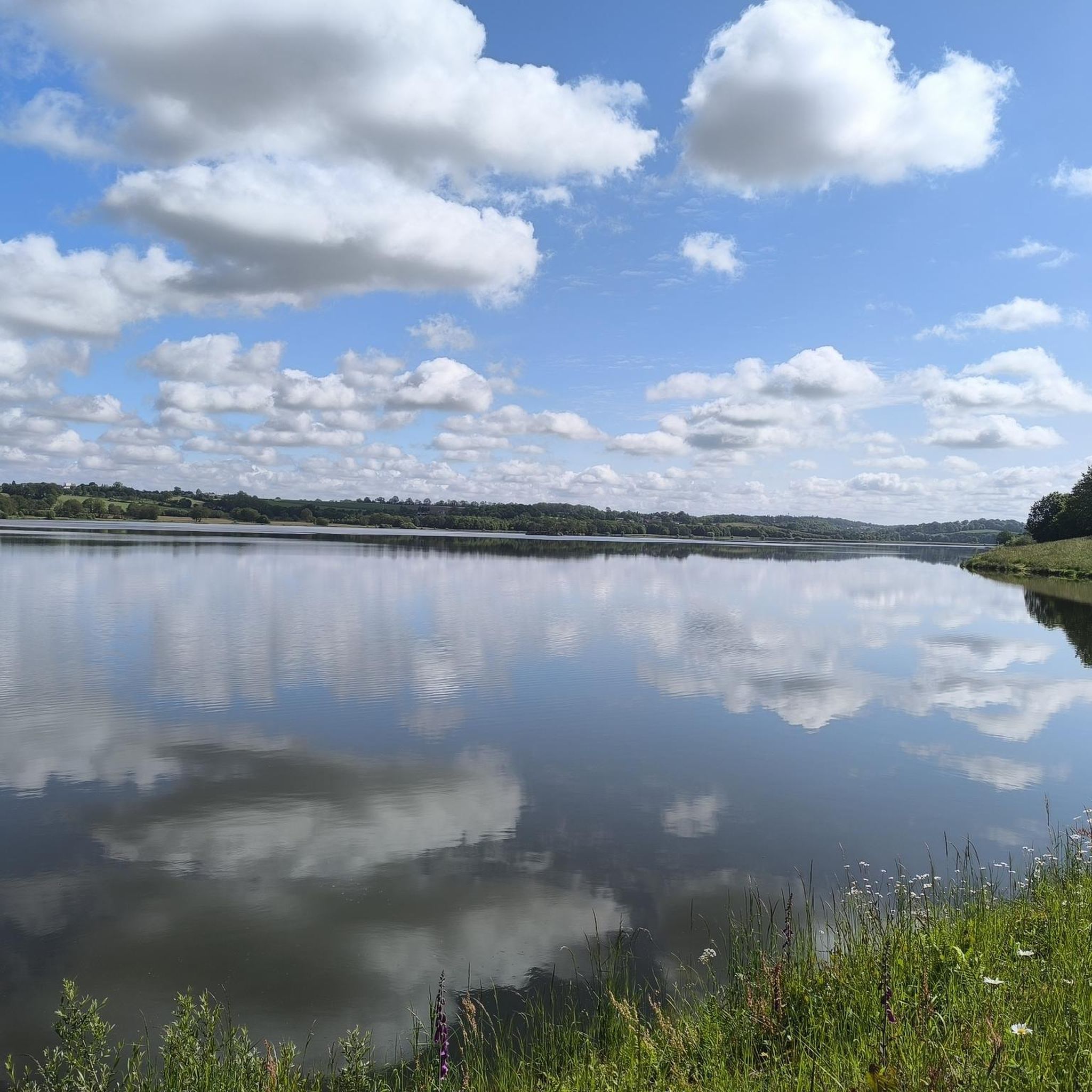
Road cycling in Champeaux offers stunning coastal views, particularly of Mont Saint-Michel Bay from the Cliffs of Carolles and Champeaux. Inland, you might encounter historical sites like Vitré Castle or religious buildings such as Notre-Dame Church. The region also features beautiful natural spots like the Cantache Pond and viewpoints over the Étang de la Corbière.
What natural features define the road cycling experience in Champeaux?
The road cycling experience in Champeaux is largely defined by its dramatic coastline, featuring the granite Cliffs of Carolles and Champeaux, which provide breathtaking panoramic views of Mont Saint-Michel Bay. The terrain includes undulating roads with both challenging climbs and exhilarating descents. Beyond the coast, the Norman countryside offers rolling hills and picturesque rural landscapes.
When is the best time of year to go road cycling in Champeaux?
The best time for road cycling in Champeaux is generally during the milder months, from spring to early autumn, when the weather is most favorable for outdoor activities. This allows you to fully enjoy the coastal views and rural landscapes without extreme temperatures.
Are there family-friendly road cycling routes in Champeaux?
Yes, with 67 easy routes available, Champeaux offers options suitable for families. These routes typically feature less elevation gain and are designed for a more relaxed pace, allowing everyone to enjoy the scenery.
Can I bring my dog on road cycling routes in Champeaux?
While road cycling itself isn't typically suitable for dogs to accompany riders directly on the bike, many routes pass through natural areas where you might find opportunities for your dog to enjoy walks off the bike, provided local regulations are followed. Always check specific route details for any restrictions.
Is parking available for cyclists in Champeaux, and how accessible is it by public transport?
Parking for cyclists is generally available in and around Champeaux, particularly near popular starting points for routes. While specific public transport links directly to trailheads might be limited, the region is accessible, and planning your journey in advance is recommended.
Are there places to stop for refreshments or accommodation along the road cycling routes?
Many road cycling routes in Champeaux pass through or near villages and towns where you can find cafes, restaurants, and accommodation options. It's advisable to check the route details on komoot or local tourist information for specific amenities along your chosen path.
Are there many circular road cycling routes available in Champeaux?
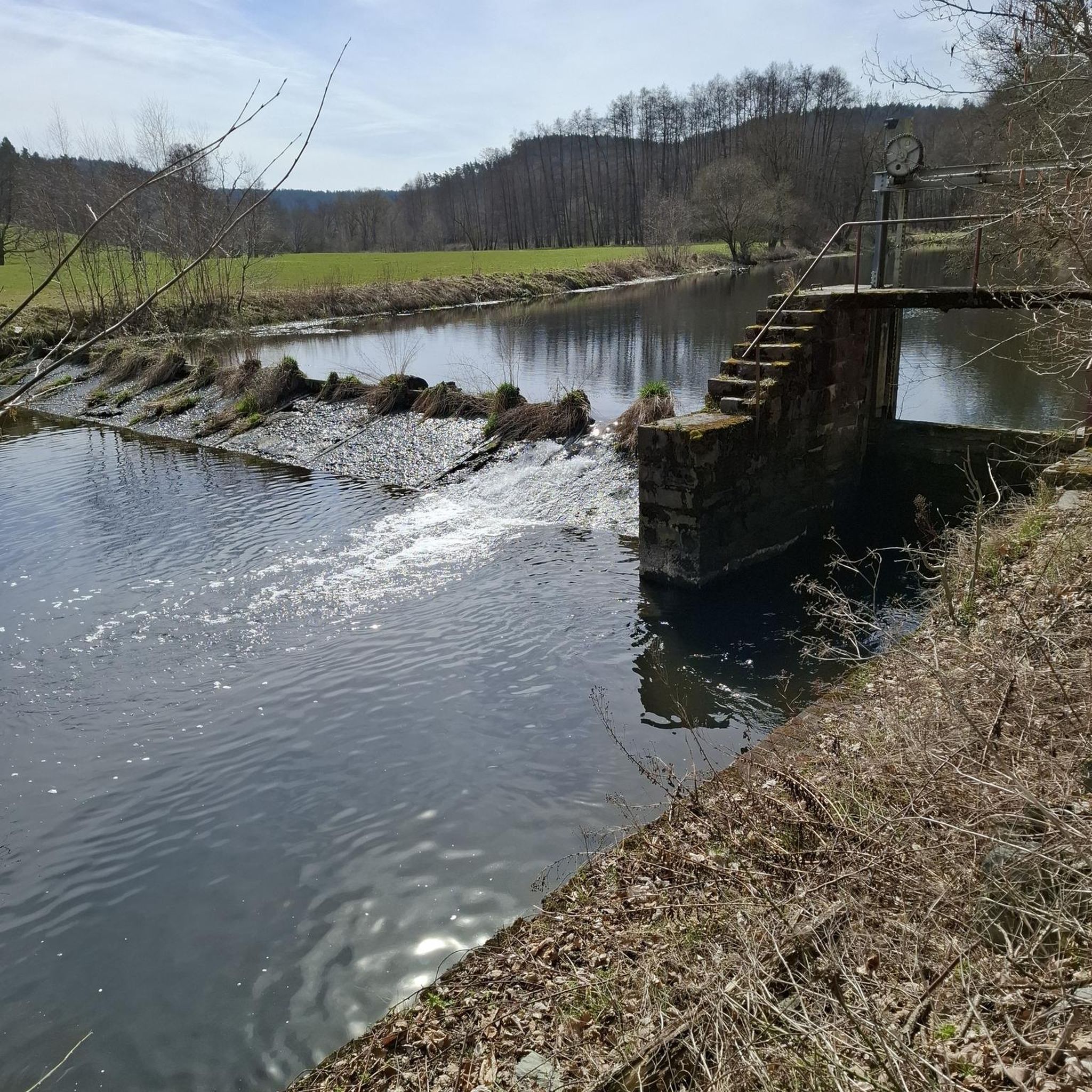
Yes, many of the road cycling routes in Champeaux are designed as loops, allowing you to start and finish at the same point. Examples include the View of Acigné Mill – Acigné Bridge loop from Les Lacs and the Chapelle de Taillis – Château de Vitré loop from Landavran, offering convenient exploration.
What do other road cyclists enjoy the most about road cycling in Champeaux?
The road cycling experience in Champeaux is highly rated by the komoot community, with an average score of 4.6 stars from over 60 reviews. Cyclists often praise the diverse scenery, from the dramatic coastal cliffs with views of Mont Saint-Michel to the tranquil rolling hills of the Norman countryside, and the variety of routes suitable for different skill levels.
Are there any unique or 'hidden gem' road cycling experiences in Champeaux?
Beyond the well-known coastal views, exploring the smaller, less-traveled roads inland can reveal picturesque villages and quiet rural landscapes. The region's ecological diversity, with its unique flora and fauna along the cliffs, also offers a special dimension to your ride. Consider routes that pass by historical elements like the Vauban cabanes along the cliffs for a unique blend of history and nature.
Most popular attractions around Champeaux

Get inspired with the komoot mobile app


Explore more
Browse the best Road cycling routes in other regions.
