The best walks and hikes around Buoux
4.7
(675)
2,637
hikers
53
hikes
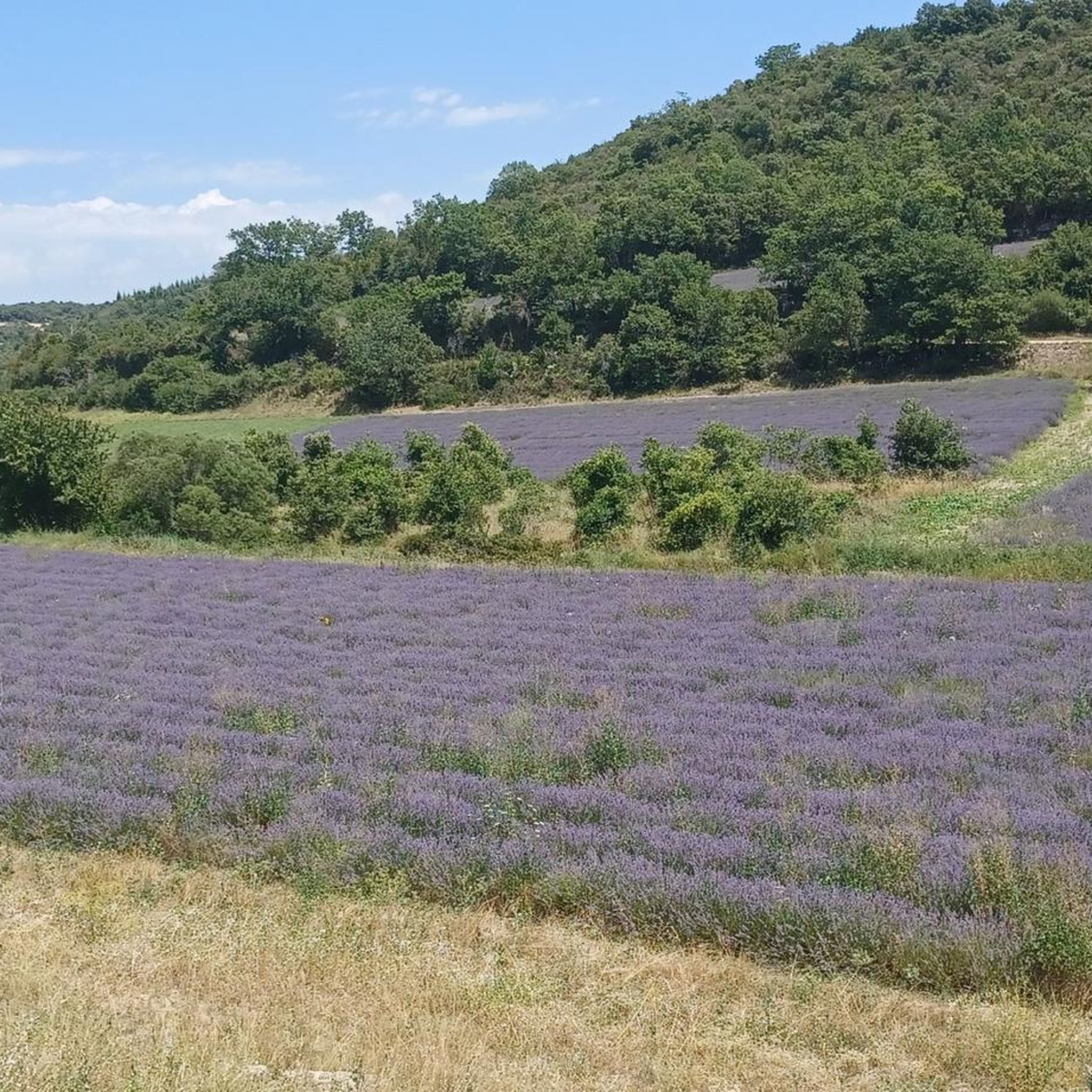
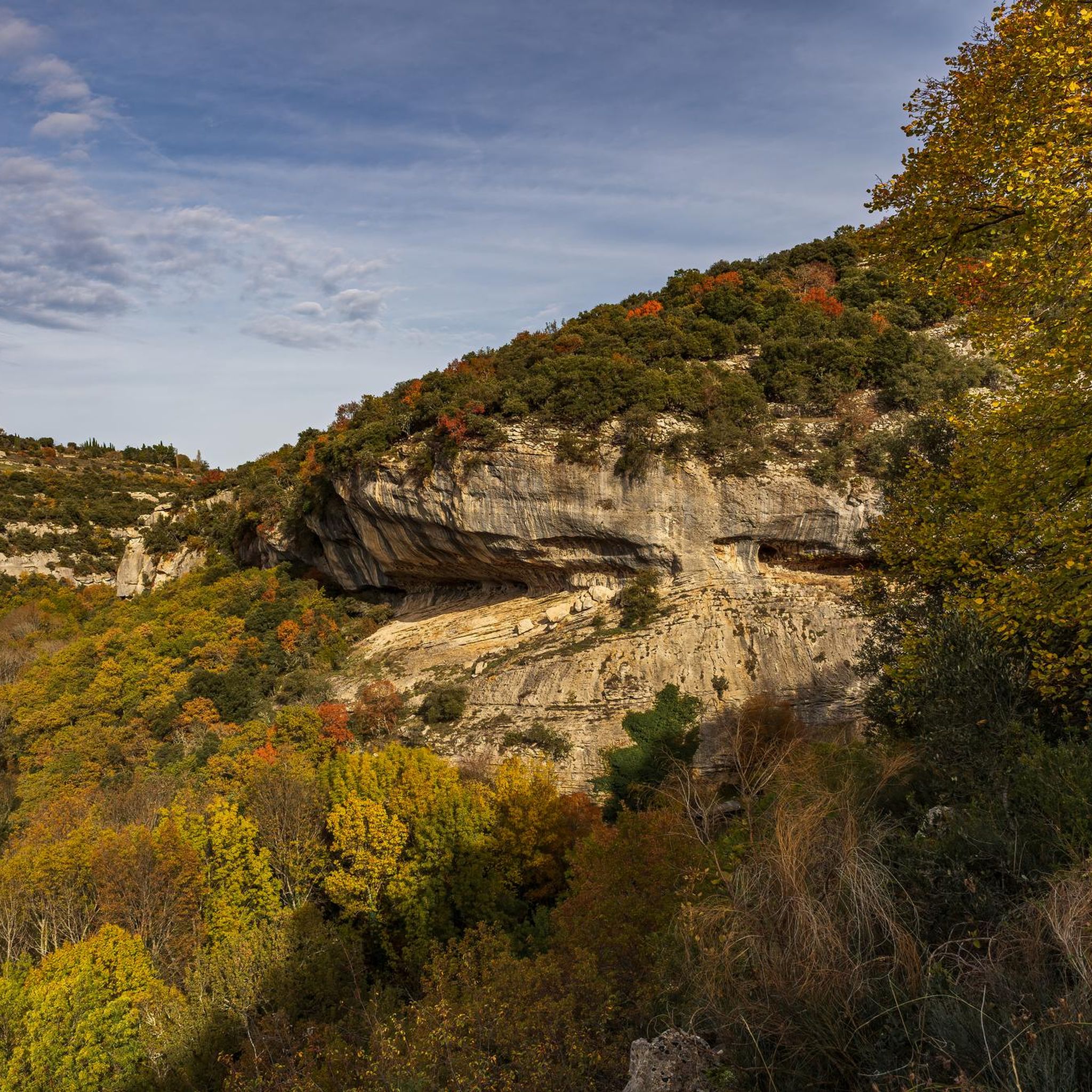
Hiking around Buoux offers diverse terrain within the Luberon Regional Natural Park, characterized by its dramatic rock formations and the unique Aiguebrun Valley. This area features high rock walls, ancient donkey trails, and the Claparèdes Plateau. The landscape supports a distinct flora due to its humid, cool microclimate, providing varied environments for exploration. Trails range from gentle paths to more challenging routes, often leading to panoramic views of the Vaucluse and Mont Ventoux.
Best hiking trails around Buoux
- The most…
Last updated: June 25, 2026
4.7
(95)
337
hikers
11.4km
03:19
290m
300m
Moderate hike. Good fitness required. Easily-accessible paths. Suitable for all skill levels.
4.7
(114)
405
hikers
11.6km
03:31
390m
390m
Moderate hike. Good fitness required. Easily-accessible paths. Suitable for all skill levels.

Sign up for free
4.7
(81)
295
hikers
8.21km
02:23
220m
220m
Moderate hike. Good fitness required. Easily-accessible paths. Suitable for all skill levels.
4.7
(43)
120
hikers
Moderate hike. Good fitness required. Easily-accessible paths. Suitable for all skill levels.
4.9
(20)
101
hikers
3.02km
01:00
140m
140m
Easy hike. Great for any fitness level. Easily-accessible paths. Suitable for all skill levels.
Get access to more routes and recommendations from other explorers.
Sign up for free
Already have an account?
Our route recommendations are based on thousands of hikes, rides, and runs completed by other people on komoot.
Start today with a free account
Your next adventure awaits.
Login or Signup
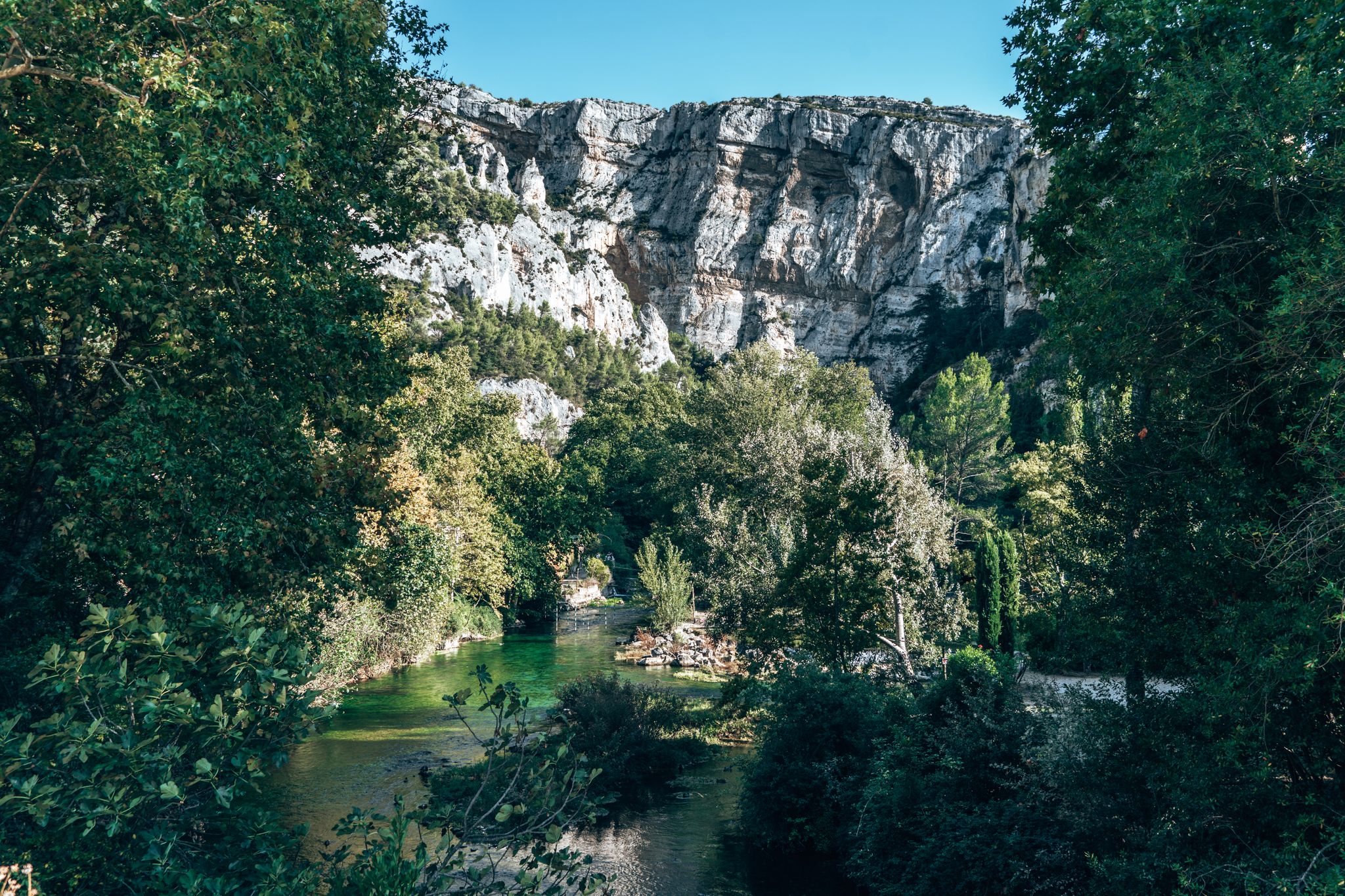
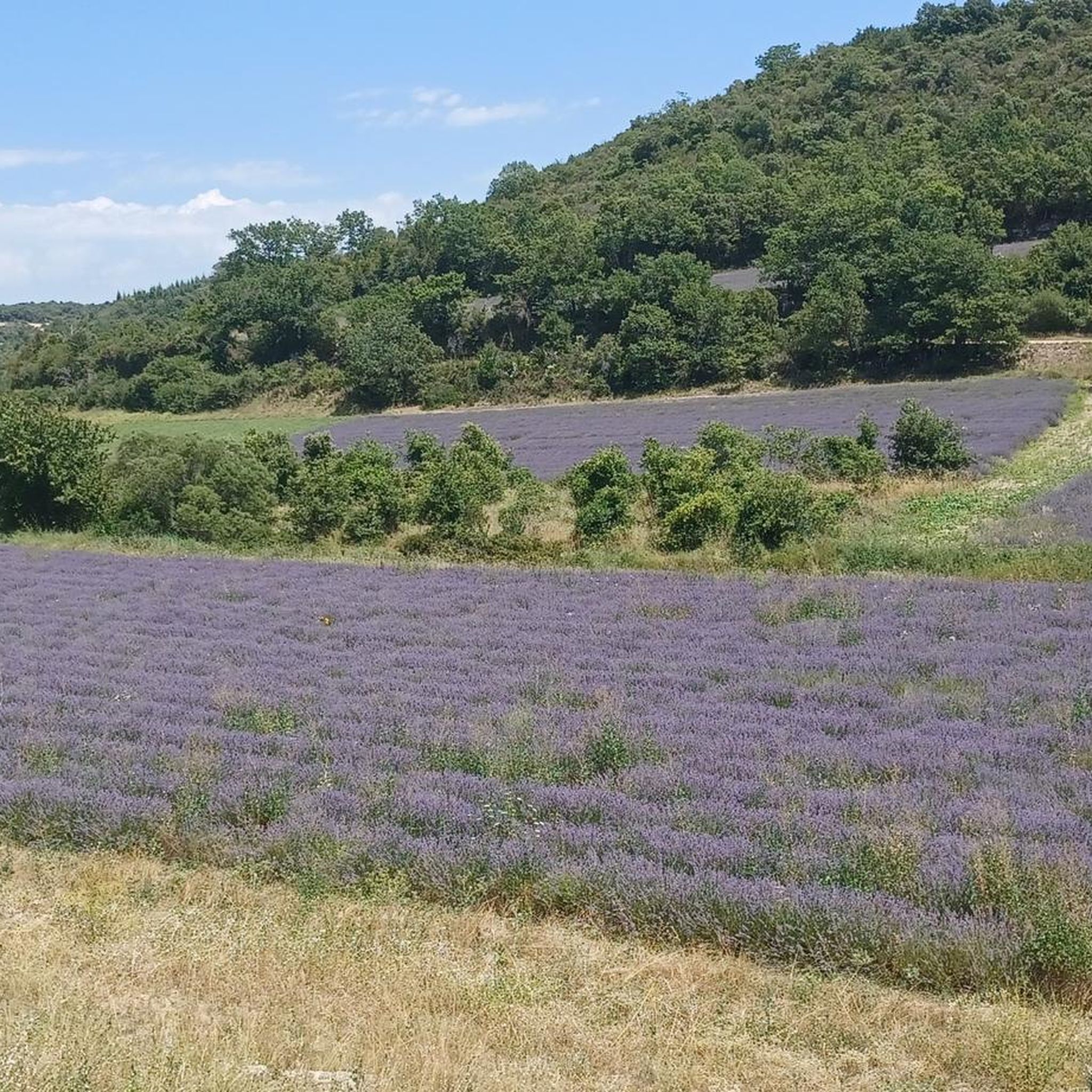
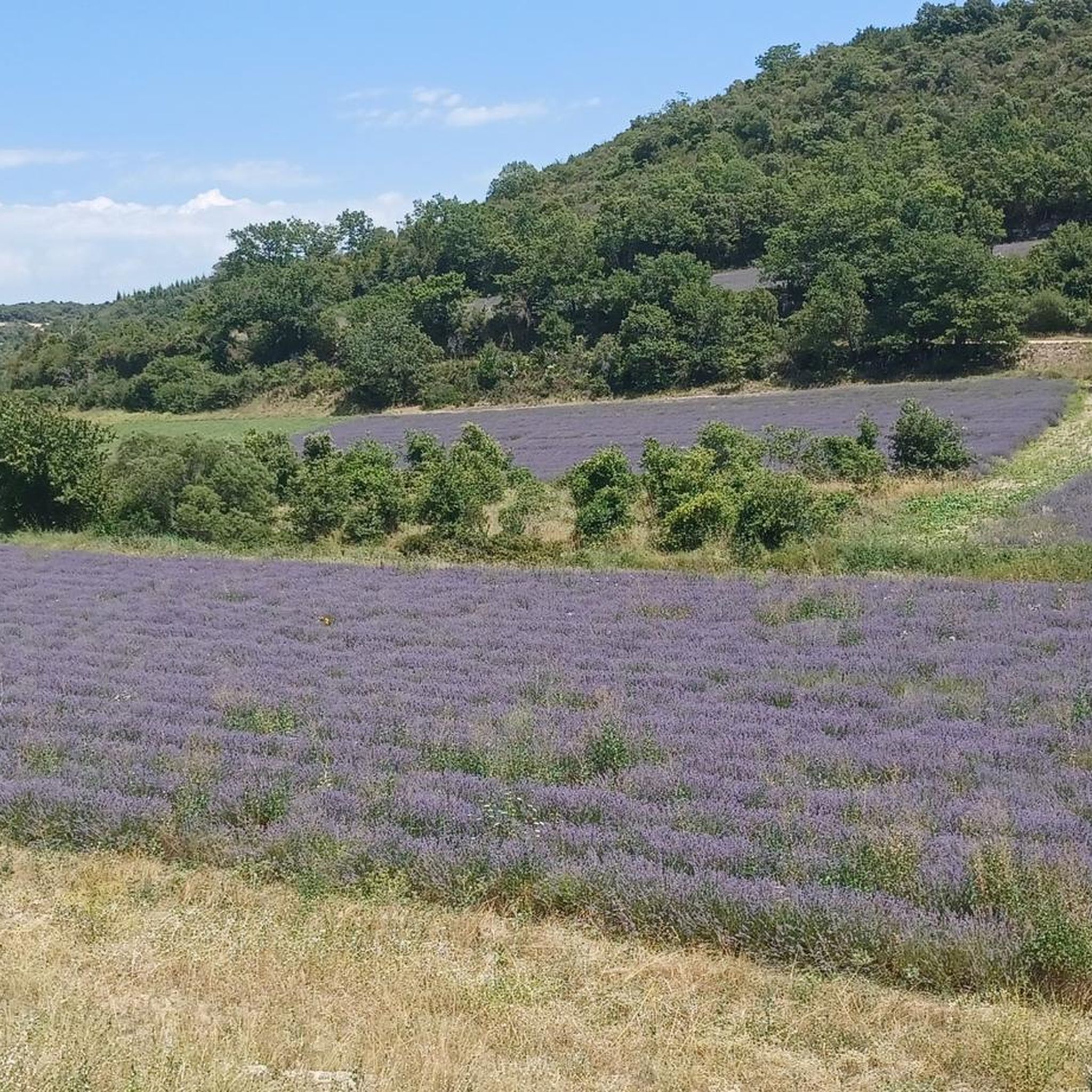
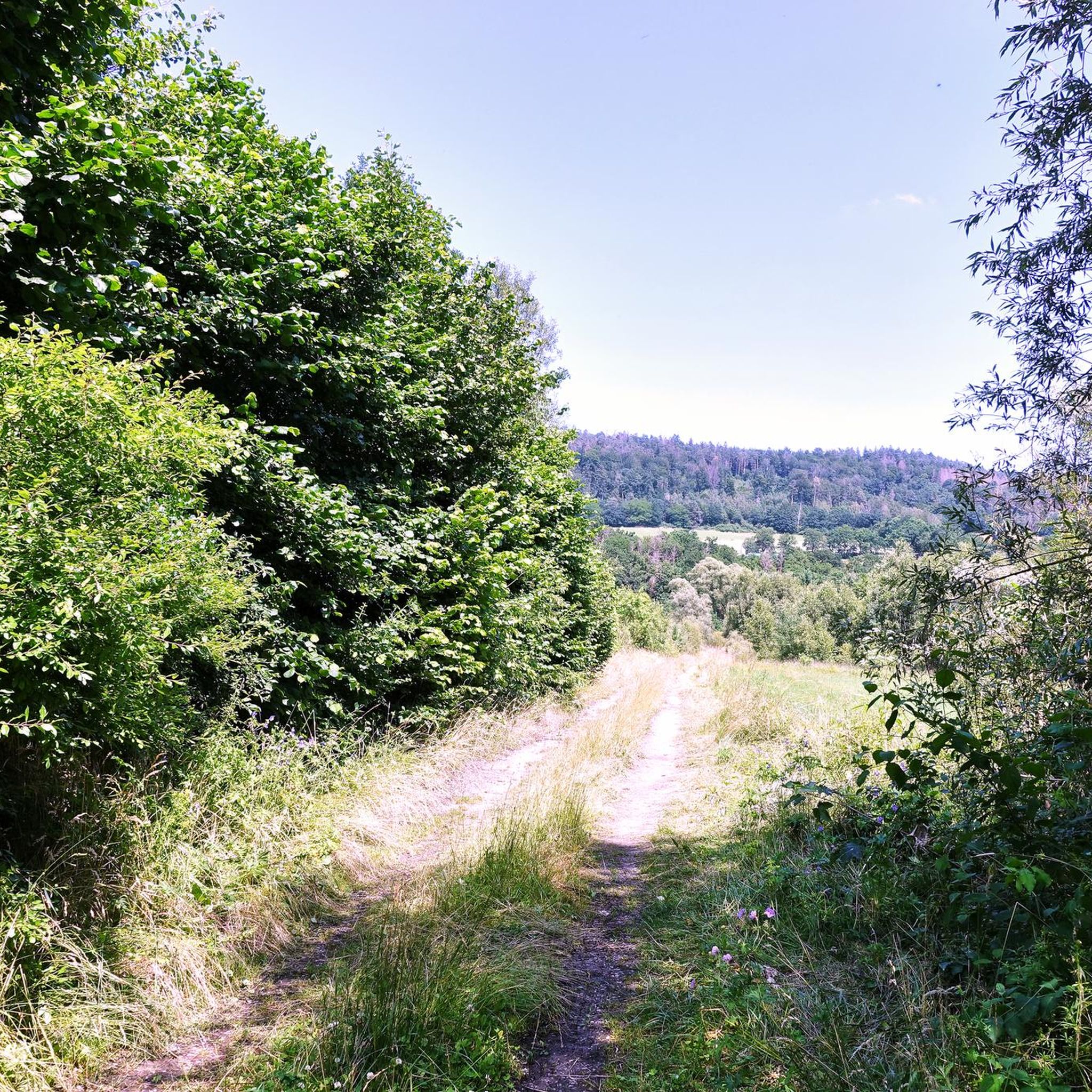
Other adventures around Buoux

Tips from the Community


You cannot help but be impressed by this magnificent, centuries-old oak tree which stands majestically in the heart of the Provençal countryside, offering you a serene place in the middle of a landscape of rolling hills and lush vegetation.
1
0

Sivergues is a small picturesque village in the Luberon, nestled at an altitude of 600 meters and surrounded by preserved natural landscapes. With barely twenty inhabitants, this isolated hamlet has retained its old-world charm with its stone houses, narrow streets, and panoramic views of the surrounding mountains.
0
0
The Aiguebrun, a rare semi-permanent watercourse in the Mediterranean region, crosses a major ecological valley in the Park. This site is home to species such as brown trout, southern barbel and the rare white-clawed crayfish. The presence of these species testifies to the good health of the aquatic ecosystem, highlighting the importance of its preservation.
1
1
The Aiguebrun gorges, rich in ancient geological history, are distinguished by their high limestone cliffs and their piles of collapsed rocks. They were formed around six million years ago, following the drying up of the Mediterranean Sea. This phenomenon caused the water level to drop by around 1,000 meters, allowing rivers to carve vast canyons, which were then partially filled in by sedimentary deposits. Over the course of the ice ages, erosion has accentuated the verticality of the cliffs, making the landscape even more spectacular.
0
0
Buoux has a rich history, marked by the construction in the 17th century of the old village, the small Provençal church and the surrounding country houses. The church, built in 1704 on the remains of an earlier chapel, houses a tabular altar from the pre-Romanesque period. The town hall also keeps an oven, dating from the establishment of the village, regularly maintained by the municipality. The village is most famous for Fort de Buoux, a medieval fortress perched on a rocky outcrop, offering spectacular views over the Luberon. This defensive site served as a refuge in the Middle Ages and is today a popular place for hiking and climbing. Buoux is surrounded by limestone cliffs, which attract climbing enthusiasts from all over the world.
0
0

Unique experience! But you shouldn't be afraid of heights.
0
0
Frequently Asked Questions
How many hiking trails are available in Buoux?
Buoux offers a wide range of hiking opportunities with over 55 trails. These include 23 easy routes, 28 moderate paths, and 4 more challenging options, catering to various skill levels.
What kind of terrain can I expect on hikes around Buoux?
The terrain around Buoux is diverse, featuring the deep Aiguebrun Valley, impressive rocky cliffs, and the expansive Claparèdes Plateau. You'll encounter ancient donkey trails, high rock walls, and paths leading to panoramic views of the Vaucluse and Mont Ventoux. Some routes may even involve minor rock climbing sections with ropes or chains.
Are there any challenging hikes for experienced hikers in Buoux?
Yes, for experienced hikers, Buoux offers several challenging routes. These often involve ascents into the Grand Luberon, with some trails requiring good fitness and sure-footedness. The area's dramatic cliffs provide demanding terrain, and some routes might include technical sections.
Can I find family-friendly hiking options in Buoux?
Buoux has 23 easy routes that are generally suitable for families. These paths often explore the less strenuous parts of the Aiguebrun Valley or offer gentle walks with beautiful views. For example, the Giant Rock Overhang in the Luberon – L'Aiguebrun near Buoux loop from Buoux is an easy option.
Are dogs allowed on the hiking trails in Buoux?
As Buoux is located within the Luberon Regional Natural Park, dogs are generally permitted on trails, but it's always recommended to keep them on a leash to protect local wildlife and ensure their safety, especially near cliffs or in areas with livestock. Always check specific trail regulations.
What are some notable natural features or landmarks to look out for?
Hikers in Buoux will encounter several striking features. The Aiguebrun Valley is particularly notable for its unique flora supported by a humid microclimate. You'll also see dramatic cliffs and rock formations, and the historic ruins of the Fort de Buoux perched on natural rocky outcrops. The Claparèdes Plateau offers beautiful views, and trails often lead to picturesque villages.
Are there circular hiking routes available in Buoux?
Yes, many of the trails in Buoux are designed as circular routes, allowing you to start and end at the same point. A popular example is L'Aiguebrun near Buoux – Chantebelle Oak loop from Buoux, which offers scenic views and passes through notable oak trees. Another is the View of the cliffs – Wonderful hiking trails loop from Buoux.
What is the best time of year to go hiking in Buoux?
The Luberon region generally enjoys pleasant weather for hiking for much of the year. Spring and autumn are ideal, offering mild temperatures and vibrant landscapes. Summer can be hot, so early morning or late afternoon hikes are recommended. Winter hiking is possible, but some higher elevation trails might be cooler.
What historical sites can I explore while hiking in Buoux?
The most prominent historical site is the Fort de Buoux, whose ruins are dramatically situated on natural rocky cliffs overlooking the gorge. Hiking trails often pass by or offer views of this ancient fortress, providing a glimpse into the region's past. You might also encounter ancient donkey trails used for centuries.
Are there any nearby attractions worth visiting after a hike?
Absolutely. After your hike, you can explore several nearby attractions. Consider visiting the ancient Roman bridge Pont Julien, or the striking natural formations of The Ochres of Roussillon and its Ochre Trail. For history enthusiasts, there are several castles like Château de Lourmarin or Lacoste Castle within a short drive.
How can I get to the hiking trailheads in Buoux?
Buoux is best accessed by car, and there are usually designated parking areas near popular trailheads. Public transport options are limited in this rural part of the Luberon Regional Natural Park, so driving offers the most flexibility for reaching various starting points for your hikes.
What makes the Aiguebrun Valley special for hikers?
The Aiguebrun Valley is unique because the Aiguebrun is the only permanently flowing river in the Luberon, carving a gorge between the Grand and Petit Luberon. Its upper course in Buoux is flanked by high rock walls, creating a humid, cool microclimate that supports a distinct flora not typically found in the region. Trails like Vallon de l'Aiguebrun and Chantebelle allow you to explore this special environment.
What do other hikers say about the trails in Buoux?
The trails in Buoux are highly regarded by the komoot community, with an average score of 4.7 stars from over 600 reviews. Hikers often praise the dramatic scenery, the unique environment of the Aiguebrun Valley, and the variety of routes available for different skill levels. Many appreciate the panoramic views and the historical elements like the Fort de Buoux.
Most popular attractions around Buoux

Get inspired with the komoot mobile app


Explore more
Browse the best Hikes in other regions.
