The best mountain hikes around Mont-Saxonnex
5.0
(13)
139
hikers
14
hikes
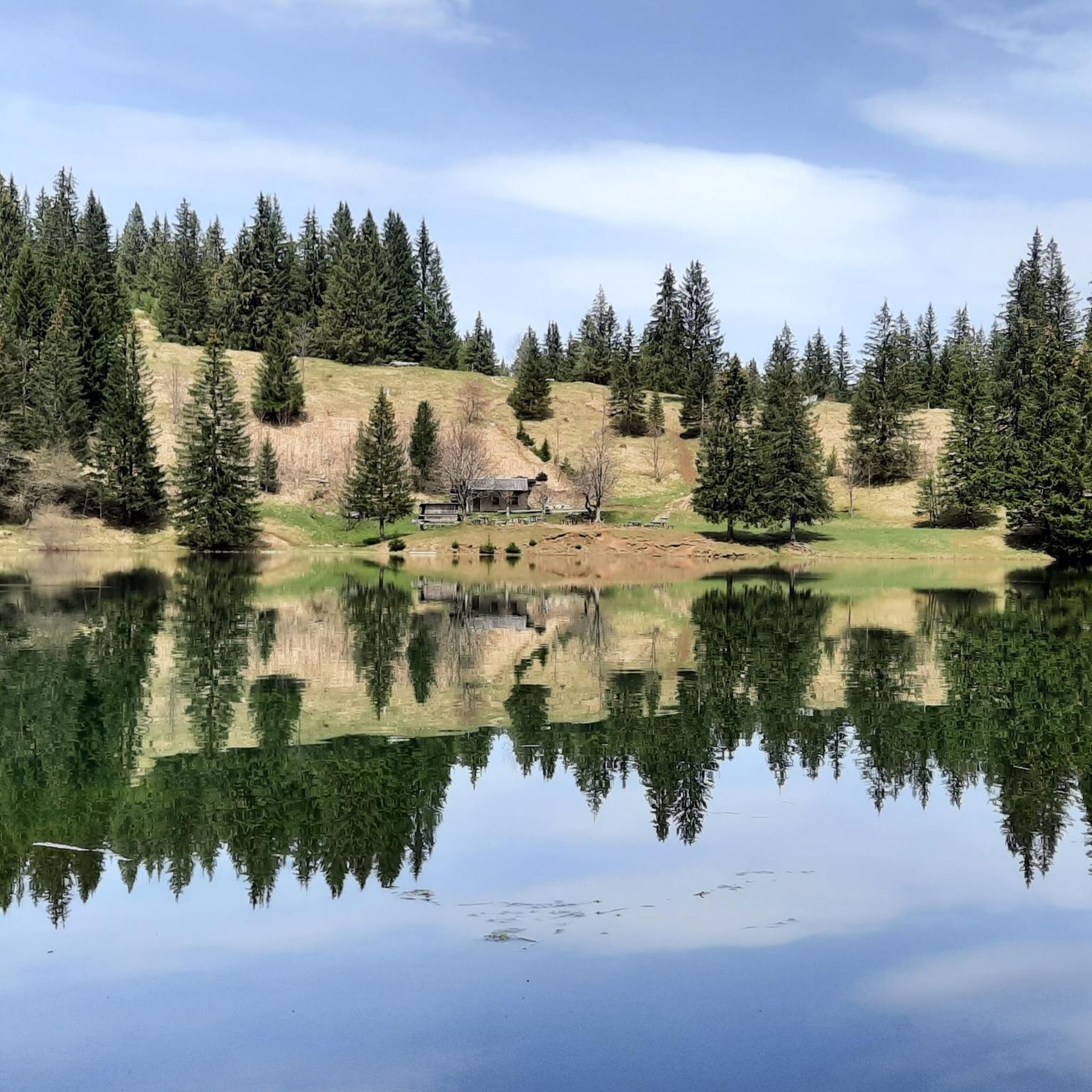
Mountaineering routes Mont-Saxonnex are situated in the Haute-Savoie region of France, at the base of the dramatic Bargy mountain range. The area is characterized by diverse natural landscapes, including imposing limestone cliffs, alpine pastures, and dense forests. This terrain provides a range of challenging climbs and extensive trails for experienced mountaineers.
Best mountaineering routes around Mont-Saxonnex
- The most popular mountaineering route is Via Ferrata loop from Col de la Colombière, a 3.2 miles (5.1 km) trail that takes 3…
Last updated: May 15, 2026
5.0
(1)
28
hikers
5.10km
03:55
570m
570m
Hard mountaineering route. Good fitness required. Sure-footedness, sturdy shoes and alpine experience required.
4.8
(4)
29
hikers
8.59km
04:12
670m
670m
Hard mountaineering route. Good fitness required. Sure-footedness, sturdy shoes and alpine experience required.

Sign up for free
5.0
(1)
21
hikers
11.3km
05:04
800m
800m
Hard mountaineering route. Very good fitness required. Mostly accessible paths. Sure-footedness required.
5.0
(2)
12
hikers
6.81km
03:44
620m
620m
Hard mountaineering route. Good fitness required. Sure-footedness, sturdy shoes and alpine experience required.
7
hikers
11.3km
05:57
1,060m
1,060m
Hard mountaineering route. Very good fitness required. Sure-footedness, sturdy shoes and alpine experience required.
Get access to more routes and recommendations from other explorers.
Sign up for free
Already have an account?
Our route recommendations are based on thousands of hikes, rides, and runs completed by other people on komoot.
Start today with a free account
Your next adventure awaits.
Login or Signup

Tips from the Community

Very nice hike. It was quite crowded today. Contrary to what’s written in the description, I didn’t see any particularly risky passages
0
0

Despite the chilling photos, the Cravate passage is not very exposed as long as there are no snowfields left to block the road (you can see them from La Roche sur Foron, which is quite practical as a local). Of course you shouldn't be afraid of heights but this path can even be crossed by running! So no worries
0
0
A majestic summit resembling a pyramid from the Cenise side, the Jallouvre - or Jalouvre - is a mythical summit whose ascent, although not difficult compared to its neighbor Pointe Blanche overhanging it by 30m, remains in the memory like that of a almost epic adventure between grueling scree (on both sides), the mythical Col du Razoir (the aptly named) and the Passage de la Cravate which, in the end, poses no more problem than that when the residual snowfields have disappeared, unless that we are subject to vertigo. In summary, one of the most beautiful hikes in the area in my opinion, for which you still need to be sure-footed and in good shape, but which can be tamed quite easily. Do not miss !
1
0
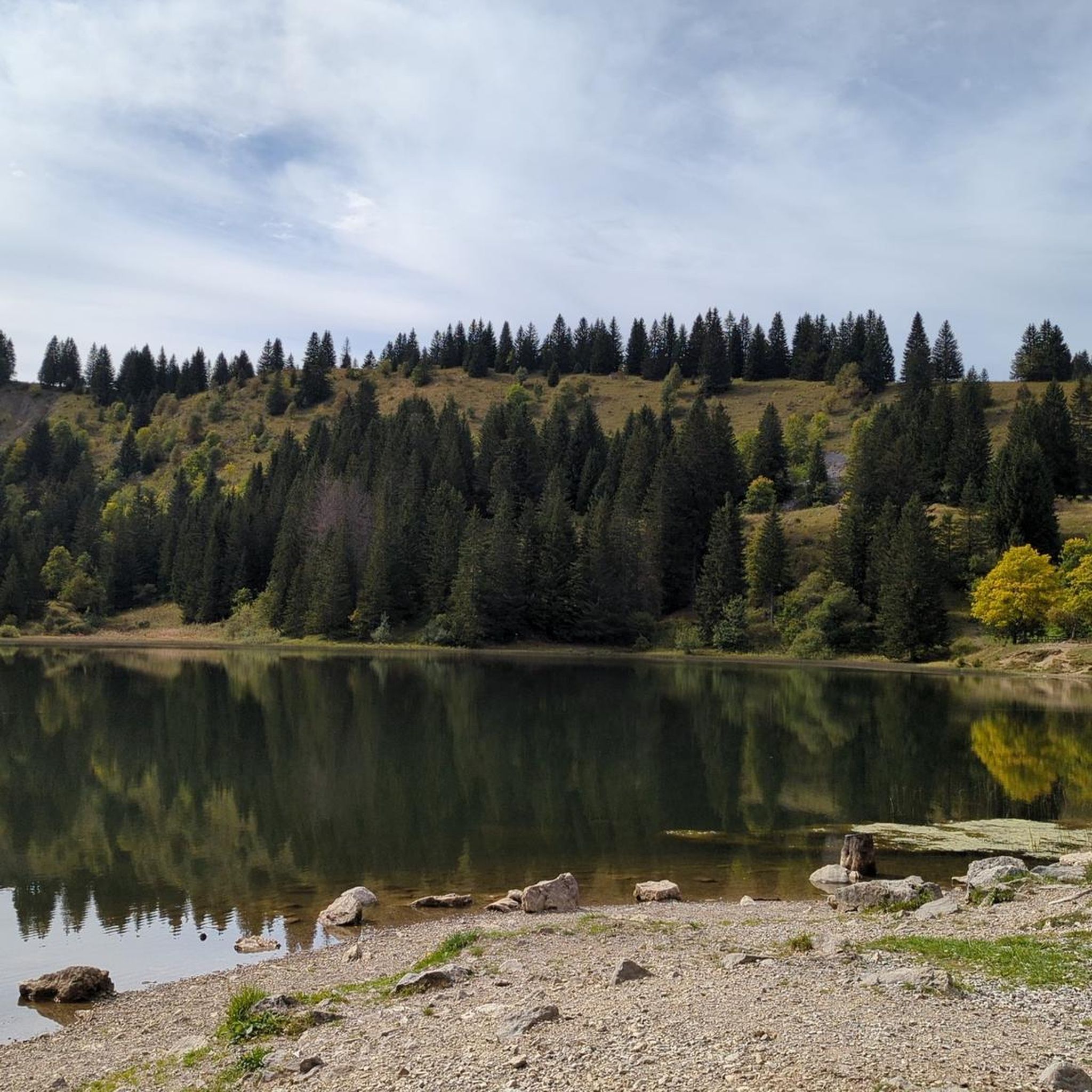
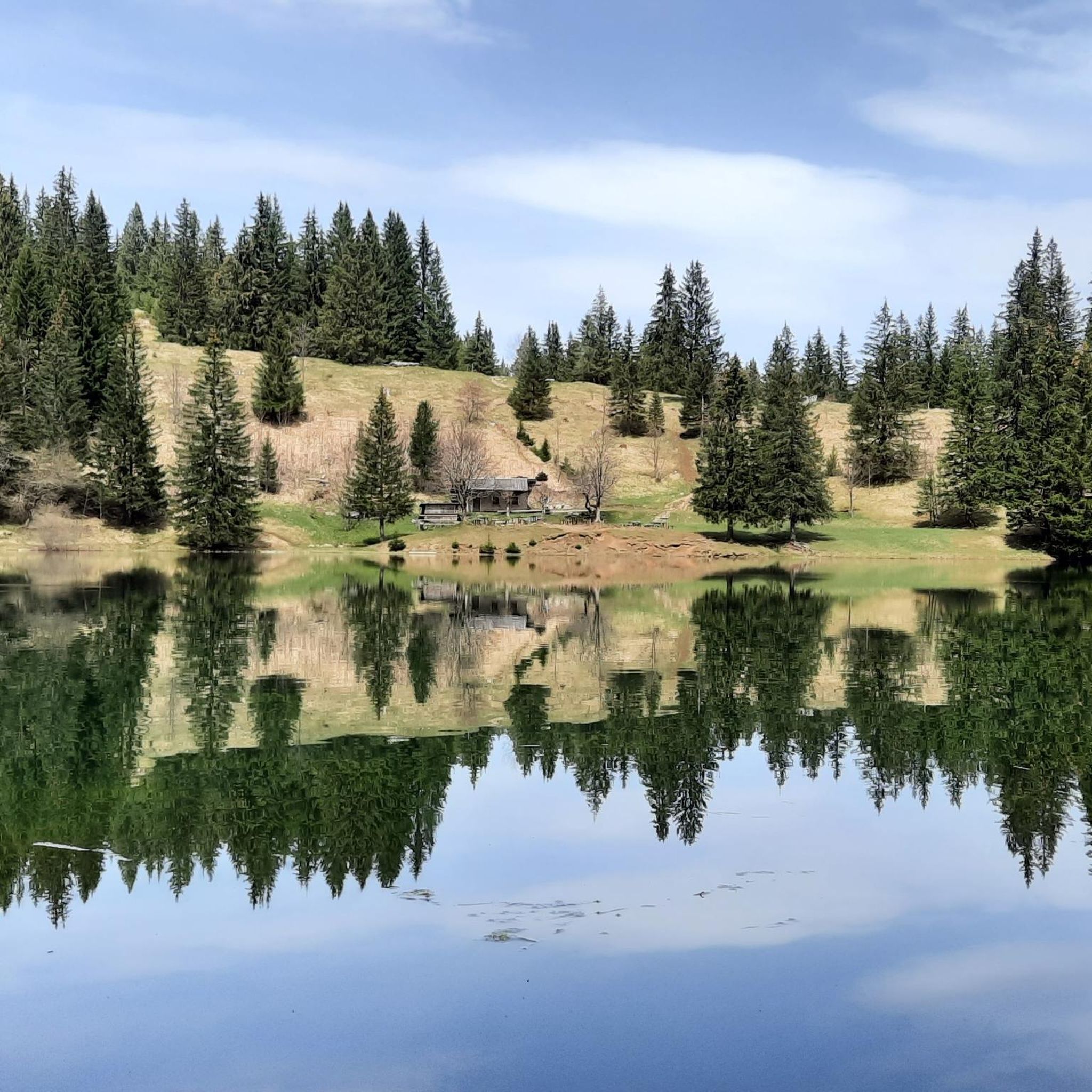
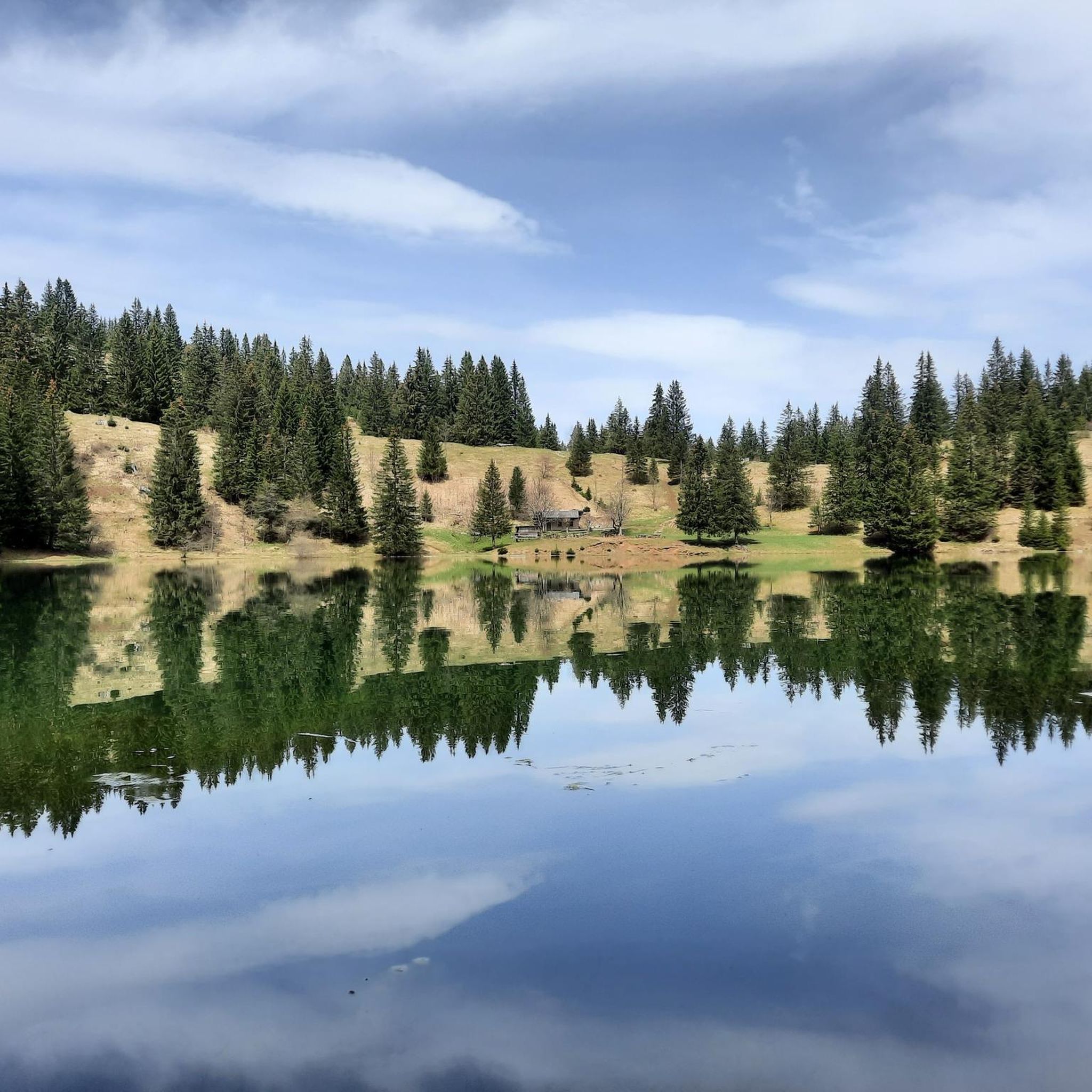
Very popular spot in summer. If you have a little strength in your legs to spare, don't stop at the lake, go up to the Balafrasse pass which gives a breathtaking view of the first as well as the Aravis range and Mont Blanc.
0
1
Much more aesthetic path than the usual path, it is however not recommended in case of vertigo
1
1
A few more 300m to climb from the lake but a fairly impressive panorama of the Aravis and Mont Blanc that you can't see from below. The climb is steep at the end but nothing very difficult (except perhaps the crossing to the summit cairn)
0
0

Frequently Asked Questions
How many mountaineering routes are available around Mont-Saxonnex?
There are 16 mountaineering routes around Mont-Saxonnex documented on komoot. These routes offer a variety of challenges, from moderate to difficult, catering to experienced mountaineers.
What kind of terrain can I expect on mountaineering routes in Mont-Saxonnex?
Mont-Saxonnex is situated at the foot of the dramatic Bargy mountain range, so you can expect diverse natural landscapes. Routes often feature imposing limestone cliffs, alpine pastures, and dense forests. High mountain passes like Col de la Colombière are also characteristic of the area, providing challenging ascents and alpine experiences.
Are there any circular mountaineering routes in Mont-Saxonnex?
Yes, Mont-Saxonnex offers several circular mountaineering paths. For example, you can explore the Via Ferrata loop from Col de la Colombière, which is a challenging 3.2-mile route. Another option is the Col de Balafrasse loop from Col de la Colombière, a 4.2-mile trail through mountain passes.
What are some notable natural attractions or viewpoints along the mountaineering routes?
The region is rich in natural beauty. You can find stunning views of the Arve Valley and surrounding mountains. Highlights include the beautiful Lac Bénit, nestled at 1,451 meters, and the scenic Lessy lake. For panoramic vistas, consider routes that pass by the Tête du Danay, which offers 360-degree views of the Aravis mountain range.
What is the best time of year for mountaineering in Mont-Saxonnex?
Summer is generally recommended for mountaineering in Mont-Saxonnex, with locations such as the Rochers de Leschaux, the Jalouvre, or the Petit Bargy being popular. During winter, after a significant freeze, the area transforms into an inspiring ice climbing spot, particularly at the Les Glaciers cliff, but this requires specific conditions and expertise.
Are there any easy or beginner-friendly mountaineering options in Mont-Saxonnex?
While many routes in Mont-Saxonnex are rated as difficult, there are a few moderate options. For example, the Le Môle – Petit Môle loop from Ayse is a challenging but rewarding route that offers a good introduction to the region's terrain, though it still requires good fitness. For easier options, consider general hiking trails in the area, such as those leading to Lac Bénit, which are more accessible.
Can I bring my dog on the mountaineering trails in Mont-Saxonnex?
The Haute-Savoie region generally welcomes dogs on trails, but specific regulations can vary by protected area or nature reserve. It's always best to keep your dog on a leash, especially in alpine pastures where livestock may be present, and to check local signage for any restrictions before heading out.
What do other mountaineers say about the routes in Mont-Saxonnex?
The mountaineering routes in Mont-Saxonnex are highly rated by the komoot community, with an average score of 4.97 stars from over 20 reviews. Mountaineers often praise the challenging ascents, the dramatic scenery of the Bargy mountain range, and the rewarding alpine experiences offered by routes around Lac de Lessy and Col de la Colombière.
Are there any specific challenges or advanced routes for experienced mountaineers?
Absolutely. Mont-Saxonnex is known for its hard mountaineering routes. The Lac de Lessy – Lessy lake loop from Col de la Colombière is a demanding 7-mile route with over 1000m of elevation gain. The region also features adventure climbing routes on Le Petit and Le Grand Bargy, and challenging loops around Lac de Lessy and Col de Balafrasse, which require good to very good fitness and alpine experience.
Is public transport available to reach the trailheads in Mont-Saxonnex?
While Mont-Saxonnex is accessible, public transport options directly to specific high-mountain trailheads can be limited. It's advisable to check local bus schedules, particularly from larger towns like Cluses, which may offer connections to the village. For many remote starting points, personal vehicle access is often the most convenient option.
Where can I find information about climbing sites like Le Petit and Le Grand Bargy?
Le Petit and Le Grand Bargy are recognized climbing destinations for experienced climbers. You can find more information about these sites and other climbing opportunities in the region through local tourism resources such as Cluses Montagnes Tourisme or Haute-Savoie Mont-Blanc Tourisme.
Are there any less crowded mountaineering routes in Mont-Saxonnex?
While popular spots like Lac Bénit can attract visitors, many of the more challenging mountaineering routes, especially those requiring alpine experience, tend to be less crowded. Exploring routes that venture deeper into the Bargy mountain range or those with significant elevation gain, such as the View of Lac de Lessy – Lac de Lessy loop from Le Chinaillon, might offer a more solitary experience.
Most popular routes around Mont-Saxonnex
Most popular attractions around Mont-Saxonnex

Get inspired with the komoot mobile app


Explore more
Browse the best Mountain Hikes & Routes in other regions.
