The best road cycling routes around Ardenay-Sur-Mérize
4.5
(44)
1,961
riders
366
rides
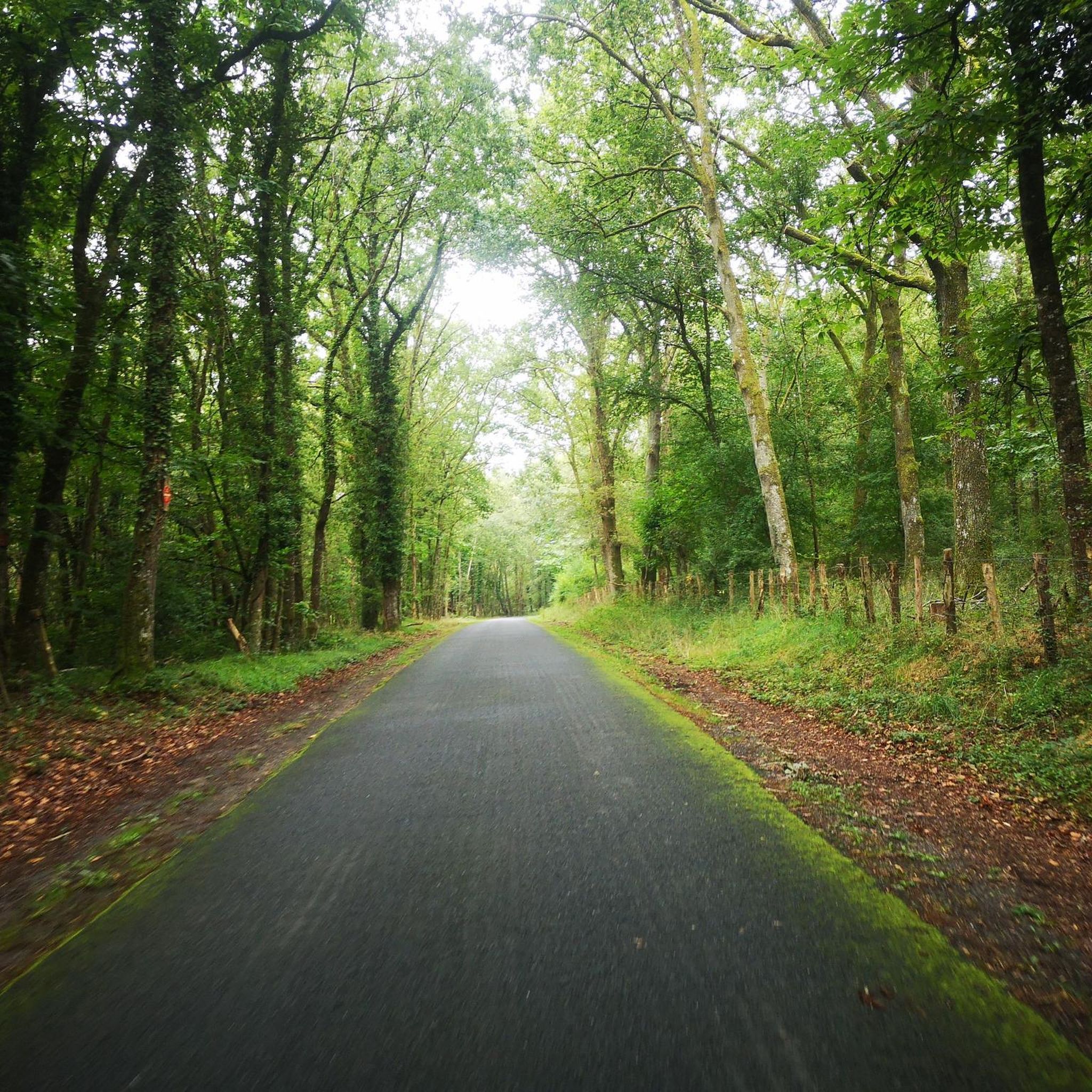
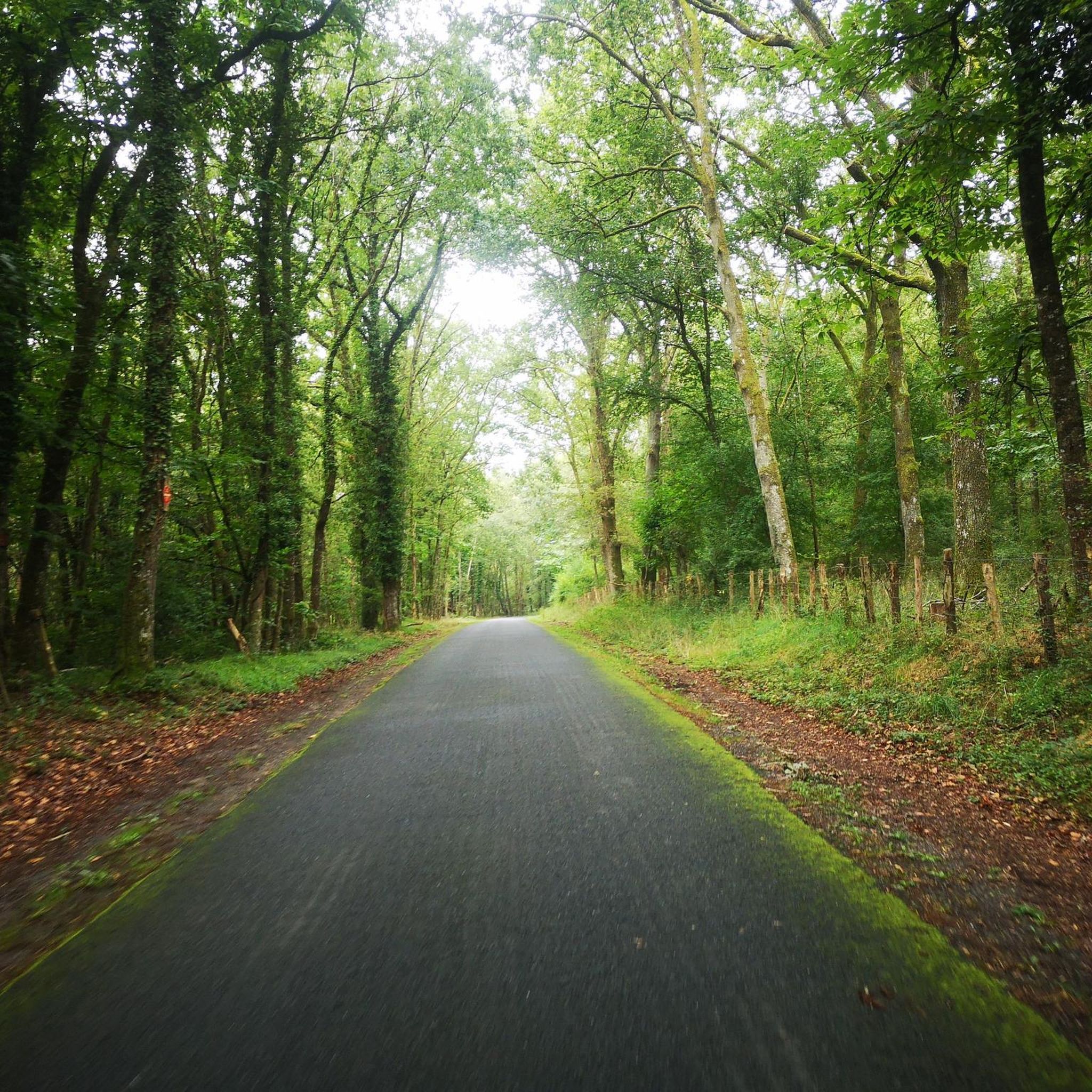
Road cycling routes around Ardenay-Sur-Mérize traverse a varied landscape of peaceful country roads, expansive forests, and picturesque river valleys in the Sarthe department. The immediate vicinity features gentle, verdant terrain with mild inclines, while more challenging and hilly areas, such as the Alpes Mancelles, are found to the north. The Mérize river flows through the region, and the Château d'Ardenay-sur-Mérize domain offers a 400-hectare certified forest with extensive paths. This mix of features provides diverse options for road cyclists.
Best…
Last updated: May 4, 2026
12
riders
49.1km
02:09
340m
340m
Moderate road ride. Good fitness required. Some segments of this route may be unpaved and difficult to ride.
11
riders
13.2km
00:40
150m
150m
Easy road ride. Great for any fitness level. Mostly well-paved surfaces and easy to ride.

Sign up for free
15
riders
44.4km
01:45
210m
210m
Easy road ride. Great for any fitness level. Mostly well-paved surfaces and easy to ride.
9
riders
116km
04:54
760m
760m
Moderate road ride. Good fitness required. Some segments of this route may be unpaved and difficult to ride.
8
riders
Moderate road ride. Good fitness required. Mostly well-paved surfaces and easy to ride.
Get access to more routes and recommendations from other explorers.
Sign up for free
Already have an account?
Our route recommendations are based on thousands of hikes, rides, and runs completed by other people on komoot.
Start today with a free account
Your next adventure awaits.
Login or Signup


Tips from the Community


Very short but with percentage
0
0
Very pleasant for a moment of relaxation
0
0

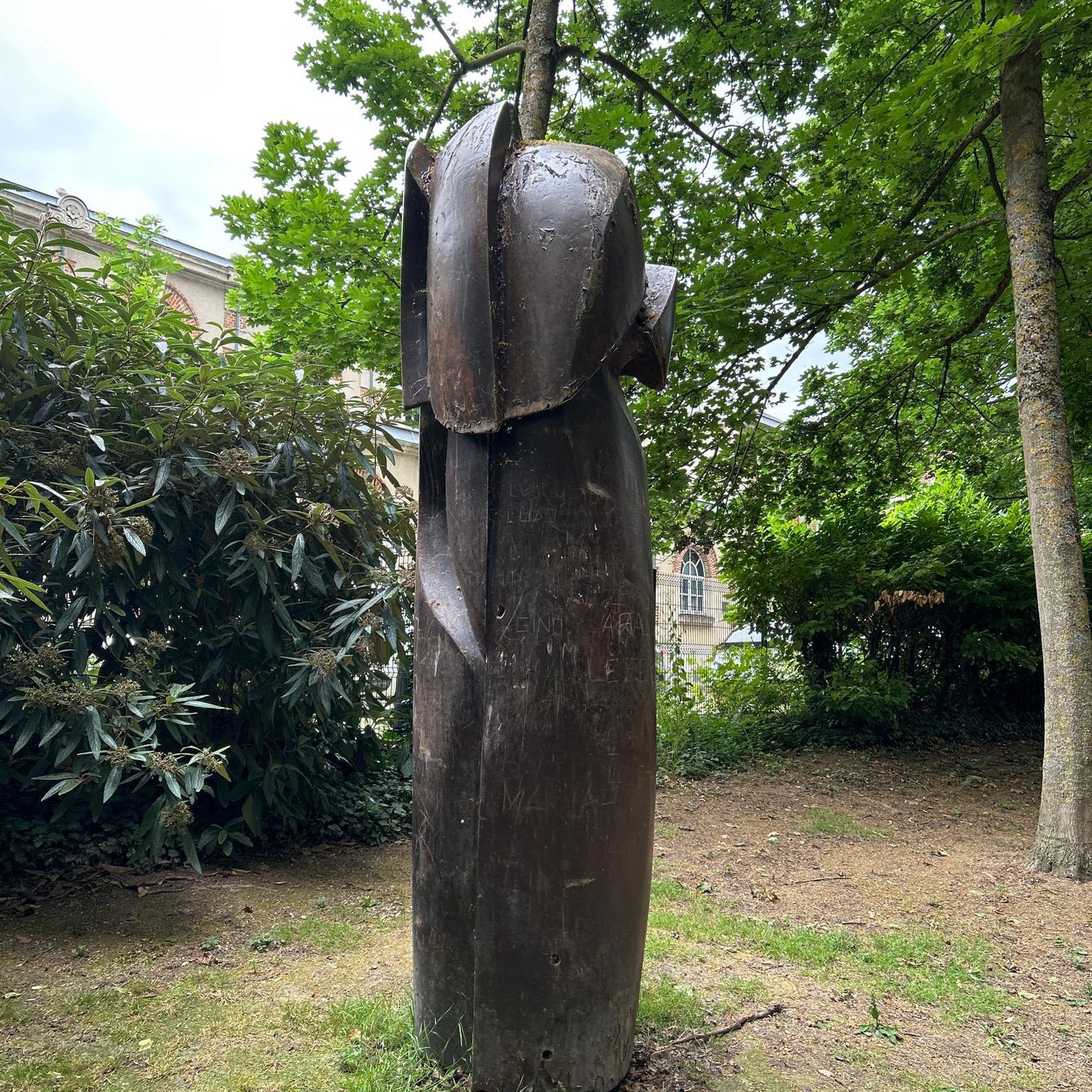
Dedicated to St Jouin, the church is only mentioned at the end of the 11th century. The building was fortified during the wars of religion. Gunboats (some rotating) are added as well as an underground refuge. You will see one as you go around the church. You can also admire the gargoyles and the magnificent sculpted capitals on either side of the portal. Inside, don't miss the carved keystones and capitals. The building contains quite rich furniture, including a headless sculpture holding a book whose origin and meaning remain mysterious.
0
0
Religious building or fortified castle? The church of St George is surprising! Of Romanesque origin (11th century), the places have been transformed over the centuries, notably during the wars of religion where the church was fortified. A front part is built with a complete defense system: watchtowers (small turrets), loopholes and barred doors. These defense elements narrowly escaped destruction in the 17th century. Inside you can admire a Virgin and Child, Saint Barbara, Saint Paul and of course the statue of Saint George. You will also be able to observe the remains of one of the Aunais crosses. The building presents many other treasures: old clock mechanism, exhibition on the Cassini family, liturgical vestments...
1
0
The first mentions of a place of worship in Tuffé refer to the Sainte-Marie church of the abbey and then the priory, from the 7th century. The creation of the parish of Tuffé is perhaps contemporary or later but currently not documented. Could the priory’s Sainte-Marie church, mentioned much earlier than the Saint-Pierre church, also have once been the parish church of Tuffé? Could the embryo of the current parish church be this private chapel that Hugues Doubleau gave to the abbey with the Sainte-Marie church at the beginning of the 11th century, according to the cartulary of the Saint-Vincent abbey in Le Mans ? In any case, the parish is only attested late by texts (beginning of the 12th century in the same cartulary), but the non-oriented plan of the church, as well as the term Saint-Pierre, argue for the age of the building. The addition of Saint-Paul to the term seems very late, even abusive, since the archival documents systematically refer to a Saint-Pierre church, as does the decoration of the building in the 19th century. If this is an error, it was perhaps induced by Julien-Rémy Pesche at the beginning of the 19th century. The oldest part of the current building is the nave, much remodeled subsequently but the base of the walls of which shows in places a structure made of small rubble stones from the Romanesque period at the latest. But above all, the north gable wall and the first bay of the gutter walls show traces of openings and corner chains made of bricks alternating with limestone cut stones. This formula, rare if not unique in Perche Sarthois, is debated as to its dating. Some historians see it as a testimony to Carolingian architecture. Others, more cautious, put forward an archaic dating of the 11th century, where the use of brick alternating with stone would be an economic choice rather than an aesthetic one: this would explain a certain irregularity in the implementation, particularly in the arch of the old door of the north gable wall. The same uncertainty hangs over the addition of the buttresses and the opening of the current north gate. The nave is covered with a new framework and a spire and the paneling was installed in 1604 as evidenced by the signature (repainted in 1885) “In 1604 this Church was labruchée – Tomas Mabile attorney of the Fabrique de Séans ". The dating of the other parts of the church is not much easier. The construction of the east chapel (presbytery side) is not in too much doubt, the Renaissance decoration of the door to the street and the cupboard, although crude, indicates the middle of the 16th century. This chapel, dedicated to the Virgin, belonged to the lords of Chéronne. Its western counterpart (square side), dedicated to the Sacré-Cœur and built by the lords of Ramée, is less easy to date due to lack of ancient decor. This chapel could have been built shortly before or shortly after that of Chéronne, but undoubtedly not simultaneously, as evidenced by the slight asymmetry of the roofs and the different profile of the structural members. The apse, generally considered to also date from the 16th century, could only be from the 3rd quarter of the 18th century, as a bundle of clues suggests: the axial wall left blind probably to accommodate an altarpiece, the plan burrow made between 1757 and 1759 which still shows a circular apse undoubtedly Romanesque, as well as a document from 1775, indicating that the priest "would have had the necessary and pleasant works done to the great altar of the said church caused by the demolition and construction that Mrs de Saint-Vincent would have had the gable of the said church made. The sacristy would be a 17th century addition.
0
0
In this architecture we find different styles and periods, from the 12th, 15th, 16th to the 19th century, including Gothic and Neo-Romanesque. Romanesque bays and foothills. Stained glass window and 16th century font as well as the current apse and the two side chapels. The south door with its lintel and its straight feet decorated with rosettes and diamonds. The church had stained glass windows from the end of the 15th and beginning of the 16th century. Fragments exist in the speckles and spandrels of the bay of the Rosary Chapel, listed in 1983. The stained glass windows are almost all dated and signed by the same glass painter between 1885-1889 "af Paris" probably Anselme Fialex, son of François Fialex who was a glass painter in Mayet Creation of an entrance to the square as well as the opening of new 19th century bays. the vault, paneled and undoubtedly painted from the beginning, was redone in 1602 with restoration in the 19th century, when a new decoration was painted. The main altar dates from 1867.
0
0
Located in the heart of Connerré, the Catholic church of Saint Symphorien is an essential historical monument of the city. With its Gothic architecture and colorful stained glass windows, this church offers visitors a unique experience. It is a place of worship as well as a place to visit for all architecture and history enthusiasts. The beauty of Saint Symphorien leaves no one indifferent, whether for a simple visit or to attend a mass. Its doors are open to all and everyone can find a place of meditation and peace there. Don't hesitate to take a trip there to discover the richness of this monument steeped in history.
0
0
Frequently Asked Questions
How many road cycling routes are available around Ardenay-Sur-Mérize?
There are over 400 road cycling routes in the Ardenay-Sur-Mérize area, catering to various skill levels. This includes 84 easy routes, over 300 moderate routes, and 14 more challenging options.
What kind of terrain and difficulty can I expect on road cycling routes near Ardenay-Sur-Mérize?
The region offers a varied landscape. You'll find peaceful country roads, expansive forests, and picturesque river valleys. The immediate vicinity of Ardenay-Sur-Mérize features gentle, verdant terrain with mild inclines. For more challenging and hilly areas, you can head north towards the "Alpes Mancelles" which boasts distinct rock formations and more significant elevation changes.
Are there any easy road cycling routes suitable for beginners around Ardenay-Sur-Mérize?
Yes, there are several easy routes perfect for beginners. One example is the Saint Symphorien Church loop from Ganoche, which covers about 13.2 km with moderate elevation gain, making it a good option for a relaxed ride. Another accessible route is the Gargantua's Palet loop from Montfort-le-Gesnois, an easy 44.4 km path.
Where can I find more challenging road cycling routes in the Ardenay-Sur-Mérize area?
For more demanding rides, consider exploring routes that venture further north towards the "Alpes Mancelles" for hillier terrain. While not explicitly listed in the provided routes, the region research mentions routes like the Fercé-sur-Sarthe Bridge – La Suze-sur-Sarthe loop (99.5 km with over 820 meters of elevation gain) and the Saint-Pierre Church – Galerie Pass loop (83.4 km with significant climbing) as examples of longer, more challenging options in the wider area.
Do road cycling routes in Ardenay-Sur-Mérize pass by historical sites or châteaux?
Yes, many routes in the region offer a blend of natural beauty and historical interest. For instance, the Menhir de la Bergère – Champagné Mill loop from Montfort-le-Gesnois explores rural scenery and historical points of interest. The region research also highlights routes that explore historical castles, such as the Château des Aulnays and Château de Montfort-le-Rotrou.
Can I find road cycling routes that go through forests or natural areas?
Absolutely. The area is rich in natural landscapes. The Smooth Forest Road – Rillette from Parigné-l'Évêque loop from Le Breil-sur-Mérize is a great example, leading through wooded areas and open fields. The Château d'Ardenay-sur-Mérize domain itself features a 400-hectare certified forest with over 20 km of paths, and the wider area includes vast forests like the Forêt de Bercé.
What are some notable natural attractions or viewpoints along the cycling routes?
The region is characterized by its natural charm, including the eponymous Mérize river. You can also find serene ponds like the Loudon Ponds, which are integrated into many outdoor activity routes. The Château d'Ardenay-sur-Mérize domain is home to centenary oak trees and rich wildlife, offering scenic views.
What do other road cyclists enjoy the most about road cycling in Ardenay-Sur-Mérize?
The area is highly rated by the komoot community, with an average score of 4.6 stars from over 40 reviews. Cyclists often praise the peaceful country roads, the varied terrain that includes both gentle and more challenging sections, and the beautiful natural scenery of forests and river valleys.
Are there circular road cycling routes available around Ardenay-Sur-Mérize?
Yes, many of the road cycling routes in the area are designed as loops, allowing you to start and end at the same point. Examples include the Menhir de la Bergère – Champagné Mill loop and the Panoramic Ridge – Champagné Mill loop, both offering a complete circuit through the landscape.
What is the best time of year for road cycling in Ardenay-Sur-Mérize?
The region's mild climate makes it enjoyable for road cycling across several seasons. Spring and autumn generally offer pleasant temperatures and beautiful scenery, with less extreme weather than summer or winter. Summer can also be excellent, especially for early morning or late afternoon rides to avoid the midday heat.
Are there any family-friendly road cycling routes in the area?
While specific 'family-friendly' designations aren't provided, the numerous easy and moderate routes with gentle inclines are generally suitable for families with older children or those comfortable with longer distances. The peaceful country roads and forest paths offer a safe and enjoyable environment away from heavy traffic.
What are the parking options for cyclists in Ardenay-Sur-Mérize?
As a rural area, parking is generally available in and around Ardenay-Sur-Mérize, particularly in village centers or near popular starting points for routes. It's advisable to check local signage for specific parking regulations or designated areas when planning your ride.
Most popular routes around Ardenay-Sur-Mérize
Most popular attractions around Ardenay-Sur-Mérize

Get inspired with the komoot mobile app


Explore more
Browse the best Road cycling routes in other regions.
