The best walks and hikes around Lémeré
4.4
(133)
755
hikers
81
hikes
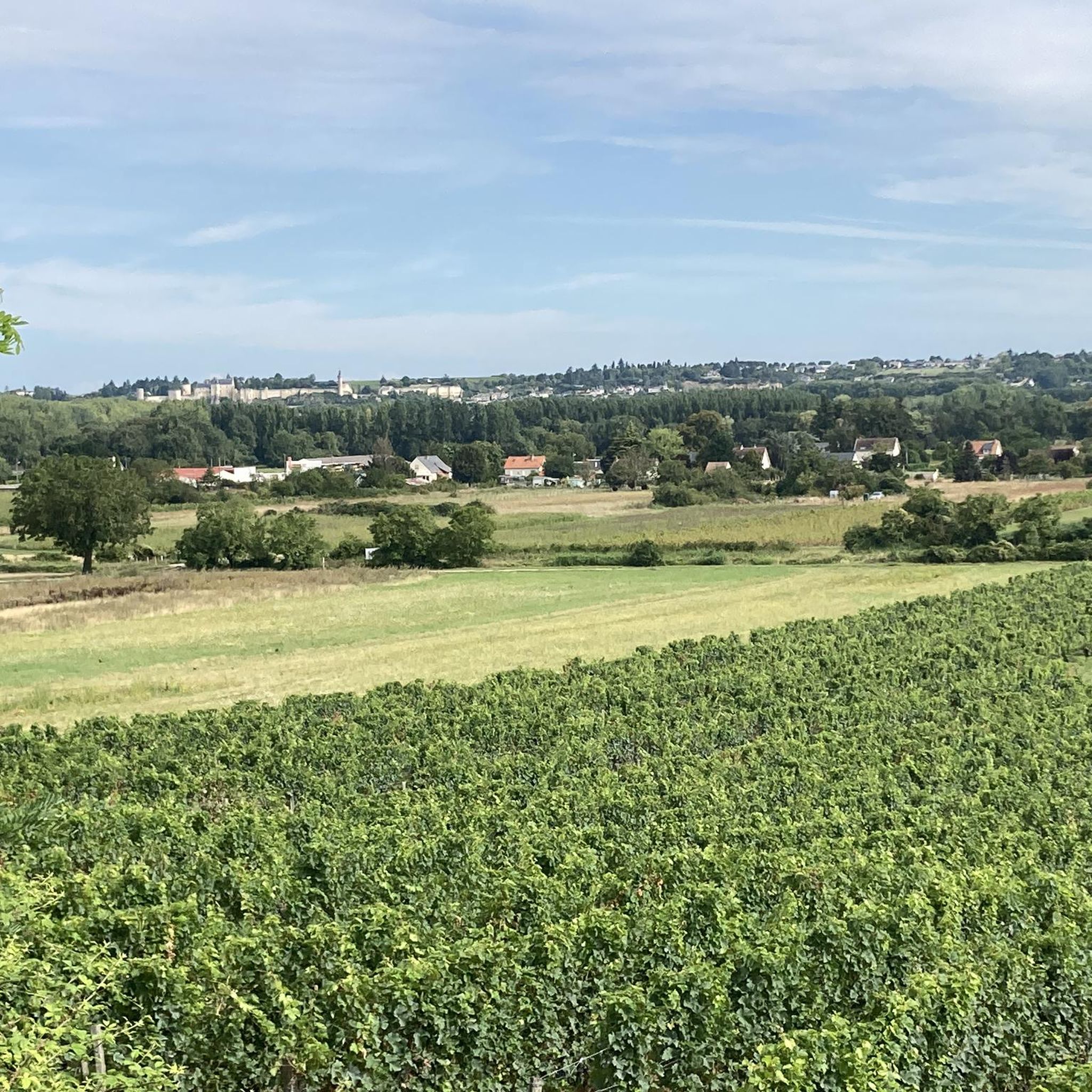
Hiking around Lémeré, a village in the Centre-Val de Loire region of France, offers access to a network of rural paths. The landscape is characterized by the serene banks of the Veude River, gentle hillsides, and a mix of fields, woods, and vineyards. This area provides varied terrain for outdoor activities, including routes that explore local ponds and historical sites.
Best hiking trails around Lémeré
- The most popular hiking route is Assay Pond Trail, a 6.6 miles (10.7 km)…
Last updated: July 5, 2026
4.7
(6)
13
hikers
10.7km
02:45
50m
50m
Moderate hike. Good fitness required. Mostly accessible paths. Sure-footedness required.
5.0
(1)
8
hikers
5.33km
01:21
10m
10m
Easy hike. Great for any fitness level. Easily-accessible paths. Suitable for all skill levels.

Sign up for free
3.0
(1)
13
hikers
10.8km
02:50
90m
90m
Moderate hike. Good fitness required. Easily-accessible paths. Suitable for all skill levels.
4.3
(11)
46
hikers
9.61km
02:30
60m
60m
Moderate hike. Good fitness required. Easily-accessible paths. Suitable for all skill levels.
4.0
(1)
14
hikers
2.62km
00:40
0m
0m
Easy hike. Great for any fitness level. Easily-accessible paths. Suitable for all skill levels.
Get access to more routes and recommendations from other explorers.
Sign up for free
Already have an account?
Our route recommendations are based on thousands of hikes, rides, and runs completed by other people on komoot.
Start today with a free account
Your next adventure awaits.
Login or Signup


Tips from the Community

Seen from the outside, this little church doesn't look like much, and you have to go through the front door to discover this hidden gem. Its walls, entirely covered with decorations and motifs painted during several campaigns over the centuries, restore the original appearance of Romanesque churches with a state of conservation that is quite rare in France. The Notre-Dame de Rivière church was built between the 10th and 11th centuries. Legend has it that Saint Martin founded the early church on a site already devoted to prayer. Today, it has a choir, a crypt and recumbent figures dating from the 16th century, as well as remarkable exterior sculptures. But it is above all the 11th century frescoes, recently restored, which add to the historical richness of this building. Legend has it that Joan of Arc passed there, but this is not corroborated by any contemporary testimony, however Charles VII made a pilgrimage there.
0
0


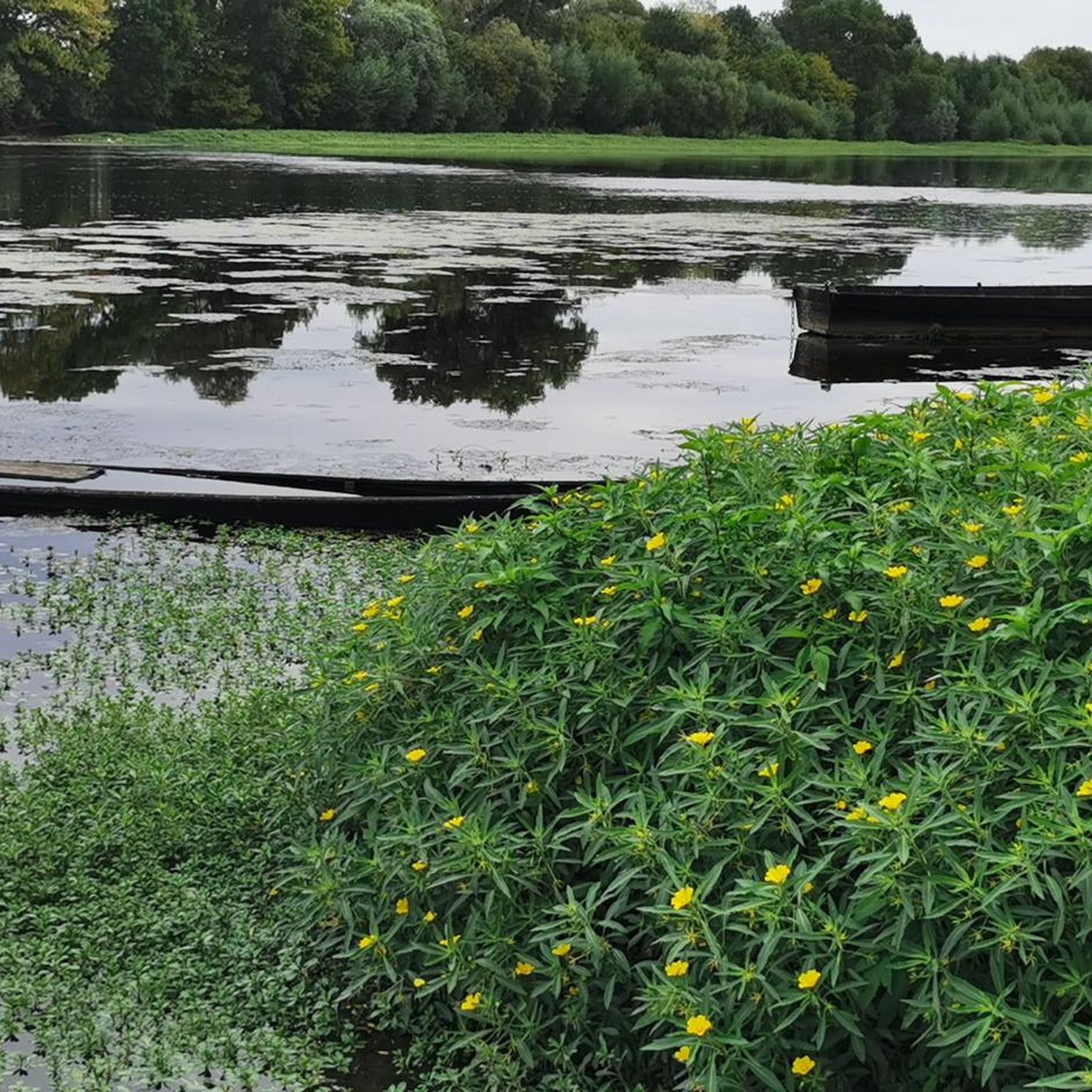
Take the time to enjoy this riverside walk, sit in the shade of the trees or watch the wildlife in the river.
3
0
The Sainte-Chapelle de Champigny-sur-Veude was built in Champigny-sur-Veude from 1499 and mainly during the first half of the 16th century; it is one of the seven holy chapels. The neighboring castle was unfortunately destroyed by Richelieu in 1635, who felt that it was overshadowing his castle which was under construction. Today, only the old outbuildings remain. One of the last vestiges is this magnificent royal chapel, saved by the Pope because it had the status of Sainte-Chapelle and housed the Holy Relics of the Passion of Christ. Founded in homage to Saint-Louis, it consists of a four-bay nave and a triumphal arch portico. The nave has 11 huge stained glass windows, each 8 meters high, whose remarkable stained glass windows retrace the life of Saint-Louis, from his coronation in Reims to his death. They were offered by Claude de Longwy to Louis II and Jacquette de Longwy for their marriage in 1538.
2
0
The Château de Champigny-sur-Veude was built from the 16th to the 17th century by order of Louis de Bourbon, Prince of La Roche-sur-Yon. It has largely disappeared today, only the old outbuildings, the current "castle" and the Sainte-Chapelle remain. The original fortress was built in 1090 by Fulk IV of Anjou. In 1635, Cardinal de Richelieu, who had built a property nearby and who was worried about the superior influence on his castle, bought it and ordered the total destruction of the castle. Only the outbuildings and the Sainte-Chapelle escaped this destruction thanks to the intervention of Pope Urban VIII, who had officiated there a few years earlier. They constitute the remains that we can admire today.
2
0
A hiking trail takes you around the lake while a bird observatory helps you recognize the species that frequent the lake and its surroundings. The fish farming complex of Assay is made up of a large 33 ha pond, created at the beginning of the 17th century, as well as an 11 ha wetland made up of small ponds used for pike farming. Its large surface of water and the presence of a vast reedbed make it an important site for the nesting and wintering of birds. The adjoining wetland is home to remarkable flora and many protected insects such as the southern damselfish.
1
0
At the heart of an 8-hectare park, the Château de Basché, now a hotel, was built in the 16th century and extended in the 19th century. It has long been owned by a branch of the Richelieu family.
2
0

Very nice place, free access. entirely covered with frescoes and paintings. Crypt with 3 recumbent figures
1
0
Frequently Asked Questions
How many hiking trails are available around Lémeré?
There are over 80 hiking routes in the Lémeré area, offering a diverse range of experiences. These include paths along the Veude River, through vineyards, and past historical sites. You'll find options for various difficulty levels, from easy strolls to more challenging hikes.
What kind of landscapes can I expect to see on hikes near Lémeré?
Hiking around Lémeré offers a rich tapestry of landscapes. You can explore serene riverbanks along the Veude, gentle hillsides, and a mix of open fields, dense woods, and traditional coppices. Many routes also traverse picturesque vineyards, characteristic of the Loire Valley region, and lead to tranquil ponds like the Étang d'Assay.
Are there any easy hiking trails suitable for beginners or a relaxed walk?
Yes, Lémeré offers plenty of easy trails. For instance, the River loop is an easy 5.3 km path that takes about 1 hour 21 minutes, following the riverbanks. Another gentle option is the Assay loop from Champigny-sur-Veude, a shorter 2.6 km route perfect for a leisurely stroll.
What historical or natural landmarks can I discover while hiking in Lémeré?
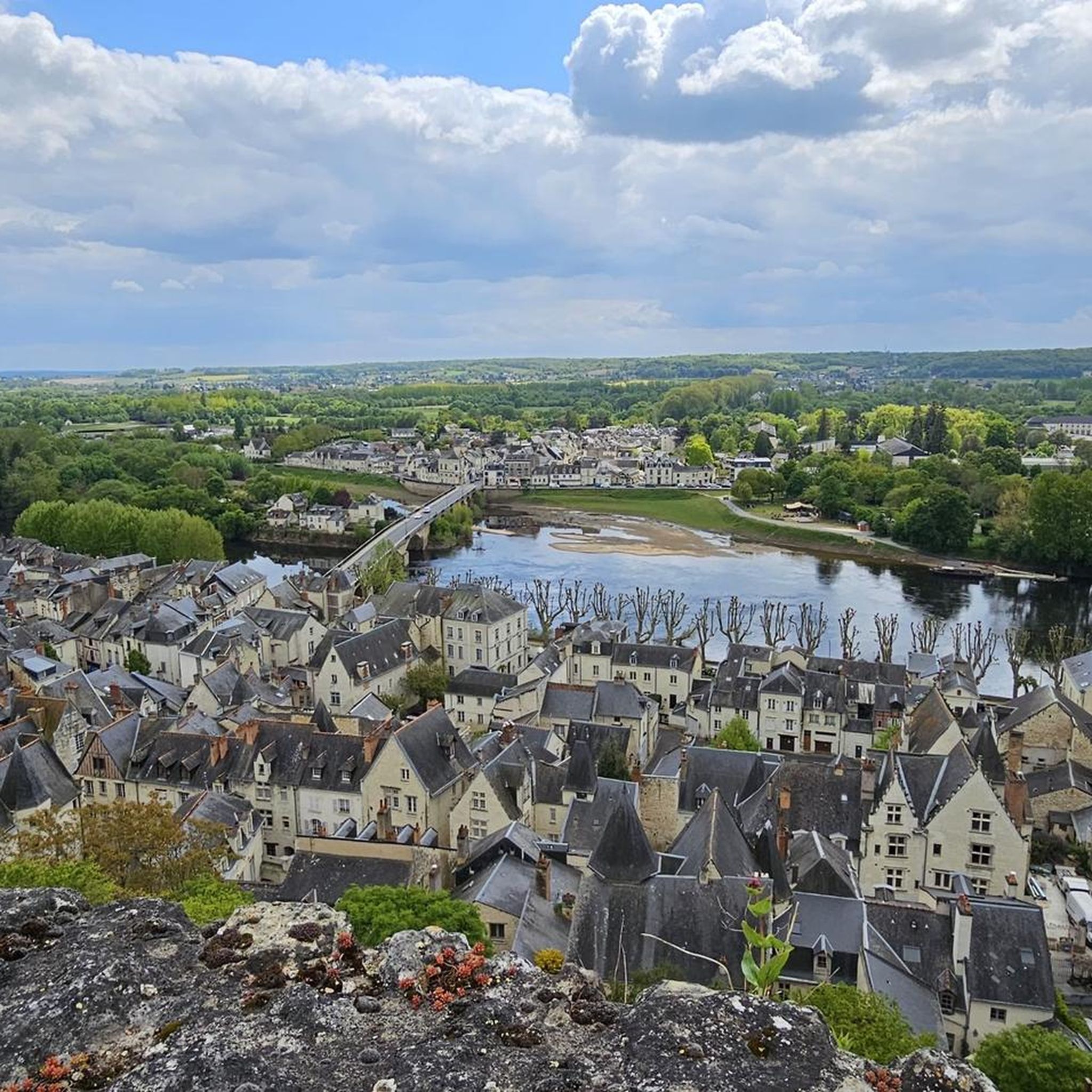
The Lémeré area is rich in both natural beauty and historical sites. You can hike to the unique Château du Rivau, known for its fairytale gardens. Other notable attractions include the Royal Fortress of Chinon, and the charming Crissay-sur-Manse Village. The region also features ancient sites like the Dolmen du Carroi Bon Air and various local châteaux and old mansions.
Are there any circular hiking routes around Lémeré?
Yes, the region is well-suited for circular walks. The municipality itself maintains two circuits of 10 and 11 kilometers. You can also explore routes like the Assay Pond Trail, which is a moderate 10.7 km loop, or the Hiking loop from Rivière, a 9.5 km moderate circuit.
What is the best time of year to go hiking in Lémeré?
The Centre-Val de Loire region, including Lémeré, is beautiful throughout much of the year. Spring and autumn offer pleasant temperatures and vibrant scenery, with blooming flowers or colorful foliage. Summer is also popular, though it can be warmer, making early morning or late afternoon hikes ideal. Winter hikes are possible, but trails might be damp, and appropriate gear is recommended.
Are there family-friendly hiking options in Lémeré?
Absolutely. With over 40 easy routes, Lémeré provides many options suitable for families. Shorter, less strenuous paths like the River loop or the Assay loop from Champigny-sur-Veude are great for walks with children, offering gentle terrain and scenic views without being too demanding.
What do other hikers say about the trails in Lémeré?
The hiking trails around Lémeré are highly regarded by the komoot community, holding an average rating of 4.4 stars from over 100 reviews. Hikers often praise the region's diverse scenery, from tranquil riverbanks to charming vineyards, and appreciate the well-maintained network of paths that cater to various skill levels.
Is public transport available to reach hiking trailheads in Lémeré?
While Lémeré is a rural village, public transport options might be limited directly to all trailheads. It's advisable to check local bus schedules or consider driving, as many routes are accessible by car, often with designated parking areas. For specific routes, researching local transport links to nearby towns like Chinon or Richelieu, and then connecting to Lémeré, would be beneficial.
Are there any specific trails that explore the local villages or historical architecture?
Yes, several trails offer a glimpse into the region's rich architectural heritage. The Sainte Chapelle, its Village and its Streams Trail is a moderate 10.8 km route that guides hikers through a village setting and along local streams, allowing you to experience the charm of the area's traditional architecture and natural beauty.
Can I find accommodation or places to eat near the hiking trails in Lémeré?
Lémeré and its surrounding villages offer a selection of local accommodations, including guesthouses and small hotels, as well as charming restaurants and cafes where you can enjoy regional cuisine. It's recommended to check options in Lémeré itself or in nearby towns like Chinon or Richelieu, which are well-equipped to welcome visitors and provide amenities for hikers.
Most popular attractions around Lémeré

Get inspired with the komoot mobile app


Explore more
Browse the best Hikes in other regions.
