Top 11 Lakes around Petite-Chaux
Best lakes around Petite-Chaux are found in a region rich with natural water bodies, particularly in the surrounding Jura and Doubs departments of France. This area features notable glacial lakes, remnants of the last ice age, offering diverse ecosystems. The landscape is characterized by lakes, marshes, peat bogs, rivers, meadows, and forests, typical of the Haut-Doubs region. These locations provide opportunities for nature observation and various outdoor activities.
Best lakes around Petite-Chaux
- The most popular lakes is Lac de Joux…
Last updated: July 8, 2026
Lac de Joux
Highlight • Lake
Translated by Google •
Tip by

Lake Remoray
Highlight (Segment) • Lake
Translated by Google •
Tip by

Sign up now to discover places like this
Get recommendations on the best single tracks, peaks, & plenty of other exciting outdoor places.
Sign up for free
Mortes and Bellefontaine Lakes
Highlight • Lake
Translated by Google •
Tip by

Two Lakes Viewpoint
Highlight • Viewpoint
Translated by Google •
Tip by

Riverside path
Highlight (Segment) • Trail
Translated by Google •
Tip by

Sign up for free to discover even more lakes around Petite-Chaux.
Sign up for free
Already have an account?
Start today with a free account
Your next adventure awaits.
Login or Signup

Tips from the Community

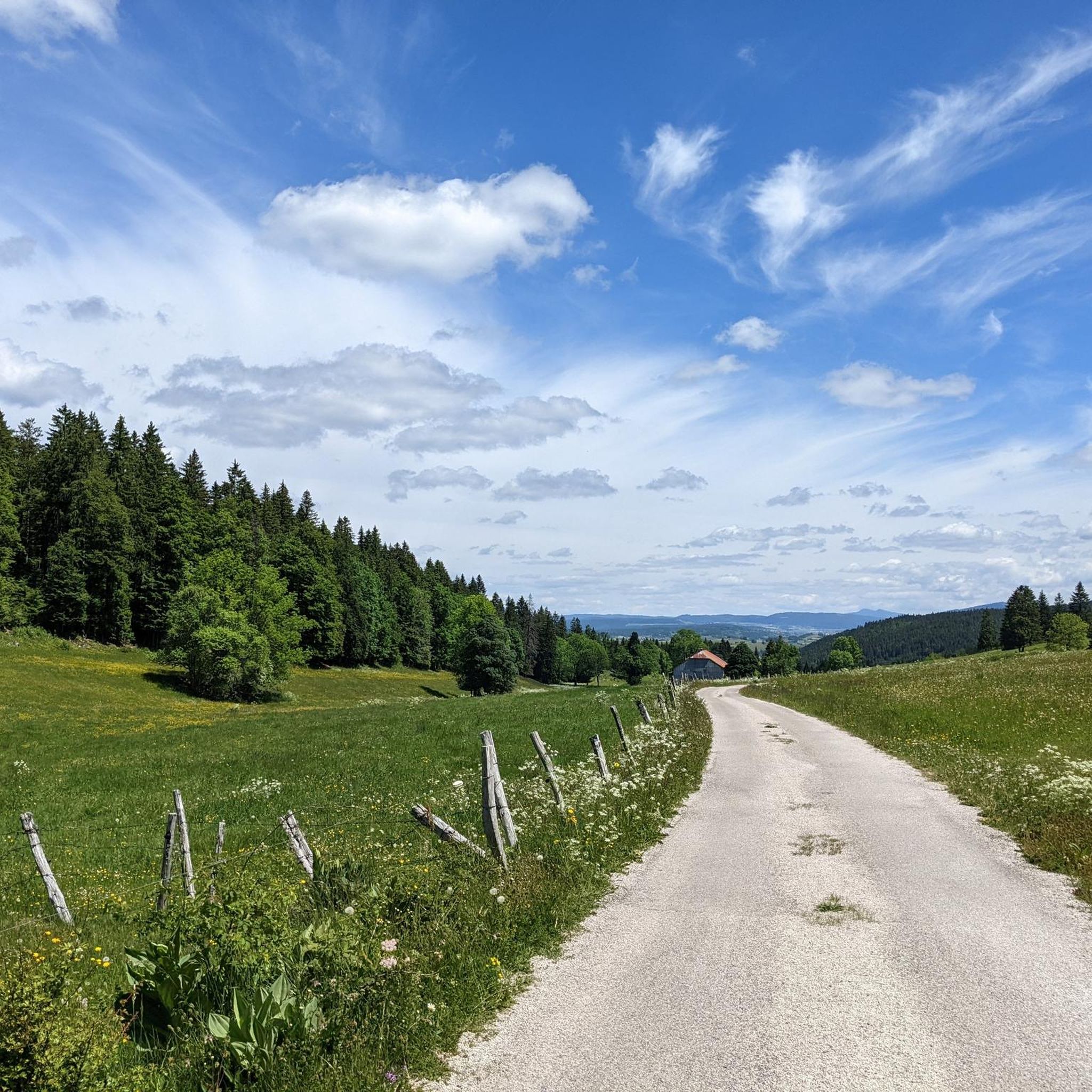
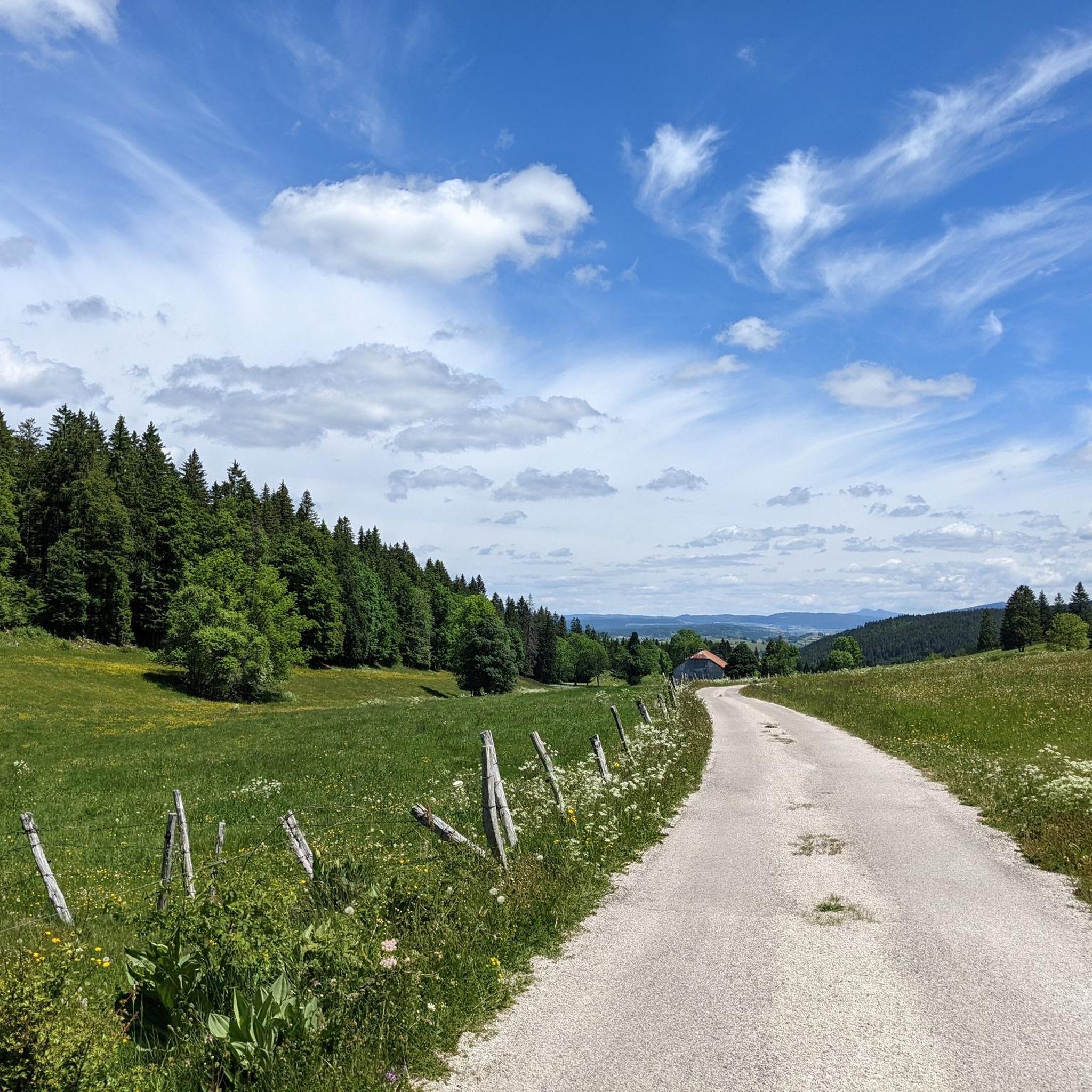
Excellent first day with lots of climbing - Col de la Combe Blanche, Col de l'Aiguillon and a third smaller col between them. The views are wonderful and no cars on most sections with a few road parts that were not very busy.
0
0

Formerly, the lakes of Remoray and Saint-Point were one. From this superb viewpoint, you can appreciate the different environments created by the separation of the two bodies of water: lakes, marshes, peat bogs, rivers, meadows and forests. A unique point of view in a perfect alignment which allows you to enjoy all the beauty of this typical landscape of Haut-Doubs.
0
0

It's really very beautiful, you really have to take the time to admire the panorama. It's quite popular. So drive peacefully, be courteous, give way to pedestrians and enjoy the scenery, see the beaches.
1
0

In the spring, the bog and meadows teem with life. The landscape invites contemplation and silence. These two lakes are relics of the last ice age.
0
0

The Lac de Joux in the Vaud Jura is located at 1000m in the high valley of the same name (Vallée de Joux). The austere beauty and unspoiled nature of the high valley with its lake attracts numerous guests all year round, in summer mainly for water sports, biking and hiking and in winter for ice skating and cross-country skiing. Description Nestled between the Mont Tendre (1679m) and the heavily wooded Risoux chain, along whose ridge the border between Switzerland and France runs, the Lac de Joux is the largest body of water in the Jura massif. Known for its favorable wind conditions, the lake attracts many sailors and windsurfers, but is also suitable for rowing, water skiing and wakeboarding. Water temperatures between 18 and 24 degrees also attract many bathers. Extensive cycling and mountain biking routes as well as a wonderful network of hiking trails extend through the hilly natural paradise around the lake. Lac de Joux and the almost adjacent but much smaller Lac Brenet have no surface drainage: the water seeps underground and only comes to the surface again a few kilometers further on at Vallorbe. In July and August, a single scheduled boat runs on Lac de Joux every day from Le Pont at the northeast end of the lake for an afternoon round trip. In June and September, the boat only runs on Saturdays and Sundays. This makes the Lac de Joux shipping company one of the smaller ones in Switzerland and a trip on the lake a real rarity. In winter, the frozen lake becomes a huge ice rink and a paradise for ice skaters, but also for ice hikers. Otherwise, in winter, the Vallée de Joux is above all a limitless cross-country skiing paradise with around 200 kilometers of groomed trails in almost untouched nature. The Jura landscape with its rolling hills and extensive forests also offers excellent opportunities for wonderful snowshoe tours - even lasting several days - or fast-paced dog sledding.
1
1

Beautiful ornithological reserve beautiful panorama
1
0

simply beautiful.... bog and grasslands. A feeling of being in Canada
0
1

Lac de Remoray is a continuation of Lac de Saint-Point and is just as beautiful, if not a little wilder. It is the habitat of many species of water birds.
2
0
Frequently Asked Questions
What are some of the most scenic lakes to visit near Petite-Chaux?
The region around Petite-Chaux is home to several beautiful glacial lakes. Lac de Joux, though in Switzerland, is the largest body of water in the Jura massif, known for its stunning mountain setting. Closer by, Mortes and Bellefontaine Lakes offer serene landscapes with bogs and meadows, while Lake Ilay (Lac de la Motte) in the Jura department is noted for its wild appearance and turquoise waters.
Are there family-friendly lakes around Petite-Chaux?
Yes, several lakes in the area are suitable for families. Lac de Joux offers various water sports and easy trails. Mortes and Bellefontaine Lakes provide a peaceful environment for nature walks. The Riverside path near Lake Saint-Point is also a popular spot for families to enjoy the scenery and beaches.
What kind of outdoor activities can I do near the lakes?
The lakes around Petite-Chaux offer a range of outdoor activities. You can enjoy hiking, cycling, and mountain biking on numerous trails. For specific routes and guides, explore options like Hiking around Petite-Chaux, Cycling around Petite-Chaux, and MTB Trails around Petite-Chaux. Water sports are popular at lakes like Lac de Joux, and birdwatching is excellent at Lake Remoray.
Are there hiking trails around the lakes near Petite-Chaux?
Yes, there are many hiking opportunities. For instance, you can find easy to moderate trails like the "Source of the Doubs Loop Trail" or "Moutat Peat Bog" which are part of the Hiking around Petite-Chaux guide. The areas around Mortes and Bellefontaine Lakes also offer serene paths for nature enthusiasts.
Can I go cycling or mountain biking near the lakes?
Absolutely. The region provides extensive routes for both cycling and mountain biking. You can find challenging cycling routes like the "Lake Remoray – Route du Lac de Saint-Point loop" or easier MTB trails such as the "Mouthe peat bog – The source of the Doubs loop." Check the Cycling around Petite-Chaux and MTB Trails around Petite-Chaux guides for detailed information.
Which lakes offer good opportunities for nature observation or birdwatching?
Lake Remoray is particularly known for being a habitat for numerous species of water birds, making it an excellent spot for birdwatching. The bogs and meadows around Mortes and Bellefontaine Lakes also teem with life, especially in spring, offering great opportunities for nature enthusiasts. The Grand Maclu and Petit Maclu lakes are part of a Natura 2000 area, rich in diverse flora and fauna.
Are there any lakes with historical significance in the area?
Yes, Lake Ilay (Lac de la Motte) has notable historical significance. Archaeological excavations have revealed that the mound on its island was inhabited during the Neolithic period and later housed an 11th-century monastery. Lake Remoray and Lake Saint-Point also have a shared history, as they were once connected.
Where can I find the best viewpoints of the lakes?
A superb viewpoint, known as the Two Lakes Viewpoint, allows visitors to appreciate the diverse environments created by the separation of Lake Remoray and Lake Saint-Point. This spot offers a unique perspective on the lakes, marshes, peat bogs, rivers, meadows, and forests typical of the Haut-Doubs landscape.
What is the best time of year to visit the lakes around Petite-Chaux?
The lakes offer beauty throughout the year. Spring is particularly vibrant around Mortes and Bellefontaine Lakes when bogs and meadows are full of life. Summer is ideal for water sports and swimming, with water temperatures at Lac de Joux reaching 18-24 degrees. In winter, Lac de Joux transforms into a vast ice rink for skating and cross-country skiing.
Are there options for wild swimming or beaches at the lakes?
Yes, some lakes offer opportunities for swimming. Lac de Joux is popular for bathing, with water temperatures often between 18 and 24 degrees in summer. The Riverside path near Lake Saint-Point also leads to beaches where visitors can relax and swim.
Are the lakes around Petite-Chaux accessible for visitors with dogs?
Many trails and natural areas around the lakes are dog-friendly, allowing you to explore with your canine companion. It's always recommended to keep dogs on a leash, especially in protected natural areas like those around the Maclu lakes, to protect local wildlife and ensure a pleasant experience for all visitors.
How can I access the lakes, regarding parking or public transport?
Access to the lakes is primarily by car, with various parking areas available near popular spots and trailheads. For example, Lac de Joux has parking facilities for visitors engaging in water sports or hiking. Public transport options may be limited, so planning your journey in advance is advisable.
What makes the Mortes and Bellefontaine Lakes unique?
The Mortes and Bellefontaine Lakes are unique as remnants of the last ice age, offering a serene and contemplative landscape. Their surrounding bogs and meadows are particularly vibrant in spring, teeming with life, and provide a tranquil escape for nature enthusiasts.
What distinguishes Lake Remoray from Lake Saint-Point?
Historically, Lake Remoray and Lake Saint-Point were once connected. Lake Remoray is often described as a wilder continuation of Lake Saint-Point, providing a crucial habitat for numerous species of water birds. Lake Saint-Point, on the other hand, is the third-largest natural lake in France and offers a wider range of recreational activities.
Most popular routes around Petite-Chaux
Most popular attractions around Petite-Chaux

Get inspired with the komoot mobile app


Explore more
Still not found your perfect lake around Petite-Chaux? Check out the guides of these regions to see even more beautiful places.
