Attractions and Places To See around Saint-Jean-De-Folleville - Top 20
Attractions and places to see around Saint-Jean-De-Folleville include a blend of natural landscapes, historical structures, and cultural points of interest within the Seine-Maritime department of Normandy, France. The commune is situated along the southern bank of the Seine River, featuring diverse landscapes from rural farmlands and forests to riverside environments. This area offers a mix of historical heritage and natural beauty. Its location provides access to various sites in the surrounding region.
Best attractions and places to see around Saint-Jean-De-Folleville
…Last updated: July 15, 2026
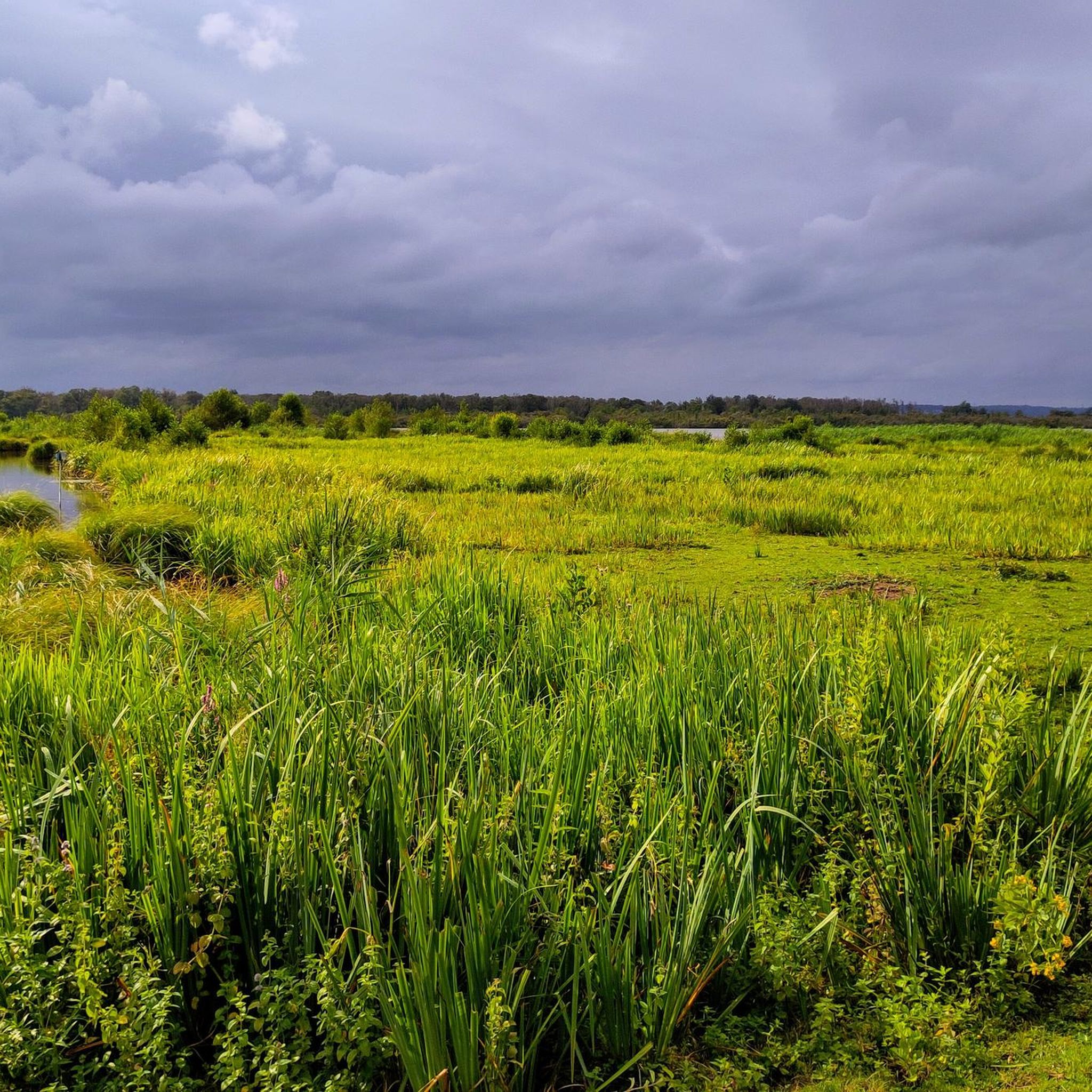
Marais Vernier Viewpoint
Highlight • Viewpoint
Translated by Google •
Tip by

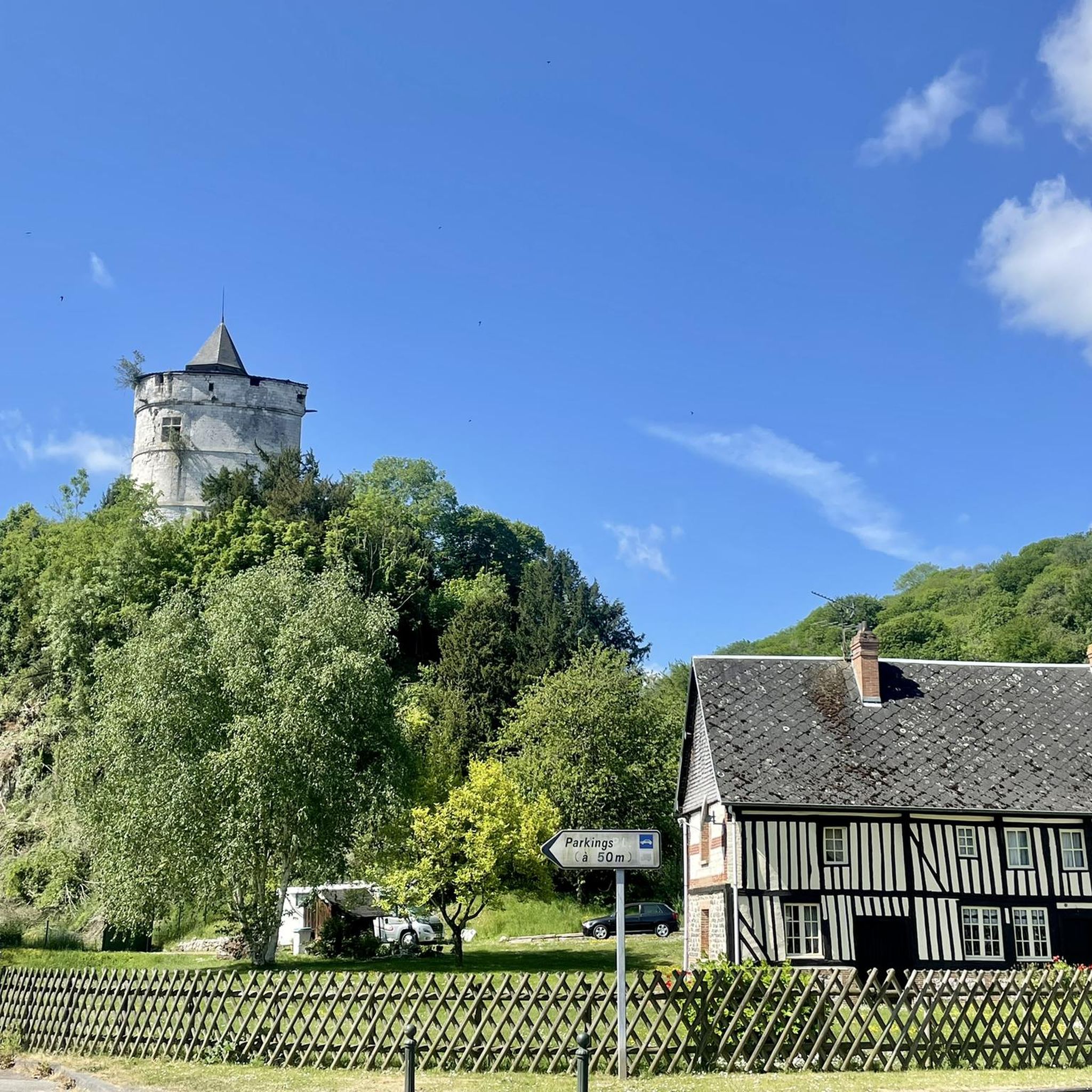
Marais-Vernier Village and Thatched Cottages
Highlight • Settlement
Translated by Google •
Tip by

Sign up now to discover places like this
Get recommendations on the best single tracks, peaks, & plenty of other exciting outdoor places.
Sign up for free
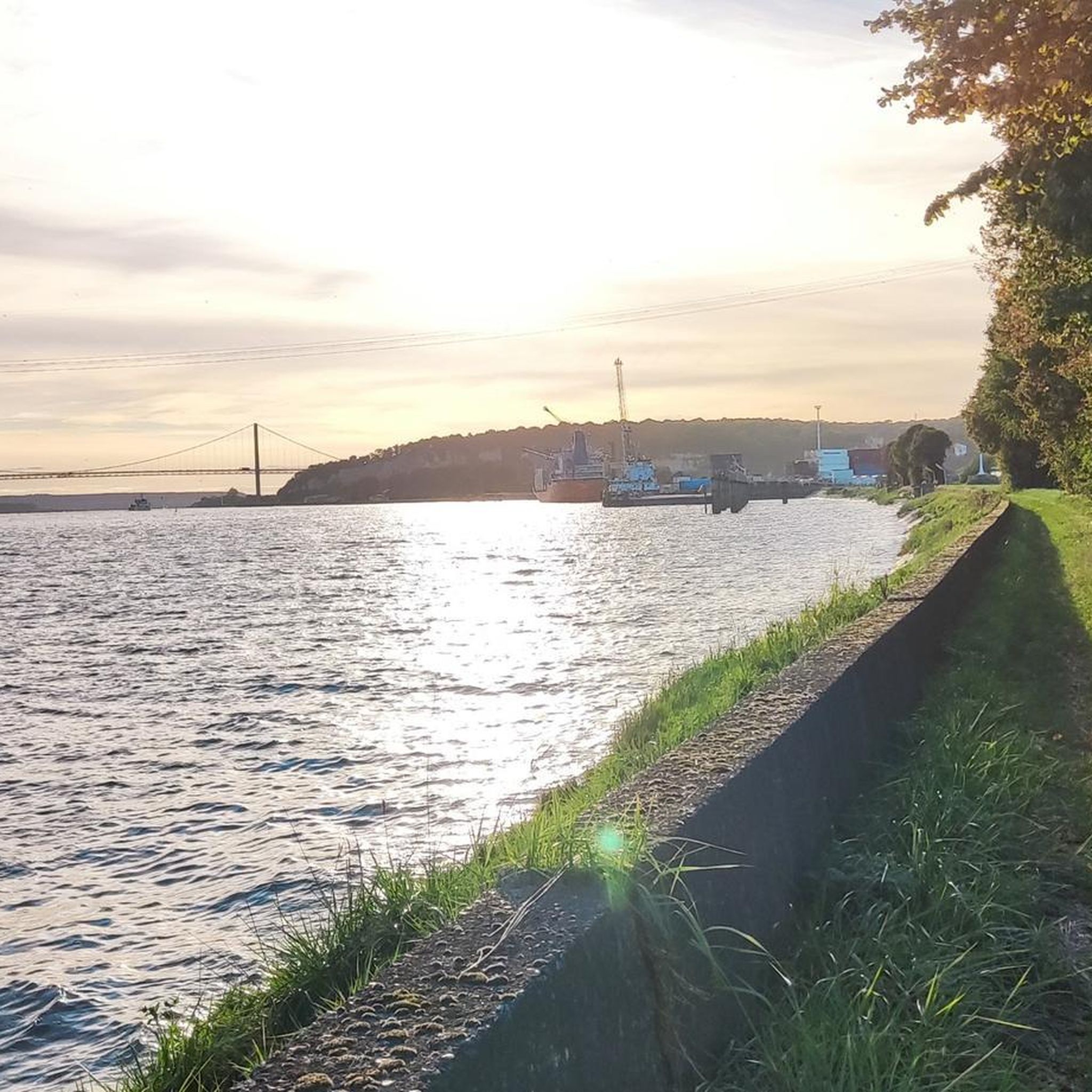
Tancarville Bridge
Highlight • Other
Translated by Google •
Tip by

Mirville Viaduct
Highlight • Bridge
Translated by Google •
Tip by

Les Chaumières
Highlight • Other
Translated by Google •
Tip by

Sign up for free to discover even more attractions around Saint-Jean-De-Folleville.
Sign up for free
Already have an account?
Start today with a free account
Your next adventure awaits.
Login or Signup
Popular around Saint-Jean-De-Folleville


Tips from the Community

The Grand'Mare observatory (free) has been renovated and rebuilt for a few months after two years of work. It's a magnificent view of the birds returning en masse, and luckily, the horses roaming free. Pure bliss.
0
0

Close to the castle of Baron Pierre de Coubertin
0
0
A bucolic route, the fruit and cottage route are very pleasant, the roads are not heavily used. Not many villages crossed, watch out for refreshments, restaurants...especially on Mondays! Rather easy route by mountain bike
0
0

The Mirville Viaduct is an impressive brick viaduct built in 1846 by the English engineer Joseph Locke to pass the Paris-Le Havre railway line over the Ru de Bolbec valley. It is made up of 48 arches and has a length of 530 meters and a height of 32 meters. You can admire its elegant curves and its red color which contrasts with the green landscape. The viaduct was partially destroyed during the Franco-Prussian War of 1870 and World War II, but it was quickly restored and is still in use today. You can access the viaduct from the village of Mirville, where you can also visit the 12th century Saint-Martin church and the 16th century Mirville castle.
3
0

Railway viaduct linking Paris Saint-Lazare to Le Havre. It is an impressive building with 48 arches for a length of 530m and a maximum height of 32m. It crosses the Ru de Bolbec valley.
1
0
One of the two famous bridges in the region (along with the Normandy Bridge), the Tancarville Bridge is an impressive suspension bridge which allows you to cross the Seine. This impressive structure is worth the detour and to be seen.
0
0

Beautiful view of the Marais Vernier natural site. I had, when I was 18, the honor and the pleasure of working there in the company of several biologists. It is an exceptional site due to the richness of its fauna. On site live Camargue horses, Hyland cattle, Scottish sheep, gray herons and many other species. A few group visits are regularly organised. To participate, you must register in advance on the Marais Vernier nature reserve website.
1
0
The Marais-Vernier Orientation Table is a viewpoint overlooking the Marais Vernier, a vast wetland area home to a very diverse fauna and flora. The orientation table allows you to appreciate the panoramic view of the marsh and its unique agricultural plots, called courtils, by helping you to identify landmarks. You may be able to spot rare birds like osprey, heron, falcon or stork. The Marais Vernier is a natural wonder that offers a variety of landscapes and terrains for runners.
2
0
Frequently Asked Questions
What historical landmarks can I explore in Saint-Jean-de-Folleville and its surroundings?
The area is rich in history. You can visit the 13th-century Church of Saint-Jean-Baptiste, known for its stained-glass windows, or the 16th-century Chapel of Notre-Dame de Radicatel. The 18th-century Château de Saint-Jean-de-Folleville also offers a glimpse into the past. Nearby, the Lillebonne Gallo-Roman Theater and the impressive Abbaye du Valasse in Gruchet-le-Valasse are significant historical sites. A bit further afield, the extensive ruins of Jumieges Abbey are also a popular destination.
Are there any notable natural attractions or viewpoints in the area?
Yes, Saint-Jean-de-Folleville boasts diverse natural beauty. The Marais Vernier Viewpoint offers a spectacular panoramic view of the vast 4,500-hectare wetland, which is home to rich biodiversity. You can also explore the Marais de Radicatel, a Natural Zone of Ecological, Faunal, and Floral Interest, with its meadows, riverbanks, and alluvial forests. The banks of the Seine River provide magnificent views, especially of the Marais Vernier and Quilbeuf-sur-Seine.
What kind of outdoor activities can I do near Saint-Jean-de-Folleville?
The region is excellent for various outdoor pursuits. You can find numerous hiking opportunities, traversing rural landscapes and the scenic banks of the Seine. For cyclists, there are many routes available. You can explore road cycling routes like the 'Tancarville Bridge loop' or gravel biking routes such as the 'Marais Vernier Viewpoint – Les Chaumières loop'. For more detailed routes, check out the hiking guide, road cycling guide, and gravel biking guide for the area.
Are there family-friendly attractions or activities available?
Many attractions in the area are suitable for families. The Marais Vernier Viewpoint and the Marais-Vernier Village and Thatched Cottages are great for a scenic outing. The Mirville Viaduct, an impressive brick structure, is also considered family-friendly. Additionally, the Parc de la Sauvagette in Lanquetot offers recreational opportunities for all ages.
Where can I see traditional Norman architecture?
The Marais-Vernier Village and Thatched Cottages are a prime example of traditional Norman architecture. This village is characterized by its unique thatched houses, known as Chaumières, some of which are classified and others beautifully restored. You can find more details about these charming structures at Les Chaumières.
What is the Tancarville Bridge and why is it significant?
The Tancarville Bridge is an impressive suspension bridge that spans the Seine River. At its completion in 1959, it held the record for the longest central span in Europe, measuring 608 meters. It remains a national record for its type and is an engineering marvel worth seeing.
What do visitors particularly enjoy about the attractions around Saint-Jean-de-Folleville?
Visitors frequently praise the blend of historical sites and natural beauty. The traditional thatched cottages, like Les Chaumières, are often highlighted for their beauty and charm. The panoramic views from the Marais Vernier Viewpoint are also a favorite, offering stunning vistas of the wetlands and the Seine. The impressive engineering of the Tancarville Bridge also garners appreciation.
Are there any unique natural zones for wildlife observation?
Yes, the Marais de Radicatel is designated as a ZNIEFF (Natural Zone of Ecological, Faunal, and Floral Interest). This marsh provides a vital refuge and ecological corridor for local flora and fauna, including several rare species. It features diverse habitats like meadows, riverbanks, and alluvial forests, making it an excellent spot for nature enthusiasts and birdwatchers.
What is the Mirville Viaduct?
The Mirville Viaduct is an impressive brick railway viaduct built in 1846. It features 48 arches, stretches 530 meters long, and reaches a height of 32 meters, carrying the Paris-Le Havre railway line over the Ru de Bolbec valley. Its elegant curves and red brick contrast beautifully with the green landscape, making it a striking historical and architectural landmark.
Can I find local markets or cultural experiences nearby?
While Saint-Jean-de-Folleville itself is smaller, nearby towns like Lillebonne, Bolbec, and Honfleur host local markets on various days. These markets offer a taste of local life and produce. Additionally, the region's proximity to historically significant towns like Honfleur, with its picturesque harbor, and Le Havre, a UNESCO World Heritage site, provides further cultural exploration opportunities.
What is the best time of year to visit Saint-Jean-de-Folleville?
The region is enjoyable throughout the year, but spring and summer (April to September) generally offer the most pleasant weather for exploring the natural landscapes, hiking trails, and outdoor attractions. During these months, the flora is vibrant, and conditions are ideal for walking along the Seine or visiting the viewpoints. Autumn also brings beautiful colors to the forested areas.
Most popular routes around Saint-Jean-De-Folleville

Get inspired with the komoot mobile app


Explore more
Still not found the Highlight you’re looking for? See guides of the top attractions in other regions:
