The 20 Most Amazing Peaks around Chamonix-Mont-Blanc
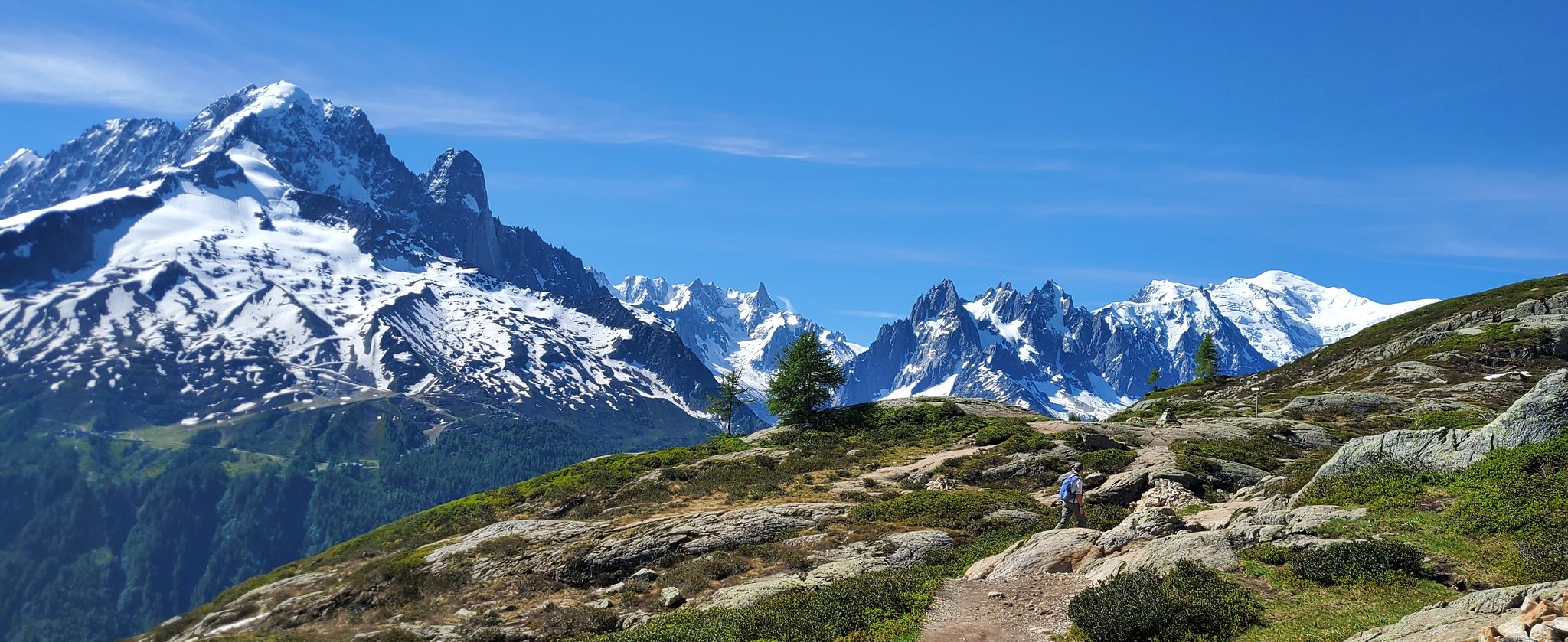
Best mountain peaks around Chamonix-Mont-Blanc are situated in the French Alps, a region known for its high-alpine landscapes and diverse outdoor activities. This area is characterized by its majestic summits, offering a range of experiences from panoramic viewpoints to technical climbing routes. The Mont Blanc massif, a prominent natural feature, defines the region's geography, attracting adventurers and sightseers.
Best mountain peaks around Chamonix-Mont-Blanc
- The most popular mountain peaks is Aiguille du Midi, a summit that offers unparalleled 360-degree panoramic…
Last updated: August 29, 2026
Aiguille du Midi
Highlight • Summit
One of the top highlights and influencer spot.
Great photo opportunity.
A …
Translated by Google •
Tip by

Mont Blanc Summit
Highlight • Summit
Translated by Google •
Tip by

Sign up now to discover places like this
Get recommendations on the best single tracks, peaks, & plenty of other exciting outdoor places.
Sign up for free
View of the Mer de Glace
Highlight • Viewpoint
Translated by Google •
Tip by

Col de Balme
Highlight • Mountain Pass
Translated by Google •
Tip by

View of Courmayeur and Mount Chetif
Highlight • Viewpoint
Translated by Google •
Tip by
Sign up for free to discover even more peaks around Chamonix-Mont-Blanc.
Sign up for free
Already have an account?
Start today with a free account
Your next adventure awaits.
Login or Signup
Popular around Chamonix-Mont-Blanc
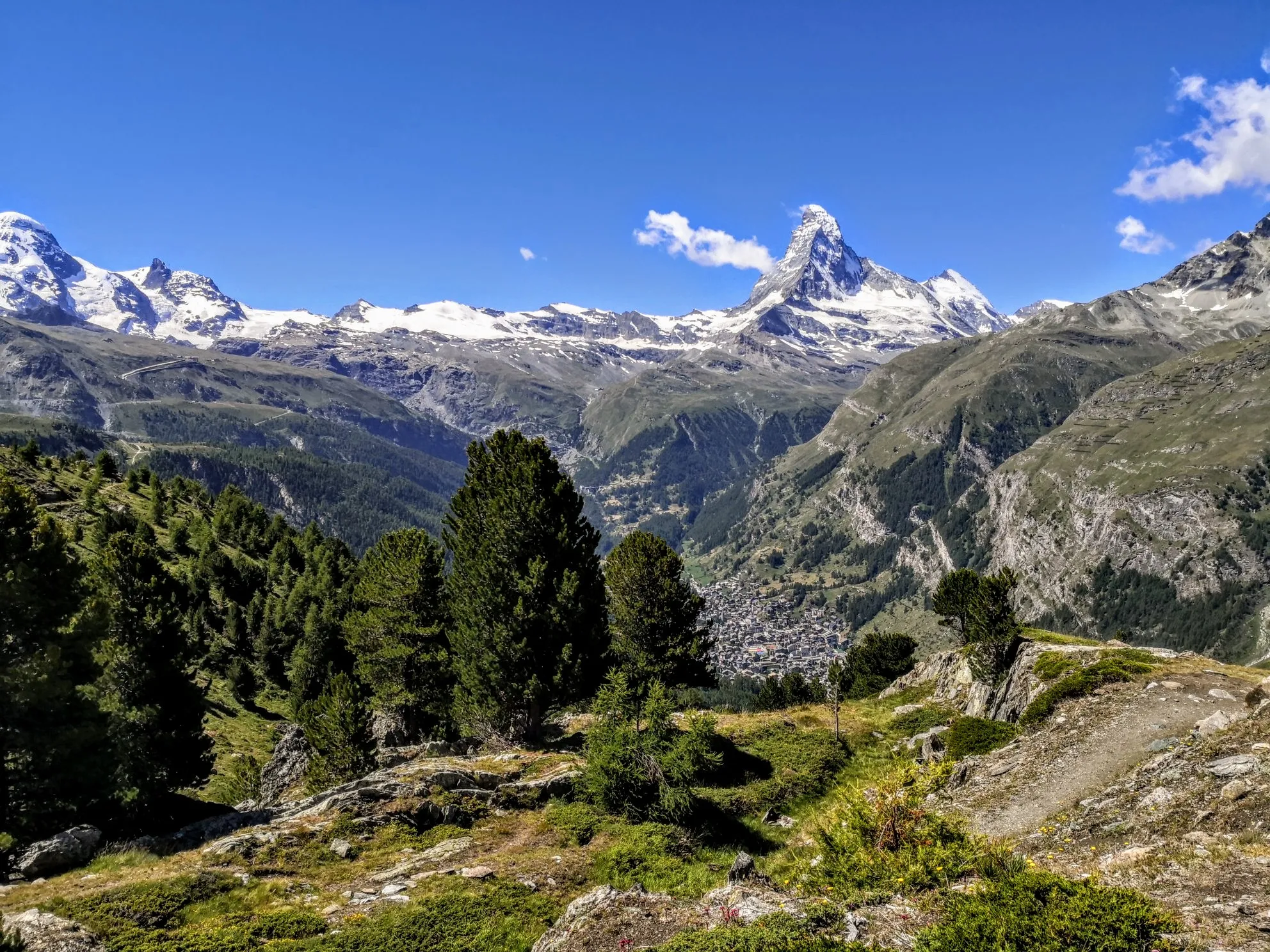
Walker's Haute Route – The ultimate alpine adventure
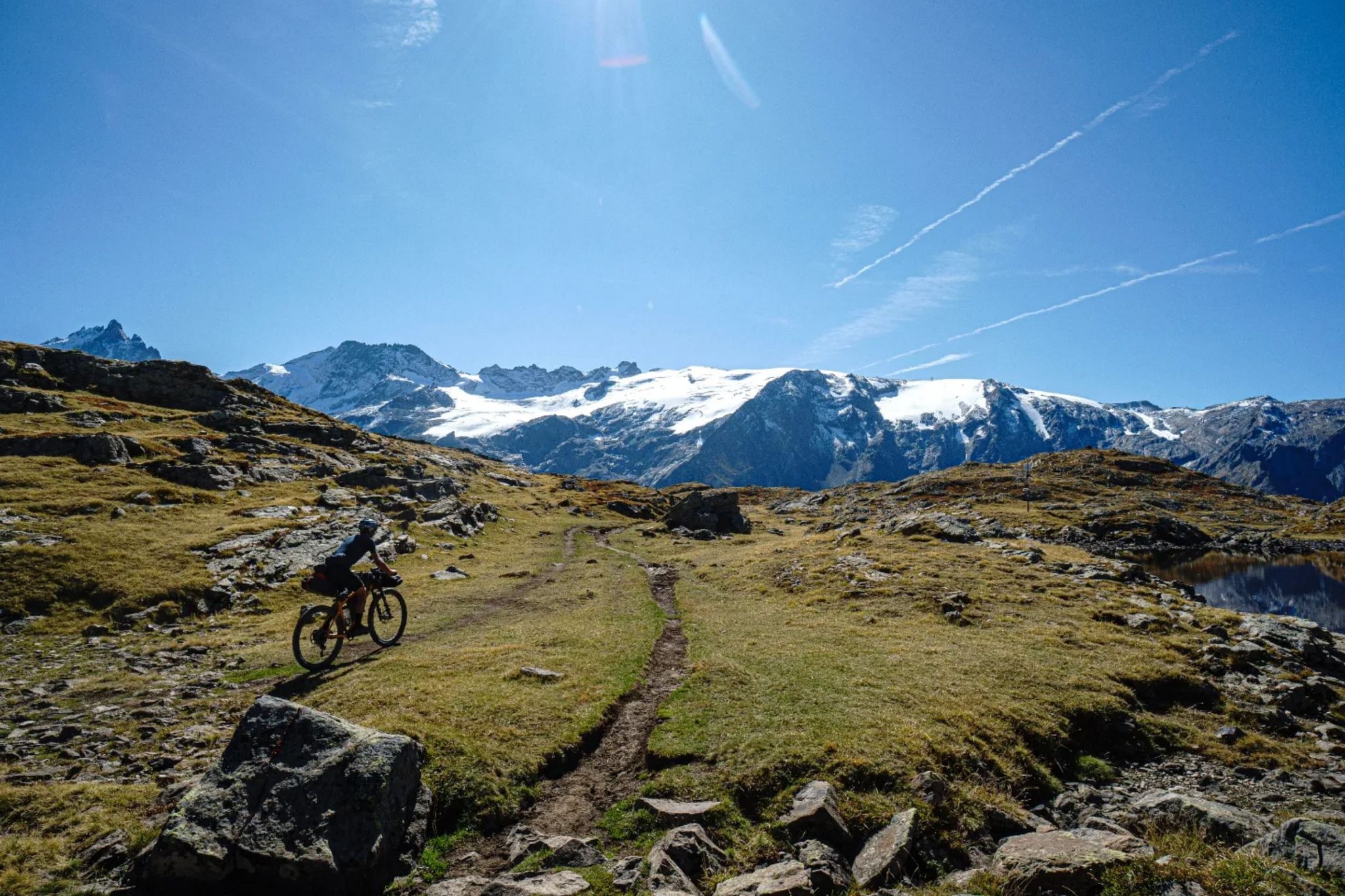
Transalps MTB – Chamonix to the Mediterranean Sea
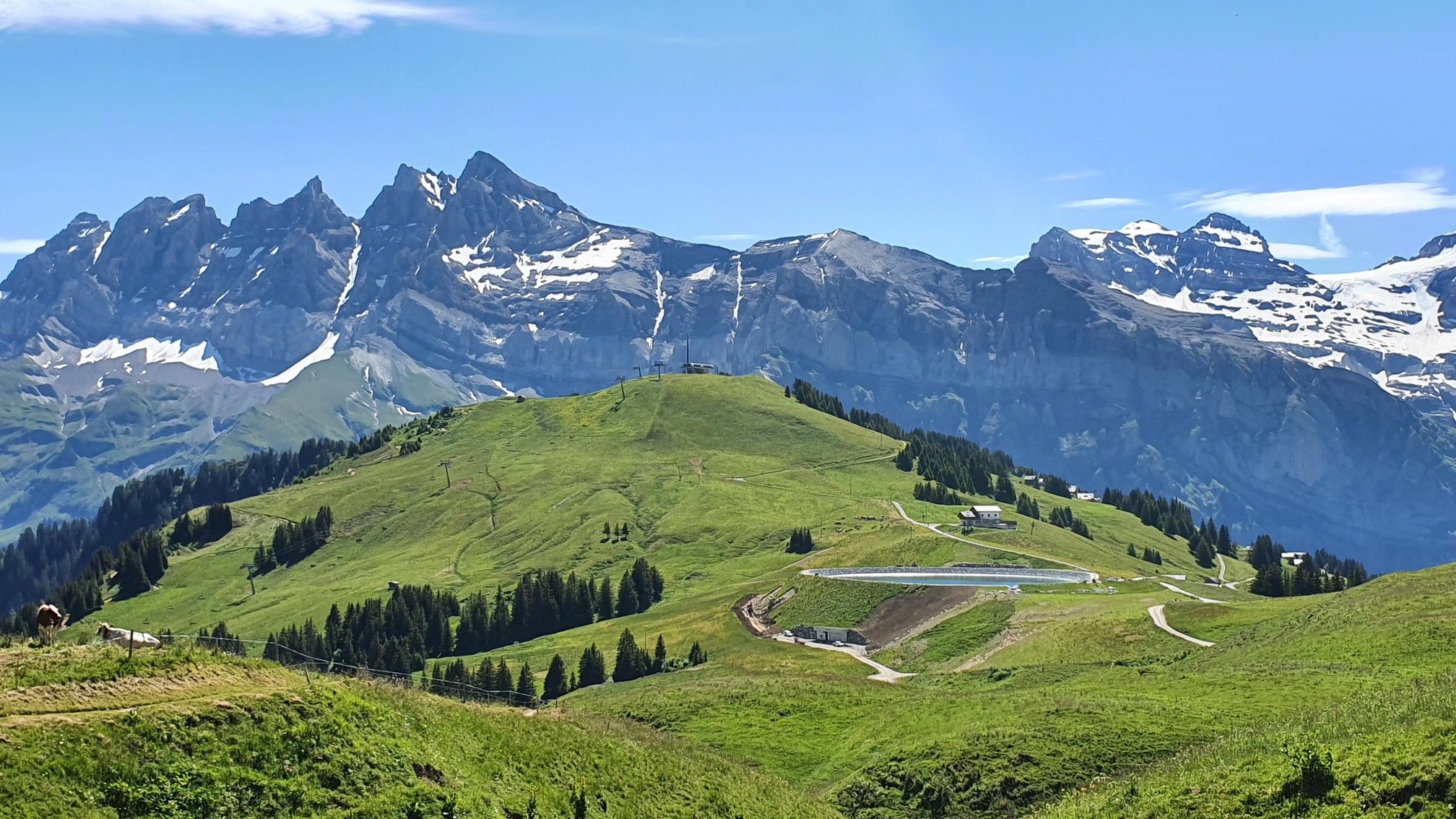
Europe Trail (GR 5) – Hike from Landry to Thonon-les-Bains
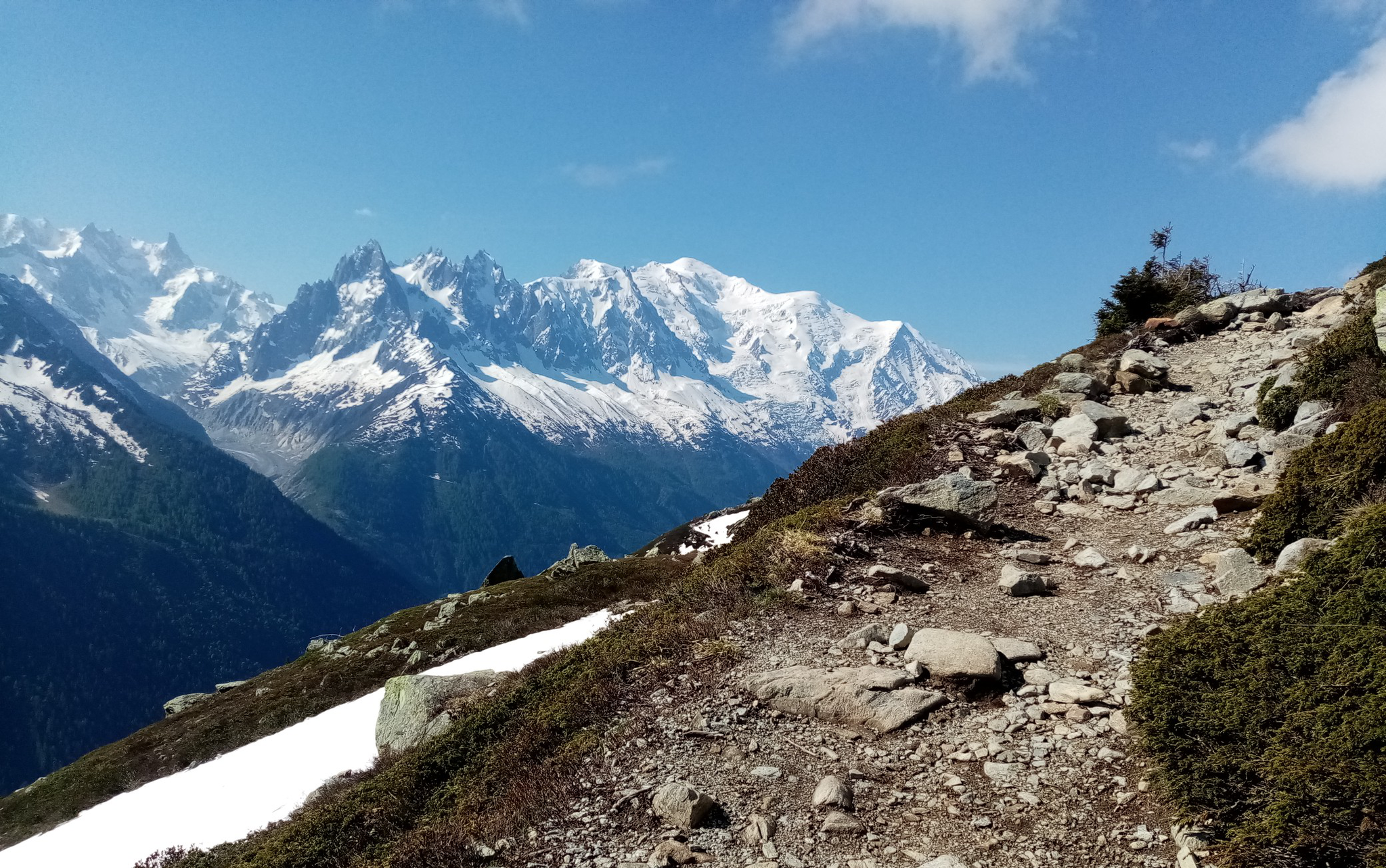
Ultra-Trail du Mont-Blanc – following the footsteps of legends
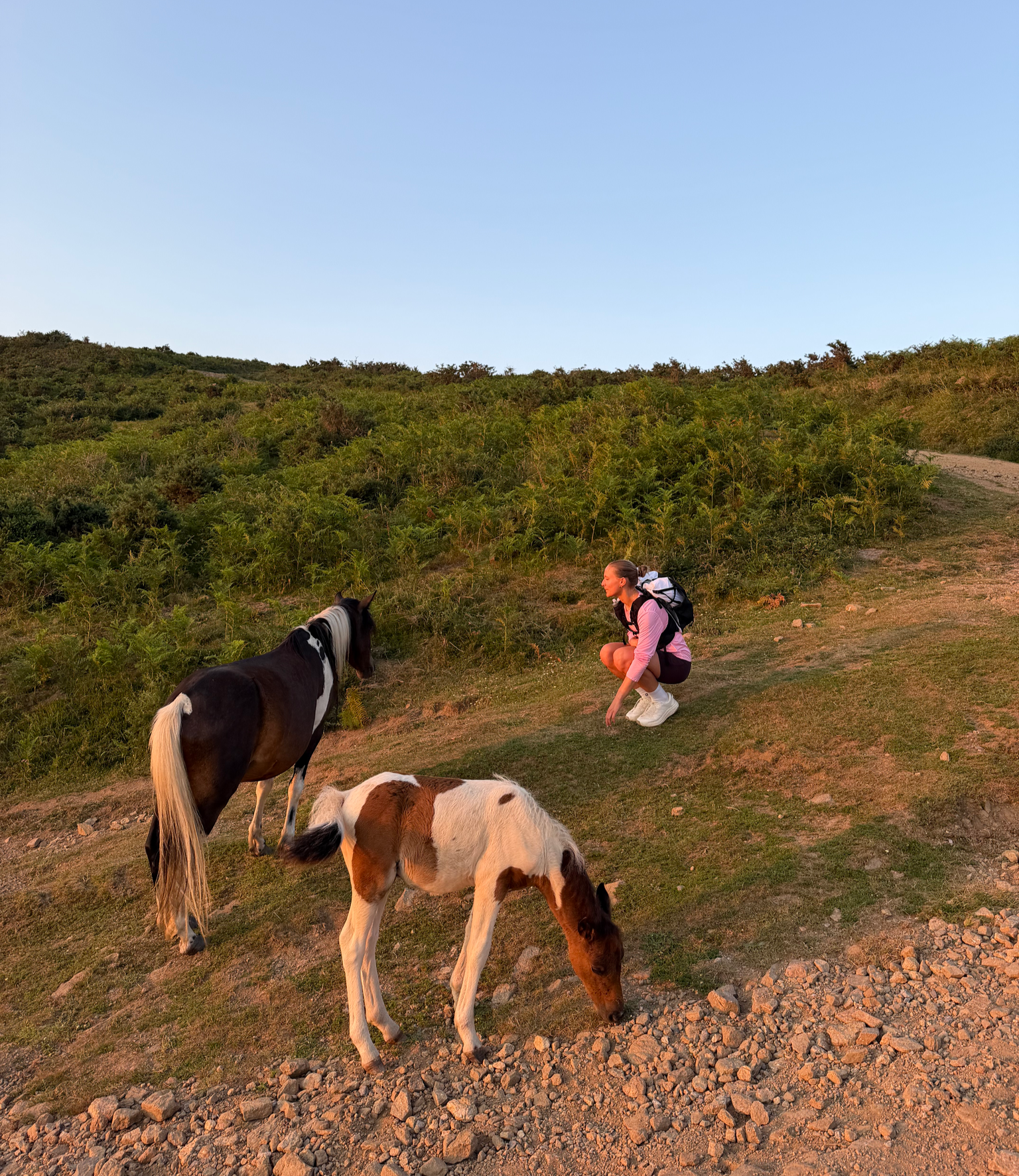
France’s Best Sunrise & Sunset Hikes

Tarmac, trails and flow – Europe's best road to trail runs
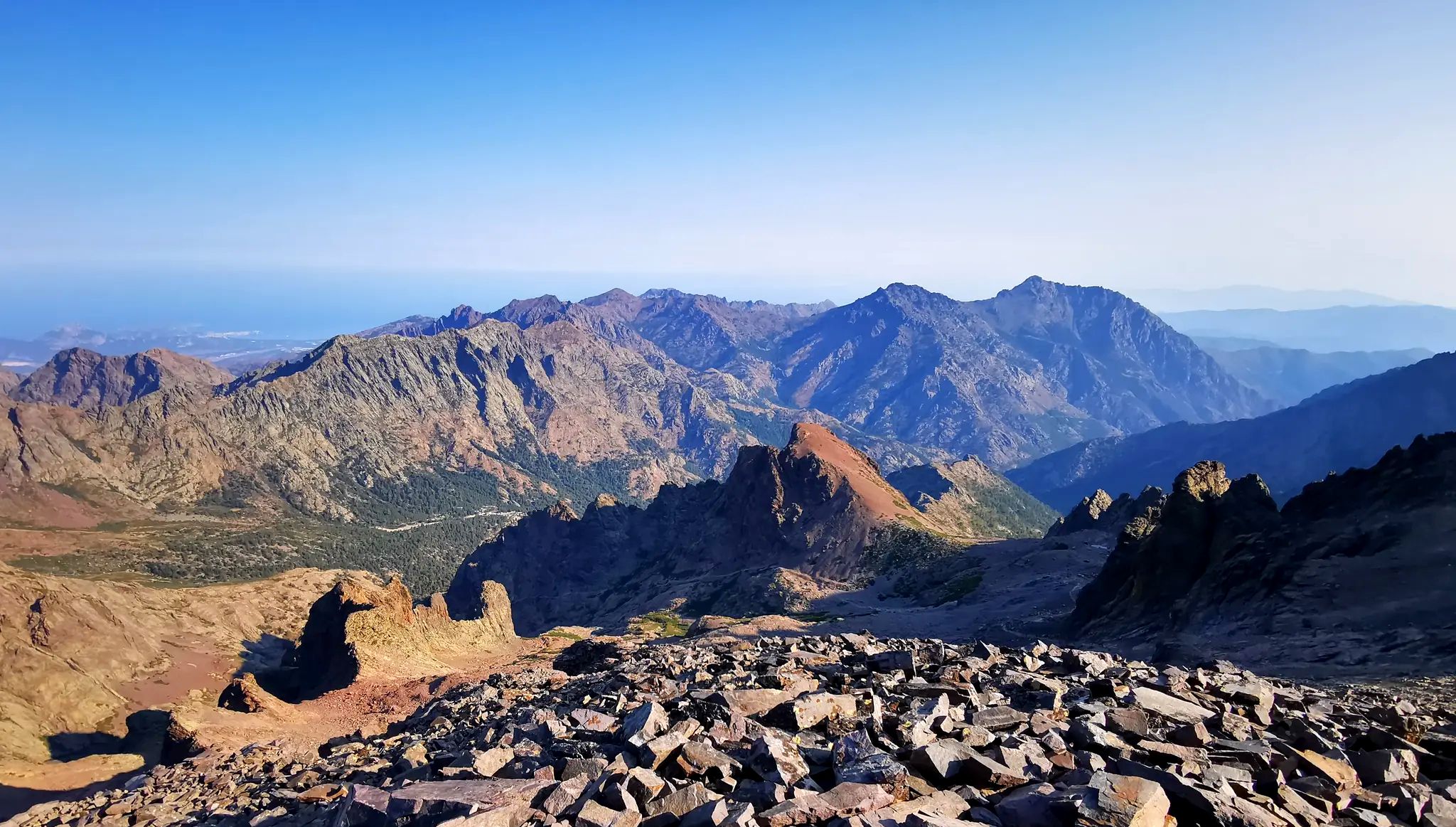
Hiking to the summits – France's highest points
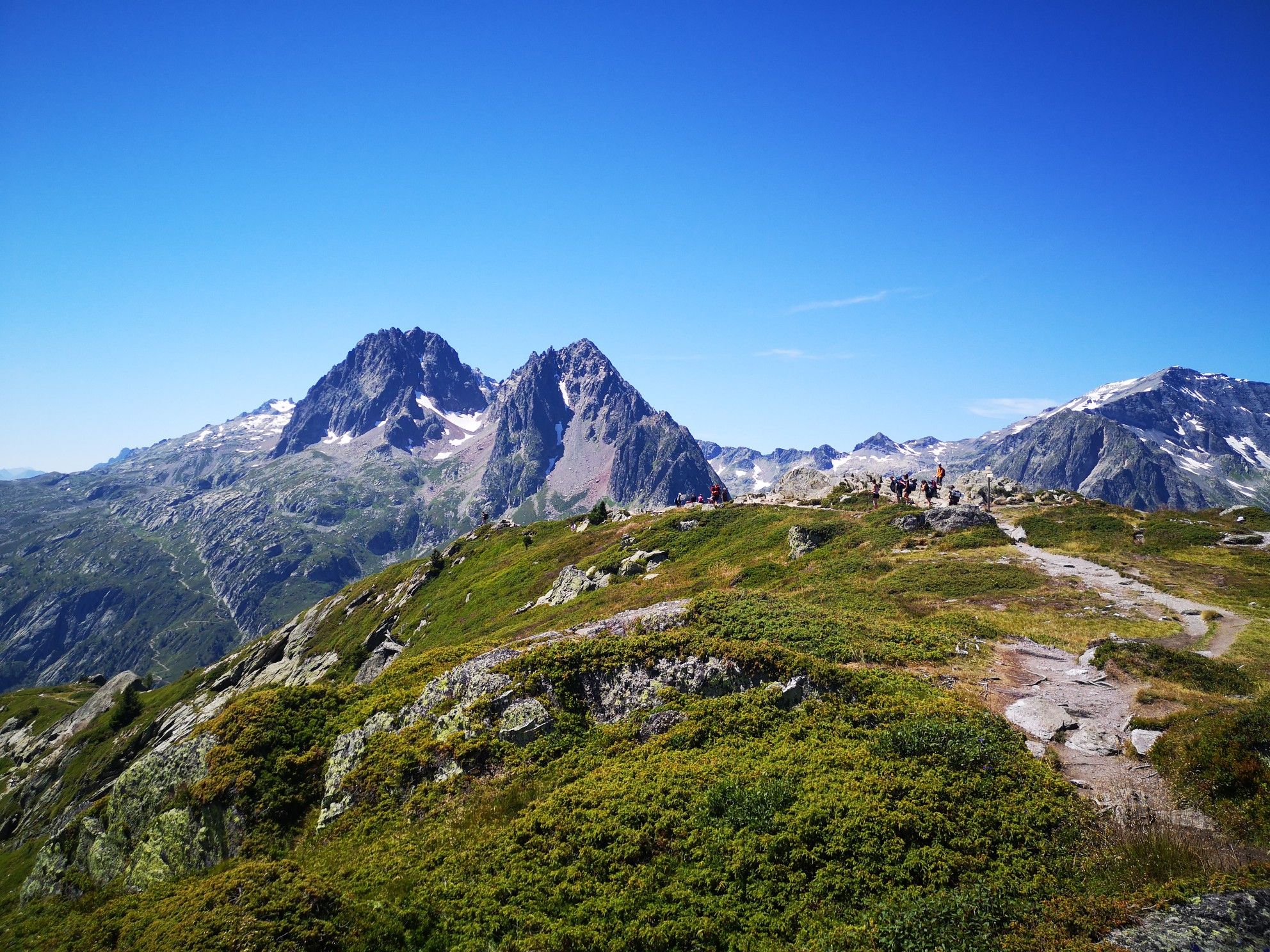
The French Circuit – Golden Trail National Series
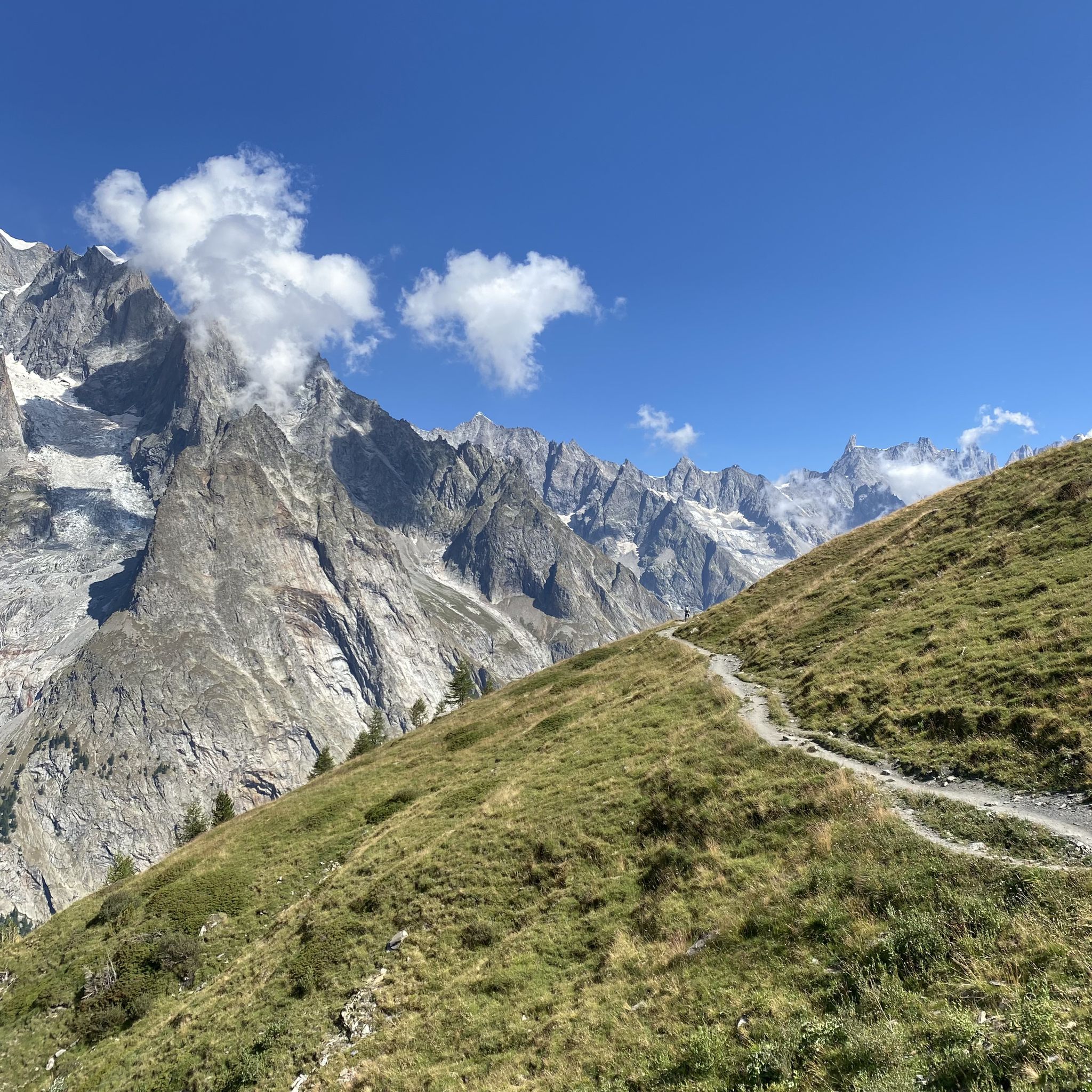
Between the glaciers of the King of the Alps – Mont Blanc MTB Tour
Hike from Savoie to Vanoise – Hexatrek in France’s Northern Alps
Other adventures around Chamonix-Mont-Blanc


Tips from the Community


This is the highest peak in the Alps, in Italy and France and in Europe. It is one of the Seven Summits! Mountaineering was born here and this goal is a lifelong dream for many. Unmissable.
2
0
Sunrise from the summit of Mont Blanc!
3
0

The mountain huts are fully booked in the high season; nothing can be done without a reservation.
2
0
Ice axes and crampons are an absolute must as they prolong your life.
2
1

If it weren't for the enormous amount of people we gathered there... but it's still worth it.
3
1
Any point of view is good to look outside.
4
0
If you start looking from all the terraces, you can easily spend an hour or two.
4
0
Frequently Asked Questions
What are some of the most popular mountain peaks and viewpoints around Chamonix-Mont-Blanc?
Among the most popular are Aiguille du Midi, known for its unparalleled 360-degree panoramic views and accessible by cable car. The Mont Blanc Summit itself is the highest mountain in Western Europe, offering breathtaking high-alpine landscapes. Another favorite is the View of the Mer de Glace, a magnificent glacier viewpoint with convenient facilities.
Which mountain peaks offer the best panoramic views in the Chamonix-Mont-Blanc region?
For truly spectacular views, the Aiguille du Midi provides 360-degree panoramas of the French, Swiss, and Italian Alps, including Mont Blanc. The Mont Blanc Summit offers expansive high-alpine vistas. Additionally, the View of Courmayeur and Mount Chetif and the Grand Col Ferret (2,537 m) also provide splendid outlooks over the surrounding valleys and peaks.
Are there family-friendly mountain peaks or viewpoints in Chamonix-Mont-Blanc?
Yes, the Aiguille du Midi is highly accessible via a record-setting cable car, making it suitable for families to experience high-altitude views. The View of the Mer de Glace is also considered family-friendly, featuring a hotel, train station, and cable car for easy access to glacier views.
How can I access high-altitude viewpoints like Aiguille du Midi?
The Aiguille du Midi is easily accessible by a cable car directly from Chamonix town center. This cable car offers the highest vertical ascent in the world, transporting visitors to the summit in just 20 minutes. At the top, you'll find multiple viewing platforms and attractions like the 'Step Into the Void'.
What are some challenging mountain climbs in the Chamonix-Mont-Blanc area?
The region is renowned for its challenging climbs. The Mont Blanc Summit, while technically easy for well-trained individuals, is arduous due to altitude and unpredictable weather. The Aiguille Verte is known for its technical routes like the Whymper Couloir. Les Drus offers legendary climbs, particularly its challenging North Face. The Dent du Géant presents technical rock climbing on its distinctive spire.
What skills are required for climbing Mont Blanc?
Climbing Mont Blanc, especially via routes like the Goûter Route or Trois Monts Route, requires specific alpine skills. These include proficiency in crampon usage, ice axe self-arresting, and safe glacier travel. Due to its altitude and potential for unpredictable weather, proper training, acclimatization, and often a guide are highly recommended.
What unique natural features can I expect to see among the peaks of Chamonix-Mont-Blanc?
The region is defined by its majestic high-alpine landscapes. You'll encounter perpetually glaciated and snow-covered peaks, such as Mont Blanc, and impressive glaciers like the Bossons Glacier and the Mer de Glace. Dramatic granite formations, exemplified by Les Drus and the distinctive spire of Dent du Géant, are also prominent features, showcasing millions of years of tectonic activity and glacial erosion.
What outdoor activities can I do near the mountain peaks in Chamonix-Mont-Blanc?
Beyond mountaineering, the area offers a wide range of outdoor activities. You can explore numerous hiking trails, including challenging routes like Lac Blanc and Lacs des Chéserys Loop. For cyclists, there are diverse options from moderate to difficult, such as the Road Cycling Routes around Chamonix-Mont-Blanc and MTB Trails around Chamonix-Mont-Blanc. Skiing and snowboarding are also popular in winter.
Are there hiking trails near these mountain peaks?
Absolutely. The Chamonix-Mont-Blanc region is a hiker's paradise. You can find a variety of trails, from challenging multi-day treks to easier day hikes. Popular options include the Lac Blanc and Lacs des Chéserys Loop, and the trail from Chamonix to Plan de l'Aiguille and Lac Bleu. For more details on routes, you can explore the Hiking around Chamonix-Mont-Blanc guide.
When is the best time to visit the mountain peaks in Chamonix-Mont-Blanc?
The best time largely depends on your desired activity. For hiking and climbing the higher peaks, late spring to early autumn (June to September) generally offers the most favorable weather conditions, though high-alpine environments can be unpredictable. For skiing and snowboarding, winter (December to April) is ideal. Even in summer, Mont Blanc remains glaciated and snow-covered, requiring appropriate gear and preparation for high-altitude excursions.
What do visitors enjoy most about the mountain peaks in Chamonix-Mont-Blanc?
Visitors consistently praise the unparalleled panoramic views, especially from accessible points like Aiguille du Midi. The sheer majesty of the high-alpine landscapes, the thrill of challenging climbs, and the profound sense of accomplishment after reaching a summit are frequently highlighted. Many also appreciate the unique experiences like the 'Step into the Void' and the opportunity to witness world-class mountaineering up close.
Are there any historical aspects related to the mountain peaks in this region?
Yes, several peaks hold significant historical importance in alpinism. The Aiguille Verte, for instance, was first ascended in 1865 by Edward Whymper, just before his fateful Matterhorn climb. Les Drus has been a magnet for climbers for over a century, with its North Face hosting some of the most legendary and challenging ascents in mountaineering history, attracting highly skilled alpinists.
Most popular routes around Chamonix-Mont-Blanc
Most popular attractions around Chamonix-Mont-Blanc

Get inspired with the komoot mobile app


Explore more
See even more amazing summits around Chamonix-Mont-Blanc with these guides:
